

Wear Deployment Support Apparel for Your Family
Deployment support apparel for families is defined as purpose-built clothing worn by military family members and supporters to show solidarity, stay comfortable during service-related activities, and meet the practical demands of outdoor events, send-offs, and homecomings. The right family support apparel does more than signal pride. It handles weather, physical activity, and long hours on your feet. This guide covers the key apparel categories, how to select deployment gear for families based on climate and activity, how to wear and maintain it correctly, and how to personalize it for maximum morale impact.
What types of deployment support apparel are best for families?
Deployment support clothing falls into four practical categories. Each serves a different function, and choosing the right one depends on your activity and environment.
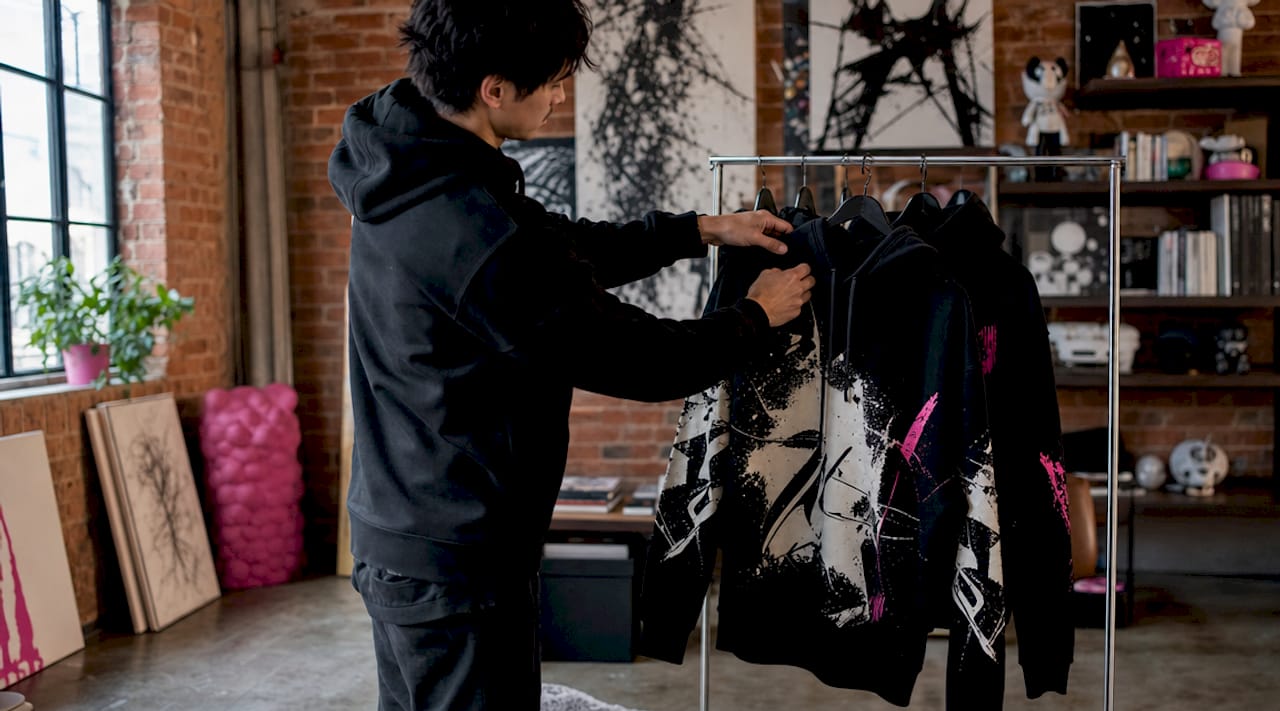
Support T-shirts and hoodies are the most common family support apparel. They carry unit logos, patriotic graphics, or service member names. Fabrics range from 100% cotton for casual wear to cotton-polyester blends that hold shape through repeated washing. Warbeardproject produces veteran-lifestyle pieces in this category, including the Stars and Stripes hoodie that works equally well at a homecoming ceremony or a base family day event.
Moisture-wicking base layers are the category most families overlook. The U.S. Army’s Improved Hot Weather Combat Uniform demonstrates what technical fabric engineering can do: faster drying, improved breathability, and comfort in hot, wet conditions. Civilian base layers built on the same principles, using polyester or merino wool, give family supporters the same advantage during summer send-offs or outdoor waiting periods.
Cold-weather outerwear is the third category. The Varusteleka L5 Thermal Patrol Coverall shows the design standard worth targeting: quick layering over fieldwear without disrupting helmets or communication gear. For family members, the equivalent is a packable insulated jacket or fleece that goes on and off fast without removing a backpack or bag.
Rain gear rounds out the four categories. The BÆRSkin Heavy-Storm Rain Suit sets a useful benchmark with a 20,000 mm waterproof rating and a design that allows full deployment in under a minute, pants pulled on directly over boots. That speed and packability matter at outdoor military events where weather shifts fast.
| Apparel type | Primary function | Key feature to look for |
|---|---|---|
| Support T-shirt or hoodie | Solidarity and casual wear | Durable fabric, print that survives washing |
| Moisture-wicking base layer | Hot-weather comfort | Quick-dry, breathable construction |
| Insulated outerwear | Cold-weather protection | Packable, fast to layer over other clothing |
| Rain gear | Wet-weather protection | Seam-sealed, deployable over boots |
Pro Tip: Buy rain gear one size up from your normal fit. This lets you pull it on over a hoodie or jacket without fighting the fabric.
How do you choose deployment clothing by climate and activity?
Climate is the first filter. Activity level is the second. Getting both right means you stay comfortable through a three-hour outdoor ceremony or a full day at a family readiness group event.
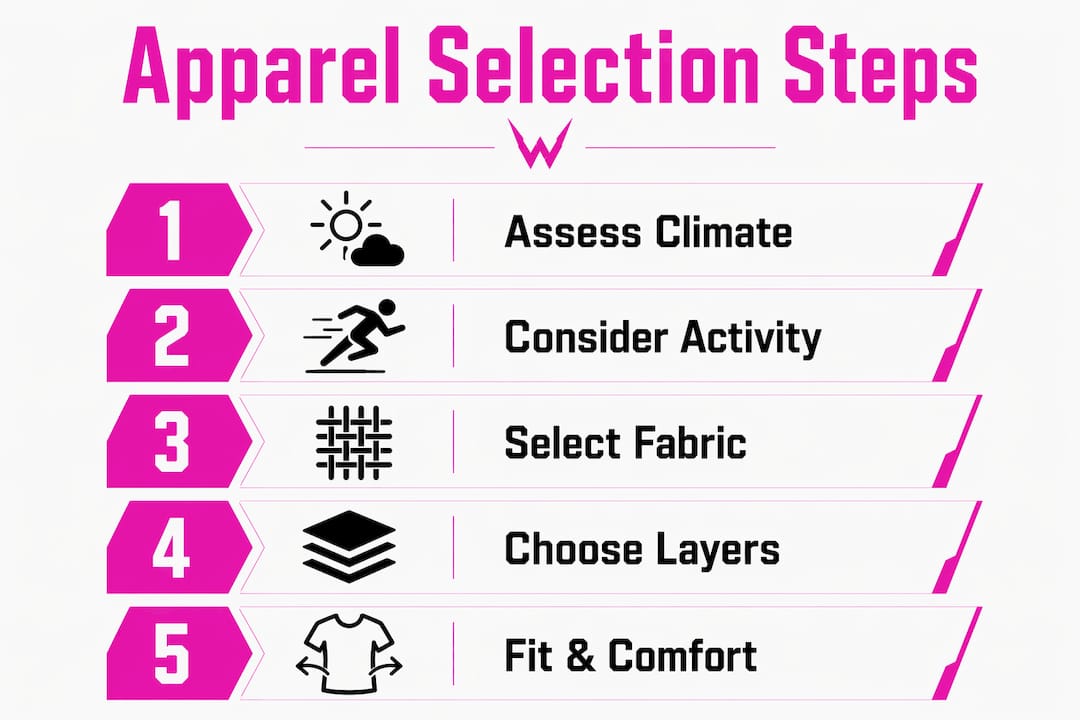
Hot and humid conditions demand breathability above all else. The IHWCU’s design goal, enhanced comfort in hot, wet environments, translates directly to civilian apparel selection. Look for polyester mesh panels, underarm venting, and UPF ratings if sun exposure is a factor. Avoid 100% cotton in heat. It absorbs sweat and stays wet, which creates discomfort over long periods.
Cold and dry conditions require layering. A moisture-wicking base layer pulls sweat away from skin. A mid-layer fleece traps heat. An outer shell blocks wind. The Varusteleka L5 approach of ventilation zippers to manage thermal load is worth replicating in civilian outerwear. Look for pit zips or front venting on any jacket you plan to wear during active movement.
Wet and variable conditions are where most people make the wrong call. They chase waterproof ratings and ignore construction quality. Seam construction and fast donning matter as much as the waterproof number. A 20,000 mm rated jacket with unsealed seams will leak. A 10,000 mm jacket with fully taped seams and a fast-deploy design will keep you dry and stay out of your bag until you need it.
Key features to prioritize by environment:
- Hot weather: moisture-wicking fabric, mesh ventilation, UPF protection, lightweight construction
- Cold weather: packable insulation, layering compatibility, wind resistance, ventilation zippers
- Wet weather: fully taped seams, hood with brim, pants that pull on over boots, packable design
- Variable conditions: convertible layers, zip-off panels, packable outer shell that fits in a side pocket
Pro Tip: Test your rain gear at home before any event. Put it on over your full outfit, including shoes. If it takes more than 60 seconds, size up or choose a different cut.
How to wear and maintain deployment support apparel correctly
Getting the layering sequence right extends the life of your apparel and keeps you comfortable through the full duration of any event.
For cold conditions, the sequence is base layer first, mid-layer second, outer shell third. The base layer must sit against skin with no bunching at the collar or cuffs. A bunched base layer under a jacket creates pressure points that become painful over hours. The mid-layer should zip fully and sit flat under the outer shell. The outer shell goes on last and must be large enough to accommodate both layers underneath without restricting arm movement.
For hot conditions, the sequence simplifies to a single moisture-wicking layer. The mistake most people make is wearing a cotton T-shirt under a support hoodie in warm weather. Cotton traps heat. A polyester or merino base layer under a lightweight hoodie moves moisture away from skin and keeps you cooler than cotton alone.
For rain, the deployment sequence matters. Jacket first, then pants. Pull rain pants on over your boots before you tighten the ankle closures. This is the method the BÆRSkin design specifically addresses: pants deployable over boots in under a minute. Doing it in reverse, boots last, means removing and re-lacing footwear in wet conditions.
Maintenance steps by apparel type:
- Check care labels before the first wash. Technical fabrics often require cold water and low-heat drying.
- Wash moisture-wicking layers inside out to protect the fabric surface.
- Avoid fabric softener on any technical layer. It clogs the moisture-transfer channels in the weave.
- The IHWCU specifically prohibits dry cleaning to preserve its functional properties. Apply the same rule to any technical civilian fabric.
- Hang dry insulated jackets when possible. Tumble drying on high heat degrades the fill over time.
- Re-apply DWR (Durable Water Repellent) spray to rain gear after every five to ten washes. The factory treatment wears off.
| Apparel type | Wash method | Drying method | Special care |
|---|---|---|---|
| Support T-shirt or hoodie | Cold or warm machine wash | Tumble dry low | Turn inside out to protect print |
| Moisture-wicking base layer | Cold machine wash, no softener | Hang dry or low heat | Wash inside out |
| Insulated jacket | Cold machine wash | Tumble dry low with tennis balls | Re-fluff fill after drying |
| Rain gear | Cold machine wash | Hang dry | Re-apply DWR spray regularly |
Pro Tip: Store rain gear loosely folded, not compressed in its stuff sack. Long-term compression degrades seam tape and waterproof coatings faster than regular use does.
How can families customize apparel to show solidarity during deployment?
Personalized military deployment outfits serve a function beyond aesthetics. They create visible community among families at events, signal support to service members, and give children a tangible way to feel connected to a deployed parent.
The most effective customization options include:
- Branch-specific graphics: Army, Navy, Marine Corps, Air Force, Space Force, and Coast Guard insignia on T-shirts and hoodies create immediate recognition and pride.
- Unit or MOS identifiers: Adding a unit patch graphic or military occupational specialty code connects the apparel directly to the service member’s role.
- Name and rank: A first name or rank on a sleeve or chest creates a personal item that children especially respond to during long deployments.
- Support messaging: Phrases like “Proud Army Wife,” “Half My Heart Is Deployed,” or “My Dad Serves” communicate solidarity without requiring explanation.
- Coordinated family sets: Matching hoodies or T-shirts in the same color with individual customization create a unified look at homecomings and deployment ceremonies that photographs well and builds group identity.
The Warbeardproject catalog focuses on veteran-lifestyle designs that translate directly to family support contexts. Patriotic graphics and military-inspired themes work for both active-duty supporters and veteran families. The key is selecting a design that the wearer will reach for repeatedly, not just on ceremony days.
Coordinated family apparel also has a practical benefit at crowded base events. Matching colors or designs make it easier to locate family members in large crowds, particularly when children are involved. This is a detail most apparel guides skip entirely.
Key takeaways
Deployment support apparel works best when fabric function, climate fit, and proper layering sequence are matched to the specific activity and environment.
| Point | Details |
|---|---|
| Match fabric to climate | Use moisture-wicking layers for heat, insulated packable jackets for cold, seam-sealed rain gear for wet conditions. |
| Prioritize practical features | Fast donning, boot-compatible rain pants, and ventilation zippers matter as much as waterproof ratings or fill weight. |
| Follow correct layering order | Base layer first, mid-layer second, outer shell last; reverse this sequence and comfort degrades quickly. |
| Maintain technical fabrics correctly | Avoid fabric softener, skip dry cleaning on technical layers, and re-apply DWR spray to rain gear after repeated washing. |
| Customize for community | Coordinated family deployment outfits build group identity at events and give children a visible connection to deployed parents. |
What I’ve learned about apparel choices for military families
Military families are not a monolithic group with identical needs. A spouse attending a stateside homecoming in July in Georgia faces a completely different apparel problem than a family member traveling to a cold-weather base in January for a deployment ceremony. The mistake I see repeatedly is families defaulting to whatever cotton T-shirt is available at the base exchange without thinking through the full day ahead.
The SEAM system, which tracks and manages military clothing in real time, gives service members clarity about what they are issued and what they are entitled to. That same clarity is worth applying to family apparel decisions. Know what you need before you buy. A single well-chosen insulated hoodie that works across three seasons beats four single-purpose items that each fail in edge conditions.
The emotional dimension of deployment support clothing is real, but it does not override the functional one. A hoodie that looks great but leaves you cold and wet at a two-hour outdoor ceremony is a failure, regardless of how meaningful the graphic is. The families who get this right treat apparel as gear first and statement second. That order of priority produces better outcomes every time.
— Ian
Find deployment support apparel built for military families
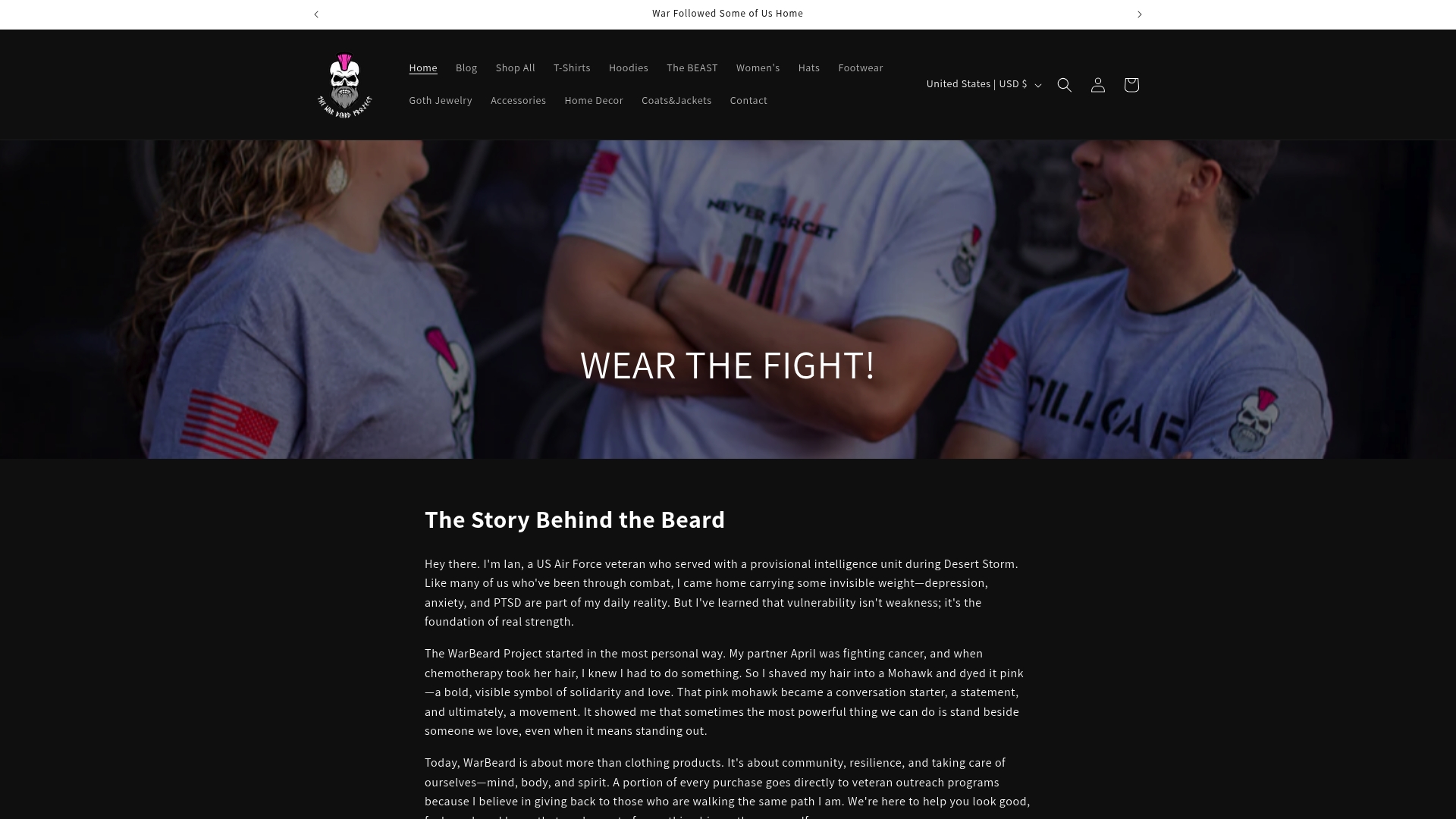
Warbeardproject designs veteran-lifestyle apparel that military families and supporters can wear with confidence at any deployment event. The Stars and Stripes hoodie combines a durable cotton-blend construction with a patriotic design that holds up through repeated washing and heavy use. Every piece in the Warbeardproject catalog is built for people who need apparel that performs as well as it looks. Browse the full collection to find deployment gear for families that matches your climate, your activity, and your service member’s branch.
FAQ
What is deployment support apparel for families?
Deployment support apparel for families is clothing worn by military family members and supporters to show solidarity and stay comfortable during service-related activities such as send-offs, homecomings, and family readiness events. It includes support T-shirts, hoodies, base layers, outerwear, and rain gear.
What fabric works best for hot-weather deployment events?
Moisture-wicking polyester or merino wool performs best in hot conditions. The Army’s IHWCU is built on the same principle: faster drying and enhanced breathability keep wearers comfortable in hot, wet environments.
How do I choose rain gear for outdoor military events?
Prioritize fully taped seams, a packable design, and pants that pull on over boots quickly. A 20,000 mm waterproof rating means little if seams are not sealed or if the gear takes several minutes to put on in a downpour.
Can I wash technical deployment apparel in a regular washing machine?
Yes, but use cold water, skip fabric softener, and avoid dry cleaning. Fabric softener clogs the moisture-transfer channels in technical fabrics, and dry cleaning degrades functional coatings. Hang dry when possible and re-apply DWR spray to rain gear after repeated washes.
Where can I find customized family support apparel for deployment?
Warbeardproject offers veteran-lifestyle apparel with patriotic and military-inspired designs suited for family deployment support. For branch-specific or name-personalized items, look for print-on-demand services that specialize in military family themes and use durable ink processes rated for repeated machine washing.