

Crewneck vs Hoodie: Which One Should You Buy First?
Buy a crewneck first if you only get one pullover in your wardrobe. It layers cleaner under a jacket, reads smarter for more occasions, and gives you a flat front panel for a chest logo. The defining difference between the two comes down to a single piece of fabric: a hoodie has an attached hood, a crewneck doesn’t. Everything else, warmth, bulk, formality, follows from that one design choice.
That said, reach for a hoodie instead when:
- You need pockets for your hands or a phone and don’t want to carry a bag.
- You’re dressing for cold, casual, low-stakes settings like a walk, a workout, or lounging at home.
| Point | Details |
|---|---|
| Default pick | A crewneck offers more versatility for layering and smart-casual wear. |
| Defining feature | The hood is the only structural difference between a hoodie and a sweatshirt. |
| Buy a hoodie when | Warmth, pockets, and casual comfort matter more than a clean silhouette. |
Key Takeaways
A crewneck wins on versatility and layering, while a hoodie wins on warmth, pockets, and casual comfort, so the right first purchase depends on which of those two you use more often.
| Point | Details |
|---|---|
| Default first buy | A crewneck layers cleaner and suits more occasions than a hoodie. |
| Defining difference | The hood is the only structural feature separating a hoodie from a crewneck. |
| Warmth driver | Fabric weight (roughly 290 to 360 GSM for hoodies) matters more than the hood itself. |
| Styling rule | Crewnecks suit smart-casual and layering; hoodies suit gym, errands, and cold lounging. |
| Warbeardproject fit | Offers both styles with mission-driven graphics, recycled materials, and proceeds supporting veteran outreach. |
Table of Contents
- Crewneck vs Hoodie: The Basic Definitions
- Crewneck vs Hoodie: A Feature-By-Feature Comparison
- When Should You Wear a Crewneck vs a Hoodie?
- Does Fabric Weight Matter More Than the Hood?
- What to Check Before You Buy a Crewneck or Hoodie
- Why Does Gen Z Prefer Hoodies Right Now?
- Where Did Crewnecks and Hoodies Actually Come From?
- Frequently Asked Questions
- Sources
Crewneck vs Hoodie: The Basic Definitions
A crewneck is a pullover sweatshirt with a round, ribbed neckline and no hood. It’s the plainest version of a sweatshirt, built for a flat front panel and a simple, close-to-the-body collar.
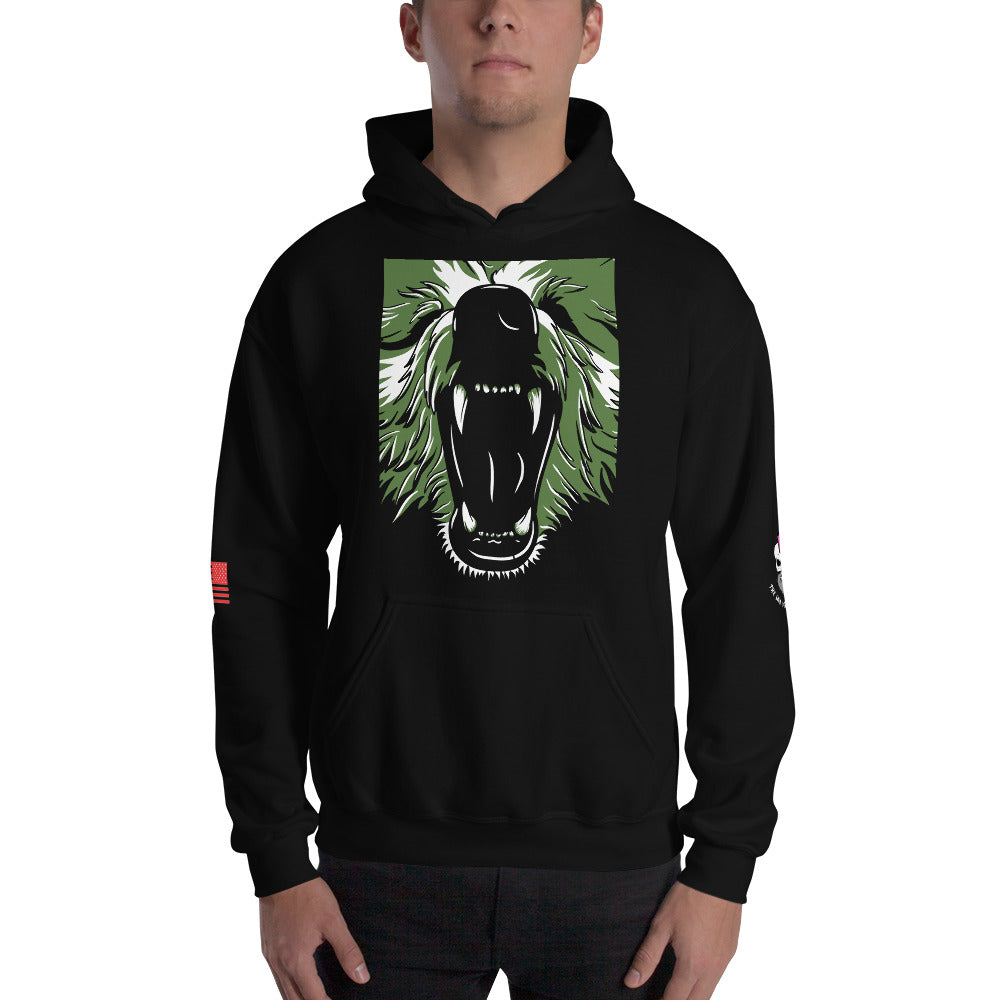
A hoodie is a hooded sweatshirt, usually with a drawstring hood and a kangaroo pocket across the front. It can be a pullover or a full-zip.
The relationship matters more than most shoppers realize: a hoodie is a sweatshirt, just one with a hood bolted on. When people say “sweatshirt vs hoodie,” they usually mean crewneck vs hoodie, since a crewneck is the hoodless baseline everyone pictures when they hear the word sweatshirt.
- Crewneck: round neckline, ribbed collar, no hood, no front pocket (usually).
- Hoodie: attached hood, drawstrings, kangaroo pocket, pullover or zip front.
Crewneck vs Hoodie: A Feature-By-Feature Comparison
| Dimension | Crewneck | Hoodie |
|---|---|---|
| Hood/neckline | Round, ribbed collar, no hood | Attached hood with drawstrings |
| Pockets | Rare, usually none | Kangaroo pocket standard |
| Warmth/coverage | Warm at the core; head and neck exposed | Extra head/neck coverage; core warmth depends on fabric |
| Formality/styling | Reads smart-casual; layers under blazers | Reads casual to athletic |
| Layering ease (bulk) | Lower bulk; slides under jackets cleanly | Hood and drawstrings add bulk under structured coats |
| Fabric/weight | Fleece, French terry, cotton blends | Same fabric options, plus heavier fleece for outdoor use |
| Fit/silhouette | Slimmer, flatter front | Boxier, roomier through the chest |
| Typical use cases | Office-casual, travel, layering | Gym, errands, cold-weather lounging |
At matched fabric weight, the warmth gap between the two is marginal; the hood adds coverage around your head and ears, but it’s the GSM of the fabric, not the hood, that decides how warm your core feels. Formality and bulk are what usually tip the decision, not temperature.
When Should You Wear a Crewneck vs a Hoodie?
Your calendar tells you more than your closet does. Office-casual Fridays, dinner with in-laws, a flight where you want to look put-together on arrival: all of these lean crewneck. Errands, the gym, a lazy Sunday: hoodie territory.
A few concrete pairings:
- Crewneck under a blazer with chinos for a smart-casual client meeting.
- Crewneck under the OG Logo Premium recycled bomber jacket for travel days when you need warmth without bulk at security.
- Hoodie with joggers and sneakers for a coffee run or a workout warmup.
- Zip hoodie over a tank like the Lift Heavy Premium tank top for a gym session where you’ll want to shed a layer fast.
Editorial style guides consistently point out that both pieces function similarly at rest, but the hood and pocket change how the garment reads on the street versus in an office.
Pro Tip: If you plan to wear a hoodie under a tailored coat, choose one with a low-profile hood. A thick, oversized hood bunches up at the collar and ruins the coat’s lines. A flatter hood tucks in and disappears.
Does Fabric Weight Matter More Than the Hood?
Yes, more than shoppers expect. Fleece feels brushed and soft on the inside, with more insulating loft. French terry is looped and lighter, better for mild weather or indoor layering. Cotton-poly blends split the difference, resisting wrinkles and shrinkage better than pure cotton.
Weight, measured in grams per square meter (GSM), is the real warmth lever. Hoodies commonly run between about 290 and 360 GSM, and a heavyweight crewneck at the top of that range will out-warm a thin, lightweight hoodie every time. The hood isn’t the deciding factor. The fabric is.
Fit changes the equation too:
- Boxy fits add visual bulk and are harder to layer under a fitted jacket.
- Slim fits with ribbed hems and cuffs layer cleanly and look intentional, not sloppy.
- Kangaroo pockets, zips, and drawcords all add thickness at the front, which shows through a buttoned coat.
What to Check Before You Buy a Crewneck or Hoodie
Read a product listing like you’re checking under the hood of a car, because vague listings hide the details that determine how the garment actually performs.
Before you buy:
- Fabric weight (look for GSM, not just “cotton blend”).
- Seam construction, especially at the shoulders and cuffs.
- Pocket and drawcord quality on hoodies.
- Shrinkage disclosures, since 100% cotton shrinks more than blends.
On-fit checklist, once it arrives:
- Shoulders should sit at your natural shoulder line, not droop past it.
- Sleeves should hit at the wrist bone for layering under a jacket.
- Torso length should cover your waistband without bunching when you raise your arms.
For care, wash in cold water and skip the dryer’s high heat if you want to preserve ribbing, embroidery, and hood shape over time.
Why Does Gen Z Prefer Hoodies Right Now?
Trend data backs up what’s obvious on any college campus: Gen Z consistently favors hoodies for their relaxed fit, expressive graphics, and easy layering across seasons.
Statistic Callout: Trend observations show hoodies feature prominently in Gen Z’s casual wardrobe rotation, associated with relaxed dress codes and comfort-focused styling.
That doesn’t mean a crewneck is out of step. It means the hoodie’s popularity is cultural as much as functional. If you want to look current and don’t mind the trend-driven look, lean hoodie. If you’d rather build a wardrobe that reads timeless and doesn’t chase a cycle, the crewneck’s plainer silhouette ages better.
- Trend-forward shoppers: hoodie, graphic front, oversized fit.
- Timeless-wardrobe shoppers: crewneck, solid color, tailored fit.
Where Did Crewnecks and Hoodies Actually Come From?
The crewneck traces back to 1920s athletic wear, originally worn by football players at Alabama’s Crimson Tide program to stay warm on the sidelines. It stayed a plain, practical piece for decades, favored for its simplicity and low cost, before menswear picked it up as a smart-casual staple in the mid-20th century.
The hoodie has a more industrial origin. Champion developed it in the 1930s for laborers working in unheated New York warehouses, adding the hood specifically to shield workers from cold and moisture. It stayed a workwear item until skate and hip-hop culture adopted it in the 1970s and '80s, turning a functional garment into a statement piece. By the 1990s, it had become a symbol tied to both athletic identity and, at times, controversial cultural debates about who gets to wear anonymity without suspicion. Wikipedia’s overview of the hoodie traces this shift from labor garment to cultural icon in more detail.
That history explains why the two pieces still carry different weight today. A crewneck reads as understated and work-appropriate because it never left that lane. A hoodie carries more attitude, precisely because it was built for utility and later repurposed as identity.
A Brand Perspective on Crewnecks and Hoodies
We stock both at Warbeardproject because veterans and supporters don’t dress the same way every day. A crewneck carries mission graphics with a clean chest canvas; a hoodie adds pockets and warmth for outdoor wear. Every build choice, recycled fabric, embroidery placement, reinforced seams, serves durability first.
Get the Right Piece From Warbeardproject
If you’re building around one purchase, start with a crewneck for the versatility this guide just walked through, then add a hoodie once you need the extra warmth and pockets.
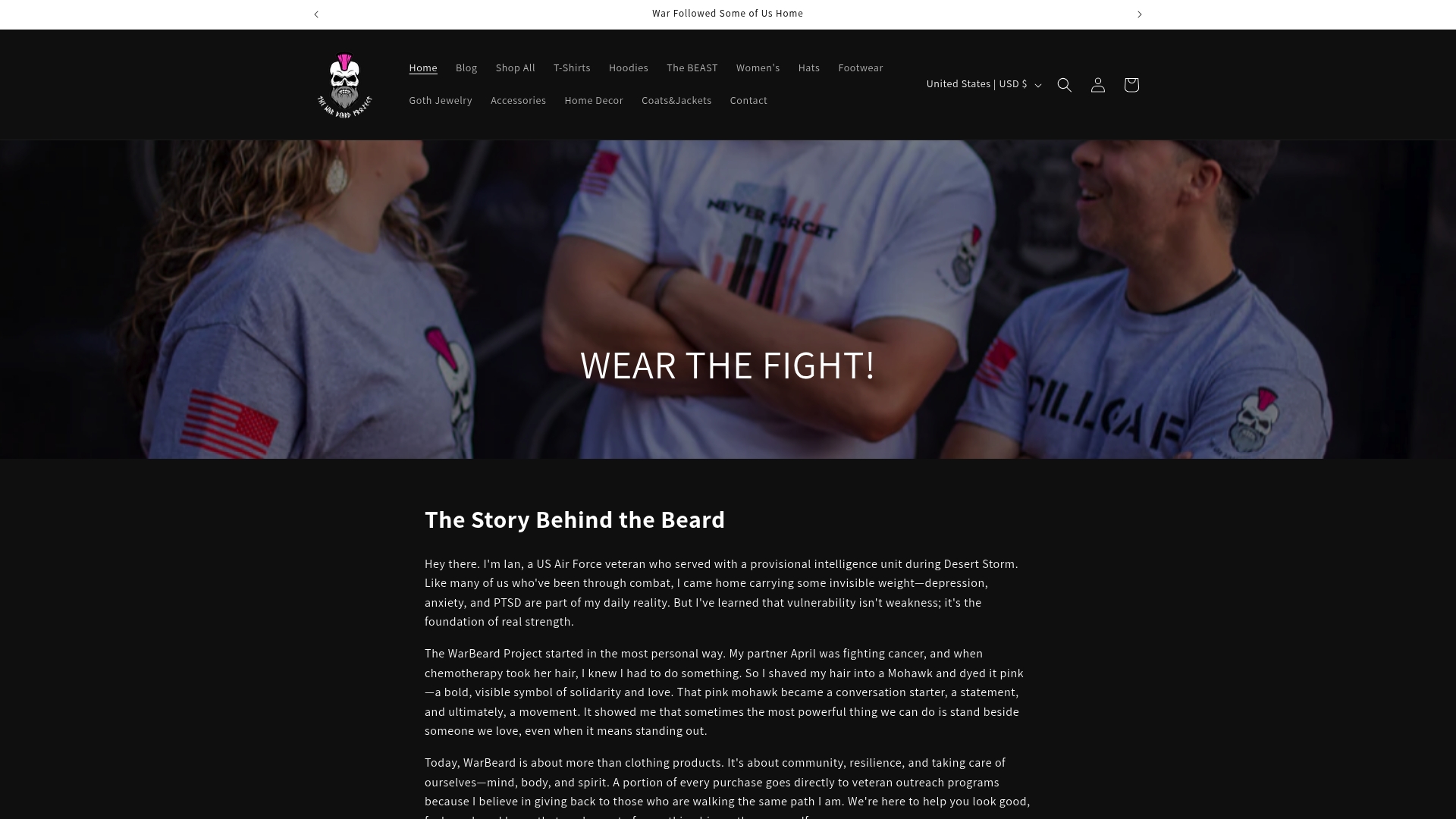
The OG Logo Unisex Premium Sweatshirt gives you that flat-front crewneck build with mission-driven graphics, and a portion of every sale supports veteran outreach work. Want the knitted version with a more textured finish? The OG Logo Knitted crew neck sweater is built the same way. If warmth and pockets are your priority instead, browse the Hoodies collection or go straight to the OG Logo Unisex Hoodie for a standard pullover build, or the OG Logo All-over Print Unisex Zip Hoodie if you want a zip front for easier layering. Add a base layer like the PTSD classic tee to round out your capsule. Pick your piece and check sizing on the product page before you check out.
Frequently Asked Questions
Is a crewneck warmer than a hoodie? Not inherently. At the same fabric weight, the warmth difference is marginal. A heavier crewneck will out-warm a thin hoodie, and vice versa.
Can I wear a hoodie to a smart-casual event? It’s riskier than a crewneck. A hoodie’s pocket and hood read more casual, so a crewneck under a jacket is the safer smart-casual choice.
What GSM should I look for in a warm hoodie? Look toward the higher end of the common 290 to 360 GSM range for cold-weather wear, and check whether it’s brushed fleece for extra insulation.
Does a zip hoodie layer better than a pullover? Yes, for most people. A zip front lets you add or shed the layer without pulling it over your head, which matters when you’re already wearing a hat or glasses.
Sources
- Top 10 Gen Z fashion trends 2026 — styles you must know
- Sweatshirt vs. Hoodie: What’s the Difference? – Printful
- Crewneck vs Hoodie: Which to Choose for Your Team – Arklavo