

Layer Military Lifestyle Apparel for Cold Weather
Layering military lifestyle apparel for cold weather means building an adjustable microclimate using moisture-wicking base layers, insulating midlayers, and protective outer shells. The U.S. Army formalized this approach through the GEN III Extended Cold Weather Clothing System (ECWCS), a modular system with 12 components across seven functional levels. The tactical layering system is not a new concept, but most service members and veterans underuse its full potential. This guide breaks down each layer, explains how to adapt your setup to conditions and exertion, and identifies the gear that actually performs in the field.
What are the essential layers in military cold weather apparel?
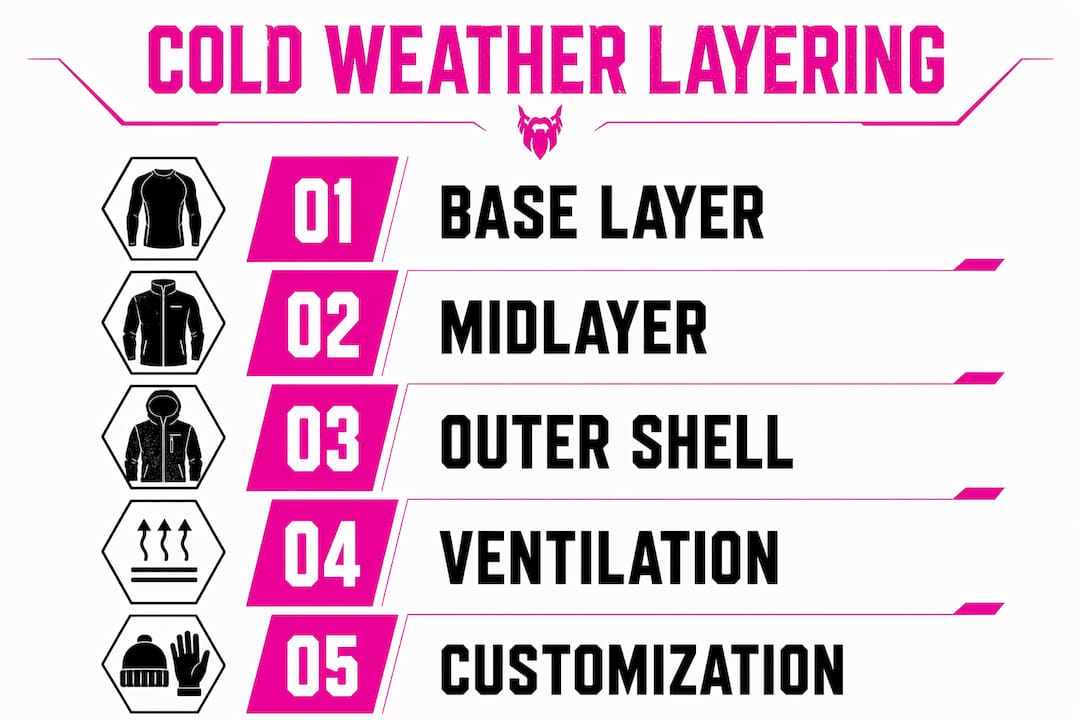
Cold weather layering is defined by three functional components: a base layer that manages moisture, a midlayer that traps warm air, and an outer shell that blocks wind and precipitation. Each layer has a specific job. When one fails, the whole system fails.
Base layer: moisture management first
The base layer sits against your skin and its only job is to move sweat away from your body. Cotton fails completely here because it absorbs moisture and holds it against your skin, accelerating heat loss. Merino wool blends and synthetic fabrics like polyester are the standard for military cold weather wear because they wick moisture outward while retaining some insulating value even when damp. The Varusteleka layering system uses merino wool blend base layers specifically for their breathability and thermal retention under load.
Fit matters at the base layer. A snug fit maximizes contact with skin for efficient moisture transfer. Loose base layers create dead air pockets that trap sweat instead of moving it.
Midlayer: trapping heat without bulk
The midlayer’s function is insulation. It traps warm air close to the body using loft, the physical space between fibers. Fleece jackets are the most common midlayer in military cold weather gear because they maintain loft even when compressed and dry quickly. GEN III ECWCS includes dedicated fleece components at multiple levels specifically to allow mix-and-match insulation based on temperature and activity. A heavier fleece works for static positions in extreme cold. A lighter grid fleece works for high-exertion movement where overheating is a real risk.
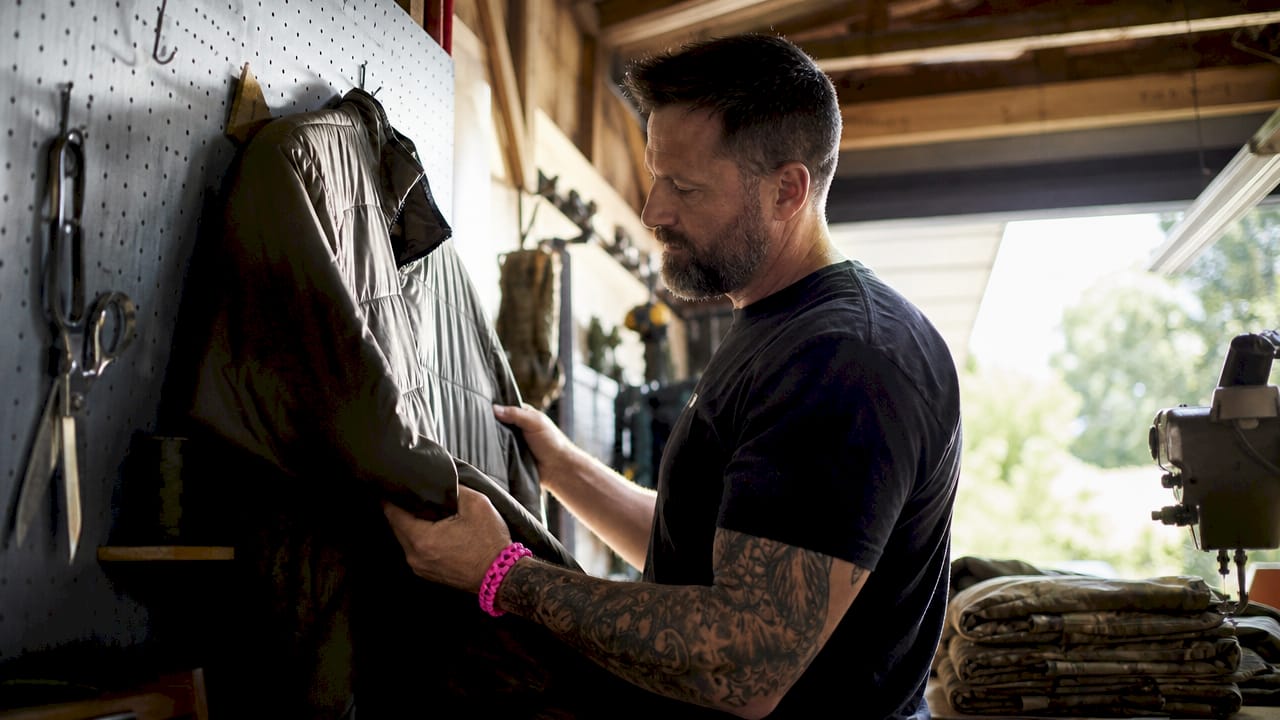
Down insulation offers superior warmth-to-weight ratios but loses nearly all insulating value when wet. Synthetic fill, used in most military insulated jackets, retains roughly 60 to 70 percent of its insulating value when damp. For operational environments where staying dry is not guaranteed, synthetic midlayers are the correct choice.
Outer shell: protection from the elements
The outer layer stops wind, rain, and snow from penetrating the insulation beneath. The GEN III ECWCS Level 6 jacket is a hard-shell Gore-Tex barrier designed for moderate cold and wet conditions. Gore-Tex and similar waterproof-breathable membranes allow water vapor from sweat to escape outward while blocking liquid water from entering. Without breathability, moisture from exertion accumulates inside the shell and saturates the midlayer.
Outer shells for military use also need abrasion resistance, low infrared signature in some operational contexts, and compatibility with load-bearing equipment. Fit over multiple layers is a practical concern. A shell sized for a single layer will restrict movement when worn over a fleece and base layer.
- Base layer: moisture-wicking merino wool or synthetic fabric, snug fit
- Midlayer: fleece or synthetic insulation, compressible and fast-drying
- Outer shell: waterproof-breathable membrane, abrasion-resistant, equipment-compatible
Pro Tip: Choose a midlayer with a full-length front zipper. You can vent heat in seconds without removing the layer entirely, which matters when you stop moving and temperature drops fast.
How to customize your layering system for conditions and activity
The GEN III ECWCS seven functional levels exist precisely because no single configuration works across all conditions. Modularity is the system’s core strength. You add or remove components based on temperature, precipitation, wind, and your own exertion level.
Here is a practical framework for adjusting your cold weather tactical gear in the field:
- Assess temperature and wind before moving out. Static cold requires more insulation. Wind multiplies heat loss significantly. Add your outer shell earlier in high-wind conditions even if the temperature reads moderate.
- Reduce insulation before high-exertion tasks. Remove your midlayer before a patrol or heavy carry. It is easier to add a layer at the objective than to manage soaked insulation for the next six hours.
- Use ventilation features actively. Pit zippers, chest zippers, and collar vents on outer shells are not decorative. Open them during movement to dump heat. Close them when you stop.
- Layer for the coldest point in your mission, not the average. Pre-dawn temperatures, wet crossings, and extended static positions are the moments that cause cold injuries. Build your kit around those extremes.
- Carry a compressible midlayer even in mild cold. Conditions change. A packable synthetic jacket adds minimal weight and provides critical insulation if weather deteriorates or your schedule extends.
Proper layering enables operational focus by removing weather discomfort as a variable. When your thermal management is automatic, your attention stays on the mission.
Pro Tip: Check the forecast for temperature swings, not just the low. A 20-degree swing between morning and afternoon means your midlayer goes in your pack, not on your back.
What military cold weather apparel options are available and how do they compare?
The market for winter military apparel ranges from official issue gear to commercial alternatives built to the same functional standards. Understanding what each piece does helps you build a kit without redundancy or gaps.
| Garment | Layer Role | Key Feature | Best Use Case |
|---|---|---|---|
| GEN III ECWCS Level 1 top | Base | Moisture-wicking synthetic | All cold weather activity |
| GEN III ECWCS Level 3 fleece | Midlayer | Grid fleece, compressible | Active patrol, moderate cold |
| GEN III ECWCS Level 6 jacket | Outer shell | Gore-Tex hard shell | Wet and windy conditions |
| Varusteleka L5 Thermal Patrol Coverall | Combined mid/outer | Ventilation zippers, merino blend | High-exertion cold operations |
| Balaclava | Accessory layer | Head and neck insulation | Extreme cold, wind exposure |
| Waterproof trousers | Lower outer shell | Wind and water barrier | Wet terrain operations |
Military cold weather gear includes balaclavas, fleece jackets, waterproof trousers, and gloves as functional components within the layering system. Each item addresses a specific vulnerability. Hands and head lose heat disproportionately fast, so glove systems and headwear are not optional accessories.
The Varusteleka L5 Thermal Patrol Coverall is worth specific attention. It combines midlayer insulation with a ventilated outer construction, reducing the number of separate pieces needed for high-exertion cold operations. The generous ventilation zippers allow real-time temperature control without removing the garment. For units operating in consistently cold but active environments, this type of combined garment reduces kit complexity.
- GEN III ECWCS remains the benchmark for modular military cold weather systems
- Commercial alternatives like Varusteleka offer comparable function with different trade-offs in weight and packability
- Accessory layers for hands, head, and neck are integral to the system, not optional additions
What are common layering mistakes in military cold weather apparel?
The most common failure in cold weather military wear is over-insulating without managing ventilation. Over-layering without ventilation causes sweat to accumulate inside the system, saturating insulation and eliminating its thermal value. A soaked midlayer in sub-freezing temperatures is not just uncomfortable. It is a cold injury risk.
Several specific errors appear repeatedly in cold weather operations:
- Wearing cotton at any layer. Cotton absorbs and holds moisture. One wet cotton layer compromises the entire system.
- Sealing the outer shell completely during movement. A fully sealed shell traps sweat vapor. Use ventilation features or accept that your midlayer will be wet within an hour of hard movement.
- Ignoring extremities until they hurt. Hands and feet lose circulation before pain registers clearly. Glove liners and vapor barrier socks are preventive tools, not reactive ones.
- Failing to adjust layers at transition points. Moving from a vehicle to a patrol, from shade to sun, or from flat terrain to a climb all change your thermal load. Adjust before you overheat, not after.
Cold stress warning: Wet insulation combined with wind exposure can cause hypothermia even at temperatures above freezing. If your base layer is wet and you stop moving, your core temperature will drop faster than you expect. Carry a dry midlayer in a waterproof bag as a non-negotiable item.
Moisture control is non-negotiable to maintain insulation loft and prevent hypothermia. The fix is not more insulation. The fix is better moisture management and active ventilation.
Key takeaways
Effective cold weather layering requires moisture control, modular insulation, and active ventilation. Static maximum insulation without adjustment is the primary cause of cold weather gear failure in operational environments.
| Point | Details |
|---|---|
| Base layer function | Use moisture-wicking merino wool or synthetic fabric to keep insulation dry. |
| Midlayer selection | Choose synthetic fill over down for wet environments where loft retention matters. |
| Outer shell requirements | Waterproof-breathable membranes like Gore-Tex block elements while allowing vapor escape. |
| GEN III ECWCS modularity | The 12-component system allows real-time adjustment across seven functional levels. |
| Ventilation is active management | Open pit zippers and vents during movement to prevent moisture buildup in insulation. |
What experience actually teaches about cold weather layering
The doctrine is sound. GEN III ECWCS is a well-designed system and the three-layer principle works. What the manuals do not capture is how quickly conditions change and how much individual variation exists in sweat rate, cold tolerance, and movement patterns.
In my experience, the biggest gap between knowing the system and using it effectively is the reluctance to adjust layers mid-mission. Stopping to remove a fleece feels like a tactical liability. But carrying wet insulation for four hours is a worse outcome. The discipline to manage your thermal load proactively, before you are soaked or shivering, is a learned skill. It takes deliberate practice in training environments before it becomes automatic.
The other thing worth saying directly: not all cold weather apparel marketed as military-grade performs to that standard. Weight, packability, and NIR compliance vary significantly between manufacturers. If you are building a kit for actual operational use, verify the specifications rather than relying on marketing language. For lifestyle and off-duty wear, the same layering principles apply but the tolerance for performance gaps is higher. A quality hoodie over a moisture-wicking base layer handles most garrison and civilian cold weather situations without the full tactical kit.
The layering system is not about having the most gear. It is about having the right pieces and knowing when to use each one.
— Ian
Gear up with Warbeardproject for cold weather layering
Warbeardproject builds apparel for veterans and active duty service members who understand that what you wear off-duty still reflects who you are. The catalog includes layering-ready pieces designed for cold weather comfort without sacrificing the identity that comes with service.
The Stars and Stripes Unisex Hoodie works as a solid midlayer over a moisture-wicking base in mild to moderate cold. For a heavier outer option, the OG Logo Unisex Denim Sherpa Jacket delivers insulation with veteran-built character. Browse the full Warbeardproject collection to find cold weather pieces that fit your layering system and your identity.
FAQ
What is the GEN III ECWCS layering system?
GEN III ECWCS is a modular military cold weather system with 12 garment components across seven functional levels. It allows service members to mix and match pieces based on temperature, precipitation, and exertion level.
What base layer material works best for cold weather military wear?
Merino wool blends and synthetic polyester fabrics are the correct choices for base layers in cold weather military apparel. Both wick moisture away from skin and retain partial insulating value when damp, unlike cotton which holds moisture and accelerates heat loss.
How do you prevent overheating while wearing layered tactical clothing?
Use ventilation features actively during movement, including pit zippers, chest zippers, and collar vents on your outer shell. Remove your midlayer before high-exertion tasks rather than managing soaked insulation afterward.
Can you use military-style layering for everyday cold weather wear?
Yes. The same three-layer principle applies to off-duty and civilian cold weather situations. A moisture-wicking base, an insulating midlayer like a fleece or sherpa jacket, and a wind-resistant outer layer covers most cold weather conditions outside of extreme operational environments.
Why does moisture control matter more than total insulation?
Wet insulation loses most of its thermal value regardless of thickness. Managing sweat through base layer wicking and shell ventilation keeps insulation dry and functional, which is more effective than adding more layers over a wet system.