

Types of Off-Duty Military Clothing for Veterans
Off-duty military clothing is defined as casual or lifestyle apparel that draws directly from military uniform design, fabric technology, and functional construction without constituting an official service uniform. Veterans and military personnel transitioning to civilian life rely on these types of off-duty military clothing to maintain a familiar aesthetic while meeting everyday comfort demands. Signature pieces include bomber jackets, cargo pants, CPO-style overshirts, and utility boots, all built from durable materials like ripstop fabric. Brands such as Warbeardproject have built entire collections around this intersection of heritage style and practical wear.
What are the main types of off-duty military clothing?
Military clothing divides into four tiers: Combat, Service, Dress, and Specialty. Each tier serves a non-interchangeable function. Combat uniforms handle field operations. Service uniforms cover daily duty. Dress uniforms appear at ceremonies. Specialty uniforms address branch-specific or environmental requirements.
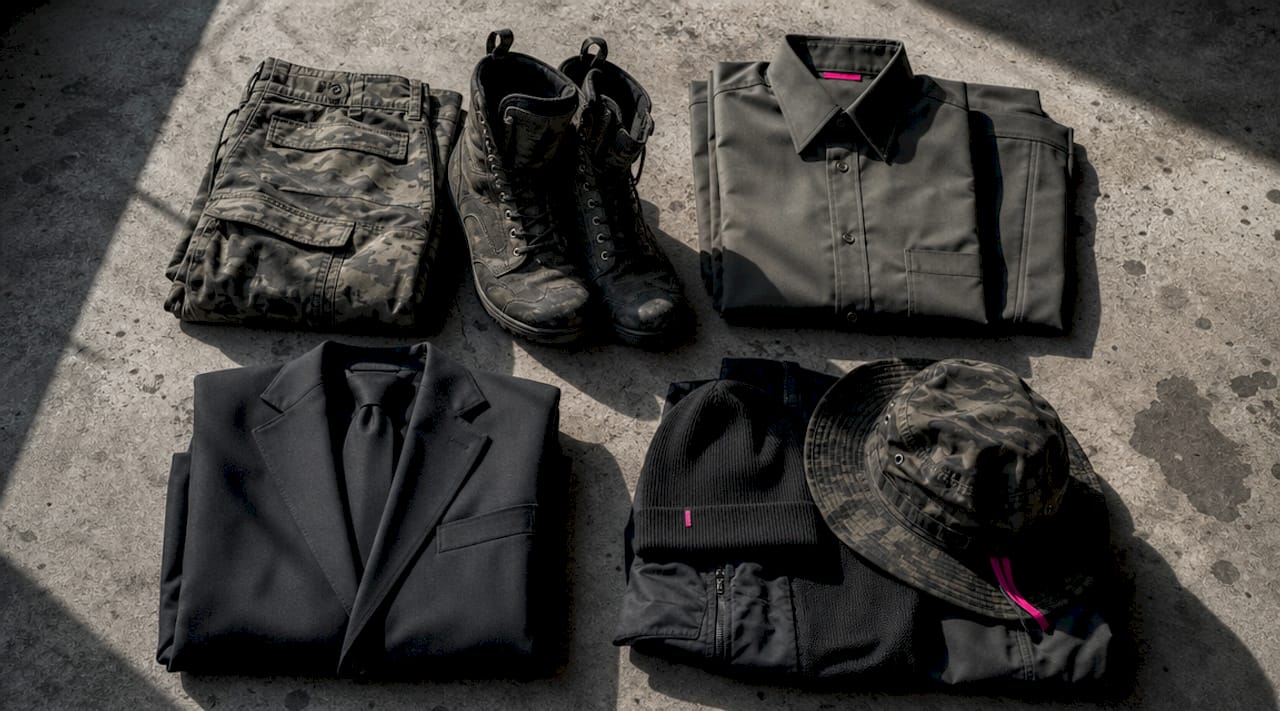
Off-duty military clothing sits closest to the Service tier in spirit, borrowing its structured silhouettes and fabric standards while relaxing the formality. The distinction matters because wearing actual service uniforms off duty carries regulatory weight. The Army Green Service Uniform (AGSU), for example, requires strict maintenance of the “gig line,” which is the vertical alignment of shirt edge, belt buckle, and trouser fly, even when authorized for travel or casual wear. Off-duty apparel inspired by these uniforms carries the aesthetic without the compliance burden.
Key structural features that cross over from service uniforms into off-duty wear include:
- Ripstop fabric construction for tear resistance and shape retention
- Structured collars and plackets that echo service shirt silhouettes
- Muted color palettes including olive drab, khaki, and beige
- Functional pocket placement derived from field utility demands
- Reinforced stitching at stress points like knees and elbows
Understanding these tiers helps you choose pieces that feel authentic rather than theatrical.
1. Bomber jackets
The bomber jacket is the most recognized piece in military casual wear. Its origins trace directly to U.S. Army Air Corps flight gear, and modern versions retain the ribbed cuffs, zip front, and cropped silhouette of the original MA-1 design. Premium technical versions retail between $112 and $196, reflecting the cost of durable outer shells and functional interior pockets. A bomber in olive or slate gray reads as military-inspired without signaling active service, making it the go-to layering piece for veterans moving between civilian environments.
2. Cargo pants and ripstop trousers
Cargo pants remain the backbone of off-duty army uniform style adapted for civilian life. The defining feature is the side cargo pocket, which originated from British Airborne forces in World War II and was adopted broadly for its practical storage capacity. Fabrics like 5mm grid ripstop and cotton satin maintain structure and a crisp appearance far longer than standard civilian cotton, which loses shape after repeated washing. For veterans used to uniform-grade durability, this fabric performance is a non-negotiable standard.
3. CPO-style overshirts
The Chief Petty Officer (CPO) shirt is a heavyweight button-front overshirt with chest pockets and a relaxed, structured fit. CPO shirts and ripstop easy pants remain favored for their versatile mix of outdoor durability and casual comfort. The shirt works as a light jacket over a base layer or as a standalone top. In chocolate chip camo or solid olive, it signals military heritage without crossing into costume territory. Veterans find it bridges the gap between the structured feel of a service shirt and the relaxed cut of civilian casual wear.
4. Utility boots
Footwear is where military fashion styles often fall short in civilian adaptations. Authentic off-duty military gear includes boots built on last shapes derived from combat designs: low-profile ankle boots with Vibram-style soles, speed lacing systems, and full-grain leather or ballistic nylon uppers. Brands like Danner and Belleville produce boots that cross directly from duty use to casual wear without looking tactical. The key distinction from fashion boots is sole construction. Military-derived soles prioritize grip and energy return over aesthetics alone.
5. Boonie hats and tactical beanies
Headwear anchors the military casual look in a way most civilians overlook. The boonie hat, originally issued for jungle operations in Vietnam, has become a streetwear staple in olive, tan, and woodland camo. Its wide brim and ventilation eyelets are functional features, not decorative ones. Tactical beanies in merino wool or acrylic serve the same purpose in colder climates, providing warmth without bulk. Both options keep the color palette consistent with the rest of a military-inspired outfit.
6. Utility shirts and field shirts
The field shirt sits between a service shirt and a casual button-down. It features a button-front placket, two chest pockets with button or velcro closures, and a relaxed fit that accommodates layering. Military-inspired fashion supports movement and utility without over-tactical looks, and the field shirt is the clearest example of that balance. Worn untucked over a plain tee, it functions as a casual overshirt. Tucked in with a belt, it reads closer to a service shirt. That range of use is what makes it a staple in comfortable military attire for daily wear.
7. Military-inspired hoodies and sweatshirts
Hoodies occupy the most casual end of the off-duty military clothing spectrum. Veteran-focused brands produce hoodies with branch insignia, unit references, or mission-specific graphics that carry meaning for the wearer without requiring explanation to civilians. The Stars and Stripes Unisex Hoodie from Warbeardproject is a direct example: a casual garment that communicates veteran identity through design rather than uniform components. Fabric weight matters here. A 12-oz fleece-backed cotton blend holds shape and warmth better than lightweight alternatives common in mass-market hoodies.
8. Graphic tees with veteran themes
The graphic tee is the entry point for military casual wear. It requires no knowledge of uniform regulations and communicates identity through imagery and text. Veteran-owned brands treat the graphic tee as a mission statement. Veteran-owned apparel brands emphasize the “oath never ends” ethos, often pledging proceeds to support veteran nonprofits, which influences purchasing decisions among military customers. The PTSD classic tee from Warbeardproject is one example of a garment that carries both personal meaning and nonprofit purpose in a simple, wearable format.
How to choose off-duty military clothing based on function and fit
Selecting the right pieces requires matching fabric technology to your actual use case. A veteran commuting daily needs ripstop trousers that hold a crease and resist abrasion. A veteran traveling needs a bomber or field shirt that packs flat and resists wrinkles. Functional pocket placement and fabric choices derive from real tactical demands, and that functional DNA is what separates authentic military-inspired apparel from costume imitation.
Fit is the second variable. Military service conditions the body toward structured, fitted silhouettes. Off-duty pieces that run too relaxed can feel foreign. Look for brands that offer athletic or tailored fits in their military casual wear lines, not just standard civilian sizing.
Pro Tip: Layer a CPO overshirt over a plain merino tee and pair with ripstop cargo pants in the same color family. This creates a cohesive, military-inspired look that reads as intentional rather than assembled from separate trends.
Care instructions also matter. Ripstop and cotton satin fabrics require cold-water washing and line drying to preserve their structure. Machine drying at high heat degrades the weave integrity that makes these fabrics worth the premium price.
How off-duty military clothing compares to civilian casual wear
The core difference between military casual wear and standard civilian clothing is purpose-driven construction. Military-derived garments are built around movement, durability, and utility. Civilian casual wear prioritizes aesthetics and cost efficiency.
| Feature | Military casual wear | Civilian casual wear |
|---|---|---|
| Fabric durability | Ripstop, cotton satin, ballistic nylon | Standard cotton, polyester blends |
| Pocket design | Functional, placed for access during movement | Decorative or minimal |
| Color palette | Olive, khaki, beige, muted earth tones | Full spectrum, trend-driven |
| Fit structure | Tailored for layering and mobility | Relaxed, fashion-forward |
| Regulatory context | Governed by uniform codes even post-service | No regulatory constraints |
Post-service uniform regulations continue to govern appearance and authorized wear in specific circumstances for veterans. This means that wearing actual legacy uniforms off duty requires maintaining insignia, hair, and appearance standards. Off-duty military-inspired apparel sidesteps these requirements entirely while preserving the visual identity veterans carry with them.
Key takeaways
Off-duty military clothing works best when it combines authentic fabric technology, functional construction, and veteran-aligned brand values rather than treating military aesthetics as decoration.
| Point | Details |
|---|---|
| Four uniform tiers define context | Combat, Service, Dress, and Specialty uniforms each have distinct roles; off-duty wear adapts Service-tier aesthetics for civilian use. |
| Fabric technology is non-negotiable | Ripstop and cotton satin outperform standard civilian fabrics in durability and shape retention over time. |
| Functional design beats costume design | Authentic off-duty pieces prioritize pocket placement and movement support, not just military-inspired visual cues. |
| Veteran-owned brands carry mission value | Brands pledging proceeds to veteran nonprofits offer purchases with purpose beyond the garment itself. |
| Regulations still apply to actual uniforms | Veterans wearing legacy service uniforms off duty must maintain appearance and insignia standards per continuing regulations. |
What I’ve learned about dressing off duty after service
The transition out of uniform is more disorienting than most people expect. For years, your clothing was decided for you. Every morning was the same. Then suddenly you’re standing in a store trying to figure out what you actually wear when no one is telling you.
What I’ve found is that the veterans who adapt best don’t abandon the structure. They translate it. A well-fitted field shirt and ripstop trousers in olive carry the same discipline as a service uniform without the regulatory weight. The garments communicate something about how you carry yourself, and that matters.
The mistake I see most often is going too far in one direction. Either veterans over-militarize their civilian wardrobe and end up looking like they’re still on duty, or they swing completely the other way and lose the identity that service built. Neither extreme serves you well.
The “oath never ends” framing that veteran-owned brands use isn’t marketing language. It reflects a real psychological reality. Your service shaped how you move, how you think, and how you want to present yourself. Off-duty clothing that honors that without mimicking a uniform is the right balance. Supporting brands that share those values and give back to the veteran community is a practical extension of the same ethos.
— Ian
Gear up with Warbeardproject’s veteran-built collection
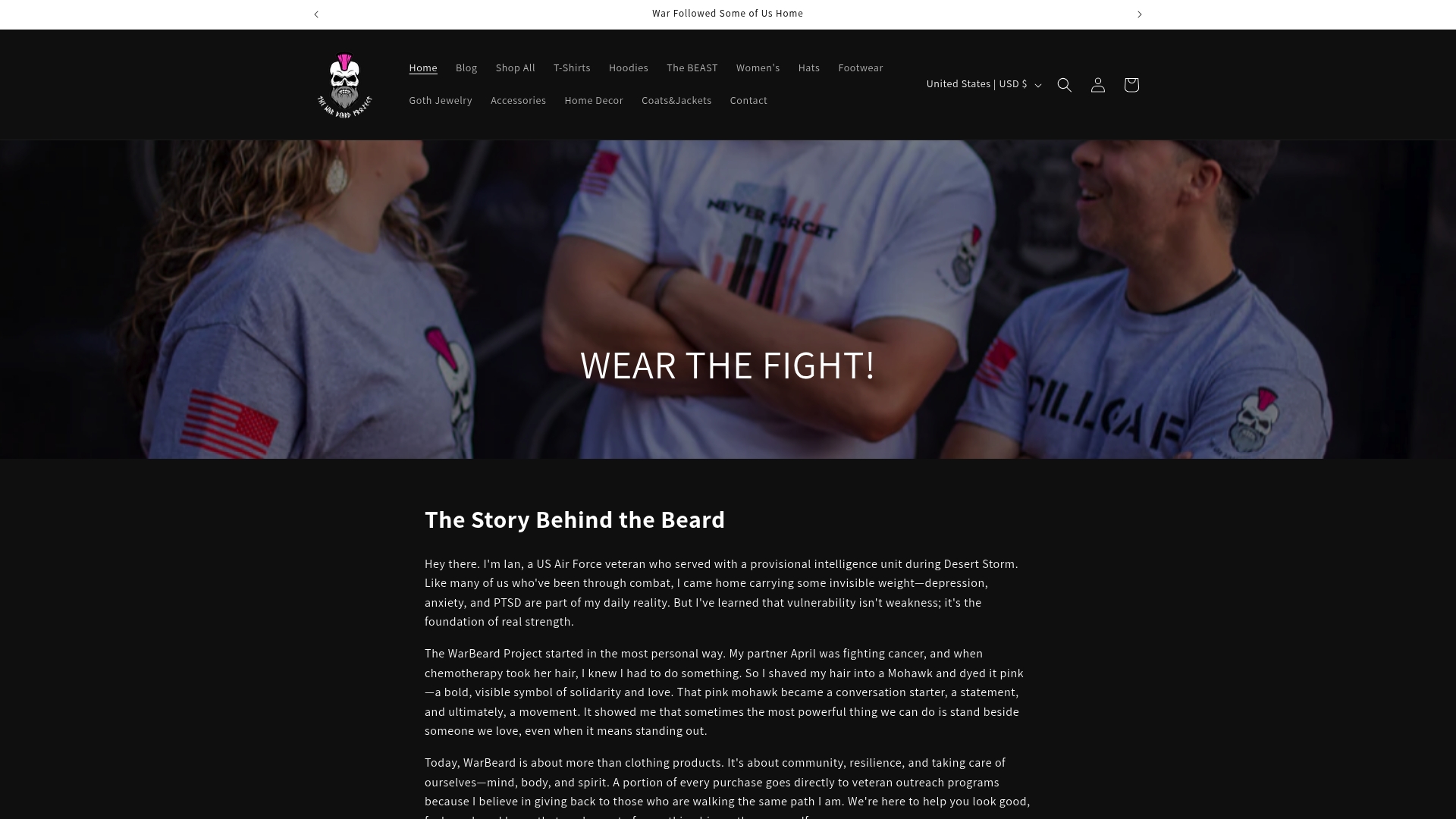
Warbeardproject builds apparel specifically for veterans and military enthusiasts who want clothing that carries meaning without requiring explanation. The collection includes graphic tees, hoodies, and outerwear designed around veteran identity and backed by nonprofit support. The Vietnam Classic Tee and the OG Logo Denim Sherpa Jacket are two pieces that blend military heritage with everyday wearability. Every purchase from Warbeardproject supports veteran causes directly. If you’re building an off-duty wardrobe that reflects your service without replicating a uniform, this is the right starting point.
FAQ
What counts as off-duty military clothing?
Off-duty military clothing is casual apparel inspired by military uniform design, including bombers, cargo pants, field shirts, and graphic tees, worn outside of official duty without constituting a regulated service uniform.
Can veterans wear their service uniforms off duty?
Veterans may wear legacy service uniforms in specific authorized circumstances, but continuing regulations require maintaining insignia, appearance, and grooming standards to preserve uniform dignity.
What fabrics are best for military-inspired casual wear?
Ripstop fabric and cotton satin are the top choices. Both maintain structure and shape longer than standard civilian cotton or polyester blends, which degrade after repeated washing.
Where can I buy authentic off-duty military clothing?
Veteran-owned brands like Warbeardproject offer apparel built around military heritage and veteran values, with proceeds supporting nonprofit veteran organizations. Premium streetwear brands also produce technical outerwear in the $100 to $200 range.
How is military casual wear different from tactical clothing?
Military casual wear adapts military aesthetics for everyday civilian use with relaxed fits and lifestyle fabrics. Tactical clothing is purpose-built for operational use, featuring load-bearing capacity, ballistic resistance, and field-specific construction not suited to daily wear.