

21–24 in: Measure Hat Size Right and Match Warbeard Styles
Wrap a soft tape around your head about half an inch above your eyebrows and ears, at the widest point of your skull, and record the number in inches and centimeters. That figure is your head circumference, the only measurement that matters for hat sizing. Match it to a standard conversion chart, and if you land between two sizes, round up.
TL;DR:
- Most adults measure between 21 and 24 inches, and sizing should be rounded up if the measurement falls between standard sizes for a better fit.
- Fitted hats require exact sizing, while adjustable styles like snapbacks and strapbacks can accommodate a range and are more forgiving of minor measurement inaccuracies.
- Accurate measurement depends on wrapping the tape snugly around the head, including styling hair as it will be worn under the hat, and measuring twice for consistency.
- A 23-inch head generally fits a US size 7 1/4 to 7 3/8, with larger sizes like 7 1/2 or 7 5/8 suited for bigger heads, but fit can differ slightly by hat style.
- For best results, always match your measurement to the specific brand’s size chart and opt to size up if you’re between options to ensure comfort.
Table of Contents
- How to Measure Your Hat Size Step by Step
- Hat Size Conversion Chart: Inches, Centimeters, and US Sizes
- Does Sizing Change by Hat Style?
- Fixing Common Hat Sizing Mistakes
- What Warbeard Project Gets Right About Fit
- Which Warbeard Hat Fits Your Measurement
- Sources
- FAQ
How to Measure Your Hat Size Step by Step
You need three things: a soft tailor’s tape measure (a cloth or vinyl one, not a rigid metal tape), a mirror or a second pair of hands, and something to write the number on. If you don’t own a tailor’s tape, a piece of string and a ruler works just as well.
Here’s the process:
- Stand in front of a mirror or have someone help you.
- Wrap the tape around your head roughly half an inch to one inch above your eyebrows, keeping it level across the back and above your ears at the widest part of your skull.
- Pull the tape snug but not tight. You want it to sit firmly without leaving marks or compressing your hair. A good check: you should be able to slide one finger under the tape without much resistance.
- Read the number where the tape overlaps, and write it down in both inches and centimeters.
- Measure a second time to confirm. If the two readings don’t match, take a third and go with whichever number came up twice.
If you’re using string instead of a tape, wrap it around your head the same way, mark or pinch where it meets, then lay it flat against a ruler to get your measurement. Nike’s own sizing instructions place the tape about an inch above the eyebrows and slightly above the ears, which lines up closely with the method above, though brand charts can shift by a fraction of an inch, so always double check against the specific maker’s chart before buying.
Pro Tip: Measure with your hair the way you’ll actually wear it under the hat. If you usually wear it down but plan to tuck it up under a cap, measure both ways and use the larger number.
Hat Size Conversion Chart: Inches, Centimeters, and US Sizes
Once you have your circumference, matching it to a size is mostly a lookup exercise. Standard conversion charts map inches and centimeters to US fitted sizes, and most adult heads land somewhere between 21 and 24 inches.
| Inches | Centimeters | US Fitted Size | S/M/L Label |
|---|---|---|---|
| 20.5 | 52 | 6 5/8 | XS |
| 21.25 | 54 | 6 3/4 | Small |
| 22 | 56 | 7 | Small/Medium |
| 22.375 | 57 | 7 1/8 | Medium |
| 22.75 | 58 | 7 1/4 | Medium/Large |
| 23.5 | 60 | 7 1/2 | Large |
| 24 | 61 | 7 5/8 | Large/XL |
| 25.5 | 65 | 7 7/8 | XXL |
Most one-size beanies and adjustable hats are built to fit somewhere between 21.25 and 24 inches (54 to 61 cm), which covers a wide majority of adult heads without needing an exact number.
If your measurement lands between listed sizes, it is generally recommended to round up, as fitted caps are often sized in small increments. A slightly larger hat is easier to adjust than a tight one. Hatters and sizing guides alike point out that a slightly large hat is easy to fix with a padding insert, while a tight one has almost no give.
Does Sizing Change by Hat Style?
Your circumference is the starting point, but how you apply it depends heavily on the hat’s construction. Fitted caps, snapbacks, beanies, and structured hats all treat that number differently.
- Fitted caps: Use your exact converted size. These are built to one specific circumference, so if you’re between sizes, size up rather than down.
- Snapbacks and strapbacks: These use an adjustable strap across a range, so aim for the middle of the size range. A snapback built for 21 to 24 inches will comfortably fit most people who measure anywhere near the center of that band.
- Stretch-fit and beanies: Because the fabric gives, pick your actual circumference or the midpoint of the listed range. Most one-size beanies stretch to accommodate roughly 54 to 61 cm.
- Structured hats like cowboy hats or fedoras: These rely on crown depth as much as circumference, so a slightly loose fit is more forgiving than a tight one. Consider sizing up half a size if your hair sits thick under the brim.
Pro Tip: Always measure the way you’ll actually wear the hat. If you’re buying a structured hat for a specific event where your hairstyle will differ from your everyday look, measure that day’s style, not your usual one.
Fixing Common Hat Sizing Mistakes
Most sizing complaints trace back to a handful of avoidable errors.
- Landing between sizes: Round up and use a foam sizing strip or sweatband insert to snug up the fit rather than forcing a smaller size.
- Thick hair or a bun changes the fit: Measure with your hair styled the way you’ll wear it under the hat, and add half an inch to a full inch if you typically wear it up.
- Hat feels loose: Try an adjustable strap, a hat sizer, or a sweatband insert before assuming the size is wrong.
- Hat feels tight: Don’t try to stretch a rigid or structured hat. Move up a size or try a different style with more give.
- Skipping the second measurement: A one-time reading can be off by a quarter inch or more from tape tension alone, which is why measuring twice and averaging matters more than most people assume.
Adults rarely need to remeasure once they have an accurate baseline. Head circumference stays stable outside of major weight changes, so one careful measurement should serve you across brands for years.
What Warbeard Project Gets Right About Fit
Sizing charts only work if the person reading them trusts the source, and that trust matters more in this niche than most. Warbeard Project builds its hats, including the snapback, for a community that doesn’t have patience for vague sizing copy or guesswork. The brand’s own Veteran Apparel Sizing Guide reflects that same standard: measure once, measure right, and size accordingly. That approach, paired with real customer fit feedback as it comes in, is what keeps a veteran-owned brand’s sizing honest instead of aspirational.
— Ian
Which Warbeard Hat Fits Your Measurement
Once you’ve got your number, matching it to the right style is simple. This brand positions itself as an alternative to generic mass-market hat brands, emphasizing the importance of getting the right fit on the first try.
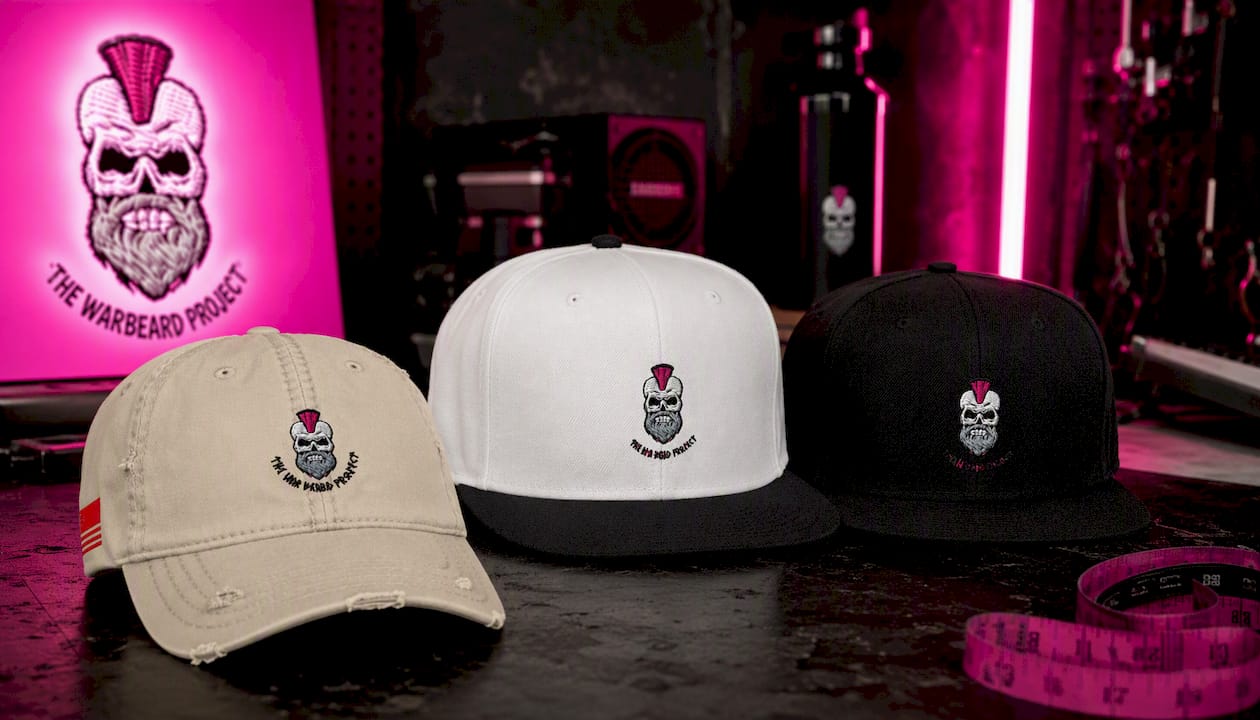
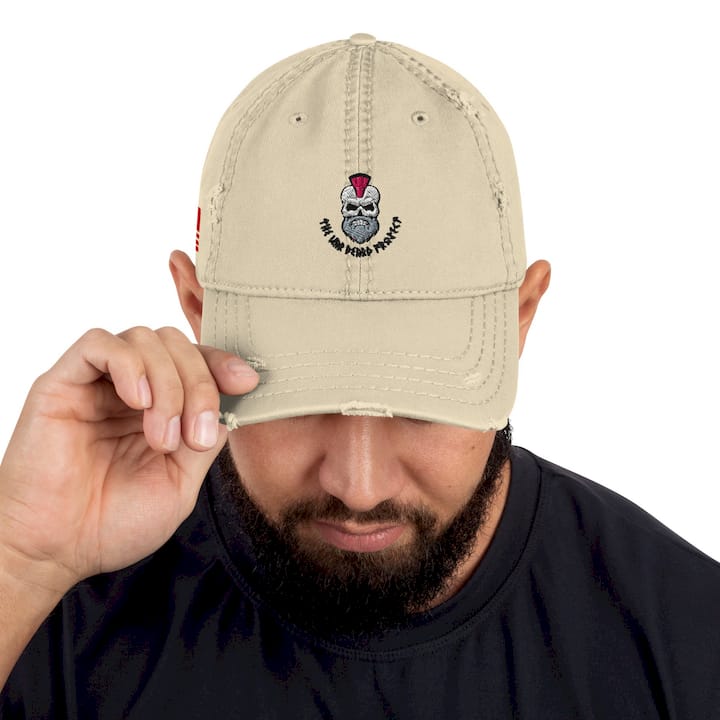
The OG Logo Distressed Dad Hat uses an adjustable strap, so it’s forgiving if your measurement falls between two sizes; aim for the middle of its range. The Snapback Hat works the same way and suits anyone who wants a structured crown with adjustable comfort. A second Snapback Hat option gives you a different logo or colorway on the same adjustable build.
On any Warbeard product page, pick your size from the dropdown menu using the number you just measured, or check the size chart linked on that page if the style runs differently than expected. If you’re not sure where to start, browse the full collections page for the complete hat lineup and other veteran-themed gear. A portion of every purchase is donated to veteran outreach and mental health programs, making accurate sizing beneficial for customers and the supported community.
Sources
These sources back the measurement method and conversion figures above: Real Simple for measurement placement and technique, Tailor Size Guide for circumference-to-size conversion, Nike’s sizing guide for brand-chart comparison, and Lock Hatters for the round-up rule. For conversion methodology outside hats, Doll House’s swimwear size guide illustrates the same principle applied to a different category.
- How to Measure Your Head for a Hat (All Brands, All Styles)
- How to Measure Your Head to Find Your Hat Size
- Hat Sizing
FAQ
How do I measure my hat size at home?
Wrap a soft tape measure around your head about half an inch above your eyebrows and ears, at the widest point, keeping it snug but not tight. Record the number in inches and centimeters, then check it against a standard conversion chart.
What hat size is a 23-inch head?
A 23-inch head circumference typically falls between a US fitted size 7 1/4 and 7 3/8, which sits in the medium to large range depending on the brand.
What hat size is 7 inches?
A US hat size of 7 doesn’t refer to a 7-inch measurement. It corresponds to a head circumference of about 22 inches (56 cm), based on standard fitted-hat conversion charts.
Is a 7 1/4 hat size considered medium?
Yes, a 7 1/4 fitted size generally falls in the medium to large range, corresponding to roughly 22.75 inches (58 cm) of head circumference on most standard charts.