

Army Fashion for Veterans: Style, Respect, and Mission
Army fashion combines functional military design with civilian style. For veterans and military supporters, the priority order is clear: buy pieces with authentic construction first, avoid wearing current-service rank insignia in civilian contexts, and shop from mission-driven brands like Warbeardproject that direct a portion of proceeds to veteran support programs.
Start here:
- Buy first: A field jacket or graphic tee from a veteran-owned brand gives you a solid foundation without uniform-regulation concerns.
- Avoid: Wearing current-rank insignia or official service patches in civilian settings — this risks misrepresenting active service.
- Immediate shopping tip: Verify that a brand publicly states its donation percentage before checkout. Vague “we give back” language is a red flag.
Table of Contents
- Where did army fashion actually come from?
- Essential pieces veterans and supporters can wear with confidence
- What fabrics and construction features actually hold up?
- How to wear military-inspired clothing without misrepresenting service
- A buying checklist for veteran-themed apparel
- Where to buy veteran-themed apparel in the U.S.
- Key Takeaways
- Why this guidance matters more than most style articles acknowledge
- Warbeardproject: veteran apparel built with a clear mission
- Useful sources for deeper research
Where did army fashion actually come from?
The U.S. Army documents that the Eisenhower jacket, field jackets, parkas, aviator sunglasses, and combat boots all originated in military design before crossing into civilian wardrobes. The Eisenhower jacket, cut short at the waist for mobility in WWII, became a postwar style staple. Field jackets from the Korean and Vietnam eras followed the same path, adopted by civilians for their utility pockets and durable shells.
The crossover accelerated through the 1970s and 1980s. Declassified U.S. Army photos from that period, produced with catalog-quality lighting and composition, read like fashion lookbooks and directly influenced workwear and streetwear aesthetics. The Kunsthal’s Fashion Army exhibition traced this lineage through numerous documentary images from the Natick Soldier Systems Center archive, showing how prototype gear shaped runway and street trends alike.
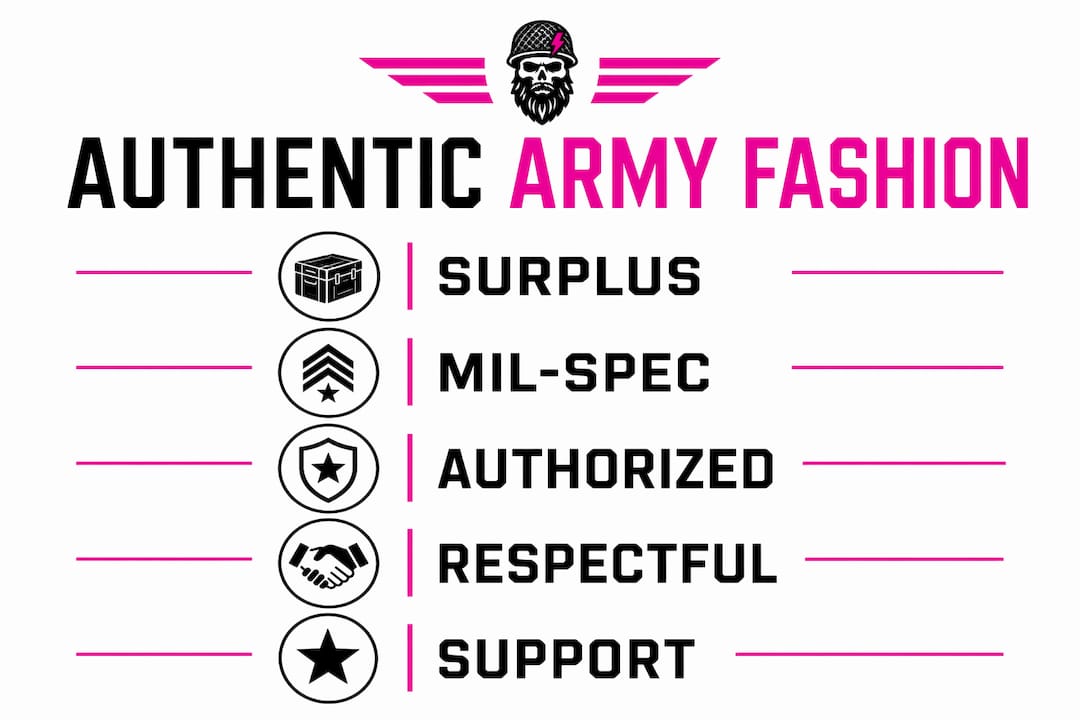
Three terms come up constantly when shopping: surplus refers to genuine decommissioned military stock; mil-spec means the item was manufactured to official military specifications; and military-inspired or tactical describes civilian apparel that borrows the aesthetic or some functional features without meeting those specifications. Knowing which category you are buying matters for both fit and longevity.
Essential pieces veterans and supporters can wear with confidence
The core wardrobe for military-inspired style is shorter than most guides suggest. Six pieces cover most occasions:
- Field jacket (M-65 or OCP-inspired): The most versatile outer layer. Signals service heritage without uniform-regulation issues.
- Cargo trousers: Functional pocket placement, durable fabric. Pair with a plain tee for a clean off-duty look.
- Graphic tees with veteran messaging: Unit pride, branch identity, or mission-support graphics. Warbeardproject’s military tradition in apparel collection covers this category directly.
- Combat boots: Leather or synthetic, they anchor any outfit and hold up to daily wear.
- Aviator sunglasses: The one accessory with direct Army lineage that requires zero etiquette navigation.
- Branch or veteran-specific hat: A low-profile cap with branch insignia or a “Veteran” tab reads clearly without impersonating active service.
For outfit combinations, three scenarios cover most situations. Casual: cargo trousers, a veteran graphic tee, and clean combat boots. Smart-casual: dark chinos, a fitted field jacket over a plain henley, and leather boots. Ceremony-adjacent: a pressed field jacket, neutral trousers, and a branch hat with no rank insignia attached.
Pro Tip: Layer a moisture-wicking base layer under a vintage surplus shell. The surplus piece gives you the authentic silhouette and construction; the technical underlayer handles sweat management that older fabrics were never designed for.
For women, army clothing for women follows the same principles: fit matters more than size on the tag, and OCP-pattern pieces sized for female frames are widely available in both surplus and mission-driven retail.
What fabrics and construction features actually hold up?
Mil-spec construction uses felled seams, reinforced stress points, and ripstop fabrics built for extreme utility. That durability comes with a tradeoff: the drape and initial comfort differ noticeably from fashion reissues. Expect stiffness in ripstop nylon until it breaks in.
| Feature | What to look for | Why it matters |
|---|---|---|
| Ripstop weave | Grid pattern visible in fabric | Prevents tears from spreading |
| Felled seams | Seam folded and stitched flat | Reduces chafing, adds structural strength |
| Water-resistant coating | DWR finish on outer shell | Keeps you dry in light rain without bulk |
| Sweat-wicking liner | Polyester or nylon mesh interior | Manages moisture during active wear |
| Two-way zipper | Zipper opens from top or bottom | Practical for layering and seated wear |
The migration of military technical fabrics into everyday activewear accelerated as brands adapted sweat-wicking, lightweight synthetics originally developed for field use. For veterans choosing tactical wear for men or women, that same performance standard now applies to casual activewear.
Care guidance: Machine wash ripstop and nylon shells in cold water, turn inside out, and air dry. Reproofing a DWR-coated jacket takes one wash cycle with a product like Nikwax TX.Direct. For cotton-nylon blends (50/50 NYCO), tumble dry low to restore shape. Repair fraying seams with a seam ripper and a flat-felled stitch before the damage spreads.
How to wear military-inspired clothing without misrepresenting service
Army Regulation 670-1 governs authorized uniform wear and insignia use. Civilians and veterans in civilian status are not authorized to wear current-service rank insignia in ways that could be mistaken for active-duty credentials.
Acceptable uses include veteran-owned commemorative patches, branch-themed apparel without rank, and unit-pride graphics that clearly identify the wearer as a veteran rather than active duty. Unacceptable: attaching current-service rank to a field jacket, wearing a full-service uniform to a civilian event without authorization, or using official patches to imply active credentials.
If someone asks about your apparel, a direct response works: “I’m a veteran — this is a tribute piece, not a service uniform.” That one sentence covers the intent without over-explaining. For supporters who are not veterans, military appreciation clothing that avoids rank insignia entirely is the clearest path.
A buying checklist for veteran-themed apparel
Use this before checkout:
- Fit: Does the size chart match your measurements, not just a generic S/M/L? Check shoulder seam placement specifically.
- Construction: Are seams felled or overlocked? Felled seams indicate higher build quality.
- Material: Is the fabric identified by composition (e.g., 50% nylon / 50% cotton)? Vague “premium fabric” language is a warning sign.
- Authenticity vs. fashion: Is this mil-spec surplus, a licensed reproduction, or a fashion reissue? Each has a different price-to-durability ratio.
- Mission alignment: Does the brand state a specific donation percentage, name the recipient organization, and provide verifiable proof? “We support veterans” with no specifics is insufficient.
- Red flags: Misstated vintage claims (“genuine WWII surplus” at $29), no return policy, and no customer reviews are all reasons to stop.
For veteran nonprofit apparel partnerships, look for brands that name the organization, state the percentage, and link to the partner’s page. Brands that communicate mission through brand identity media tend to be more transparent about how donation dollars are used.
Where to buy veteran-themed apparel in the U.S.
Prioritize veteran-owned or mission-driven brands over general retailers. The key verification steps: confirm the donation percentage is stated explicitly, check that product pages list fabric composition and construction details, and read customer reviews for fit accuracy.
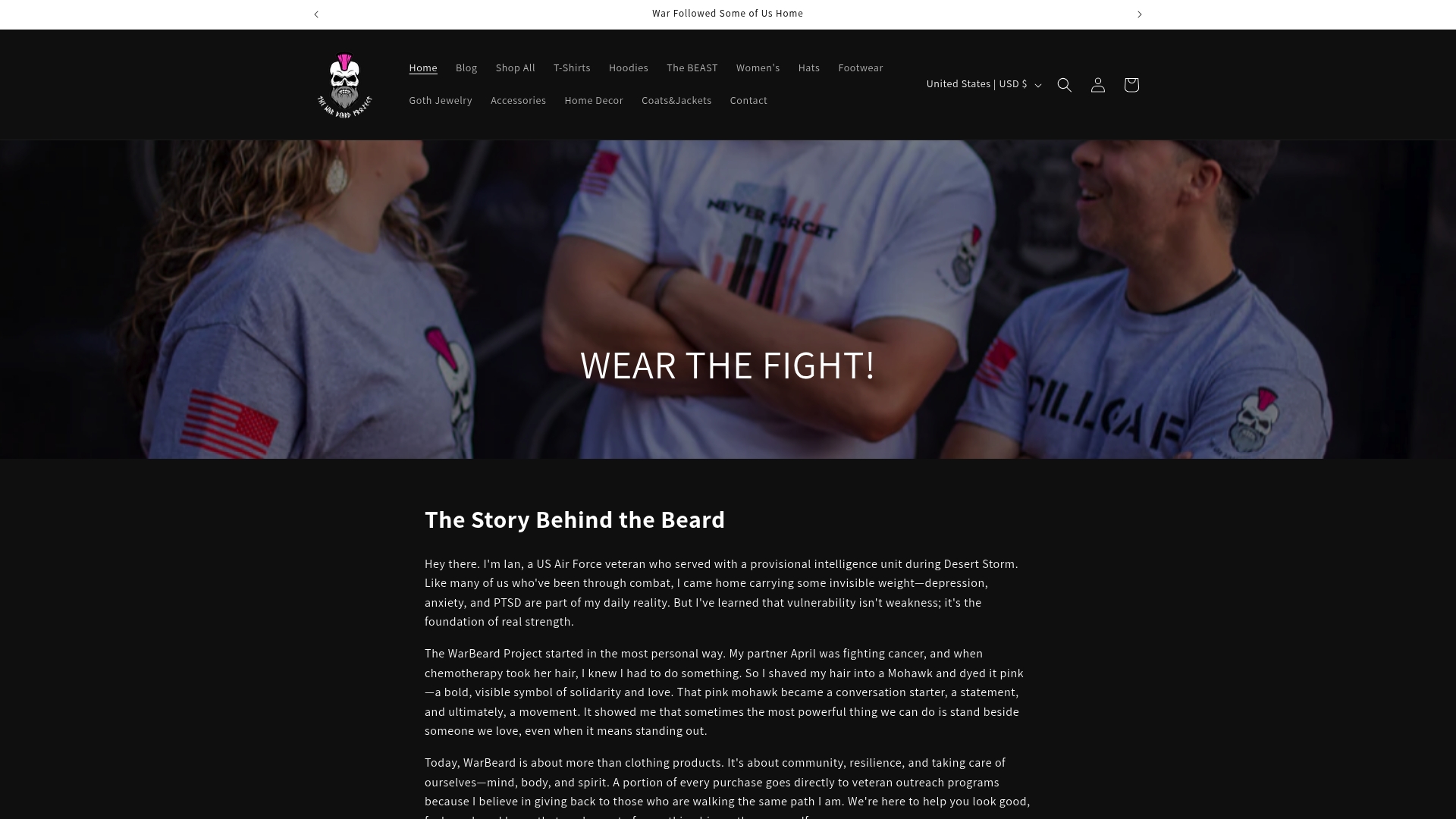
Warbeardproject is a direct-to-consumer veteran lifestyle apparel brand built specifically for this audience. Its military branch apparel collections cover t-shirts, hoodies, hats, activewear, women’s wear, and accessories, with mission-driven collection themes including mental health advocacy and veteran solidarity. A percentage of each sale goes to veteran outreach organizations. The brand’s blog resources, including sizing guides and off-duty clothing guides, give buyers the context to make informed decisions before purchase.
Key Takeaways
Army fashion done right means authentic construction, respectful insignia use, and purchases that actively support veteran causes.
| Point | Details |
|---|---|
| Authentic construction first | Look for ripstop fabric, felled seams, and stated fabric composition before buying. |
| Insignia etiquette is non-negotiable | Avoid current-service rank in civilian wear; veteran-specific patches and branch graphics are appropriate. |
| Mission alignment requires specifics | Confirm the donation percentage and named recipient organization before checkout. |
| Layering extends performance | Pair vintage surplus shells with moisture-wicking base layers for comfort without sacrificing authenticity. |
| Warbeardproject as a starting point | Use Warbeardproject’s sizing guides and mission-driven collections to make verified, veteran-focused purchases. |
Why this guidance matters more than most style articles acknowledge
Most army fashion content treats military clothing as purely aesthetic. That framing misses the point for veterans and supporters. The garments carry real history, and wearing them without understanding that history creates avoidable friction — with other veterans, with active-duty personnel, and with the public.
The more useful frame is functional respect: understand what a piece is, where it came from, and what it signals before you wear it. That applies equally to a $15 surplus field jacket and a $90 mission-driven hoodie. The construction tells you what the garment was built for. The insignia tells you what it represents. Getting both right is not complicated, but it does require paying attention to details that most style guides skip entirely.
Warbeardproject’s content resources exist precisely to close that gap — not just to sell apparel, but to give the military community the context to wear it correctly.
Warbeardproject: veteran apparel built with a clear mission
Warbeardproject offers a direct path to mission-aligned military style clothing without the guesswork of vetting general retailers. The product range covers activewear, graphic tees, hoodies, hats, and accessories, all designed for veterans and military supporters. Every collection carries a mission signal: a percentage of proceeds goes to veteran outreach programs, with the recipient organizations identified on the site.
The New Logo Yoga Leggings are a strong starting point for women’s activewear that carries the brand’s veteran identity without sacrificing performance fabric standards. Sizing guides and product detail pages are available on-site. Visit Warbeardproject to browse the full collection and confirm the current donation details before you buy.
Useful sources for deeper research
- U.S. Army: Army’s Impact on Fashion — Primary source tracing the Eisenhower jacket, field jackets, parkas, aviators, and combat boots from military origin to civilian adoption.
- U.S. Army Uniforms and Grooming Guide (AR 670-1) — Official regulation governing authorized uniform wear, insignia use, and grooming standards.
- Kunsthal: Fashion Army Exhibition — Documents 350 images from the Natick Soldier Systems Center archive showing how military prototypes influenced civilian fashion.
- Warbeardproject: Military Tradition in Apparel — Publisher’s editorial resource on the roots of army-inspired apparel and its relevance for veterans.
- Declassified Army Photos (Yahoo Lifestyle) — Reporting on 1970s–1980s Army photos that mirror fashion lookbook production and influenced streetwear aesthetics.