

Military Appreciation Week Clothing Ideas: Respectful Outfits
Wear tidy, civilian clothing in patriotic or military-inspired colors — navy, red, white, or olive — and pair it with one small tribute accessory such as a flag lapel pin or branch-themed cap. Do not wear official uniforms, service medals, rank insignia, or ribbons unless you are authorized to do so. That is the complete protocol in two sentences.
High-impact starting points:
- A navy or red polo with neutral chinos and a flag lapel pin
- A veteran-themed graphic tee anchored with dark jeans and clean sneakers
- A branch-tone jacket over a white shirt with simple loafers
- A tasteful embroidered cap in olive or navy with a solid-color outfit
Pro Tip: Pick one hero piece — a quality graphic tee, a branch-colored jacket, or a veteran-themed cap — and build the rest of the outfit in neutral basics. One clear tribute reads as respectful; three competing ones read as costume.
Table of Contents
- What should you wear to each type of Military Appreciation Week event?
- How do patriotic colors and symbols work — and what should you avoid?
- Concrete outfit combos for men, women, veterans, and kids
- Accessories and personalization: what works and what crosses the line
- Where to buy respectful military appreciation apparel
- Uniform protocol, stolen valor, and what the law says
- Key Takeaways
- The case for restraint in patriotic dressing
- Warbeardproject apparel for Military Appreciation Week
- Useful sources and further reading
What should you wear to each type of Military Appreciation Week event?
The setting determines the appropriate level of formality and the right fabric choices. Getting this right is straightforward once you map the event type.
Parades and outdoor events call for comfort first. Choose breathable cotton or linen for daytime heat, add a light layer for early morning or evening, and wear supportive closed-toe shoes if you plan to stand for extended periods. A patriotic cap or a single pin keeps the tribute visible without adding bulk.
Formal ceremonies and memorial services require a more conservative approach. A blazer, dress, or polo with chinos is appropriate. Minimize loud graphics entirely. Solid navy, white, or red in clean, pressed pieces communicates respect without distraction. This is not the setting for novelty prints or oversized logos.

Volunteer activities and service projects are practical environments. Wear a durable polo or tee in a patriotic color, closed-toe shoes, and washable fabrics. You may be moving equipment, setting up chairs, or working outdoors, so prioritize function. A small pin or embroidered patch on the chest pocket is enough.
Casual family gatherings allow the most flexibility. Elevated casual works well: clean jeans or chinos, a veteran-themed tee or branch-colored shirt, and tidy sneakers or loafers. This is the setting where a quality graphic hoodie or a branch-logo cap fits naturally.
For weather, cotton and linen blends handle warm-weather events well. Wool-blend layers work for cooler ceremonies. Military Appreciation Week spans May, which means morning temperatures can differ significantly from afternoon highs, so a packable layer is a practical addition to any outdoor look.
How do patriotic colors and symbols work — and what should you avoid?
Recommended colors for military appreciation observances are navy blue, red, white, and military-inspired tones such as olive drab. Branch colors — Army green, Air Force blue, Marine scarlet, Coast Guard orange — are also appropriate when used in civilian garments.
The key distinction is between a respectful tribute and an imitation uniform. A navy jacket with a small embroidered flag on the sleeve is a tribute. A jacket covered in sewn-on rank patches, unit crests, and combat badges is an imitation. The American flag in veteran apparel works best as a small, deliberate design element — a chest embroidery, a lapel pin, or a subtle sleeve detail — rather than an all-over print.
Avoid these specific items:
- Full-face flag costumes or novelty flag swimwear at public ceremonies
- Imitation dress uniforms or camouflage worn as a costume
- Unauthorized medals, ribbons, or rank devices
- Excessive tactical patches that imply active service
Pro Tip: Treat the patriotic palette as a spectrum. Use one or two main colors and introduce the third as an accent. Navy trousers, a white shirt, and a red pin is a complete, tasteful look. Navy trousers, a red-and-white striped shirt, and a blue cap with a flag patch is already pushing toward costume territory.
Stylists consistently recommend this tiered approach to patriotic dressing — understated, balanced, or full color — so you can match the outfit’s intensity to the event’s tone. A memorial service warrants understated. A community parade allows balanced. A backyard family gathering can handle full color.
Concrete outfit combos for men, women, veterans, and kids
These are copyable looks organized by attendee type. Each combo follows the same structure: one main garment, one neutral anchor, one tribute accessory, and footwear.
Men
- Parade casual: Red graphic veteran tee + dark jeans + flag lapel pin + white leather sneakers
- Ceremony smart-casual: Navy polo + khaki chinos + American flag pin on collar + clean leather loafers
- Volunteer-ready: Olive or navy polo + dark cargo pants + branch-logo cap + closed-toe work shoes
- Elevated family brunch: White linen shirt + navy chinos + subtle embroidered patch on chest pocket + tan suede loafers
- Outdoor event: Branch-colored lightweight jacket + white tee + neutral shorts + supportive trail sneakers
Women
- Comfortable parade look: Patriotic graphic tee tied at the waist + high-waisted white shorts + flag pin + white sneakers
- Dressier ceremony outfit: Navy midi dress + simple gold jewelry + small flag lapel pin + nude block-heel sandals
- Casual volunteer outfit: Red or navy polo + dark jeans + branch-themed cap + closed-toe flats
- Family gathering: White linen blouse + red chino shorts + veteran-support pin + tan espadrilles
- Elevated casual: Olive utility jacket over a white tee + navy trousers + small embroidered cap
Veterans and uniformed attendees
Veterans attending civilian events have two clear options. Civilian dress in patriotic colors is always appropriate and avoids any ambiguity about rank or current status. Service dress or dress uniform is appropriate when the event specifically calls for it and when the veteran is authorized to wear it. Follow your branch’s regulations on wearing the uniform after separation. When in doubt, a quality civilian outfit with a subtle branch nod — an embroidered cap or a branch-color polo — communicates service without protocol risk. For more on choosing apparel for military events, Warbeardproject covers the specifics in detail.
Kids
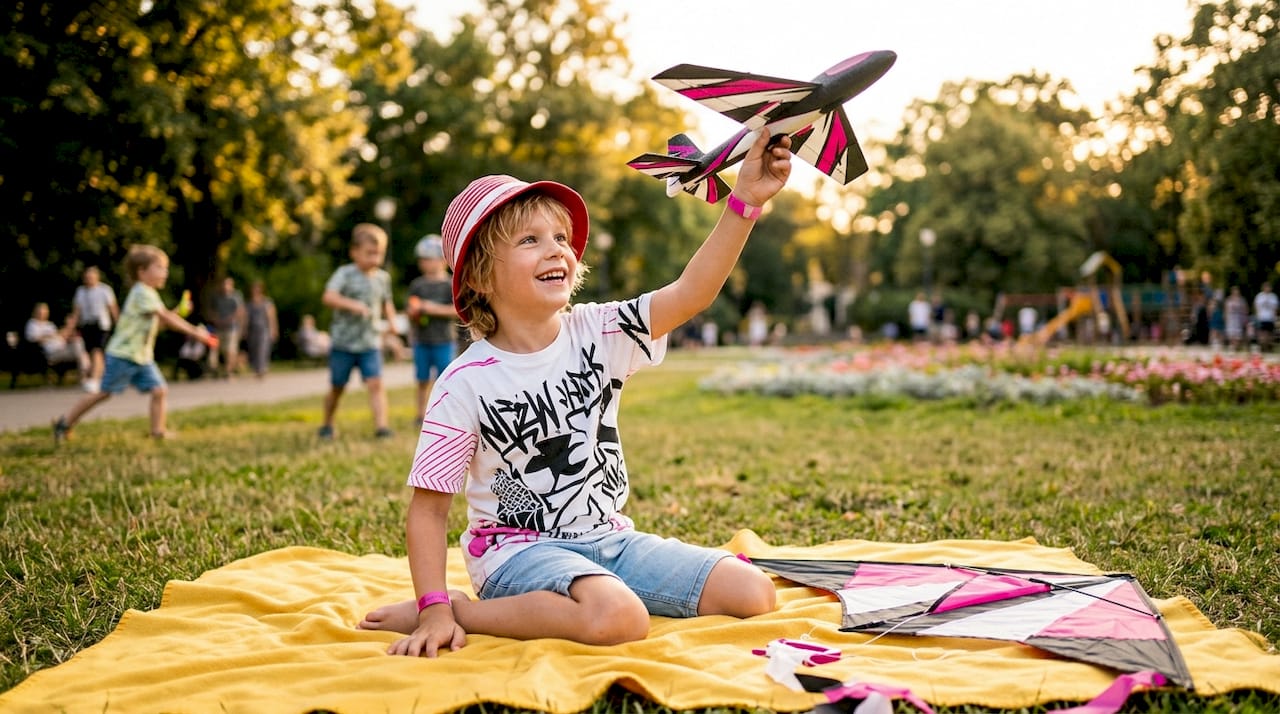
Keep children’s looks comfortable, sun-safe, and age-appropriate. A red or navy tee with neutral shorts, a patriotic cap with a wide brim for sun protection, and supportive sneakers covers every outdoor event. Avoid pinning sharp accessories to young children’s clothing. A printed tee with a flag motif or a branch-color hoodie is sufficient and safe.
Accessories and personalization: what works and what crosses the line
Small accessories carry more weight than large logos. A flag lapel pin, a patch, or a family heirloom communicates gratitude more clearly than an oversized branded print. The principle is specificity: a pin that names a specific branch or a cap embroidered with a service year tells a story. A generic camo print tells nothing.
Accessories that work:
- Flag lapel pins and veteran-support pins on jacket lapels or shirt collars
- Subtle branch-colored caps with small embroidered logos
- Embroidered initials or service years on civilian jackets
- Family heirloom watches or jewelry with service significance
- Cloth morale patches on civilian jackets or bags
What to avoid:
- Actual rank insignia, service medals, or ribbons on civilian clothing
- Items that simulate official awards or decorations
- Sewn-on combat patches that imply active or recent service
- Tactical gear worn as fashion (plate carrier vests, full kit) at public ceremonies
For custom tees and hoodies, use respectful wording. Phrases that honor service — a branch name, a unit motto, a service year — are appropriate. Language that trivializes combat or mocks military culture is not. Warbeardproject’s guidance on veteran apparel and military tradition covers the design ethics in detail.
Where to buy respectful military appreciation apparel
Buying from veteran-owned brands is a direct, concrete way to support the community you are honoring. Advocacy groups including Soldiers’ Angels specifically recommend purchasing from veteran-founded businesses during Military Appreciation Month, noting that it helps veterans build economic stability in civilian life.
Checklist for choosing a seller:
- Clear product images showing actual garment details and fit
- Honest sizing guide with measurements, not just S/M/L labels
- Veteran-owned or veteran-partnership signals on the About page
- Transparent donation or charity claims with named nonprofit partners
- Return policy stated clearly before purchase
What to look for in product details: fabric content (prefer 100% cotton or cotton-poly blends for comfort and washability), construction quality (double-stitched seams, colorfast dyes), and design descriptions that confirm the imagery is respectful rather than novelty.
Pro Tip: Invest in one quality hero piece — a well-constructed jacket or a durable polo — rather than three novelty fast-fashion tees. A single quality garment worn repeatedly is more respectful and more economical than a stack of items worn once.
Retail data around patriotic holidays consistently shows that popular sizes sell out early, so shopping well in advance before Military Appreciation Week reduces the risk of missing your size. Warbeardproject publishes a veteran apparel sizing guide that covers fit, measurements, and what to expect from each garment category.
Uniform protocol, stolen valor, and what the law says
The rule is direct: do not wear official U.S. military uniforms, service medals, ribbons, or rank devices unless you are authorized to do so under military regulations. This applies to civilians at all public events, including parades, ceremonies, and volunteer functions.
Practical red flags to avoid:
- Wearing any service medal or ribbon not awarded to you
- Mixing branch insignia from multiple services on one outfit
- Wearing an authentic-looking dress uniform to a civilian event without authorization
- Adopting rank patches or unit crests that imply current or past service you did not complete
The Stolen Valor Act of 2013 makes it a federal offense to fraudulently claim military service or decorations for material gain. Beyond the legal dimension, unauthorized uniform elements generate accusations of impersonation that are damaging socially and professionally. The ethical standard is clear: civilian symbolic tributes are the appropriate expression for non-service members.
Pro Tip: If you are unsure whether an item crosses the line, apply this test: could a veteran reasonably mistake your outfit for a uniform or a claim of service? If yes, remove that element. A flag pin passes. A full set of ribbons does not.
For authoritative guidance, Soldiers’ Angels and official branch ceremonial protocol resources provide current standards. Warbeardproject’s coverage of why veterans choose tactical clothing explains the civilian-versus-service distinction in practical terms.
Key Takeaways
Respectful military appreciation week clothing ideas follow one consistent rule: civilian patriotic clothing with one small tribute accessory, no unauthorized uniform elements, and quality over novelty.
| Point | Details |
|---|---|
| Core dress rule | Wear civilian clothing in navy, red, white, or olive; avoid all unauthorized uniform elements. |
| One hero piece | Choose a single quality tribute item — jacket, cap, or tee — and anchor it with neutral basics. |
| Event-appropriate formality | Formal ceremonies call for blazers and polos; casual gatherings allow graphic tees and clean sneakers. |
| Accessories over logos | A flag lapel pin or embroidered patch communicates more than an oversized branded print. |
| Warbeardproject | Offers veteran lifestyle apparel with a sizing guide and respectful design guidance for Military Appreciation Week. |
The case for restraint in patriotic dressing
Most guides on military appreciation week clothing ideas focus on what to add. The more useful question is what to leave out.
The instinct to layer tribute on tribute — the flag tee, the branch cap, the tactical patch, the veteran pin, the camo jacket — comes from a genuine place. But it produces an outfit that reads as performance rather than respect. Veterans at these events are not looking for the most decorated civilian in the crowd. They are looking for community.
A single, well-chosen piece does more work than five competing ones. A quality navy jacket with a small embroidered flag on the chest says something deliberate. A full tactical kit on a civilian says something else entirely. The distinction matters because the goal of dressing for these events is solidarity, not spectacle.
Warbeardproject’s position on this is consistent: heritage brand choices built around veteran lifestyle carry more meaning than novelty items assembled for one day. Buy something you will wear again. Make it quality. Keep the tribute specific and small. That approach respects both the occasion and the people it honors.
Warbeardproject apparel for Military Appreciation Week
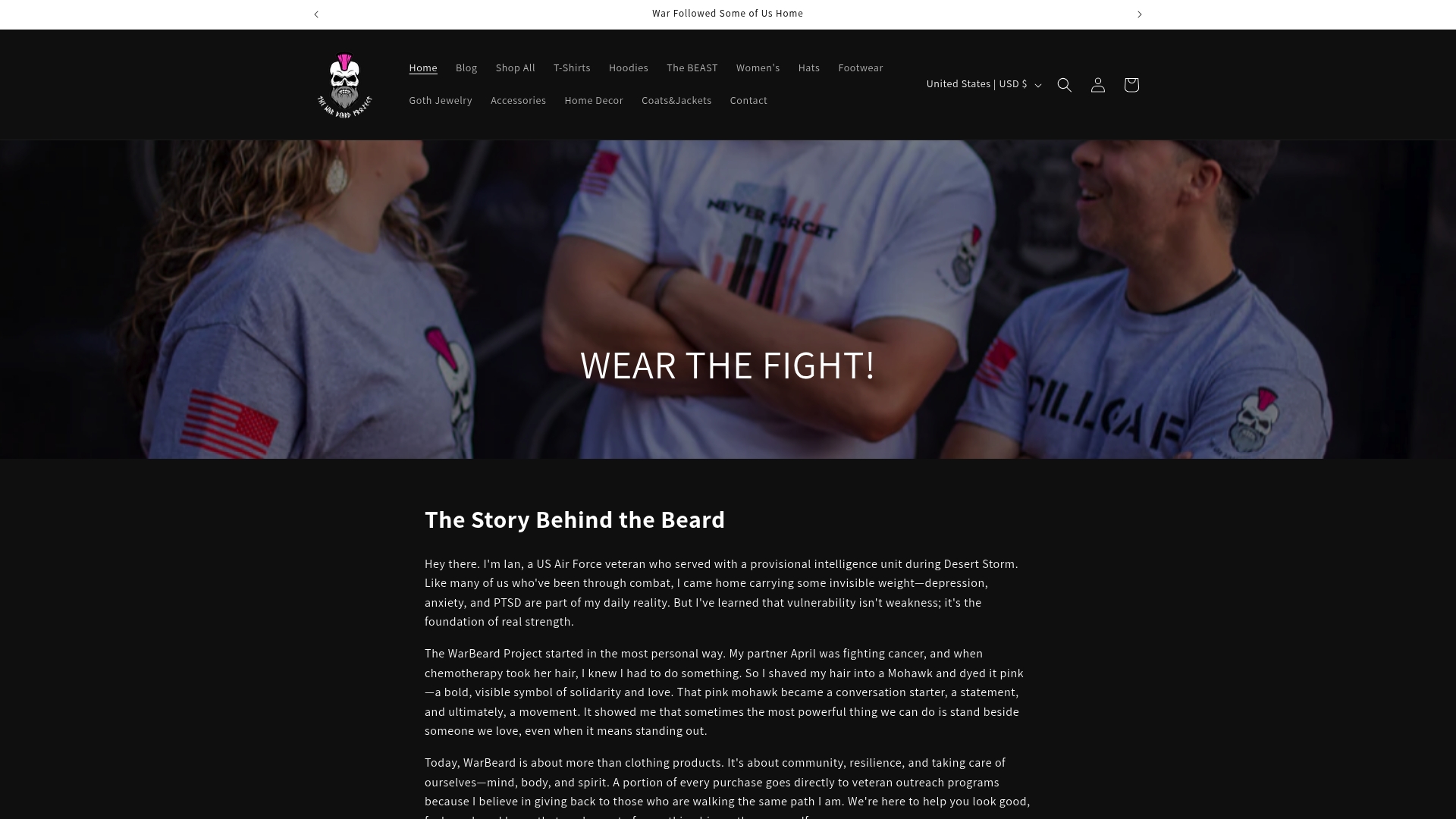
Veterans lifestyle apparel built for year-round wear, not single-occasion novelty. Warbeardproject designs pieces that hold up to repeated use, carry respectful design details, and fit the civilian dress code for every event type covered in this article.
The New Logo Yoga Leggings are a clean, versatile option for active volunteer events and casual family gatherings — comfortable enough for a full day outdoors, designed with the brand’s characteristic restraint. Check the veteran apparel sizing guide before ordering to confirm fit. For the full range of Military Appreciation Week-appropriate pieces, visit warbeardproject.com and review the nonprofit partnership page to see how purchases connect to veteran support programs.
Useful sources and further reading
- Soldiers’ Angels: National Military Appreciation Month — Protocol guidance and community action recommendations for Military Appreciation Month, including veteran-owned business support.
- Imprint.com: Clothing to Wear on Veterans Day — Specific garment and accessory recommendations, color guidance, and stolen-valor etiquette for public observances.
- Klodsy: Patriotic Outfit Ideas — Tiered approach to patriotic dressing; useful for color-balance and event-tone matching.
- Nimble Journal: Patriotic Outfit Planning — Fabric and layering advice for outdoor patriotic events across varying temperatures.
- Warbeardproject: The Role of Military Tradition in Apparel — Brand-authoritative coverage of respectful design ethics and tradition in veteran apparel.
- Warbeardproject: Veteran Nonprofit Apparel Partnerships — How nonprofit partnerships work in the veteran apparel space and how to identify legitimate programs.
- Warbeardproject: Build a Veteran Brotherhood Apparel Collection — Practical guidance on choosing durable, quality pieces over novelty items for lasting respectful wear.