

What Is Service Branch Pride Gear for Veterans?
Service branch pride gear is defined as informal military-themed apparel and accessories that express allegiance to a specific branch of service without replicating official uniform insignia or regulated military dress. This category covers everything from morale patches and graphic T-shirts to challenge coins, hats, and hoodies bearing branch logos or slogans. What is service branch pride gear at its core? It is the civilian-side expression of military identity. Unlike authorized uniform items governed by strict dress codes, pride gear operates in the informal space where personal expression, humor, and unit loyalty take center stage. Trademark law and uniform regulations both shape what is acceptable, so understanding the boundaries matters before you buy or wear.
What is service branch pride gear and what forms does it take?
Service branch pride gear covers a wide range of wearable and collectible items, all sharing one trait: they signal branch affiliation without carrying the legal weight of official insignia. The most common forms fall into three categories: apparel, accessories, and collectibles.
Apparel is the largest category. T-shirts, hoodies, and hats featuring Army, Navy, Marine Corps, Air Force, Space Force, or Coast Guard graphics are the most visible examples. These items use branch colors, slogans, or stylized logos to communicate identity in civilian settings. Warbeardproject builds its entire line around this concept, producing veteran lifestyle apparel that honors branch pride without crossing into official insignia territory.
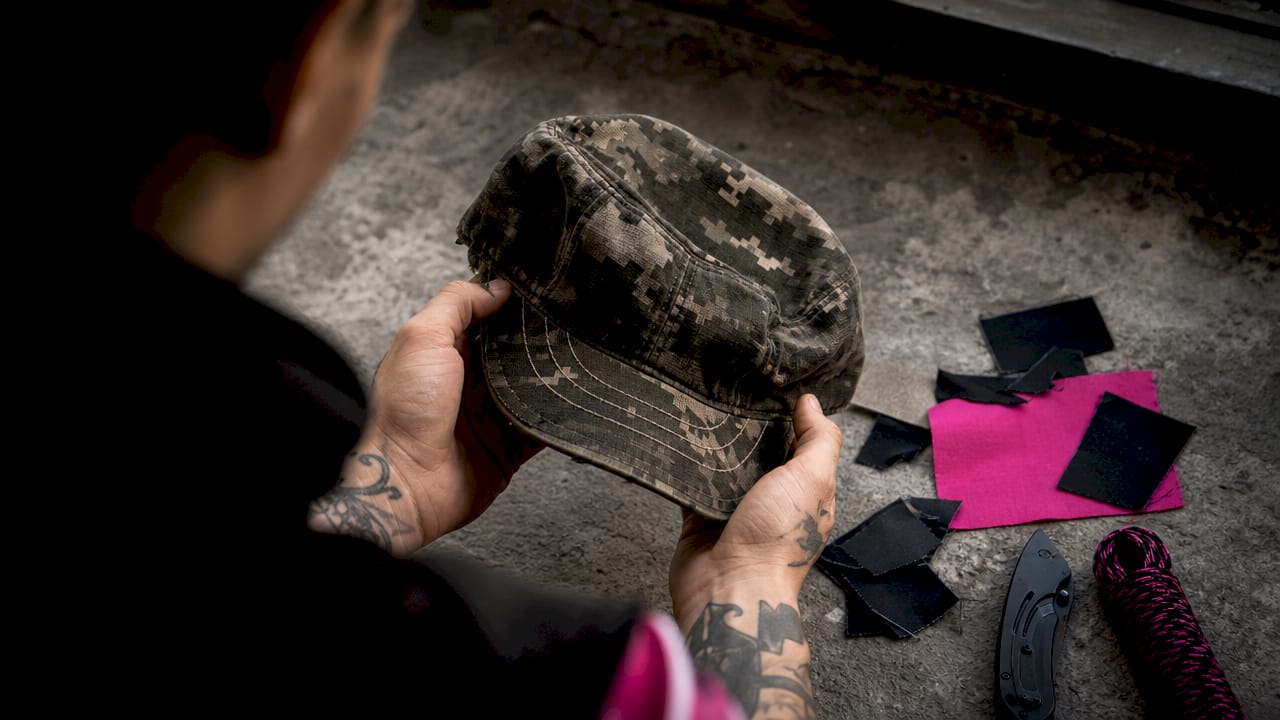
Accessories include items like challenge coins, lanyards, decals, and pins. Challenge coins carry deep cultural weight in military communities. They are traded, collected, and displayed as proof of belonging to a unit or completing a mission. Decals and lanyards serve a similar function at lower cost and higher visibility.
Morale patches deserve their own mention. Morale patches are small fabric badges, typically 2–4 inches wide, with hook-and-loop backing that allows them to be attached and removed from bags, jackets, or range gear. They are not sanctioned rank or unit insignia. Their purpose is humor, personal expression, and informal pride. That removability is the key feature. It keeps them clearly outside the uniform system.
Pro Tip: When shopping for branch of service clothing, look for items that use stylized or artistic interpretations of branch symbols rather than exact replicas of official seals. That distinction keeps your gear in the pride category, not the impersonation category.
- Morale patches: 2–4 inches, hook-and-loop backed, humor and pride focused
- Apparel: T-shirts, hoodies, hats with branch graphics or slogans
- Accessories: challenge coins, lanyards, decals, enamel pins
- Collectibles: framed prints, shadow boxes, commemorative items
How do uniform regulations and trademark laws affect pride gear?
Two separate legal frameworks govern what service branch merchandise can look like and how it can be used. Uniform regulations apply to active, reserve, and some retired members. Trademark law applies to everyone, including civilians and commercial sellers.
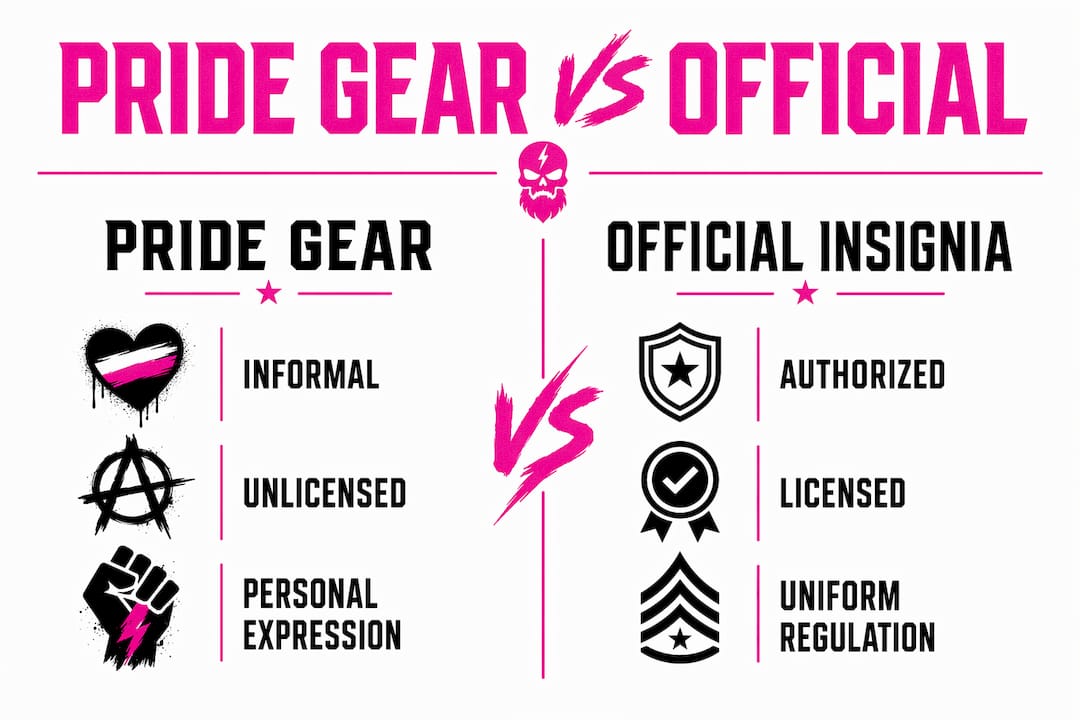
Uniform regulations define the line
Uniform regulations specify authorized insignia, their exact placement, and the conditions under which they can be worn. These rules bind active and reserve members on duty. Off-duty, the rules relax, but they do not disappear entirely. Wearing items that replicate earned awards or rank insignia you have not received creates a legal and ethical problem regardless of whether you are in uniform.
The key distinction is this: authorization via uniform regulations separates official insignia from informal pride gear. Pride gear exists outside that authorization. That is not a flaw. It is the design.
Trademark licensing controls commercial use
Every branch manages its logos, seals, and slogans as registered trademarks. Branch logos on commercial products require license agreements. Unauthorized sellers face penalties and product removals. The Marine Corps Trademark and Licensing Office actively enforces this, including pursuing AI-enabled counterfeit products, which reflects how seriously branches protect their brand.
Trademark licensing programs protect brand integrity and prevent public confusion about whether a product carries official military endorsement. Buying from unlicensed sellers does not just risk a bad product. It risks supporting a seller who is misrepresenting their relationship with the military.
There is also a financial dimension. Licensing fees support morale, welfare, and recreation programs that benefit service members and their families directly. Buying licensed gear puts money back into the military community.
| Item type | Governed by | Key requirement |
|---|---|---|
| Official uniform insignia | Uniform regulations | Authorized placement, earned entitlement |
| Licensed pride apparel | Trademark law | License agreement with branch |
| Unofficial morale patches | Neither (informal use) | Must not replicate official insignia |
| Unlicensed branch logo items | Trademark law | Prohibited without license |
The practical takeaway: choose licensed sellers for any item bearing an official branch seal or logo. For morale patches and humor-based gear, unofficial and clearly stylized designs are the safest path.
Why do veterans and active personnel prefer unofficial pride gear?
The appeal of unofficial pride gear goes beyond aesthetics. Morale patches function as fast identity signalers with a social contract to a tribe, conveying humor and pride in ways that official insignia cannot. A patch with a dark joke about MREs communicates shared experience instantly. A regulation rank insignia does not do that job.
Morale patches intentionally break uniform rules to allow personal expression in non-official ways. That rule-breaking is the point. It signals that the wearer understands the rules well enough to know when and how to set them aside. That is a distinctly military form of humor and identity.
Veterans also use unofficial pride gear to stay clear of stolen valor concerns. Veterans avoid pride gear that implies unearned entitlements by selecting unofficial designs such as flags, humor patches, and branch-themed graphics that do not replicate specific awards or qualifications. This is not timidity. It is integrity. Wearing a Combat Infantryman Badge you did not earn is a federal offense under the Stolen Valor Act. Wearing a hoodie with a stylized Army graphic is not.
The reasons service members wear civilian gear also include practical comfort and context. Off-duty life calls for clothing that fits the setting. Pride gear fills that gap, letting veterans maintain military identity without the formality of a uniform.
Pro Tip: If you are unsure whether a patch or item crosses into official insignia territory, ask yourself: could someone mistake this for a real award, qualification badge, or rank? If yes, skip it. If it reads clearly as a tribute or humor item, you are in the right zone.
- Morale patches signal shared experience and unit humor
- Unofficial designs avoid stolen valor risk
- Removable patches adapt to different social contexts
- Casual pride gear maintains military identity in civilian life
- Licensed apparel supports MWR programs financially
How to select and wear pride gear respectfully and compliantly
Choosing service pride accessories and branch of service clothing the right way comes down to four practical steps.
-
Buy from licensed sellers. The most reliable way to avoid unauthorized use of branch logos is purchasing from licensed sellers or choosing clearly unofficial items. Licensed sellers have agreements with the branch’s trademark office. That agreement protects you, the seller, and the branch’s reputation.
-
Avoid items replicating earned awards or qualifications. Do not wear a Special Forces tab, a Navy SEAL Trident, or a Combat Action Badge unless you earned it. This applies to apparel, patches, and accessories. The role of military tradition in apparel is built on respect for what those symbols represent.
-
Match the gear to the context. Veteran pride gear worn at a backyard cookout reads differently than the same item worn to a formal military ceremony. Off-duty and casual settings are the natural home for pride gear. Official events call for official dress or conservative civilian attire. The types of off-duty military clothing available today give veterans plenty of options for every setting.
-
Choose clearly unofficial or stylized designs. Items that use artistic interpretations, humor, or clearly branded civilian designs signal pride without creating confusion about official endorsement. Warbeardproject’s approach follows this model, producing apparel that reads as veteran lifestyle gear rather than a replica of regulated uniform items.
Following these steps keeps your military pride apparel in the right lane: expressive, respectful, and legally sound.
Key takeaways
Service branch pride gear is informal military-themed apparel and accessories that express branch allegiance outside official uniform regulations, governed by trademark law and personal integrity.
| Point | Details |
|---|---|
| Pride gear is informal by design | It operates outside uniform regulations and is not sanctioned insignia. |
| Trademark law applies to branch logos | Buy from licensed sellers to avoid penalties and support MWR programs. |
| Morale patches signal identity safely | Their removable, unofficial nature keeps them outside stolen valor risk. |
| Context determines appropriate wear | Reserve pride gear for off-duty and casual settings, not official ceremonies. |
| Unofficial designs are the safest choice | Stylized or humor-based items avoid confusion with earned awards or rank. |
Why pride gear matters more than most people realize
I have seen veterans dismiss pride gear as novelty merchandise. That reading misses what is actually happening. When someone pins a morale patch to their range bag or pulls on a branch-themed hoodie for a Saturday run, they are doing something specific. They are maintaining a thread of identity that the civilian world does not automatically recognize or reinforce.
The role of the American flag in veteran apparel is a good parallel. The flag on a sleeve is not decoration. It is a statement of what the wearer has stood for. Pride gear works the same way, at a lower register but with the same intent.
What I find most interesting is the self-regulation that happens naturally in military communities around this gear. Veterans police each other on stolen valor. They notice when someone wears a tab they did not earn. That social accountability is not written into any regulation. It is cultural. Pride gear, worn correctly, is part of that culture. It says: I served, I belong to this community, and I know the difference between honoring that service and exploiting it.
The brands that get this right, including Warbeardproject, build gear that fits inside that cultural understanding. The brands that get it wrong produce items that look official enough to confuse civilians and offend veterans. The difference is not always obvious from a product photo. That is why knowing what to look for matters.
— Ian
Warbeardproject active wear for your branch pride
Warbeardproject produces veterans lifestyle apparel built for active and former military personnel who want to express branch pride without compromising on quality or integrity.
The active wear collection includes shirts, hoodies, and leggings designed for everyday wear and physical training. The OG Logo Unisex Hoodie and OG Logo Stars Unisex Hoodie are two of the most popular options, offering a clean branch-inspired design that works off-duty and in casual settings. For veterans who train, the New Logo Yoga Leggings bring the same identity-forward design to performance wear. Every item is built to sit clearly in the pride gear category: expressive, respectful, and made for the community it represents.
FAQ
What is the difference between pride gear and official insignia?
Pride gear is informal apparel and accessories that express branch allegiance without authorization from uniform regulations. Official insignia are governed by strict dress codes and can only be worn by those entitled to them.
Do I need to buy licensed products for military pride apparel?
Yes, any item bearing an official branch seal or logo requires a license agreement between the seller and the branch’s trademark office. Unlicensed sellers risk penalties, and their products may misrepresent military endorsement.
Can active duty members wear service branch merchandise off-duty?
Active duty members can wear civilian pride gear off-duty, provided the items do not replicate official insignia, earned awards, or rank they are not authorized to display. Stylized and clearly unofficial designs are the safest choice.
Are morale patches considered official military gear?
Morale patches are not sanctioned rank or unit insignia. They are informal fabric badges worn for humor and personal expression, typically outside official insignia placement on bags or civilian gear.
Does buying licensed pride gear benefit service members?
Yes. Trademark licensing fees support morale, welfare, and recreation programs that directly benefit active service members and their families, making licensed purchases a direct contribution to the military community.