

Why Service Members Wear Civilian Gear: 2026 Guide
Service members wear civilian gear off duty because military regulations, force protection requirements, and professional standards all demand it. This is not a casual fashion choice. Army Regulation 670-1 permits civilian clothing off duty unless a senior commander restricts it, and every piece of that clothing must still meet military standards of appearance. Understanding why troops wear civilian outfits reveals a disciplined system built on security, symbolism, and situational judgment that most civilians never see.
Why service members wear civilian gear: the official rules
Military members civilian clothing choices are not left to personal preference. AR 670-1 sets the baseline: soldiers may wear civilian attire when off duty, but commanders hold authority to restrict that right entirely. The regulation also makes clear that civilian dress must reflect the same professional image the uniform demands.
The rules cover several specific situations where uniform wear is either prohibited or restricted:
- Off-post establishments selling alcohol for on-premises consumption. Uniform wear is prohibited in these settings to avoid situations that could reflect poorly on the military.
- Travel scenarios where wearing a uniform draws unnecessary attention or creates logistical complications.
- Outdoor activities such as orienteering or recreational events where the uniform is impractical or prohibited by activity rules.
- Command-directed restrictions where local installation policy bans uniform wear off-post entirely for force protection reasons.
- Mixing uniform items with civilian clothes. This is largely prohibited to maintain a clear visual identity and protect military image integrity.
Local policies vary significantly by installation. What applies at Fort Bragg may differ from what applies at a stateside garrison or an overseas base. Commanders have real discretion here, and that discretion shapes daily life for service members.
Pro Tip: If you are visiting a military installation or interacting with active duty personnel, do not assume a soldier in jeans is off duty or unavailable. They may be following a direct command policy.
How does force protection influence civilian clothing choices?
Force protection is one of the most direct reasons service members dressed casually in public is not just acceptable but sometimes mandatory. Wearing a uniform off-post signals military affiliation to anyone watching. In certain threat environments, that visibility creates risk.
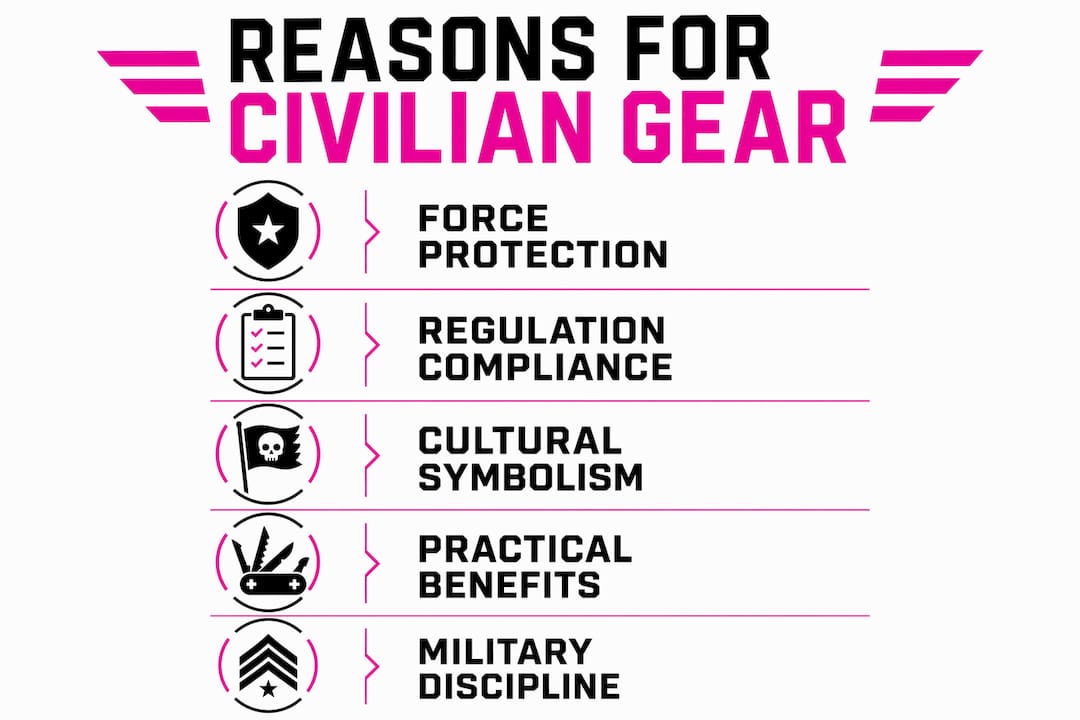
Fort Sill implemented a proactive policy in 2026 banning uniform wear off-post. The policy was not driven by a specific threat. It was a deliberate, precautionary measure to reduce soldier visibility in the surrounding community. That distinction matters because it shows commanders do not wait for danger to act.
Key force protection scenarios where civilian gear is prescribed or strongly preferred include:
- Emergency leave and compassionate travel, where soldiers move through public airports and transit hubs
- Overseas travel through regions with elevated threat levels or anti-military sentiment
- High-profile public events where uniformed personnel could become symbolic targets
- Routine off-post activity in communities near installations with known security concerns
“Wearing civilian clothes off duty is an extension of service members’ discipline and duty, exemplifying professionalism beyond uniformed appearances.” — marinesthing.com
The logic is straightforward. A soldier in civilian clothes blends into a crowd. A soldier in uniform does not. When the mission requires discretion, civilian gear for military personnel becomes a tactical decision, not a lifestyle one.
Civilian attire and the symbolism of military culture
The reasons for wearing civilian attire go deeper than regulations. There is a long-standing cultural and historical argument for keeping military personnel out of uniform in civilian life.
| Context | Uniform | Civilian Attire |
|---|---|---|
| On-duty, official capacity | Required | Not permitted |
| Off-duty, public setting | Restricted in many cases | Standard expectation |
| Presidential or political role | Historically avoided | Strongly preferred |
| Travel through public spaces | Often prohibited | Prescribed or recommended |
U.S. Presidents with military backgrounds have traditionally worn civilian clothes in office to reinforce the principle of civilian control over the military. This is not a small detail. It reflects a foundational democratic value: the military serves the civilian government, not the other way around. Wearing a uniform in a political or civic role blurs that line.
The same logic applies to service members in everyday public life. Civilian clothing for veterans and active duty personnel signals that they exist within the same civic space as everyone else. It communicates humility and respect for the communities they serve.
Pro Tip: Understanding military fashion choices means recognizing that what a soldier wears off duty carries the same weight as what they wear on duty. The uniform changes. The standard does not.
Civilian clothing for veterans also plays a role in maintaining public trust. A service member who presents well in civilian clothes reinforces the military’s reputation without saying a word.
What are the practical benefits of civilian clothes for soldiers?
Beyond regulations and symbolism, the benefits of civilian clothes for soldiers are straightforward and practical. Off-duty life requires comfort, flexibility, and the ability to move through civilian spaces without drawing attention.
Common practical scenarios where civilian attire is preferred or required:
- Comfort during recovery or leave periods, when physical demands drop and soldiers need clothing suited to rest and personal activity
- Outdoor recreational activities like hiking, running, or team sports where military uniforms are impractical
- Orienteering and land navigation training events where civilian clothes are specifically authorized by regulation
- Avoiding the appearance of political or commercial endorsement, since a uniformed soldier at a rally or sponsored event implies official military support
- Blending into civilian environments during personal errands, family events, or community activities where a uniform would feel out of place
The active duty casual wardrobe is not just about looking good. It is about meeting the same high standards in a different context. Civilian clothing worn off duty must maintain a professional image that reflects well on the military. Failure to meet that standard can result in disciplinary action. The bar does not disappear when the uniform comes off.
Service members also navigate appearance standards that most civilians never think about. No offensive graphics. No clothing that discredits the armed forces. No mixing of uniform items with civilian pieces. These are not suggestions. They are enforceable standards tied directly to military conduct codes.
Key takeaways
Service members wear civilian gear because regulations, force protection, cultural symbolism, and practical necessity all point in the same direction: off-duty dress is an extension of military discipline, not a break from it.
| Point | Details |
|---|---|
| AR 670-1 governs civilian dress | Soldiers may wear civilian clothes off duty, but commanders can restrict this right entirely. |
| Force protection drives many policies | Installations like Fort Sill banned off-post uniforms in 2026 to reduce soldier visibility proactively. |
| Standards do not drop off duty | Civilian clothing must still meet military appearance standards or disciplinary action can follow. |
| Symbolism reinforces civilian control | Presidents and service members alike use civilian attire to signal democratic values and humility. |
| Practical scenarios require civilian gear | Travel, outdoor activities, and public events often make civilian clothing the required or preferred choice. |
What wearing civilian clothes really says about military discipline
Most people assume the uniform is where military discipline lives. After years of watching how service members carry themselves off duty, I think that assumption misses the point entirely.
The uniform is the easy part. Anyone can follow a dress code when the rules are printed on a card and a sergeant is watching. What tells you something real about a person’s character is how they dress and conduct themselves when no one is checking. That is exactly what civilian attire standards test.
The fact that military personnel in civilian clothes remain associated with the armed forces and must uphold appearance standards is not bureaucratic overreach. It is a recognition that identity does not clock out. A Marine in a grocery store wearing a torn shirt and acting poorly reflects on the Corps whether anyone knows he is a Marine or not. The standard exists because the association is permanent.
What I find genuinely interesting is how the force protection angle reframes the whole conversation. Civilian gear is not a reward for being off duty. In many cases, it is a tactical requirement. Fort Sill’s 2026 policy makes that concrete. Commanders are not waiting for a threat to materialize before they act. They are removing visibility as a precaution. That is a level of operational thinking most people never connect to what someone is wearing at a gas station.
The cultural symbolism piece is equally underappreciated. The civilian control principle embedded in presidential dress norms is the same principle that shapes how a staff sergeant presents himself at a school board meeting. The military serves the public. Civilian clothes are one way that service shows up in daily life.
— Ian
Gear that respects the standard
Service members and veterans know that off-duty clothing carries real weight. Warbeardproject builds apparel for people who understand that standard.
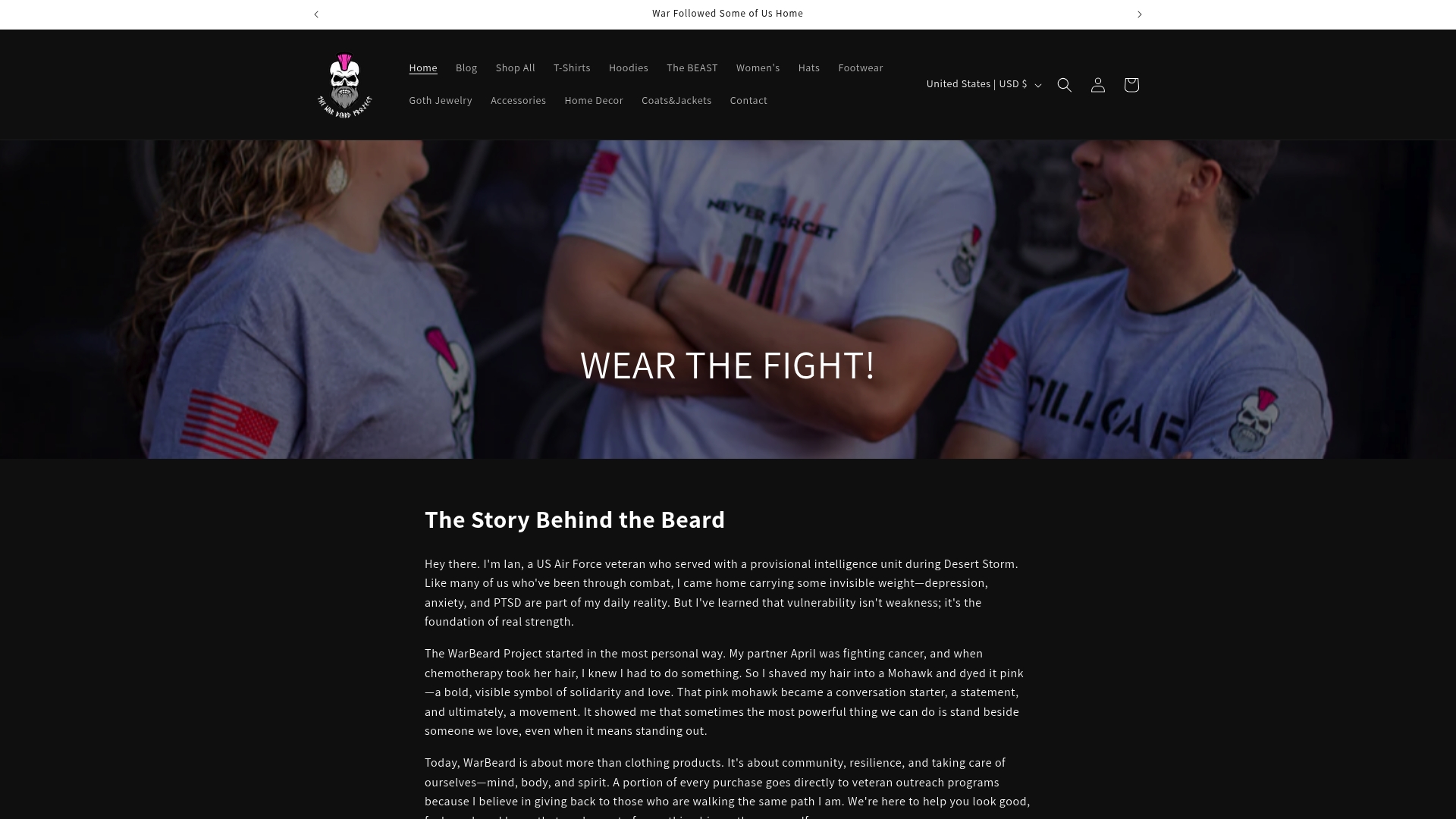
The active wear collection at Warbeardproject is designed for the off-duty lifestyle that military culture demands: clean, durable, and built for people who do not stop carrying themselves well when the uniform comes off. The OG Logo Unisex Hoodie and the OG Logo Stars Unisex Hoodie offer casual options that reflect military pride without crossing into uniform territory. If you want gear that fits the culture, Warbeardproject delivers it without compromise.
FAQ
Why do service members wear civilian clothes off duty?
Army Regulation 670-1 authorizes civilian clothing off duty unless a commander restricts it. Service members wear civilian attire for comfort, force protection, and regulatory compliance in specific settings.
Can soldiers mix uniform items with civilian clothing?
Mixing civilian clothing with prescribed military uniform items is largely prohibited. Regulations require a clear separation to maintain military image integrity and visual identity.
What is force protection and how does it affect what soldiers wear?
Force protection refers to measures taken to reduce risk to military personnel. Installations like Fort Sill banned off-post uniform wear in 2026 to lower soldier visibility and reduce potential targeting in public spaces.
Do appearance standards still apply when a soldier is in civilian clothes?
Yes. Civilian clothing worn off duty must meet professional standards that reflect well on the military. Failure to meet those standards can result in disciplinary action.
Why do u.s. presidents avoid wearing military uniforms in office?
Presidents with military backgrounds traditionally wear civilian clothes to reinforce the principle of civilian control over the military. This practice separates democratic governance from authoritarian symbolism.