

Why Veterans Choose Tactical Clothing: A Direct Look
Tactical clothing is purpose-built apparel designed to deliver durability, comfort, and functional performance that standard civilian clothing cannot match. Veterans choose tactical clothing because their service gave them direct experience with what gear failure looks like, and they refuse to repeat it in civilian life. From reinforced stitching at stress points to MOLLE webbing for gear attachment, every design decision in quality tactical apparel serves a specific purpose. This guide breaks down the real reasons behind veteran clothing choices, covering materials, construction, comfort, and the cultural weight that makes authenticity non-negotiable.
Why veterans choose tactical clothing over standard apparel
The core reason is straightforward: durability and comfort built into every construction detail. Veterans have worn gear that failed under pressure, and that experience creates a permanent filter for every clothing purchase afterward.
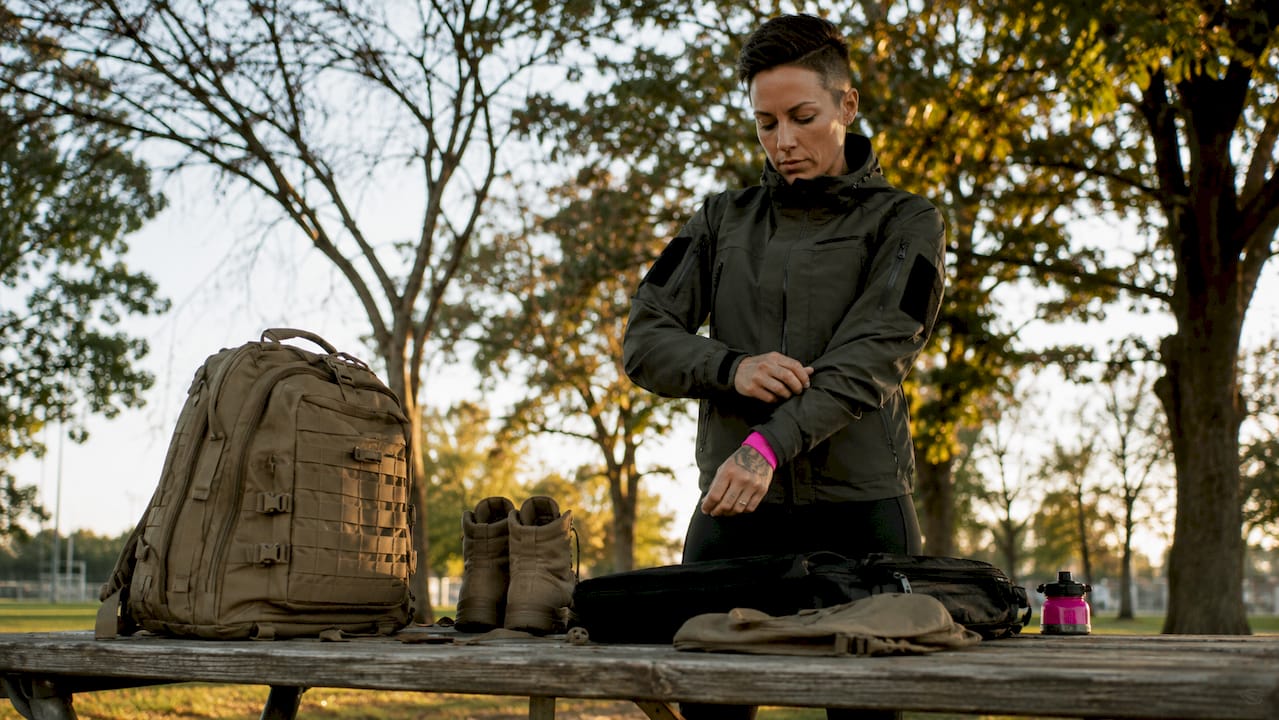
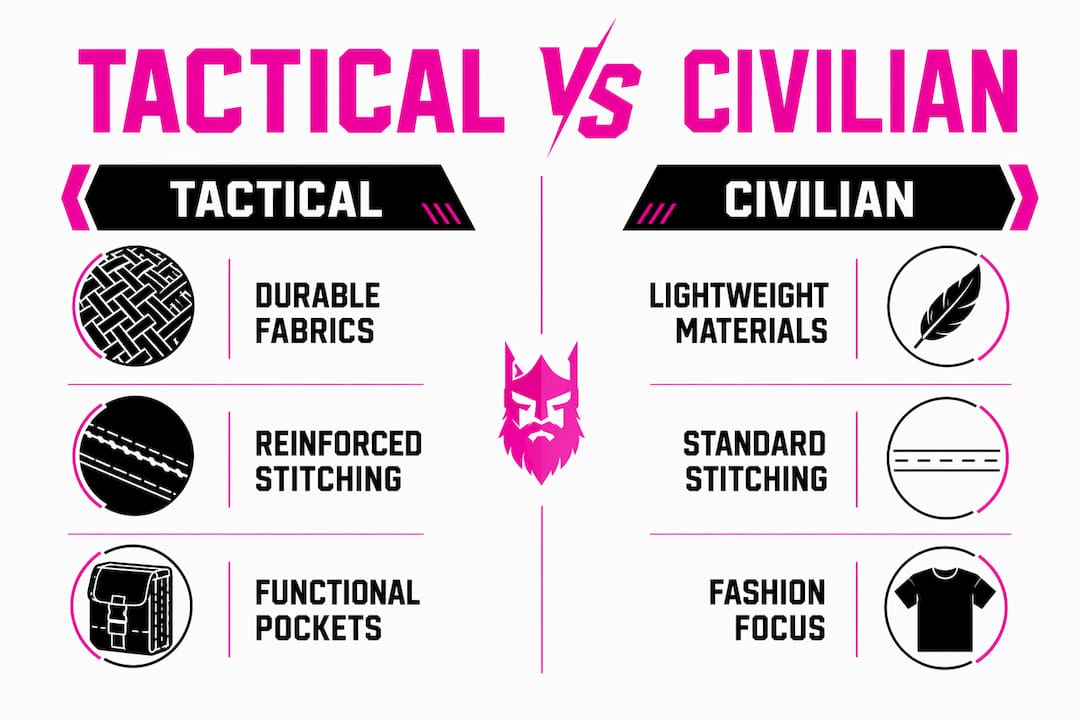
Standard civilian apparel is designed for appearance and cost efficiency. Tactical clothing is designed for performance under stress. The difference shows up in fabric weight, seam construction, pocket placement, and cut. These are not cosmetic choices.
Key construction features that separate tactical clothing from standard apparel include:
- Heavyweight fabrics such as ripstop nylon and reinforced cotton blends that resist tearing under load
- Reinforced stitching at high-stress points including knees, elbows, and pocket openings
- Stress point bartacking that prevents seam failure during rapid movement or heavy carry
- MOLLE webbing for modular gear attachment, a system with a specific operational purpose
- Utility pockets positioned for access during movement, not just visual balance
Civilian fashion occasionally borrows these elements for aesthetic effect. Veterans recognize the difference immediately. MOLLE straps and utility pockets have defined operational functions that fashion adaptations omit entirely.
| Feature | Tactical Clothing | Standard Civilian Apparel |
|---|---|---|
| Fabric weight | Heavyweight ripstop or canvas blends | Lightweight cotton or polyester |
| Seam construction | Bartacked, double-stitched stress points | Single-stitched standard seams |
| Pocket design | Utility-positioned for active access | Decorative or minimal |
| Range of motion | Athletic cuts with stretch panels | Fitted for appearance |
| Gear attachment | MOLLE webbing, D-rings | None |
Pro Tip: When evaluating tactical clothing, check the bartacking at pocket corners and belt loops first. Those are the first points to fail on low-quality gear, and a manufacturer that gets those right usually gets everything else right too.
How does veteran experience shape gear preferences?
Veterans carry a specific kind of knowledge that civilian designers do not have: failure mode intuition. They know exactly where a jacket tears, where a seam separates, and where a pocket fails because they have seen it happen under operational conditions.
This intuition directly shapes purchasing decisions. A veteran shopping for tactical pants is not reading a product description the same way a civilian does. They are mentally stress-testing the construction based on real experience. That is a fundamentally different evaluation process.
Veteran-owned brands recognize this. They prioritize practical durability and honest product education because their customers will call out anything that does not hold up. This creates a higher standard across the entire product line.
The preferences veterans bring to tactical clothing purchases include:
- Operational testing over marketing claims. Veterans trust gear that has been used in real conditions, not just photographed in them.
- Transparent construction details. Fabric weight, thread count, and reinforcement specs matter more than brand storytelling.
- Honest sizing and fit data. Athletic cuts that actually accommodate a full range of motion, not just look athletic.
- Maintenance clarity. Clear care instructions that preserve function over time, not just appearance.
- Veteran-owned sourcing. Brands built by people who understand the use case from the inside.
The preference for veteran-owned tactical brands is not tribal loyalty. It is a rational response to a track record of better design decisions. When the person designing your gear has worn it under pressure, the result is different.
Pro Tip: Look for brands that publish specific fabric specs, not just general descriptions like “durable” or “high-quality.” A brand that lists fabric weight in ounces per square yard is showing you they understand their product at a technical level.
What role does comfort play in tactical clothing choices?
Comfort in tactical clothing is not a luxury feature added after durability. It is a design requirement built into the same construction decisions that create ruggedness. Modern tactical designs integrate soft, breathable materials with durable outer fabrics to reduce fatigue during long wear.
The evolution of tactical apparel over the past decade has produced four specific comfort improvements that veterans consistently prioritize:
- Athletic cuts with articulated knees and elbows. These cuts follow the body’s natural movement patterns instead of forcing the wearer to fight the fabric. Articulated knees in tactical pants, for example, eliminate the binding that occurs when you kneel or climb.
- Stretch panel integration. Fabrics like spandex-blend ripstop allow full range of motion without sacrificing tear resistance. This is the same principle used in competition athletic wear, applied to a more demanding construction standard.
- Moisture management fabrics. Tactical clothing designed for active use incorporates wicking materials that pull sweat away from the skin. This matters for fitness, outdoor work, and any environment where temperature regulation is a factor.
- Layering compatibility. Tactical tops and jackets are cut to work over base layers without restricting movement. Veterans who layer military lifestyle apparel for cold weather know that a jacket that binds over a base layer is useless in the field.
The result is clothing that performs across a full day of varied activity without the fatigue that comes from fighting a poor fit. Flexible fabrics and ergonomic fits reduce binding and physical fatigue in active use. That is not a minor benefit. Over an eight-hour day of physical work or training, it is the difference between functional clothing and a liability.
Why do veterans reject aesthetic-only tactical fashion?
Veterans express clear frustration with civilian fashion that borrows tactical elements for visual effect without preserving their function. Tactical aesthetics are often flattened into style signals with no connection to the original design purpose.
The frustration is not about exclusivity. It is about accuracy. When a fashion brand adds non-functional MOLLE webbing to a jacket as a design element, it misrepresents what that system does and why it exists. Veterans who have used MOLLE systems operationally find that misrepresentation disorienting at best and disrespectful at worst.
The specific issues veterans identify with aesthetic tactical fashion include:
- Non-functional pocket placement that looks tactical but cannot be accessed during movement
- Decorative webbing with no load-bearing capacity or attachment compatibility
- Lightweight fabrics marketed with tactical terminology but without tactical construction
- Patch and insignia use without understanding of the earned meaning behind those symbols
- Performative branding that uses military imagery to sell a lifestyle rather than a product
“Earned symbols like patches, identifiers, and medals carry unspoken rules important to veterans.” — Army Times
Veterans feel a strong emotional connection to functional military apparel, treating it as a symbol of earned experience. That connection is not transferable to a fashion item that uses the same visual language without the same design integrity. Understanding the role of American flag symbolism in veteran apparel makes this distinction even clearer.
How can veterans integrate tactical clothing into everyday life?
Tactical clothing’s versatility across fitness, travel, and casual wear is a primary reason veterans choose it over standard apparel after service ends. The same construction that performs in the field performs at the gym, on a trail, or running errands.
Practical integration comes down to a few direct choices:
- For fitness: Choose tactical pants or shorts with stretch panels and moisture-wicking fabric. The articulated cut handles squats, lunges, and loaded carries better than standard gym wear.
- For travel: Tactical pants with secure, accessible pockets eliminate the need for a separate bag for documents, a phone, and small gear. The durability holds up through repeated packing and unpacking.
- For casual wear: Tactical shirts and hoodies from veteran-owned brands like Warbeardproject carry design integrity without looking like a uniform. They work as everyday clothing while maintaining the construction standards veterans expect.
- For outdoor activities: Ripstop fabrics and reinforced knees make tactical clothing the practical choice for hiking, hunting, and any activity that puts clothing under physical stress.
Care and maintenance preserve the functional advantage. Wash tactical clothing in cold water, avoid fabric softeners that degrade moisture-wicking treatments, and air dry when possible to protect reinforced stitching. Reviewing off-duty military clothing options for veterans gives you a broader picture of how to build a functional civilian wardrobe without sacrificing quality.
Pro Tip: When selecting tactical gear for everyday use, choose brands that publish care instructions specific to their fabric treatments. Generic care labels on technical fabrics are a sign the manufacturer does not fully understand their own product.
Key takeaways
Veterans choose tactical clothing because it delivers documented functional performance that standard civilian apparel cannot replicate, built on reinforced construction, ergonomic design, and authentic operational intent.
| Point | Details |
|---|---|
| Durability is the primary driver | Reinforced stitching, bartacking, and heavyweight fabrics address real failure points veterans have experienced. |
| Veteran experience shapes standards | Failure mode intuition from service creates a higher evaluation standard that veteran-owned brands are built to meet. |
| Comfort and ruggedness coexist | Athletic cuts, stretch panels, and moisture management fabrics deliver all-day wearability without sacrificing construction integrity. |
| Aesthetic imitation is rejected | Non-functional tactical elements in civilian fashion misrepresent military gear and conflict with veterans’ earned connection to those symbols. |
| Versatility extends the value | Tactical clothing performs across fitness, travel, and casual wear, making it a practical choice for the full veteran lifestyle. |
What i’ve learned watching veterans choose their gear
I’ve spent enough time around veterans and veteran-owned brands to notice a consistent pattern. The veterans who are most deliberate about their clothing choices are not the ones who talk about it the most. They are the ones who check seams before they buy, who ask about fabric weight, and who return products that fail at the first stress point without apology.
That standard is not perfectionism. It is the direct result of having worn gear that failed when it mattered. A seam that separates on a range day is an inconvenience. The same failure in a different context is a serious problem. Veterans carry that context permanently, and it shows up in every gear decision they make.
What I find worth noting is how veteran-owned brands respond to this. The best ones treat product education as part of the product itself. They explain why a fabric was chosen, where reinforcement was added, and how to maintain the gear over time. That transparency is not marketing. It is the same honest communication veterans expect from anyone they trust with their equipment.
Tactical clothing, at its best, is not a fashion category. It is a performance standard. Veterans recognize that standard because they helped define it. Supporting brands that maintain it is not just a purchasing preference. It is a way of keeping that standard alive in the civilian market.
— Ian
Gear built for veterans, not just inspired by them
Warbeardproject builds apparel for veterans who expect their clothing to perform the same way their gear did in service. Every piece in the collection is designed with the construction standards that matter: durable fabrics, functional fits, and veteran-owned authenticity.
If you are building a post-service wardrobe that holds up to an active lifestyle, the active wear collection at Warbeardproject is the right place to start. From performance-ready pieces to veteran-themed everyday wear, the lineup is built for people who know the difference between clothing that looks functional and clothing that actually is. Explore the full range at Warbeardproject and find gear that matches your standard.
FAQ
Why do veterans prefer tactical clothing for daily use?
Veterans prefer tactical clothing because it delivers durability and functional features that standard apparel lacks. Reinforced construction, utility pockets, and ergonomic fits support active lifestyles beyond military service.
What makes tactical clothing more durable than regular clothes?
Tactical clothing uses heavyweight fabrics like ripstop nylon, bartacked seams, and reinforced stress points that standard civilian apparel does not include. These construction details directly address the failure points veterans recognize from operational experience.
How do veterans spot low-quality tactical gear?
Veterans assess gear by checking seam construction, fabric weight, and whether functional features like pockets and webbing serve a real purpose. Non-functional MOLLE webbing or lightweight fabrics marketed as tactical are immediate disqualifiers.
Is tactical clothing suitable for everyday civilian activities?
Tactical clothing performs across fitness, travel, and casual wear because its construction handles physical stress better than standard apparel. The versatility makes it a practical choice for veterans maintaining an active post-service lifestyle.
Why do veterans distrust fashion brands using tactical aesthetics?
Veterans distrust fashion brands that use tactical elements decoratively because those adaptations strip away the functional meaning of military design. Earned symbols and operational features carry specific significance that aesthetic imitation does not respect.