

Build a Veteran Brotherhood Apparel Collection That Lasts
A veteran brotherhood apparel collection is a line of clothing that embodies shared service values, camaraderie, and military community identity. To build veteran brotherhood apparel collection pieces that actually resonate, you need more than a logo on a shirt. You need community input, meaningful symbolism, and a production method that fits your scale. Warbeardproject has worked within veteran lifestyle apparel long enough to know that the collections with staying power start from genuine relationships, not retail ambition. This guide covers every step from concept to community engagement.
What does it take to build a veteran brotherhood apparel collection?
The foundation of any lasting veteran apparel collection is an existing community. Brotherhood collections thrive when rooted in genuine friendship and shared values rather than purely commercial ventures. That means your first move is not to open a design file. It is to talk to the veterans you want to represent.
Start by identifying the core group. Are they Army infantry veterans from a specific unit? Marines who served in the same deployment window? The tighter the shared identity, the stronger the design brief. Service branch pride gear increases veteran engagement and emotional connection when it reflects actual service culture rather than generic military aesthetics.
Before you touch a design tool, you need three things in place: a clear community identity, a list of symbols that carry meaning for that group, and at least one person with design experience or access to veteran-friendly graphic design resources. Adobe Illustrator and Canva both support custom vector work. For veteran-specific iconography, consult with members directly rather than pulling stock military imagery.
Essential tools and resources at a glance
| Tool or resource | Purpose |
|---|---|
| Community survey or group chat | Gather design input and validate symbols |
| Vector design software (Illustrator, Canva) | Create print-ready artwork |
| Print-on-demand platform | Produce without upfront inventory risk |
| Fabric weight guide (8–10 oz) | Match material to veteran durability expectations |
| Veteran graphic designer | Ensure cultural accuracy in visual elements |
Pro Tip: Run a simple poll in your veteran group chat before committing to any design. Ask members to rank three symbol options. The one with the most votes becomes your anchor graphic.
How do you design and produce meaningful brotherhood clothing?
Design starts with the community, not the designer. Small veteran apparel brands often begin within social or study groups before expanding beyond initial circles. That organic origin is a feature, not a limitation. Use it.
Follow these steps from concept to finished product:
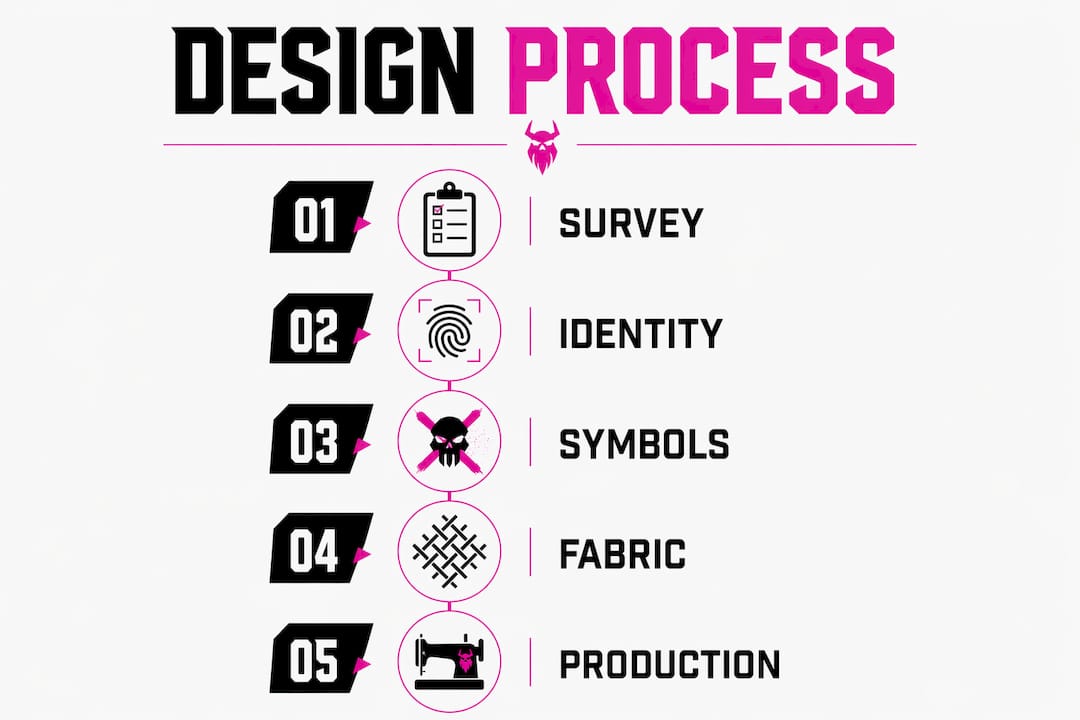
- Collect community input. Survey your group on symbols, colors, and phrases that carry meaning. Unit mottos, deployment locations, and service branch insignia are strong starting points.
- Draft three design concepts. Keep each concept distinct. One might be text-heavy, one graphic-heavy, and one minimal. Variety reveals what the community actually responds to.
- Build a prototype. Order a single sample from a print-on-demand service or a local screen printer. Wear it. Get feedback on fit, print quality, and how the design reads at distance.
- Refine based on feedback. Pay attention to fit comments specifically. Veterans prefer clothing that blends comfort with style suitable for off-duty and social settings. A design that looks sharp but fits poorly will not get worn.
- Choose your production method. Print-on-demand reduces overproduction and upfront costs, making it a practical entry point for veteran-owned apparel lines. Bulk production lowers per-unit cost but requires accurate demand forecasting.
- Plan a phased rollout. Release one or two pieces first. Measure sell-through before expanding the catalog. This protects cash flow and keeps the collection tight.
Print-on-demand and bulk production each have a place depending on your stage. POD supports ethical inventory management and suits smaller veteran businesses that cannot absorb unsold stock. Bulk production makes sense once you have proven demand across at least two product runs.
Fabric selection is not a secondary decision. Heavyweight fabric and double-needle stitching enhance durability for veteran brotherhood hoodies. A 70% cotton, 30% polyester blend at 10 oz provides structure without sacrificing comfort. The OG Logo Unisex Premium Sweatshirt is built to that standard — a 100% cotton face crew neck that holds its shape and carries the Warbeard identity. is built to that standard — a 100% cotton face crew neck that holds its shape and carries the Warbeard identity. That spec is a reliable benchmark for any hoodie or crewneck in a veteran collection.
Hybrid apparel blends performance and lifestyle fabrics to appeal to veterans who want versatile clothing. A piece that works at the gym and at a veteran meetup covers more of a veteran’s actual daily life. That versatility drives repeat wear and word-of-mouth visibility.
Pro Tip: Always order a size run sample before committing to bulk production. Veteran sizing preferences often skew toward a relaxed fit, and a sizing chart built on actual member measurements prevents returns and disappointment.
How do you keep veterans engaged with the collection over time?
Sustaining a brotherhood apparel collection requires ongoing veteran involvement in design and marketing. A collection that launches strong but ignores its community after the first drop loses relevance fast. Veteran nonprofits achieve success by integrating community feedback and event collaboration into their apparel programs.
Engagement tactics that work:
- Co-design drops. Invite members to submit design concepts for each new release. Credit the contributor on the product page or tag.
- Event-tied releases. Launch new pieces at veteran events, unit reunions, or Memorial Day gatherings. The physical context reinforces the emotional meaning.
- Nonprofit partnerships. Align the collection with a veteran nonprofit whose mission matches your community’s values. A portion of proceeds creates a giving structure that veterans respect.
- Storytelling content. Share the story behind each design. Who suggested the symbol? What does the phrase mean to the unit? That context turns a shirt into a conversation piece.
- Member-only previews. Give your core community first access to new drops. Exclusivity rewards loyalty and generates organic word-of-mouth before the public launch.
The role of apparel in veteran transition is well documented. Clothing that signals shared identity helps veterans maintain community bonds after separation from active duty. A well-run brotherhood collection serves that function without requiring anyone to explain it.
What mistakes should you avoid when building veteran apparel?
The most common failure in veteran apparel collections is over-commercialization. When the business goal overtakes the community goal, veterans notice immediately and disengage. The collection stops feeling like theirs and starts feeling like a product aimed at them.
| Pitfall | Best practice |
|---|---|
| Generic military imagery | Use unit-specific or community-sourced symbols |
| Cheap fabric to cut costs | Maintain minimum 8 oz fabric weight for durability |
| Ignoring fit feedback | Run a size survey before each production run |
| No veteran input on design | Co-design with at least three community members |
| Launching too many SKUs at once | Start with two to three pieces and expand based on data |
Quality fabric and fit are non-negotiable. Veterans choosing apparel beyond tactical gear prioritize comfort and a fit that works in civilian settings. A collection that fails on fit will not survive past the first drop, regardless of how strong the design is.
Cultural sensitivity matters as much as design quality. Military symbols carry specific meaning within specific communities. Using a symbol incorrectly, or applying it to a group that did not earn it, damages trust in ways that are very difficult to repair. Always verify symbol usage with veterans from the relevant branch or unit before finalizing any design.
Key Takeaways
A veteran brotherhood apparel collection succeeds when it starts from genuine community identity, maintains quality standards, and keeps veterans involved at every stage of design and production.
| Point | Details |
|---|---|
| Start with community input | Survey your veteran group before opening any design tool. |
| Use proven fabric specs | Aim for 8–10 oz fabric with double-needle stitching for durability. |
| Choose production method by stage | Use print-on-demand early, shift to bulk only after proven demand. |
| Keep veterans in the loop | Co-design drops and event-tied releases sustain long-term engagement. |
| Avoid over-commercialization | Collections that prioritize community over revenue outlast those that do not. |
What I’ve learned from watching veteran collections succeed and fail
The collections that last are the ones where the founder cannot stop talking about the people, not the product. Every time I have seen a veteran apparel line lose momentum, the pattern is the same. Someone had a great design, decent production, and a real community behind them. Then they started making decisions based on margin instead of meaning. The community felt it before the sales numbers showed it.
The collections that hold up over years share one trait: the veterans wearing the gear had a hand in making it. Not just wearing it at launch, but arguing about which symbol to use, pushing back on a color choice, telling the story of why a phrase matters. That friction is not a problem. It is the product.
Warbeardproject operates in this space because veteran lifestyle apparel is not a category. It is a commitment. The American flag in veteran apparel is not decoration. It is a statement about what the wearer has done and what they still stand for. Every design decision in a brotherhood collection carries that weight. Treat it accordingly.
My honest advice: resist the pressure to scale before the community is ready. Two pieces that your core group wears every week are worth more than twelve pieces that sit in a warehouse. Build slow, build with your people, and the collection will outlast any trend.
— Ian
Veteran-made apparel worth wearing from Warbeardproject
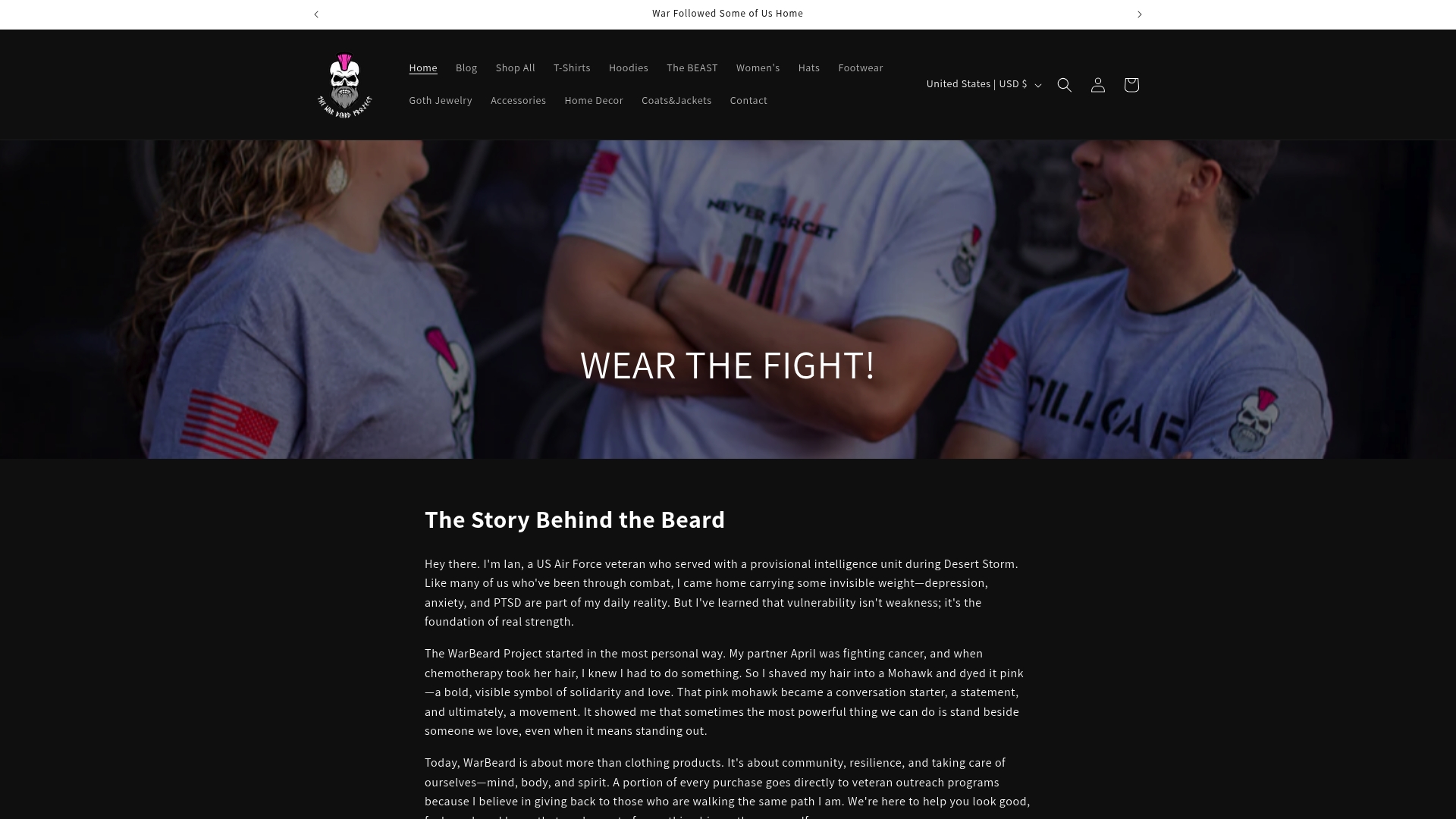
Warbeardproject builds veteran lifestyle apparel for veterans who want clothing that reflects who they are, not just what they did. The OG Logo Unisex Premium Sweatshirt and Iron Logo Unisex Classic Tee represent exactly the kind of versatile, community-rooted pieces that belong in a brotherhood collection — designed for everyday wear and built to carry the Warbeard identity without sacrificing comfort or function.
Veterans building their own collections can also draw inspiration from the base community fashion guide to understand how military-adjacent style translates into everyday apparel. Warbeardproject exists to support veteran brands and the communities behind them. Browse the full catalog and find pieces that belong in your collection.
FAQ
What is a veteran brotherhood apparel collection?
A veteran brotherhood apparel collection is a line of clothing designed to reflect shared service values, unit identity, and camaraderie among veterans. It differs from generic military-themed apparel by drawing directly from the community it represents.
How do I start designing custom veteran clothing?
Start by surveying your veteran community to identify symbols, phrases, and colors that carry shared meaning. Use that input to brief a designer or build initial concepts in a vector design tool before ordering any samples.
Is print-on-demand a good option for veteran apparel?
Print-on-demand reduces upfront costs and eliminates overproduction risk, making it the right starting point for most veteran-owned apparel lines. Shift to bulk production only after you have confirmed consistent demand across multiple drops.
What fabric weight works best for veteran hoodies?
A 70% cotton, 30% polyester blend at 10 oz with double-needle stitching provides the durability and comfort veterans expect from brotherhood apparel. That spec balances structure with everyday wearability.
How do I keep veterans engaged with the collection long-term?
Co-design each new drop with community members, tie releases to veteran events, and partner with veteran nonprofits to give the collection ongoing purpose beyond retail. Ongoing involvement sustains relevance better than any marketing campaign.