

Veteran Nonprofit Apparel Partnerships Explained
Veteran nonprofit apparel partnerships are formal collaborations where apparel brands direct a portion of sales proceeds to veteran-focused nonprofits, funding programs from suicide prevention to service dog placement. These arrangements go well beyond a logo on a shirt. Organizations like Wounded Warrior Project, Semper Fi & America’s Fund, and DAV have built structured programs around revenue-share agreements, licensing deals, and co-branded product lines. For nonprofits and veteran support advocates, understanding how these partnerships work is the first step toward building one that delivers real, measurable results.
How do apparel partnership models work in veteran nonprofit collaborations?
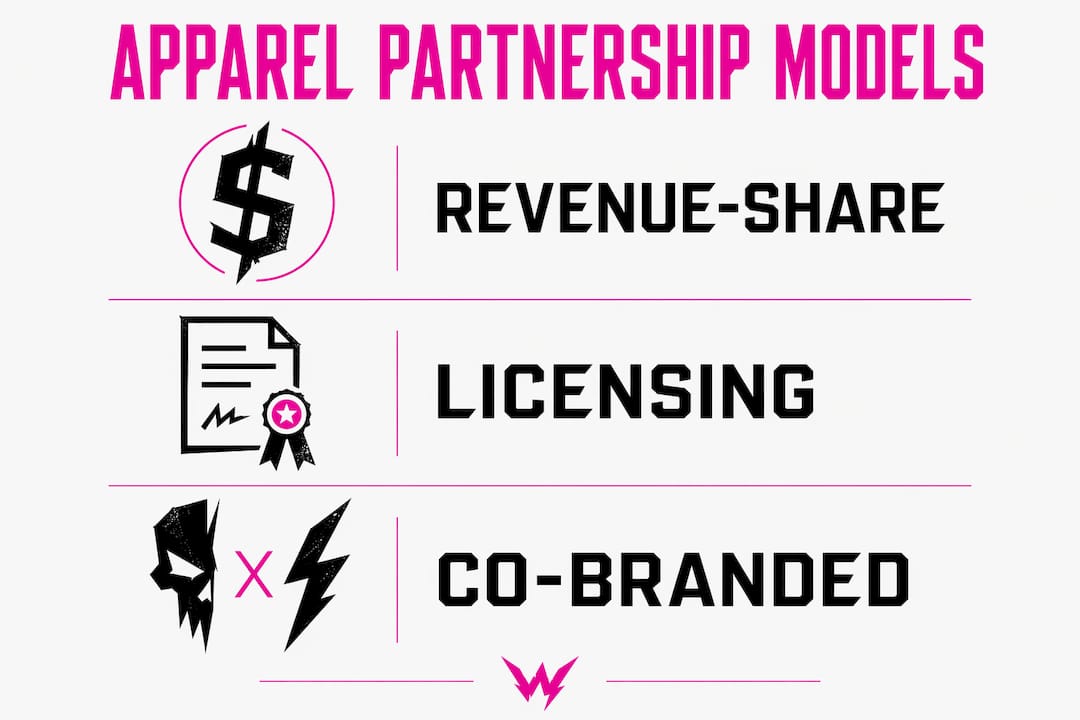
Three core structures define most veteran nonprofit apparel partnerships explained in the field today: revenue-share agreements, licensing programs, and co-branded collaborations.
Revenue-share agreements are the most common entry point. A fixed percentage of each sale goes directly to the nonprofit. Smaller veteran-owned brands often operate on 10% revenue-share models, with founders contributing additional personal giving alongside business donations. That model works well for local initiatives where the nonprofit and brand share a tight community connection.
Licensing programs operate at a larger scale. Wounded Warrior Project’s licensing program, managed through Lisa Marks Associates, spans lifestyle categories including jewelry, home décor, and apparel. That breadth turns a nonprofit’s brand equity into a recurring revenue channel rather than a one-time fundraiser.
Co-branded collaborations sit between the two. A veteran-owned apparel brand and a nonprofit develop a product together, share the story publicly, and split proceeds according to a pre-negotiated formula. Delta Company Clothing funds no-cost service dog placements through exactly this kind of collaboration. Service dog placement costs can reach $50,000 per placement. That specificity turns a purchase into a tangible outcome a customer can picture.
| Model | How it works | Best for |
|---|---|---|
| Revenue-share | Fixed % of each sale goes to nonprofit | Small to mid-size brands, local nonprofits |
| Licensing | Nonprofit licenses its brand to product categories | Established nonprofits with strong brand recognition |
| Co-branded product | Joint product developed and marketed together | Mission-aligned brands seeking deep integration |
| One-time fundraiser | Event or campaign with dedicated proceeds | Seasonal campaigns, Memorial Day, Veterans Day |
Pro Tip: Lock in the donation percentage and payment schedule in writing before any product goes live. Verbal agreements break down when sales volumes grow.
What makes an apparel partnership authentic and effective for veteran nonprofits?
Authenticity in these partnerships comes from mission alignment, not marketing language. The difference between a genuine collaboration and a vague “we support veterans” slogan shows up in the structure of the agreement and the specificity of the programs funded.
Formal Memorandums of Understanding (MOUs) are the clearest signal of a serious partnership. PsychArmor and Dixon Center for Military and Veterans Services formalized their collaboration with an MOU that embeds shared values around health, education, and employment directly into partnership operations. That document forces both parties to define what success looks like before money changes hands.
Symbolic product releases tied to real programs also separate effective partnerships from generic ones. Vortex partnered with the Wisconsin VFW to raise proceeds through commemorative apparel, connecting Memorial Day imagery to funded veteran programs. The product tells a story, and that story drives purchases. Apparel tied to American flag symbolism carries weight with veteran communities precisely because the imagery is specific, not generic.
The most effective partnerships also go beyond fundraising. DAV’s collaboration with Americans for Ibogaine advances veteran research and policy advocacy, combining each organization’s strengths to push for systemic reform. Fundraising fills program budgets. Advocacy changes the conditions veterans face.
Key markers of an authentic veteran apparel partnership:
- A signed MOU or formal agreement with defined goals
- Funding directed at specific programs, not a general fund
- Transparent reporting on how proceeds are used
- Product symbolism connected to a real cause or campaign
- Advocacy components that extend beyond the sale
Pro Tip: Ask any prospective apparel partner to name the specific veteran program your proceeds will fund. Vague answers are a red flag.
How do veteran nonprofits measure and maximize the impact of apparel partnerships?
Measurement is where most apparel partnerships either build credibility or lose it. Nonprofits that track funds from point of sale to program delivery give donors a reason to buy again.
Technology platforms now make this tracking practical at scale. The HEADS UP VET coalition uses AWS Cloud infrastructure and the Apricot case management platform to measure impact across suicide prevention and brain injury support programs. Apricot allows case managers to log service delivery in real time. That data can then be translated into per-sale impact metrics that apparel partners share with customers at checkout or in post-purchase emails.
| Impact metric | What it measures | Why it matters |
|---|---|---|
| Cost per service dog placement | Total program cost divided by placements funded | Connects a purchase to a specific outcome |
| Cases managed per quarter | Number of veterans served through funded programs | Shows operational scale to donors |
| Funds raised per product SKU | Revenue by product tied to nonprofit | Identifies top-performing partnership products |
| Donor retention rate | Repeat purchases from mission-driven buyers | Measures long-term partnership loyalty |
Concrete outcomes drive repeat engagement. Delta Company Clothing’s model of funding service dog placements at up to $50,000 per dog gives customers a clear picture of what their purchase contributes. That specificity builds the kind of trust that generic “10% to veterans” messaging cannot.
Pro Tip: Ask your apparel partner to include a QR code on product packaging that links directly to your impact dashboard. Real-time data turns a one-time buyer into a long-term supporter.
What practical steps can nonprofits take to build successful apparel partnerships?
Building a partnership that lasts requires more than finding a brand willing to print your logo. The process starts with alignment and ends with accountability.
-
Identify mission-aligned apparel brands. Search for veteran-owned or veteran-support brands whose existing products and messaging match your nonprofit’s focus. A brand already funding tactical clothing for veterans is a stronger fit than a generic lifestyle brand adding a veteran tag to its marketing.
-
Draft a formal partnership agreement. Define the revenue-share percentage, payment schedule, reporting requirements, and program designation. Use an MOU as the foundation. PsychArmor and Dixon Center’s MOU model shows that written structural alignment prevents mission drift over time.
-
Tie the product to a specific program. Generic fundraising loses to specific storytelling. If your nonprofit places service dogs, funds PTSD counseling, or runs suicide prevention hotlines, name that program in the product description and campaign materials.
-
Launch around symbolic dates and events. Memorial Day, Veterans Day, and military homecoming events give co-branded campaigns a natural audience and a built-in emotional context. Vortex’s Memorial Day poppy shirt campaign with the Wisconsin VFW is a direct example of this working at the regional level.
-
Report impact publicly and regularly. Publish quarterly updates showing how apparel proceeds translated into services delivered. Share those reports with your apparel partner so they can use the data in their own marketing. Transparency benefits both sides.
-
Build for the long term. One-time fundraisers generate short bursts of revenue. Recurring revenue-share agreements and licensing programs build sustainable funding streams. Wounded Warrior Project’s licensing model across multiple product categories demonstrates what long-term integration looks like at scale.
Key Takeaways
Veteran nonprofit apparel partnerships deliver the most impact when they combine formal agreements, specific program funding, and transparent impact reporting.
| Point | Details |
|---|---|
| Choose the right model | Revenue-share, licensing, and co-branded structures each suit different nonprofit sizes and goals. |
| Formalize with an MOU | Written agreements prevent mission drift and define success before any product launches. |
| Fund specific programs | Naming a concrete outcome, like service dog placement, builds more donor trust than a general fund. |
| Use technology to track impact | Platforms like Apricot connect apparel sales data to real program delivery metrics. |
| Go beyond fundraising | The strongest partnerships combine revenue generation with advocacy and policy work. |
What I’ve learned about apparel partnerships that most guides skip
Most articles on nonprofit apparel partnerships focus on the fundraising math. The percentage, the product, the campaign. What they miss is the accountability gap that opens up after the launch.
I’ve watched partnerships start strong and fade within two years because neither side built a reporting rhythm. The apparel brand ships product, sends a check, and moves on. The nonprofit cashes the check and never tells the brand what it funded. That silence kills momentum. Donors who bought the shirt never hear what their purchase did. They don’t buy again.
The partnerships that hold up are the ones where the nonprofit treats the apparel brand as a program partner, not a donor. That means quarterly calls, shared impact data, and co-authored updates that both sides publish. When Delta Company Clothing ties purchases directly to service dog placements at up to $50,000 per dog, customers understand the stakes. That specificity is not a marketing trick. It is a structural commitment to accountability.
The other thing most guides miss is the advocacy dimension. DAV’s work with Americans for Ibogaine shows that the best partnerships do not stop at funding programs. They use the platform the partnership creates to push for policy change. Apparel gives a nonprofit visibility. Visibility gives it a voice. Using that voice for advocacy is where the real long-term value lives.
My honest recommendation: before you sign any apparel partnership, ask yourself whether you are prepared to report on it publicly every quarter. If the answer is no, fix your internal tracking first. A partnership you cannot measure is a partnership you cannot grow.
— Ian
Warbeardproject’s apparel and veteran nonprofit support
Warbeardproject builds veteran lifestyle apparel with a direct connection to the causes that matter to the military community.
Products like the OG Logo Unisex Hoodie and the New Logo Yoga Leggings are designed for veterans and their supporters, with proceeds channeled toward veteran causes. Every purchase is a concrete contribution, not a vague gesture. Nonprofits and advocates looking for an apparel partner that takes mission alignment seriously will find Warbeardproject’s active wear collection a practical starting point for building a collaboration grounded in transparency and community impact.
FAQ
What is a veteran nonprofit apparel partnership?
A veteran nonprofit apparel partnership is a formal agreement where an apparel brand directs a portion of sales proceeds to a veteran-focused nonprofit. Common structures include revenue-share agreements, licensing programs, and co-branded product collaborations.
How much do apparel brands typically donate to veteran nonprofits?
Smaller veteran-owned brands often operate on 10% revenue-share models, with founders contributing additional personal giving alongside business donations. Larger programs, like Wounded Warrior Project’s licensing arrangement, generate recurring revenue across multiple product categories.
What makes a veteran apparel partnership authentic?
Authentic partnerships use formal MOUs to define shared goals, fund specific programs rather than general accounts, and publish transparent impact reports. Vague “we support veterans” messaging without program specifics is a sign of a weak partnership structure.
How do nonprofits track the impact of apparel partnerships?
Nonprofits use case management platforms like Apricot, supported by cloud infrastructure, to track funds from apparel sales through to services delivered. That data enables per-sale impact reporting, which strengthens donor trust and repeat purchases.
Can apparel partnerships support veteran advocacy, not just fundraising?
Yes. DAV’s partnership with Americans for Ibogaine demonstrates that the strongest collaborations combine fundraising with policy advocacy and research. Apparel generates visibility and revenue; advocacy uses that platform to push for systemic change.