

Why Veterans Value Heritage Brands: A 2025 Analysis
Why veterans value heritage brands: the core reasons
Veterans gravitate toward heritage brands because those brands reflect the same principles that defined military service: discipline, integrity, and a commitment that does not waver when conditions change. The connection is not sentimental. It is structural. When a brand’s behavior consistently matches its stated values, veterans recognize the pattern immediately.
- Shared military values. Veterans create emotional loyalty to brands that mirror core principles like discipline, integrity, and selflessness, generating a fraternal bond that civilian-focused brands rarely achieve.
- Cultural alignment. Brands that reflect military culture in their messaging, hiring, and product design signal that they understand the veteran experience without needing to explain it.
- Authenticity capital. Veteran-led brands that leverage military service as a performance-based value rather than a marketing prop build lasting trust through operational consistency.
- Military discounts and VSO support. 25% of Post-9/11 veterans and 22% of all veterans report loyalty to brands offering military discounts; comparable percentages show loyalty to brands that actively support veteran service organizations.
- Quality signaling. Brand heritage reduces informational asymmetry, signaling quality and credibility to veterans who are skeptical of civilian market claims.
- Community and camaraderie. Supporting veteran-owned businesses reinforces the same sense of brotherhood veterans built during service, extending that bond into civilian life.
- Giving back. Veterans prefer brands that direct resources toward veteran causes year-round, not just around Veterans Day or Memorial Day.
These drivers compound. A brand that offers a military discount while also hiring veterans and partnering with veteran nonprofits does not just earn a purchase. It earns a repeat customer who tells other veterans.
How patriotism functions as a lifestyle brand for veterans
Patriotism is not a campaign for veterans. It is a permanent orientation, and brands that treat it as a seasonal promotional tool get called out fast. The Journal of Veterans Studies 2025 research confirms that successful veteran-led brands convert military heritage into authenticity capital rather than patriotic symbolism, embedding military experience into the brand’s core DNA rather than its marketing calendar.
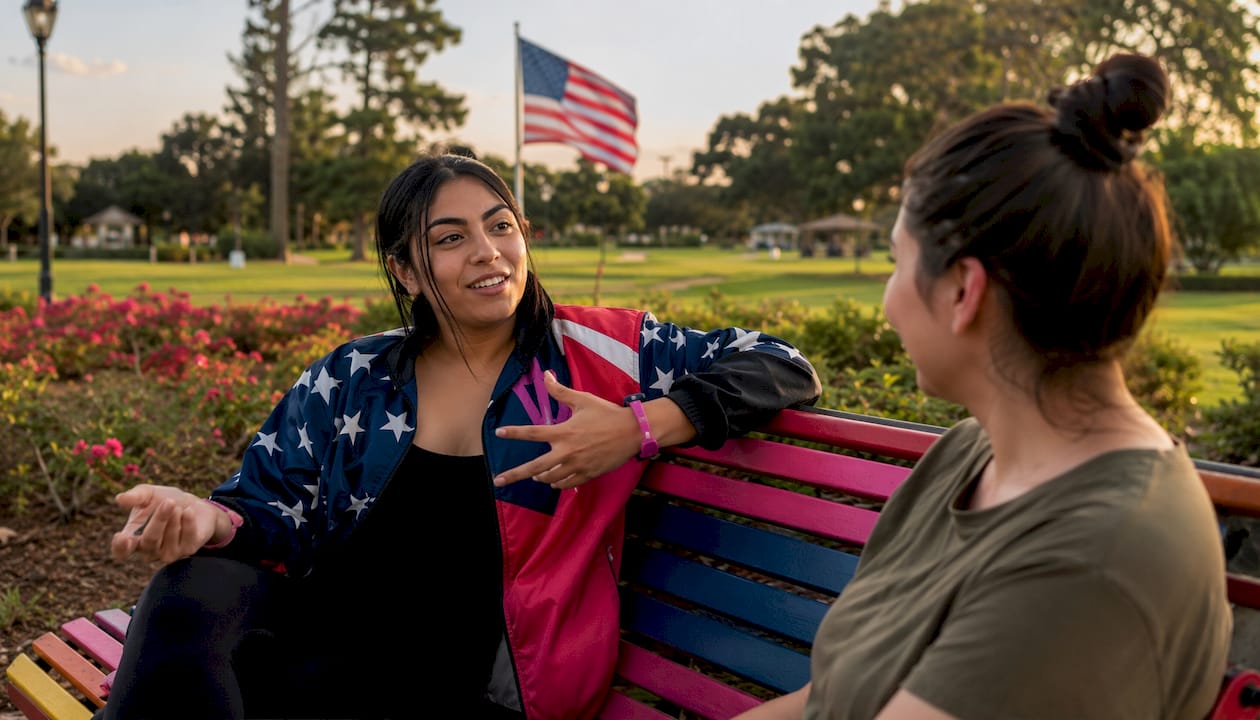
The distinction matters because veterans distinguish between brands that perform patriotism and brands that practice it. A company that runs a flag-themed ad in November but has no veterans on staff, no VSO partnerships, and no year-round support programs reads as hollow. Veterans have spent years in environments where credibility was earned through daily behavior, not announcements. They apply the same standard to brands.
Grunt Style built its identity around unapologetic military pride expressed through apparel, with veteran founders and a culture that extends beyond the product line. Black Rifle Coffee Company tied its brand narrative directly to veteran employment and veteran causes, making the mission visible in its operations. Warbeardproject takes a different angle: bold graphic design with a deliberately unconventional aesthetic that reflects the irreverence and edge that many veterans carry out of service. Each of these brands succeeds because the military connection is structural, not decorative.
Pro Tip: Veterans respond negatively to performative patriotism. If your brand’s military commitment disappears between November 11 and the next Memorial Day, veterans will notice. Year-round consistency in hiring, partnerships, and community support is the only credible signal.
What veteran marketing strategies actually work
Veterans respond to authenticity, respect, and cultural alignment. Generic “thank you for your service” messaging without operational substance behind it tends to produce skepticism rather than loyalty. Effective veteran marketing is built on a different set of practices.
- Meaningful veteran support. Brands that partner with veteran nonprofits, fund mental health programs, or contribute to veteran employment initiatives demonstrate commitment that goes beyond a discount code.
- Transparent partnerships. Veterans value knowing exactly where their purchase dollars go. Vague claims of “supporting the troops” without named partners or disclosed amounts register as marketing noise.
- Credible storytelling. Founder stories, employee profiles, and real accounts of military experience carry more weight than polished ad copy. Veterans are wary of hyperbolic militarism and stolen-valor imagery; subtle, honest proof points outperform dramatic claims.
- Veteran feedback loops. Veterans actively seek brands that incorporate their input into product and service development. Brands that act on veteran feedback build loyalty through participation, not just transaction.
- Military discounts as loyalty infrastructure. Discounts are not just a price incentive. They signal that the brand recognizes military service as something worth acknowledging in a concrete way.
- Avoiding over-tactical aesthetics. Brands that lean too hard on tactical gear imagery or military-only visual language can alienate veterans who have moved past that identity phase, while also limiting appeal to the broader veteran-adjacent audience.
- Community-building over broadcasting. Veterans respond to brands that create spaces for connection, whether through events, online communities, or shared causes, rather than brands that simply push product messaging.
The brands that get this right treat their veteran audience as a community to serve, not a demographic to target. That framing shift shows up in every touchpoint, from product design to customer service language.
The economic and cultural weight of veteran-owned businesses
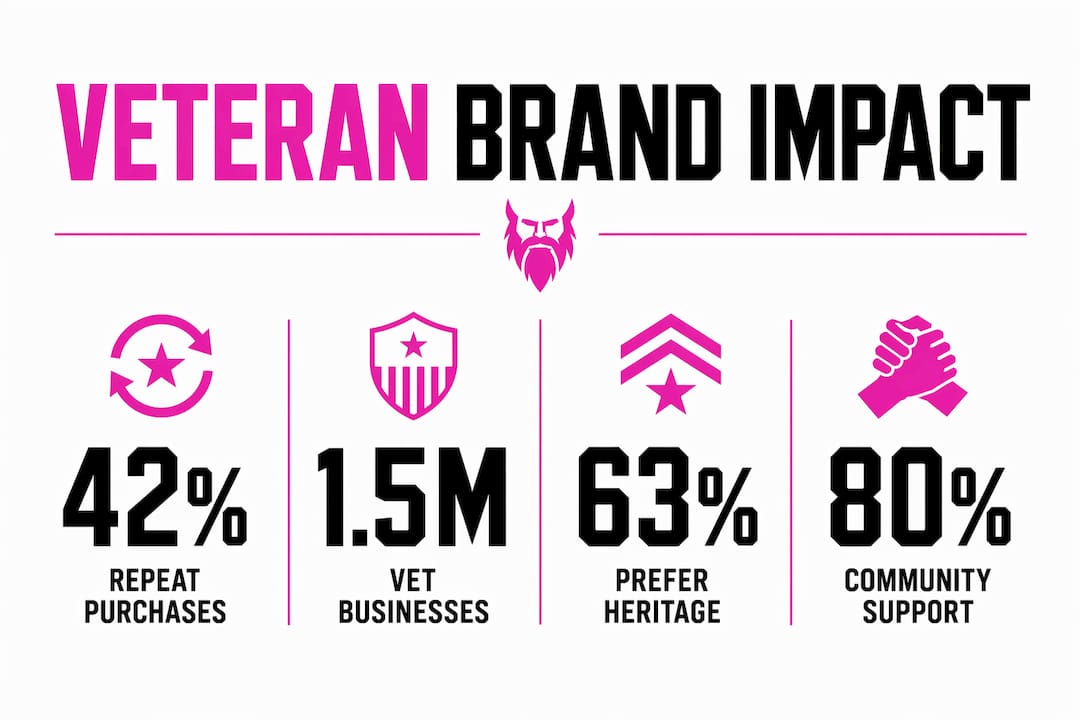
Veteran-owned businesses are a measurable economic force in the United States. According to the SBA’s 2024 veteran ownership data, veteran-owned firms represent a significant share of American small businesses, generating revenue and employment across sectors. The Institute for Veterans and Military Families at Syracuse University has documented the broader economic case for buying veteran-owned as a national priority, citing both direct employment and community multiplier effects.
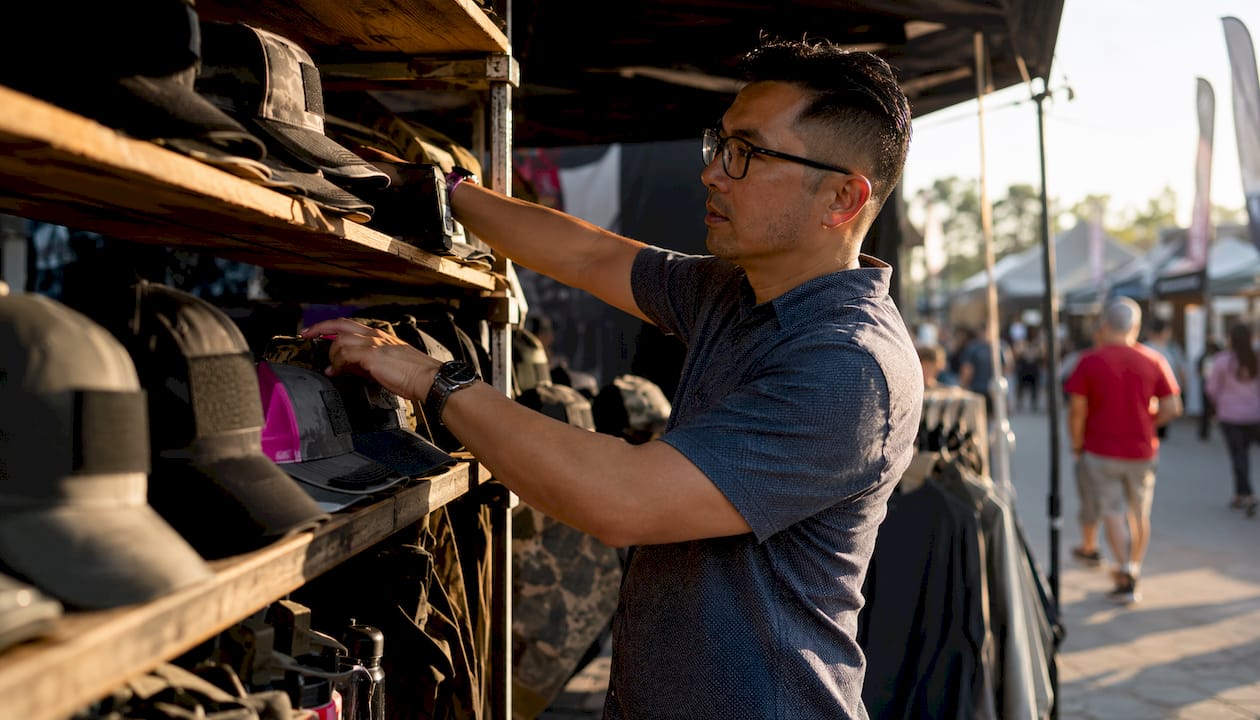
Military customers have higher repeat purchase rates than the general consumer population, driven by a preference for consistency, reliability, and organizations that keep their commitments. That loyalty translates directly into revenue stability for veteran-owned brands.
The cultural dimension is equally concrete. Veteran-owned businesses preserve military traditions and values through commerce, keeping those principles visible in civilian life. They also provide employment pathways for veterans navigating the transition out of service, a period that carries well-documented economic and psychological risk.
| Metric | Detail |
|---|---|
| Veteran brand loyalty driver | 70–80% of military consumers prefer brands actively supporting the military, even over cheaper alternatives. |
| Discount-driven loyalty | 25% of Post-9/11 veterans report loyalty to brands offering military discounts |
| VSO support loyalty | ~22% of all veterans show loyalty to brands supporting veteran service organizations |
| Repeat purchase behavior | Military customers show higher repeat purchase rates due to valuing consistency and reliability |
| Economic role | Veteran-owned businesses drive employment and community economic empowerment for veterans |
70–80% of military consumers prefer brands that actively support the military community, even when cheaper alternatives are available. That preference gap is the commercial case for authentic veteran brand commitment.
The cultural preservation function of veteran-owned businesses is harder to quantify but equally real. When a brand built by veterans hires veterans, partners with veteran nonprofits, and designs products that reflect military experience, it extends the culture of service into the civilian economy. Veterans who support those businesses are not just making a purchase. They are reinforcing a value system they spent years building.
How Warbeardproject approaches veteran apparel and symbolism
Veteran apparel carries meaning that generic lifestyle clothing does not. The symbols, colors, and design choices in veteran-oriented gear communicate identity, branch pride, and shared experience in ways that veterans read immediately and civilians often miss entirely. Warbeardproject operates from that understanding, building apparel that reflects military experience through design rather than decoration.
The American flag in veteran apparel is not simply a patriotic graphic. It functions as a signal of identity and community connection, one that veterans interpret through the lens of their service rather than as a generic national symbol. Service branch pride gear operates similarly, marking shared experience within specific military communities and reinforcing the bonds that branch culture creates.
Warbeardproject’s design philosophy goes further than flag placement or branch insignia. The brand’s bold black-and-white graphic aesthetic with hot pink accents reflects the irreverence and edge that characterizes a lot of post-service veteran identity. It is not the polished, reverent aesthetic of legacy military brands. It is deliberately unconventional, speaking to veterans who have processed their service and come out the other side with a sense of humor and a refusal to be defined by a single image of what a veteran looks like.
- Symbolic design. Apparel uses American flag imagery and branch-specific visual language to reinforce veteran identity and community connection.
- Nonprofit partnerships. Warbeardproject’s veteran nonprofit partnerships connect purchases to causes, making the brand’s commitment to the veteran community visible and verifiable.
- Military tradition in design. The brand draws on military tradition in apparel to ground its aesthetic in real cultural reference points rather than generic military imagery.
- Transition relevance. Apparel that reflects veteran transition acknowledges the identity shift from service to civilian life, a dimension most lifestyle brands ignore entirely.
- Warrior ethos in design. The brand’s visual language reflects the warrior ethos without resorting to the hyperbolic militarism that veterans find hollow.
- Military humor. Incorporating military humor in apparel acknowledges the coping culture and in-group communication style that veterans share, signaling genuine cultural fluency.
Veterans who need ongoing support beyond apparel can also find resources through organizations like CareBuilders at Home, which provides VA-approved in-home and respite care for veterans and their families.
Pro Tip: Veteran apparel authenticity is confirmed by daily brand behavior: consistent veteran hiring, real nonprofit partnerships, and design that reflects actual military culture. A founder story backed by verifiable service history carries more weight than any marketing claim.
Warbeardproject’s position in the veteran lifestyle space is built on that operational consistency. The brand’s design choices, partnerships, and community engagement reflect a genuine understanding of what veterans value, not a surface-level interpretation of military aesthetics. For veterans looking for apparel that reflects who they actually are, that specificity is the differentiator.
Key Takeaways
Veterans value heritage brands because those brands consistently reflect military values, build authentic community ties, and demonstrate commitment through daily behavior rather than seasonal campaigns.
| Point | Details |
|---|---|
| Values alignment drives loyalty | Veterans bond with brands that mirror discipline, integrity, and selflessness in their operations, not just their messaging. |
| Discounts signal respect | 25% of Post-9/11 veterans report loyalty to brands offering military discounts, making discount programs a concrete loyalty driver. |
| Authenticity over symbolism | Successful brands convert military heritage into authenticity capital through consistent hiring, partnerships, and year-round support. |
| Economic impact is real | 70–80% of military consumers prefer brands actively supporting the military community, even over cheaper alternatives. |
| Apparel carries cultural meaning | Veteran apparel using American flag imagery, branch pride gear, and nonprofit partnerships reinforces identity and community connection. |