

Warrior Ethos in Fashion: What It Means and Why It Matters
Warrior ethos in fashion is defined as a design and cultural philosophy that embeds values such as courage, honor, and resilience into garments through symbolic motifs, archetypal silhouettes, and narrative-driven collections. The concept draws from historical warrior identities across cultures, from Japanese samurai to Sikh Singhs to Joseon Dynasty soldiers, and translates their ethical codes into modern apparel. Designers use this philosophy not to replicate military gear but to create clothing that carries moral weight. For fashion enthusiasts and industry professionals, understanding this ethos means recognizing that a garment can function as both aesthetic statement and personal declaration of character.
What is warrior ethos in fashion and where does it come from?
Warrior ethos in fashion is the practice of encoding warrior values into garment design, construction, and storytelling. The term borrows from military doctrine, where the ethos of a warrior refers to a code of conduct built on selflessness, discipline, and service before self. Fashion translates this code into visual language: structured silhouettes, protective forms, and culturally loaded symbols.
Modern fashion brands draw from historical warrior identities including Sikh Singhs, Japanese samurai, and South African township subcultures to create culturally rich apparel. These are not costume references. They are design decisions rooted in over 500 years of warrior tradition. The Khanda, the double-edged sword symbol of the Sikh faith, appears in contemporary streetwear as a mark of justice and courage. Japanese Kamon crests, originally used to identify samurai clans, now appear on luxury garments as symbols of lineage and honor.
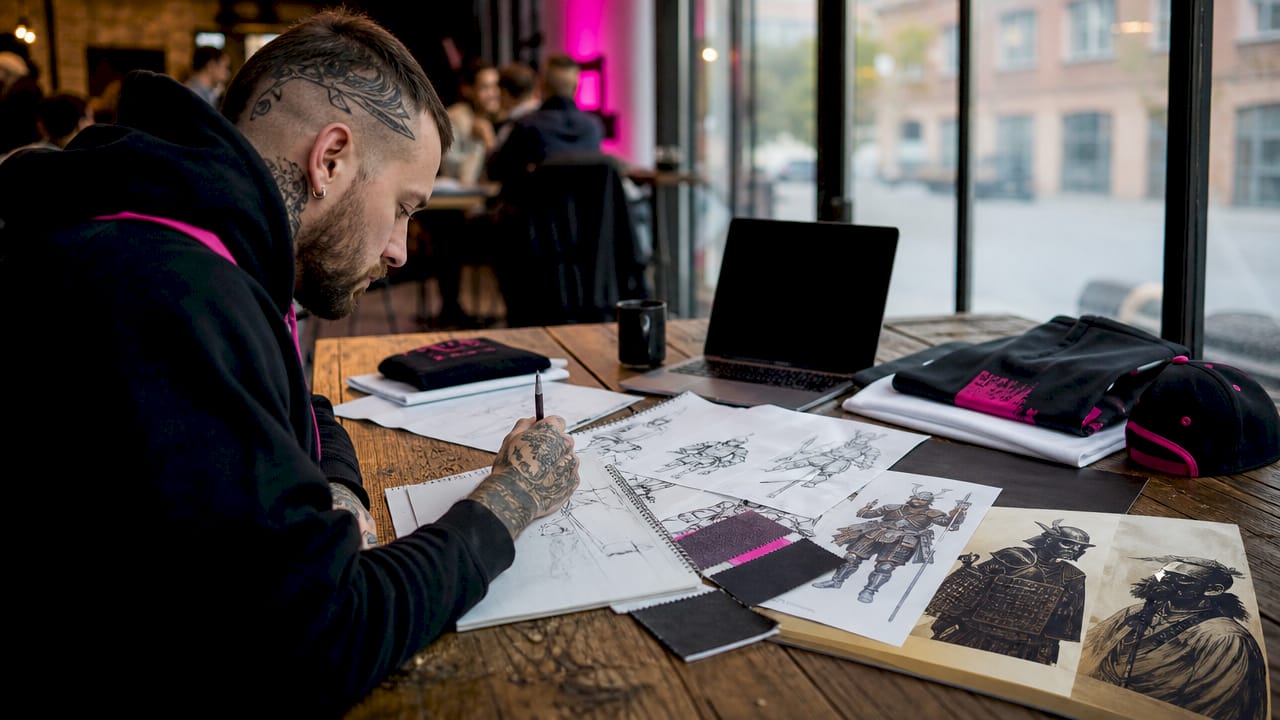
The Joan of Arc haute couture collection offers a recent example. Structured pieces resembling armor are paired with luxury fabrics to evoke both strength and beauty. That combination is the core move of warrior-inspired fashion: power made wearable.
Pro Tip: When researching warrior culture in fashion, look beyond surface aesthetics. The most credible designs cite a specific warrior tradition and explain what value that tradition represents.
| Warrior Culture | Symbolic Element | Fashion Translation |
|---|---|---|
| Sikh Singh | Khanda symbol | Streetwear graphics, embroidered patches |
| Japanese Samurai | Kamon clan crest | Luxury jackets, structured outerwear |
| Joseon Dynasty | Armor silhouette | Structured hanbok-inspired garments |
| Joan of Arc | Breastplate form | Haute couture structured bodices |
| South African Township | Subcultural motifs | Contemporary streetwear prints |
What values and ethical codes does the warrior ethos bring to fashion?
The warrior ethos in apparel goes beyond visual references to armor or weapons. It encodes a specific set of values into the design narrative itself. Those values are courage, honor, endurance, and selflessness. Each one translates into a design decision.
- Courage appears in bold silhouettes and unconventional construction that challenges conventional beauty standards.
- Honor shows up in craftsmanship. Garments built with precision and care signal that the maker holds the work to a high standard.
- Endurance is expressed through durable materials and functional design that performs under pressure.
- Selflessness connects to the concept of service. Designers working with warrior ethos often frame their collections as tools for the wearer, not showcases for the designer.
The warrior ethos rooted in values such as selflessness and honor is translated into fashion through heroic archetypes and tailored silhouettes. Designer Jay Songzio used this framework explicitly when creating costumes for BTS, building garments around archetypes like the hero, the architect, and the vanguard. Each archetype carries a distinct set of values that shape the garment’s form and detail.
Fashion leaders apply warrior ethos as a culture of high standards and excellence that extends beyond literal combat themes. Anna Wintour is cited as an example of this ethos in practice: demanding standards, relentless discipline, and a refusal to accept mediocrity. The warrior ethos in a fashion environment is not about aggression. It is about excellence as a non-negotiable standard.
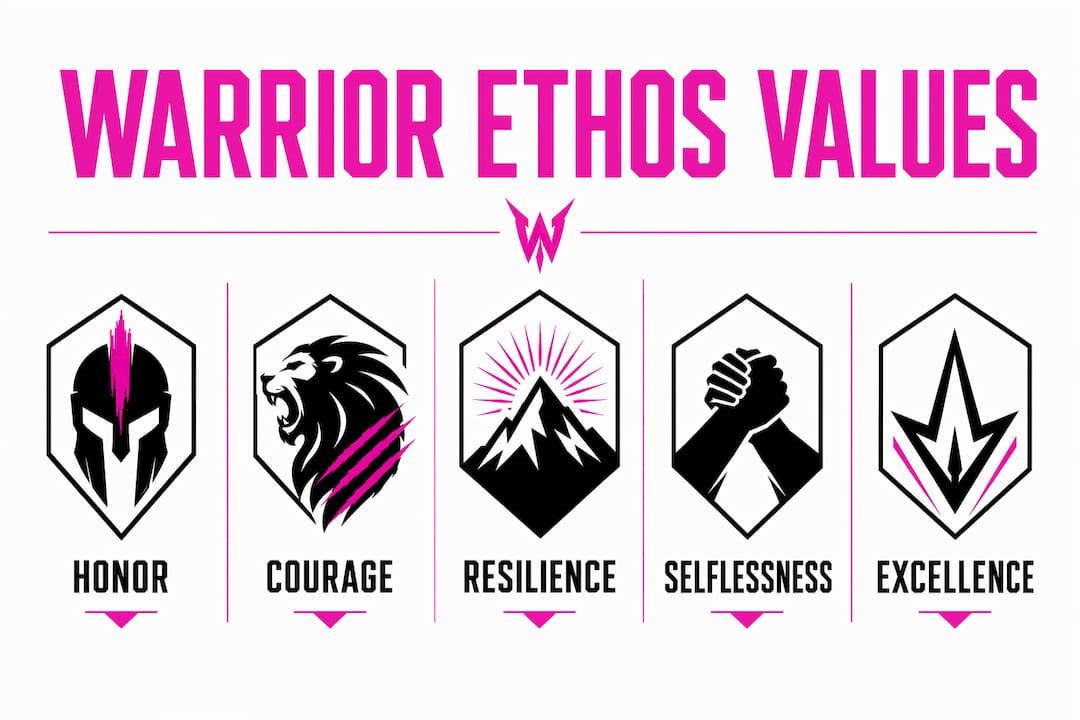
Pro Tip: If you are designing with warrior ethos, define the specific value your collection embodies before you sketch a single piece. The value determines the silhouette, the fabric, and the detail.
How do designers bring warrior ethos to life in collections?
The most effective technique in warrior-inspired fashion is the juxtaposition of hard and soft. Hard, protective elements paired with fluid fabrics symbolize the balance of strength and vulnerability. This is what separates warrior fashion from costume design. A breastplate shape rendered in silk chiffon reads as fashion. The same shape in rigid plastic reads as cosplay.
London Fashion Week’s armor-chestplate trend demonstrated this principle at scale. High-fashion designers used warrior-inspired designs to offer emotional protection and resilience as a direct response to global uncertainty. The garments were not literal shields. They were structured bodices, pauldron-shaped shoulder pieces, and layered constructions that communicated protection through form.
The concept of Lyrical Armor takes this further. Lyrical Armor design blends traditional armor silhouettes with fluid fabrics to balance strength and vulnerability. Songzio applied this to BTS’s Joseon-era inspired costumes, mixing the rigid geometry of Joseon Dynasty armor with the soft flow of hanbok fabric. The result was garments that read as both historically grounded and emotionally resonant.
| Design Element | Technique | Symbolic Meaning |
|---|---|---|
| Breastplate silhouette | Structured boning or molded fabric | Protection, emotional armor |
| Pauldron shoulder | Exaggerated shoulder construction | Authority, readiness |
| Fluid underlayer | Silk, chiffon, or jersey beneath structure | Vulnerability, humanity |
| Cultural motif | Embroidery, print, or hardware | Heritage, identity |
| Mixed media layering | Hard shell over soft base | Strength balanced with feeling |
Pro Tip: Avoid replicating armor literally. Abstract the shape. A shoulder seam that echoes a pauldron communicates warrior spirit without crossing into costume territory.
How does warrior ethos-inspired clothing affect the wearer?
Warrior style clothing does more than signal an aesthetic preference. Warrior ethos in apparel fosters emotional resilience and cultural pride, functioning as armor for everyday challenges. Wearers report increased confidence and a stronger connection to cultural identity when wearing warrior-inspired fashion. That psychological effect is not incidental. It is built into the design intent.
The impact operates on several levels:
- Personal empowerment: Structured, protective silhouettes physically change posture and presence. A garment that holds the body upright communicates confidence before the wearer speaks.
- Cultural connection: Wearing a Kamon crest or a Khanda symbol connects the wearer to a lineage of people who held specific values. That connection is meaningful, particularly for diaspora communities.
- Subcultural identity: Within communities that share warrior values, such as veterans, martial artists, or cultural heritage groups, warrior-themed clothing signals belonging and shared code.
- Emotional resilience: Designers at London Fashion Week explicitly framed armor-inspired pieces as emotional shields. The garment becomes a tool for navigating difficulty.
Warbeardproject operates directly in this space. The brand’s military tradition in apparel approach treats clothing as a vehicle for values, not just style. For veterans, that distinction matters. The garment carries the weight of lived experience.
How is the warrior ethos evolving in fashion right now?
The concept of warrior spirit in fashion is moving away from literal military references toward inclusive reinterpretation. Designers are pulling from a wider range of warrior traditions, including West African warriors, Indigenous American warrior societies, and Celtic warrior culture. This expansion reflects a broader shift in fashion toward cultural specificity over generic “warrior aesthetic.”
Sustainability is entering the conversation. The Joan of Arc haute couture collection pairs warrior symbolism with luxury sustainable materials. That combination signals a new direction: warrior ethos applied not just to aesthetics but to production ethics. A brand that holds itself to warrior standards of honor and discipline should, by that logic, hold its supply chain to the same standard.
For industry professionals, the practical implication is clear. Warrior-inspired fashion requires research. Borrowing a symbol without understanding its origin produces work that reads as superficial at best and disrespectful at worst. The designers doing this well, including Songzio and the Joan of Arc collection team, demonstrate deep knowledge of the traditions they reference. That depth is visible in the work.
The role of the American flag in veteran apparel offers a useful case study in how a single symbol carries layers of meaning. When worn by veterans, it communicates service, sacrifice, and identity simultaneously. That density of meaning is what warrior ethos-inspired fashion aims for in every design decision.
Key Takeaways
Warrior ethos in fashion is a design philosophy that encodes specific values into garments through silhouette, material, and cultural symbolism, not through literal military replication.
| Point | Details |
|---|---|
| Definition is values-first | Warrior ethos in fashion centers on courage, honor, and resilience encoded into design decisions. |
| Cultural specificity matters | Effective warrior-inspired fashion cites a specific tradition, such as Sikh, samurai, or Joseon, and respects its meaning. |
| Lyrical Armor is the key technique | Pairing hard, structured forms with fluid fabrics creates emotional resonance without cosplay. |
| Wearers gain real psychological benefit | Warrior-themed clothing increases confidence and cultural connection, not just aesthetic appeal. |
| The ethos applies beyond aesthetics | In fashion environments, warrior ethos means holding work to a standard of excellence and discipline. |
Why I think most warrior-inspired fashion misses the point
The best warrior-inspired collections I have seen share one quality: the designer can tell you exactly which warrior tradition they drew from and why that tradition’s values matter to the garment. Most collections cannot pass that test. They pull armor shapes because armor looks powerful, not because they have thought through what the armor meant to the people who wore it.
The Songzio work for BTS is the clearest counterexample. Storytelling and symbolic armor aesthetics take priority over literal military replication. Every design decision in that collection traces back to a specific value from a specific tradition. That is the standard the concept demands.
The challenge for fashion professionals is that this level of research takes time and requires humility. You have to learn before you design. The opportunity is that garments built this way carry a weight that purely aesthetic work cannot match. Wearers feel it. That is not a marketing claim. It is the difference between clothing that performs a look and clothing that holds a meaning.
The warrior ethos also applies to how you run a design practice. Discipline, high standards, and service to the wearer over self-expression: those are warrior values too. The best designers in this space live the ethos, not just reference it.
— Ian
Gear that carries the warrior ethos: Warbeardproject
Warbeardproject builds veterans lifestyle apparel around the same values this article covers: resilience, honor, and identity expressed through design. The brand’s active wear line translates warrior spirit into everyday clothing built for people who live these values, not just wear them.
The New Logo Yoga Leggings and the OG Logo Unisex Hoodie are designed with the same philosophy covered here: symbolic branding, functional construction, and a clear connection to the warrior tradition that shaped the brand. If you want clothing that carries meaning beyond aesthetics, the Warbeardproject active wear collection is the direct next step.
FAQ
What is warrior ethos in fashion?
Warrior ethos in fashion is a design philosophy that embeds values such as courage, honor, and resilience into garments through symbolic motifs, structured silhouettes, and cultural storytelling. It draws from historical warrior traditions rather than literal military gear.
How does warrior culture influence modern fashion design?
Designers reference specific warrior cultures, including Sikh Singhs, Japanese samurai, and Joseon Dynasty soldiers, to incorporate symbolic elements like the Khanda and Kamon crest into streetwear and haute couture collections.
What is Lyrical Armor in fashion?
Lyrical Armor is a design technique that pairs armor-inspired silhouettes with fluid fabrics to balance strength and vulnerability. Designer Jay Songzio applied this concept to BTS’s Joseon-era comeback costumes.
Does wearing warrior-inspired clothing have a real psychological effect?
Wearers of warrior ethos-inspired apparel report increased confidence and stronger cultural identity. Structured, protective silhouettes physically affect posture and presence, producing a measurable change in how the wearer carries themselves.
How is warrior ethos different from military fashion?
Military fashion replicates the visual codes of armed forces uniforms. Warrior ethos fashion encodes the values behind those uniforms, including honor, endurance, and service, into design decisions that function in civilian and high-fashion contexts.