

How to Search for a T-Shirt Online and Find It Fast
Start with a visual search. Upload a photo or screenshot of the shirt to Google Lens, Pinterest Lens, or the specialist tool Find That Shirt, which accepts images and returns direct shopping links or close matches. If the shirt is veteran-themed, Warbeardproject carries ready-to-buy options now.
Quick steps to run a t shirt search right now:
- Take a clean photo or screenshot of the shirt, cropped tight to the design
- Upload it to Google Lens, Pinterest Lens, or Find That Shirt
- Scan results for product page links and retailer names
- If no exact match appears, extract any visible text or logo details from the results and pivot to keyword searches on targeted marketplaces
- For veteran-themed graphic tees, go directly to Warbeardproject
Key Takeaways
Visual search is the fastest starting point for any t shirt search: upload a photo, extract design details, then pivot to targeted keyword searches on the right marketplace.
| Point | Details |
|---|---|
| Start with visual search | Upload a cropped photo to Google Lens, Pinterest Lens, or Find That Shirt to locate exact matches or close dupes. |
| Match marketplace to intent | Artist platforms suit niche graphics; resale platforms (eBay, Depop) cover vintage; custom providers handle made-to-order. |
| Use your measurements, not size labels | Measure pit-to-pit, body length, and sleeve length on a shirt that fits, then compare to the seller’s size chart. |
| Verify before buying | Require tag photos, print close-ups, a clear returns policy, and payment protection on every resale purchase. |
| Warbeardproject for veteran tees | The Beer Pressure, F22, and Warning Classic tees are available now with size charts, secure checkout, and veteran outreach donations. |
Table of Contents
- Where to look: the best tools and marketplaces for finding graphic and vintage tees
- How to run a visual search and read the results quickly
- How to write keyword searches that return exact or close matches
- Where to find vintage, rare, or discontinued t-shirts
- What to check before you click Buy: sizing, condition, and payment protection
- What the search process actually looks like in practice
- Veteran-themed tees available now from Warbeardproject
- Quick links: tools, archives, and marketplaces to open now
- Sources
Where to look: the best tools and marketplaces for finding graphic and vintage tees
No single platform covers every search scenario. The right marketplace depends on your intent: artist-driven platforms suit niche graphic designs, custom providers handle made-to-order, and resale platforms are the path for vintage or discontinued shirts.
Visual search tools (start here):
- Google Lens: Broad coverage, fast results, often surfaces product pages and retailer links directly from a photo
- Pinterest Lens: Strong for design-forward and fashion-adjacent shirts; results skew toward style inspiration and shop links
- Find That Shirt (shapes.inc): Fashion-focused image-to-shop matching; built specifically for clothing identification
Artist and graphic tee marketplaces:
- TeePublic and Threadless: Curated artist designs; strong for niche graphic tees with keyword and tag filtering
- Redbubble: Large catalog of independent artist prints; useful for finding dupes or similar-style designs when an exact match is unavailable
- Etsy: Best for handmade, limited-run, and custom designs; seller condition notes and shop reviews are generally detailed
Vintage and resale platforms:
- eBay: Deep inventory of vintage and discontinued shirts; filter by condition, era, and seller rating
- Depop: Skews younger and trend-aware; strong for 1990s and 2000s graphic tees with photo-heavy listings
For veteran-themed shirts specifically, Warbeardproject carries several direct-buy options. The Beer Pressure classic tee, the F22 Tee, and the Warning Classic Tee are all available now, no search required. Each is a graphic tee built around military and veteran identity.
Check seller ratings and independent reviews on Trustpilot before committing to any marketplace you have not used before.
How to run a visual search and read the results quickly
A visual t shirt search takes under two minutes when the steps are clear.
- Capture the image. Take a photo in good light or screenshot the shirt from a social post. Crop tightly to the design, removing background clutter.
- Upload to your chosen tool. Google Lens accepts camera uploads and screenshots. Pinterest Lens works from the app camera or saved images. Find That Shirt accepts direct uploads and returns fashion-specific matches.
- Read the results page. Look for product page links, marketplace names, and image timestamps. Timestamps on older listings can confirm whether a shirt is genuinely vintage or a recent reproduction.
- Check alternative images. Click through to the highest-resolution result. Look for tag photos, back-print shots, or neck-label close-ups that reveal brand, era, or print method.
- Pivot when no direct match appears. Use the result thumbnails to extract design text, logo shapes, or color descriptors. Those details become your keyword search terms in the next step.
Pro Tip: When results return only social posts rather than product pages, open the highest-resolution image and read the comments and captions. Sellers, event organizers, or original posters frequently tag the source or drop a shop link there.
Visual search tools often surface social-post origins rather than direct product pages. Extracting text from those thumbnails and pivoting to keyword searches is the highest-leverage habit in this workflow.
How to write keyword searches that return exact or close matches
Generic search terms produce generic results. Niche, identity-driven phrases outperform broad queries on every crowded marketplace. “Senior rescue greyhound dad tee” returns far fewer, far more relevant results than “dog shirt.”
Keyword construction principles:
- Combine genre, subculture, color, and a specific descriptor: “1991 Metallica black tour tee” rather than “metal band shirt”
- Wrap unique text visible on the design in quotes: “the few the proud” pulls exact phrase matches across platforms
- Add print type or era when known: “screen print 1980s” filters out heat-transfer reproductions on resale sites
- Use the minus operator to remove noise: “veteran tee -digital print -reproduction” on Google narrows results to originals
Marketplace filter sequence:
- Set condition first (new, used, or vintage) before applying size, so the inventory pool is correct before you narrow it
- Apply era filters (1970s, 1980s, 1990s) on eBay and Depop to isolate authentic vintage from modern reissues
- Filter by print technique where the option exists: screen print versus heat transfer versus DTG (direct-to-garment)
Search operator examples you can copy:
"exact phrase on shirt" site:ebay.com"band name" "tour year" vintage tee -reprint-
filetype:jpg "neck tag" "band name"on Google to surface high-resolution tag reference photos
Print method is one of the clearest signals for distinguishing originals from reproductions. Screen printing produces a slightly raised ink texture and bold color saturation; DTG prints sit flat against the fabric and show finer detail. Knowing which method the original used helps you reject misrepresented listings fast.
Trend-aware keyword pivots also help. Retro aesthetics and vintage-style graphics are among the strongest design directions in 2026, so sellers actively tag listings with those terms. Use that to your advantage when searching for era-specific designs.
Where to find vintage, rare, or discontinued t-shirts
Different search scenarios call for different channels. Matching the right platform to the right use case saves time and reduces the risk of buying a reproduction.
Band and tour tees:
Start at large resale platforms (eBay, Depop) where sellers routinely provide tag photos and print close-ups. Cross-reference the design against the Defunkd vintage t-shirt archive, which documents authentic shirts and tag details across decades. Tour dates printed on the back are one of the fastest authenticity checks: if the dates match a known tour, the shirt is at least consistent with the era.
Limited-run and indie artist shirts:
Go directly to the artist’s own shop or social accounts first. Artist marketplaces like TeePublic and Threadless sometimes carry archived designs, but the artist’s own Shopify or Bandcamp store is the authoritative source. Production notes or sold-out shop pages confirm the run was real.
Discontinued retail shirts:
Search image results for old product pages, then move to resale marketplaces and collector archives. Provenance matters here: a seller who can show an original receipt, original packaging, or a dated photo with the shirt carries significantly more credibility than one who cannot.
Checklist for rare or high-value items:
- Tag photos (front and back of neck label)
- Fabric feel notes or weight description from the seller
- Stitching close-ups (stitch spacing and thread color are era-specific)
- Seller reputation: minimum 50 completed sales, 98%+ positive rating
- Multiple high-resolution images: front, back, neck tag, and any print detail
Pro Tip: For high-value vintage, message the seller and request a close-up of the neck tag alongside a photo of the fabric weave in natural light. Authentic vintage cotton has a distinct texture that synthetic blends and modern reproductions do not replicate.
Tag style, fabric weight, stitch patterns, and print technique together form the authentication fingerprint for vintage shirts. Small details, including tag font and stitch spacing, frequently settle authenticity questions that photos alone cannot.
What to check before you click Buy: sizing, condition, and payment protection
A shirt that fits the description but not your body is a return waiting to happen. Run through this checklist before committing.
Sizing:
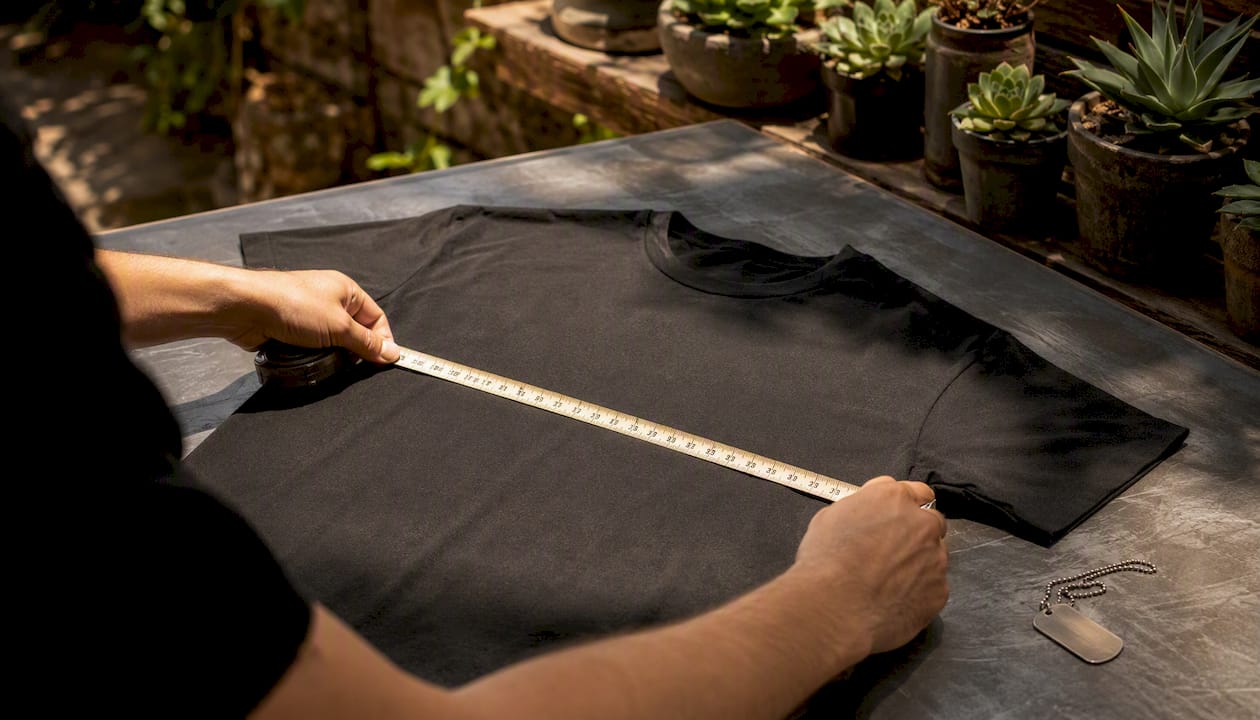
Measure a T-shirt you own and already know fits well. Lay it flat and record three numbers: chest pit-to-pit (doubled for the full chest circumference), shoulder seam to hem for body length, and sleeve length from shoulder seam to cuff. Send those exact measurements to the seller or compare them directly to the listed size chart. S/M/L labels vary by brand and decade; your measurements do not.
Condition and authenticity:
Require photos of the tag, a print close-up, and a clear written description of any wear. For band tees, verify that tour dates on the shirt match a documented tour. Prefer sellers who use a condition grading system (mint, excellent, good, fair) over those who describe everything as “great condition.”
Trust signals to confirm:
- Seller rating: check independent sources like Trustpilot and the BBB profile for complaint history on unfamiliar shops
- Returns policy: confirm the window and who pays return shipping before purchase
- Payment protection: use PayPal Goods & Services or a credit card, not bank transfer or Venmo, for any resale purchase
- Shipping and tracking: confirm a tracking number is included and check estimated delivery before buying
Costs and timeline to expect:
Retail graphic tees typically run in a moderate price range suitable for their quality and design. Resale pricing for common vintage shirts starts around $30–$60 and climbs steeply for rare or authenticated pieces. International shipping adds $15–$40 depending on origin, and customs duties may apply for cross-border purchases. Check the full landed cost before checkout, not just the item price.
What the search process actually looks like in practice
The most repeatable habit in this workflow is capturing everything before you start searching. Before opening any marketplace, photograph a shirt you own that fits well, measure it flat, and save those numbers somewhere accessible. That single step eliminates the most common source of buyer’s remorse: a shirt that looked right but arrived wrong.
The tradeoff I accept regularly is paying a premium for a seller who provides tag photos, multiple condition shots, and a documented return policy rather than saving $20 on an unverified listing with one blurry photo. The premium is almost always worth it. A $15 price difference disappears fast when a return costs $12 in shipping and two weeks of waiting.
The search flow that works: visual search first to identify the exact shirt or extract design details, then a niche keyword pivot on the relevant marketplace, then final verification with tag photos and measurements before purchase. Skipping the verification step is where most bad buys happen.
Veteran-themed tees available now from Warbeardproject
Warbeardproject is a direct-buy option for veteran-themed graphic tees, with no search required and no resale uncertainty.
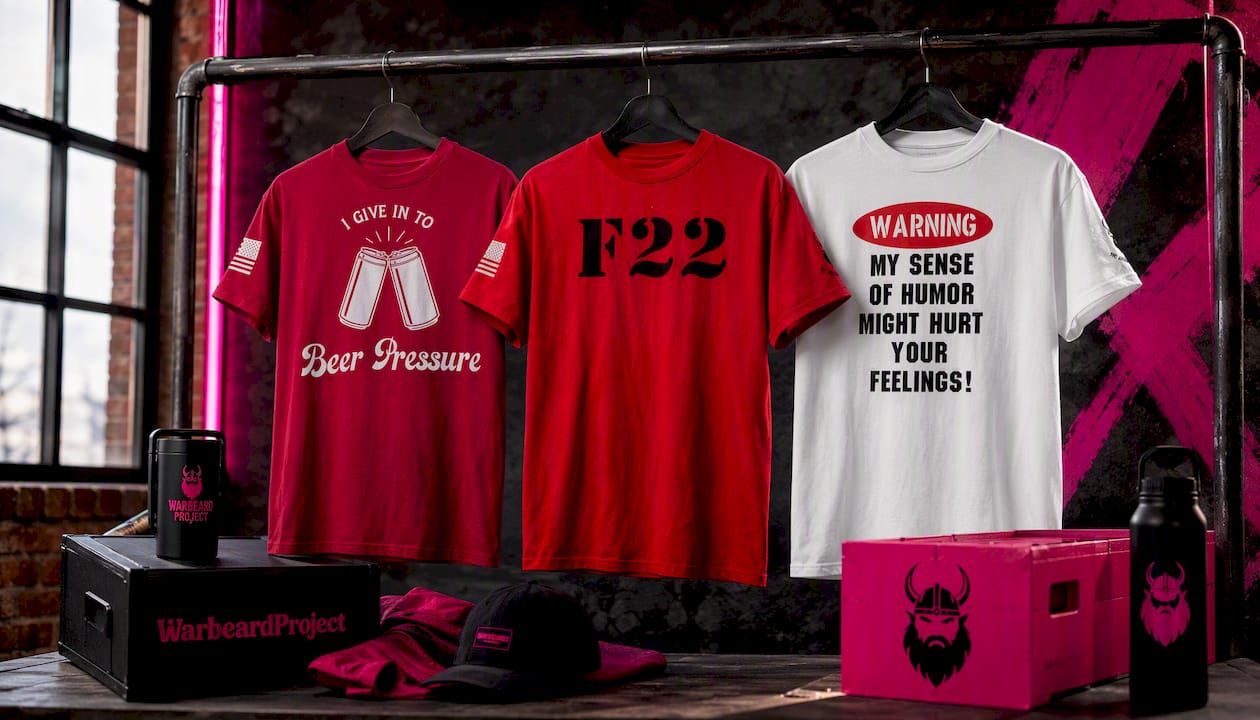
Three specific shirts are available now. The Beer Pressure classic tee is a bold graphic tee built around military culture and camaraderie. The F22 Tee references one of the most recognized aircraft in U.S. military history, with a clean graphic execution. The Warning Classic Tee carries a direct, no-frills design that speaks to veteran identity without decoration.
Each product page includes a full size chart, condition-accurate product photography, and clear shipping information. A percentage of every sale is donated to veteran outreach programs, documented through Warbeardproject’s nonprofit apparel partnerships. Payment is processed through a secure checkout. Returns are handled directly.
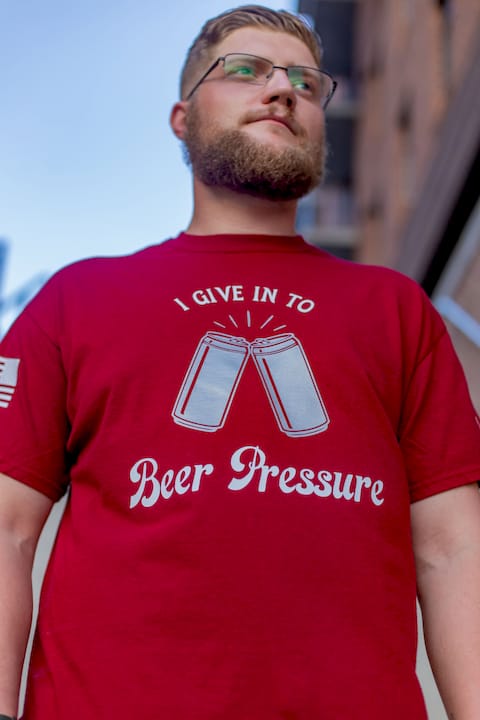
Browse the full collection at Warbeardproject and check the size chart against your measurements before ordering.
Quick links: tools, archives, and marketplaces to open now
- Shapes: Fashion-focused visual search; upload a photo and get direct shopping links or close matches
- Defunkd Vintage T-Shirt Archive: Searchable archive of authentic vintage shirts and tag details from the 1950s through 2000; use it to verify era and provenance
- Self Edge T-Shirt Finder: Measurement guide and sizing tool; use it to record your fit measurements before shopping
- Custom Ink T-Shirt Guide: Explains print methods (screen print vs. DTG) and fabric choices; useful for identifying originals versus reproductions
- Trendlytic T-Shirt Design Ideas: Niche and occasion-specific design ideas; useful for building keyword pivots when a visual search returns no exact match
- Printify 2026 T-Shirt Design Trends: Current trend overview including retro and vintage aesthetics; helps align keyword searches with active seller tagging
- Warbeardproject: Direct-buy veteran-themed graphic tees with size charts, secure checkout, and veteran outreach donations
Sources
- RoleSpecialist Shirt Identification Tool
- 40 T-Shirt Design Ideas That Actually Sell (By Niche & Occasion) · Trendlytic
- Custom T-Shirts: How to Design, Print, and Order the Perfect Shirt - Custom Ink Blog