

Durability First: Athleisure vs Activewear for Style Minded Buyers
Activewear is performance-first, engineered for the gym with compression, support, and technical fabrics. Athleisure is style-first, built for daily life with just enough technical comfort to bridge the gap between workout and errand run. The buying signal is simple: if the piece needs to survive a heavy lift or a five-mile run, buy activewear; if it needs to look sharp at brunch and still feel good all day, athleisure wins. Warbeardproject builds toward both ends of that spectrum, prioritizing durability without sacrificing everyday wearability.
TL;DR:
- Activewear prioritizes support, compression, and technical fabrics designed for intense exercise, while athleisure focuses on comfort and style for everyday wear.
- Activewear typically features closer fits, synthetic performance fabrics, and reinforced construction, whereas athleisure is looser, uses softer blends, and emphasizes drape and aesthetics.
- When choosing, buy activewear for gym or high-intensity activities, and opt for athleisure for casual outings, travel, or work settings.
- Budget considerations favor athleisure at lower costs with quicker wear, but higher-priced activewear offers greater durability and performance.
- Fabrics labeled “quick-dry” or “four-way stretch” serve specific functions, such as moisture management and supporting movement, influencing garment selection.
Table of Contents
- What Is Athleisure Clothing, and How Does It Differ From Activewear?
- Athleisure vs Activewear: Fit, Fabric, and Construction Compared
- How Do You Choose Between Athleisure and Activewear?
- What Do Fabric Labels Like “Quick-Dry” and “Four-Way Stretch” Actually Mean?
- Styling Recipes: Athleisure and Activewear Outfits That Actually Work
- Sustainability in Athleisure and Activewear Manufacturing
- Why Military-Grade Durability Standards Matter for Everyday Activewear
- Warbeardproject Picks for Every Athleisure and Activewear Occasion
- Sources
What Is Athleisure Clothing, and How Does It Differ From Activewear?
Activewear refers to clothing engineered specifically for exercise: moisture management, muscle support, and range of motion under load. Athleisure, according to Merriam-Webster, describes “casual clothing designed to be worn both for exercising and for general use,” which is the key distinction most shoppers miss. It’s not a lesser version of activewear. It’s a separate category built for versatility rather than output.
Dictionary frames athleisure around convenience for multi-tasking days, gym to errands to coffee run, without a wardrobe change in between. That framing matters because it explains why athleisure pieces often skip the aggressive compression and structural support that define true activewear.
Athleisure isn’t a recent invention, but it became a defined retail category in the mid-2010s, when it started displacing denim and casual basics for a large chunk of shoppers, according to Wikipedia’s overview of the category’s rise. That shift pushed fabric mills and designers toward softer blends that photograph well and move well, not just perform well.
Common pieces in each category:
- Activewear: compression leggings, moisture-wicking tech tees, structured sports bras, running shorts with built-in liners
- Athleisure: joggers in brushed cotton blends, cropped hoodies, bomber jackets, relaxed-fit tees that transition from car to café
Warbeardproject’s own take on wardrobe versatility for people who live in both worlds is covered in its active-duty casual wardrobe guide, which digs into how military lifestyle demands shaped a lot of what now gets marketed as athleisure.
Athleisure vs Activewear: Fit, Fabric, and Construction Compared
The differences show up fastest in how each category is cut and sewn, not just what it’s made of.
Silhouette and support. Activewear runs closer to the body by design. Compression zones, engineered seams, and built-in support exist to reduce muscle fatigue and control movement during exercise. Athleisure runs looser and drapier on purpose, favoring a silhouette that looks intentional standing in line at a coffee shop, not mid-set at the gym.
Fabric technology. Activewear leans on synthetic performance fabrics: polyester and nylon blends with four-way stretch, moisture-wicking finishes, and sometimes odor-control treatments. Athleisure often mixes in cotton, modal, or bamboo blends, according to Cambridge Dictionary’s framing of the category, which softens the drape and gives pieces a more fashion-forward hand feel at the cost of some technical performance.
Construction cues worth checking before you buy:
- Flat-lock seams (reduce chafing during movement, standard on real activewear)
- Reinforced stress points at underarms, crotch, and knees
- Gusseted crotches on leggings and joggers built for actual training
- Double-stitched hems that signal the piece was built to survive repeat washing, not just repeat photos
Care and durability. Activewear typically holds compression and shape longer under frequent washing because it’s engineered for that abuse. Athleisure fabrics, especially cotton-heavy blends, break down faster under high-heat drying and lose shape sooner. A comparative breakdown from News24 puts it plainly: activewear is built around breathability, quick-dry performance, and compression, while athleisure prioritizes comfort and style with technical features layered in as a bonus, not the foundation.
Statistic to remember: athleisure’s shift from gym-only gear to an everyday fashion category happened largely within the mid-2010s retail boom, a fast enough transition that most major dictionaries now list it as a standard entry rather than slang, per Merriam-Webster.
Reading a hangtag for “moisture-wicking” or “stretch” tells you less than checking the seams yourself.
How Do You Choose Between Athleisure and Activewear?
Start with the activity, not the aesthetic. That single rule prevents most buyer’s remorse.
- Gym or high-intensity training: buy activewear. Compression leggings, structured sports bras, and technical tees give you the support your body needs mid-workout. Athleisure lacks the internal structure, no built-in bras, no compression paneling, for anything above moderate movement.
- Travel days: athleisure wins almost every time. You want comfort through security lines and long flights, plus something that doesn’t look like gym clothes when you land.
- Commute or errands: athleisure again, unless your commute includes a workout at the end of it.
- Office-adjacent settings: athleisure, but lean toward structured pieces (a tailored jogger, a clean bomber) over anything with visible mesh paneling.
Sizing rules differ by category too. Compression activewear should fit snug, closer to your body than feels comfortable standing still, because it’s designed to perform under motion. Athleisure should fit the way you’d want a casual outfit to fit: room to move, no strain across the shoulders or hips. If you’ve got a muscular build, Warbeardproject’s guide to athletic-fit shirts breaks down when to size up for range of motion versus sizing down for a cleaner silhouette, a distinction that trips up a lot of shoppers buying both categories for the first time.
Budget tradeoffs are real. Activewear with genuine compression engineering and technical fabric treatments costs more to produce, and that shows up in price. Athleisure can hit a lower price point because it skips the structural engineering, but cheap athleisure also wears out faster. Spend where the function matters most to you.
Pro Tip: Mix categories deliberately: pair technical activewear leggings with an oversized athleisure hoodie for a gym-to-street look that reads intentional instead of accidental. The contrast between fitted and relaxed pieces is what makes the outfit look styled rather than just “still in workout clothes.”
What Do Fabric Labels Like “Quick-Dry” and “Four-Way Stretch” Actually Mean?
Marketing terms on hangtags aren’t meaningless, but they’re vague enough to require translation.
Quick-dry means the fabric moves moisture to the surface fast enough to evaporate before it soaks through, standard in polyester and nylon blends. Four-way stretch means the fabric stretches and recovers in both directions, not just lengthwise, which matters for anything involving squats, lunges, or overhead reaches. Odor-control usually refers to a silver-ion or antimicrobial treatment woven into the fiber, and it degrades with washing over time rather than lasting the life of the garment.
Synthetic technical fabrics make sense when you’re sweating hard and need the fabric to actively manage moisture. Natural fiber blends make more sense when comfort and appearance matter more than performance under load, which is most of a normal day.
Fabric blend also drives silhouette. Cotton and modal blends, common in athleisure, drape rather than cling, which is exactly why a jogger or cropped hoodie in those fabrics photographs and wears “dressier” than a pure polyester equivalent. That drape is a design choice, not a shortcut.
- Quick-dry: best for workouts, humid climates, travel days with layovers
- Four-way stretch: essential for anything requiring squats, deep lunges, or overhead motion
- Odor-control: worth paying for in activewear you’ll wear multiple days between washes
- Natural blends: better drape, better breathability at rest, worse moisture management under heavy sweat
Styling Recipes: Athleisure and Activewear Outfits That Actually Work
- Gym to street: keep the leggings, swap the sports bra tank for an oversized tee and the trainers for a clean sneaker. Add a bomber jacket and the workout origin disappears entirely.
- Office-adjacent: tailored joggers, a fitted crew tee, and a structured jacket read as intentional rather than lazy. Skip anything with visible mesh or piping.
- Travel days: relaxed joggers, a soft crew tee, and a lightweight jacket you can tie around your bag. Comfort through security, presentable at baggage claim.
- Errands: athleisure top with activewear leggings splits the difference, technical enough for a quick errand jog, casual enough for the grocery store.
The through-line across all four: one structured piece (jacket, clean sneaker, fitted top) anchors the outfit so the relaxed pieces don’t read as sloppy.
Sustainability in Athleisure and Activewear Manufacturing
Both categories face the same material problem: most technical and athleisure fabrics rely heavily on synthetic fibers, and synthetic fibers shed microplastics with every wash. That’s not unique to either category, but it’s more pronounced in high-stretch activewear, where elastane content runs higher to support compression.
Athleisure’s shift toward natural and blended fibers, cotton, modal, bamboo, actually helps here, since those fibers biodegrade faster and shed less synthetic microfiber than pure polyester builds. The tradeoff is that natural fibers typically require more water and land to produce, so neither category has a clean sustainability win across the board.
Recycled synthetic fabrics are becoming more common in outerwear specifically, where structure matters more than stretch. A recycled-fiber bomber jacket, for instance, can deliver the same durability as virgin polyester while cutting down on new petroleum-based material. Brands making that swap in outerwear are addressing the part of the wardrobe where recycled content is easiest to execute without sacrificing performance.
For shoppers who care about this, the practical move is checking fiber content on the label the same way you’d check for flat-lock seams: cotton and modal blends for lower-intensity athleisure, recycled synthetics where structure and durability matter most, like jackets and outerwear you’ll wear for years rather than one season.

Why Military-Grade Durability Standards Matter for Everyday Activewear
Most fashion-focused athleisure looks the part but skips the internal structure, built-in bras, compression zones, reinforced stress points, that serious activity actually demands. Warbeardproject’s design approach starts from the opposite direction: military and fitness use cases that punish weak seams and flimsy fabric expose weaknesses fast, and those same lessons carry over into how everyday activewear should be built.
The reinforced seams and durable fiber choices covered in Warbeardproject’s special forces apparel guide aren’t overkill for civilian use. They’re the difference between a tee that survives two years of regular wear and one that stretches out by month three. That same durability logic shows up across the military fitness culture picks, where performance and longevity get equal billing with fit.
— Ian
Warbeardproject Picks for Every Athleisure and Activewear Occasion
Warbeardproject isn’t chasing every trend in the athleisure boom. It’s building pieces that hold up the way military-grade gear has to, then styling them for the gym-to-street shoppers who actually wear this stuff daily.
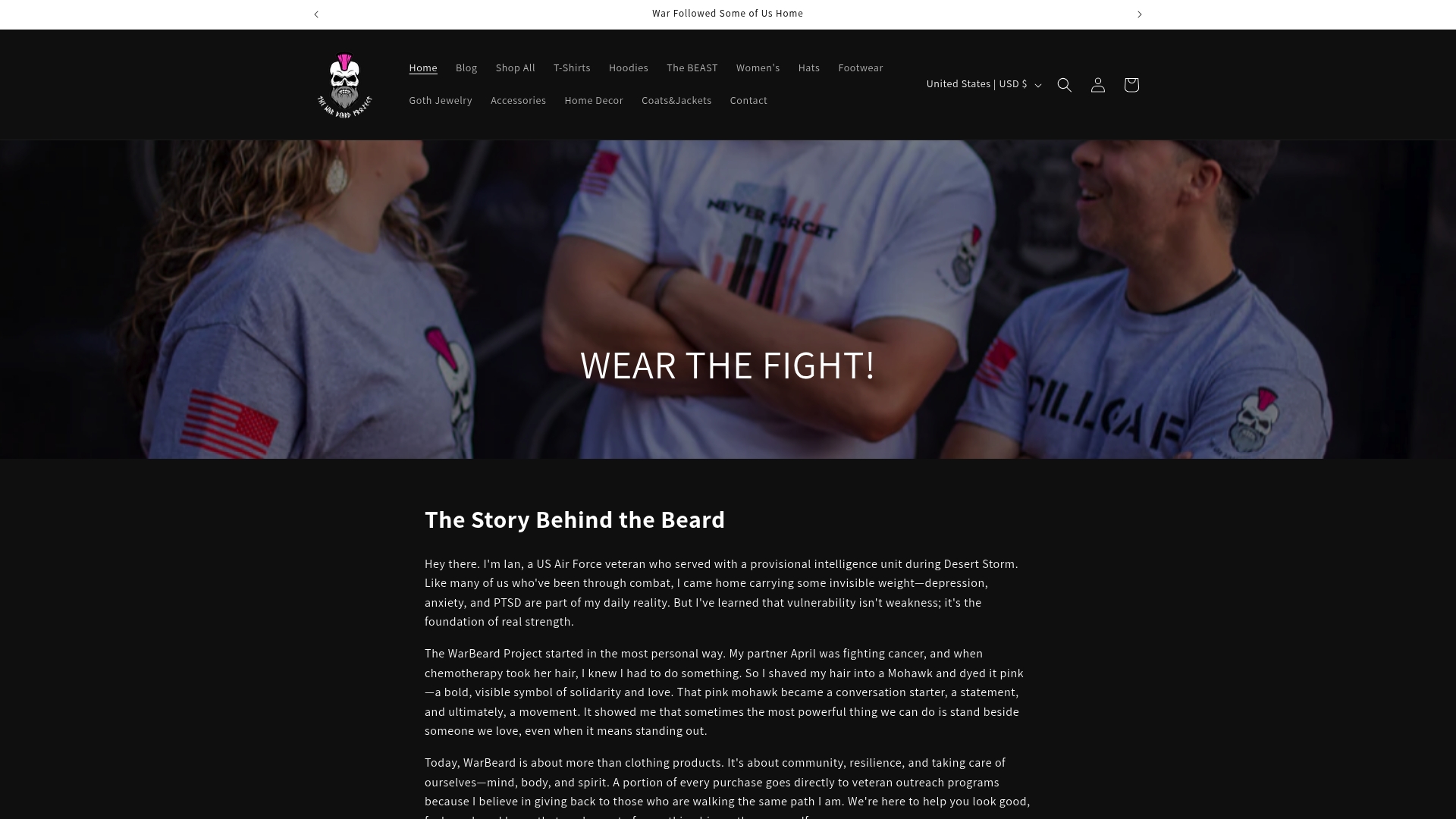
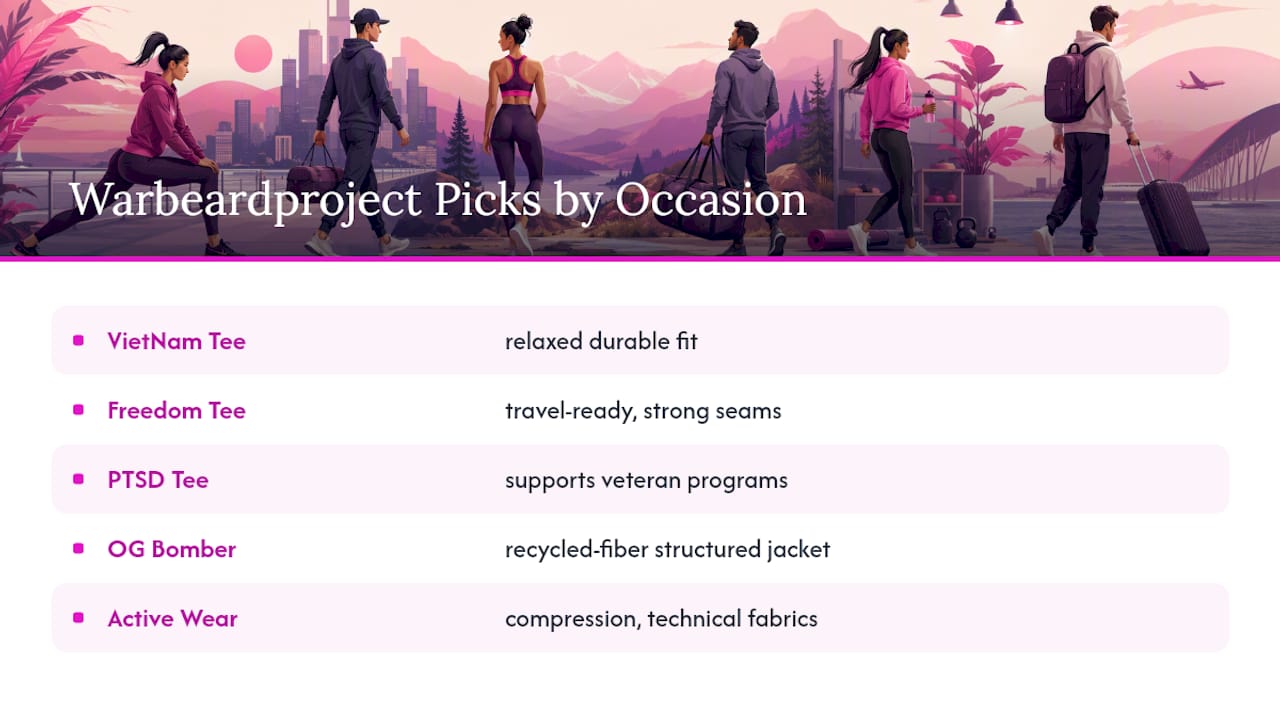
For the classic athleisure tee that anchors a gym-to-street outfit, the VietNam Classic tee hits the relaxed, durable fit that softens without losing shape wash after wash. Travelers who need a tee that survives a red-eye flight and still looks presentable at baggage claim should look at the Freedom classic tee, built for the kind of daily wear that punishes weak seams. If you want a piece with a mission-driven angle behind it, the PTSD classic tee and the Fortune Favors Unisex classic tee both channel a portion of sales toward veteran support programs while covering the durable-daily-tee use case.
For outfits that need one structured piece to anchor relaxed athleisure basics, the OG Logo Premium recycled bomber jacket delivers the recycled-fiber durability covered earlier, ideal over joggers for an office-adjacent look. Campers and outdoor-leaning shoppers should check the Campfire Unisex classic tee, while anyone drawn to bold graphic statements should look at the FERAL classic tee or the Special Edition VAWP2607 Unisex classic tee. For actual gym sessions, Warbeardproject’s Active Wear collection covers the compression and technical-fabric side of the equation, and shoppers looking into adaptive or inclusive fit options can find useful context through Ability Village’s resources on accessible activewear design.
Pick a tee from the catalog, check the fit guidance above, and build the outfit from there.
Sources
- ATHLEISURE Definition & Meaning - Merriam-Webster
- Athleisure - Wikipedia
- Dictionary
- Athleisure vs activewear: Where style meets functionality | News24