

Military Fitness Culture Clothing Picks That Perform
Military fitness culture clothing picks are specialized workout apparel engineered to maximize performance, comfort, and tactical style through purpose-built fabrics and functional design. This is not generic gym wear. Brands like Condor, Combat Iron, and GORUCK build gear that handles sweat, load, and repetitive movement without breaking down. Whether you train for rucking, functional fitness, or daily conditioning, what you wear directly affects how you perform and how long your gear lasts. Warbeardproject covers the picks worth your attention.
1. What are the best military fitness culture clothing picks?
The best military workout apparel combines moisture management, odor control, tactical fit, and durability in a single garment. Generic athletic wear handles one or two of those requirements. Tactical fitness gear handles all of them, because military training demands it. Veterans and fitness enthusiasts who train hard need clothing that keeps up with high-intensity sessions and still looks sharp off the gym floor.
The core features to look for in any pick:
- Moisture-wicking fabric that pulls sweat away from skin fast
- Ventilation zones like mesh underarms or perforated panels
- Odor control technology integrated into the fiber, not just the surface
- Reinforced stitching at stress points for long-term durability
- Tactical fit that allows full range of motion without excess fabric
These are not optional upgrades. They are the baseline for gear that holds up under real training conditions.
2. Why moisture management and ventilation define tactical fitness gear
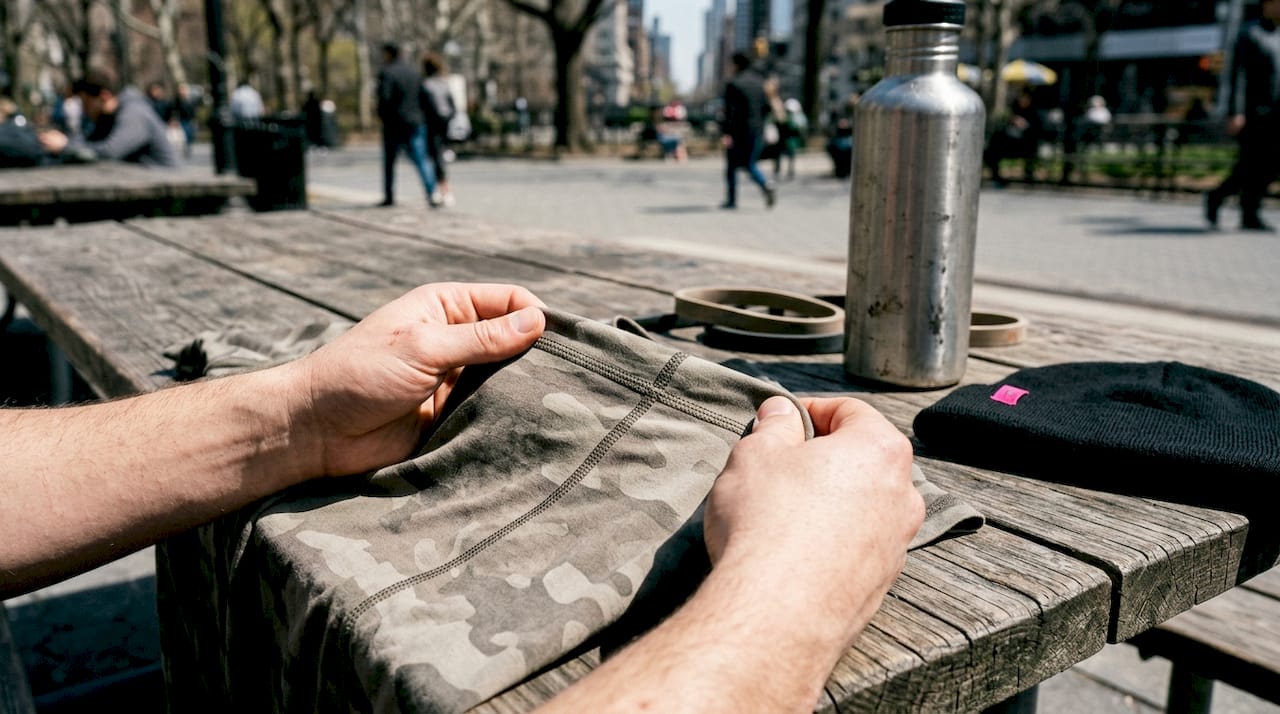
Moisture management is the single most critical feature in high-performance military gear. When you are pushing hard under a ruck or grinding through a conditioning circuit, wet fabric against skin creates friction, chafing, and heat buildup. The right fabric eliminates that problem before it starts.
The Condor Short Sleeve Combat Shirt Gen II is a direct example of engineered airflow done right. It combines raglan sleeves, a mesh underarm panel, moisture-wicking construction, and anti-microbial properties in one garment. Each feature solves a specific problem: raglan sleeves reduce shoulder seam pressure, mesh panels exhaust heat, and moisture-wicking fabric keeps the skin surface dry.
For hot-climate training, the Condor Trident Sun Shirt adds UPF 50 sun protection with perforated micro-grid nylon sleeves and a quarter-zip for airflow control. That combination matters when you are training outdoors for extended periods. Sun damage accumulates fast, and most gym shirts offer zero protection.
Pro Tip: When choosing between a full-zip and quarter-zip training top, pick the quarter-zip for outdoor sessions. It gives you precise airflow control without fully exposing your torso to wind or sun.
3. How odor control technology extends the life of your workout clothes
Odor control is not a marketing feature. It is a functional requirement for anyone training daily in the same gear. Standard athletic wear develops permanent odor after repeated use because bacteria colonize the fabric fibers. Advanced odor control technology prevents that at the source.
Polygiene OdorCrunch technology captures and neutralizes odors permanently using natural silica particles. The practical result is that you wash your gear less often. Less washing means less fabric degradation, lower water and energy use, and longer garment life.
NUREL’s XTRA-ACTIVE FRESH fiber takes a different approach. It integrates antibacterial silver ions directly into the nylon yarn polymer, not as a surface finish. That distinction matters because surface treatments wear off after repeated washing. Fiber-integrated silver ions remain effective after 50 washes at 40°C. That is the kind of durability serious training gear requires.
“Antimicrobial performance integrated into fiber polymer ensures durability of odor control, unlike surface treatments that degrade after washes.” — NUREL
Key brands using advanced odor control in their tactical fitness lines:
- Polygiene-treated garments across multiple performance apparel brands
- NUREL XTRA-ACTIVE FRESH fiber in technical nylon products
- Condor anti-microbial combat shirts for sustained field and training use
4. Choosing tactical fit and durability for performance and style
Tactical fit is athletic but not restrictive. It sits closer to the body than a standard relaxed tee but does not compress movement the way compression gear does. That middle ground is where most serious military fitness training happens, and it is where the best military workout clothes are designed to live.
The Combat Iron Tactical Athlete Operational Men’s T-Shirt is a precise example. It uses a 60/40 combed cotton and polyester blend at 4.3 oz per 145 gsm. That weight is light enough for training but substantial enough to hold its shape over time. Pre-shrunk construction means the fit you buy is the fit you keep. Reinforced stitching and a tagless collar remove two of the most common comfort complaints in training gear.
Fabric blend matters more than most people realize. Pure cotton absorbs moisture and stays wet. Pure synthetic can feel stiff and trap heat. A cotton-poly blend gives you the soft hand feel of cotton with the moisture management and shape retention of polyester. That combination works for lifting, conditioning, and casual wear after training.
Pro Tip: Build your tactical fitness wardrobe around two or three versatile pieces that work in the gym and outside it. A well-fitted tactical tee and a pair of performance shorts cover most training sessions and transition directly to daily wear without looking out of place.
Key fit and construction features to check before buying:
- Flatlock seams that lie flat against skin under plate carriers and weight vests
- Tagless collar to eliminate neck irritation during high-rep movements
- Pre-shrunk fabric for consistent sizing after washing
- Reinforced stress points at shoulders, underarms, and hem
Veterans who choose tactical clothing consistently cite fit and construction quality as the top reasons they stay with specific brands. Generic gym wear does not meet that standard.
5. Best gear picks for rucking and load-bearing training
Rucking is one of the defining activities of military fitness culture, and it demands gear built for sustained load-bearing movement. The clothing and vest you choose directly affect breathing, shoulder comfort, and skin integrity over long distances.
The GORUCK Rucking Weight Vest is built around Curved Ruck Plates that improve breathing and weight distribution. The exterior uses 500D Cordura fabric. The interior uses 210D Cordura. That combination gives you abrasion resistance on the outside and comfort against the body on the inside. A quick-access chest pocket and ergonomic strap geometry reduce shoulder strain during extended sessions.
| Feature | What to look for | Why it matters |
|---|---|---|
| Plate cutout design | Curved plates with diaphragm clearance | Allows full breathing under load |
| Exterior fabric | 500D Cordura or equivalent | Resists abrasion and tearing |
| Interior lining | Soft, breathable material | Reduces chafing against clothing |
| Strap geometry | Contoured shoulder straps | Distributes weight evenly |
| Layering compatibility | Fits over a fitted tee or base layer | Prevents bunching under the vest |
Clothing worn under a rucking vest needs flatlock seams and minimal bulk. Thick seams create pressure points under load that become painful over distance. Choose a fitted moisture-wicking tee with flat-lay construction as your base layer. Avoid anything with raised graphics or thick hem stitching across the upper back.
6. Camo and tactical style: function meets military-inspired identity
Camo fitness clothing picks are not just about aesthetics. The pattern signals a specific identity and training culture that motivates the people who wear it. For military fitness enthusiasts, wearing camo or tactical-styled gear reinforces the mindset they bring to training.
Camo leggings, hoodies, and sweatpants now come with the same performance features as solid-color athletic wear. Moisture-wicking camo leggings, for example, offer the same compression and breathability as standard training tights while reflecting a military fitness identity. The style choice does not cost you performance.
| Camo piece | Performance feature | Best use |
|---|---|---|
| Camo leggings | Moisture-wicking, four-way stretch | Conditioning, functional fitness |
| Tactical hoodie | Midweight fleece, kangaroo pocket | Warm-up, post-training wear |
| Camo sweatpants | Soft cotton-poly blend, tapered fit | Recovery, casual daily wear |
Military-inspired apparel features like camo prints and utility pockets translate directly from duty wear into fitness clothing. The result is gear that works in the gym and reads as intentional outside it. That dual function is exactly what the military fitness culture values.
Under Armour’s military and tactical apparel line reinforces this point. Their gear supports long shifts and repetitive movement with UPF 50+ protection and weatherproofing. The design philosophy prioritizes readiness and function over fashion alone. That is the standard all serious tactical fitness gear should meet.
Key takeaways
The most effective military fitness wardrobe combines fiber-integrated odor control, engineered ventilation, tactical fit, and load-bearing durability across every piece you train in.
| Point | Details |
|---|---|
| Moisture management is the baseline | Choose tops with mesh ventilation zones and moisture-wicking fabric for any high-intensity session. |
| Fiber-integrated odor control outlasts surface treatments | NUREL silver ion fiber stays effective after 50 washes; surface finishes do not. |
| Tactical fit sits between athletic and relaxed | A 60/40 cotton-poly blend like Combat Iron’s tee delivers soft feel with shape retention. |
| Rucking gear requires flatlock seams | Raised seams create painful pressure points under a weight vest over distance. |
| Camo style does not sacrifice performance | Modern camo leggings and hoodies match solid-color athletic wear on moisture management and stretch. |
What I have learned building a tactical fitness wardrobe
The biggest mistake I see is buying gear that looks tactical but performs like a basic gym shirt. The visual cues are easy to copy. The engineering is not. A shirt with a camo print and zero ventilation is just a costume.
The features most people overlook are flatlock seams and fiber-integrated odor control. Both are invisible at the point of purchase. Both matter enormously after six months of daily training. Flatlock seams become critical the first time you do a long ruck with a poorly constructed base layer. Odor control becomes obvious when your gear still smells clean after a week of hard sessions.
My practical recommendation is to build around three or four versatile staples rather than a large collection of single-purpose pieces. A quality tactical tee, a pair of performance shorts or camo leggings, a midweight hoodie, and a solid rucking vest cover nearly every training scenario. Each piece should work for the gym and for active duty casual wear without requiring a change.
Care matters more than most people think. Wash performance gear in cold water, skip the fabric softener, and air dry when possible. Fabric softener coats moisture-wicking fibers and kills their function. Hot water degrades UPF treatments. Proper care for UPF garments extends their useful life significantly. Treat your gear well and it will hold up through years of hard training.
— Ian
Warbeardproject’s tactical fitness apparel collection
Warbeardproject builds veterans lifestyle apparel that takes military fitness culture seriously. The gear is designed for people who train hard and want clothing that reflects that identity without compromising on performance.
The New Logo Yoga Leggings deliver four-way stretch and moisture management with a military-inspired aesthetic that works from the gym to daily wear. For a full range of tactical fitness options, the active wear collection covers tops, bottoms, and layering pieces built around the same performance standards covered in this article. Warbeardproject is veteran-owned, and that background shows up directly in the design priorities: function first, style that earns its place.
FAQ
What fabrics work best for military workout apparel?
A cotton-poly blend like 60/40 combed cotton and polyester delivers soft feel, moisture management, and shape retention. For high-heat or outdoor training, moisture-wicking nylon with mesh ventilation panels performs better.
How does fiber-integrated odor control differ from surface treatments?
Fiber-integrated silver ions, like those in NUREL’s XTRA-ACTIVE FRESH yarn, remain effective after 50 washes because the antimicrobial agent is built into the polymer. Surface treatments degrade with repeated washing and lose effectiveness over time.
What should I wear under a rucking weight vest?
Wear a fitted moisture-wicking tee with flatlock seams and minimal bulk across the upper back. Raised seams and thick graphics create pressure points under a vest that become painful over long distances.
Are camo fitness clothing picks as functional as solid-color athletic wear?
Yes. Modern camo leggings and training tops use the same moisture-wicking and stretch fabrics as standard athletic wear. The camo pattern is applied to performance fabric, not a separate lower-quality material.
What is the best way to care for tactical fitness gear?
Wash in cold water, avoid fabric softeners, and air dry when possible. Fabric softeners coat moisture-wicking fibers and reduce their effectiveness. High heat degrades UPF treatments and elastic fibers over time.