

Dress Barracks Casual Lifestyle Fashion: Your Style Guide
Dress barracks casual lifestyle fashion is defined as a wardrobe approach that blends authentic military utility elements with relaxed, everyday civilian clothing. The style draws from genuine barracks wear, including cargo pockets, button placket shirts, and muted color palettes in olive, khaki, and navy. Fashion professionals call this category “utilitarian discipline,” a term that captures how field-tested design principles translate into practical streetwear. Performance fabrics like polycotton blends and cotton-spandex twills are the technical backbone of this aesthetic. Warbeardproject, a veterans lifestyle apparel brand, has built its catalog around exactly this intersection of military heritage and daily comfort.
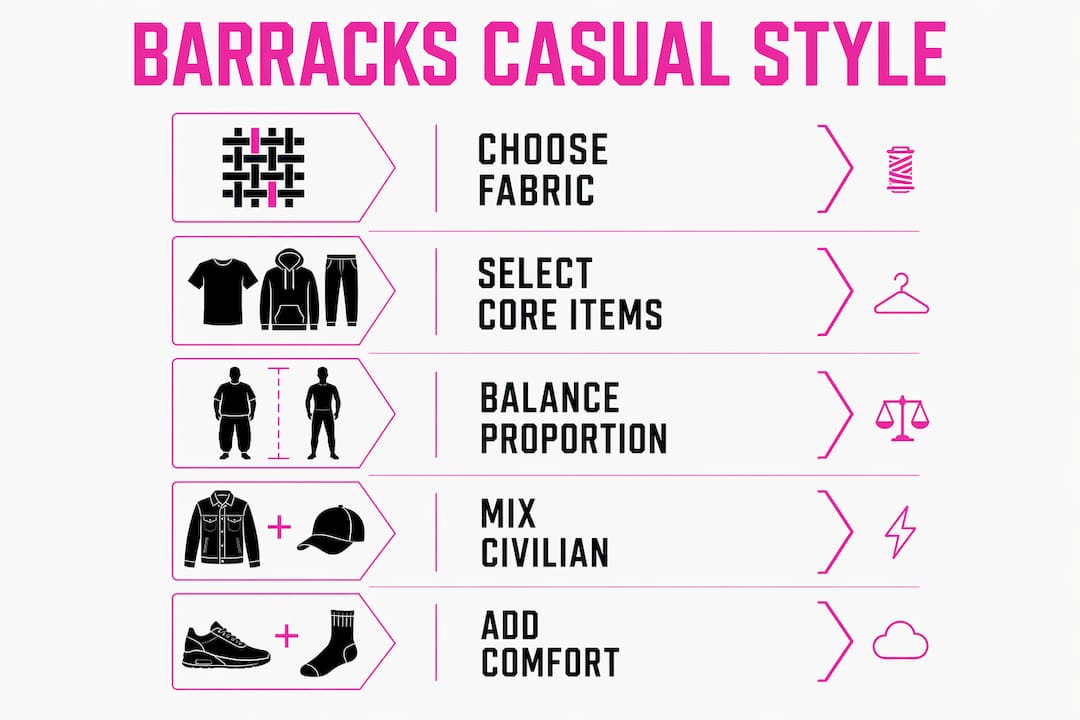
What are the essential clothing pieces for barracks casual lifestyle fashion?
The core wardrobe for this style centers on a small set of high-function garments. Each piece earns its place through utility, durability, and visual restraint.
Barracks shirts are the anchor item. Genuine military surplus options like the British Army MTP and German Navy tropical service shirts retail between $18.50 and $95 depending on condition and origin. That price range makes authentic surplus one of the most accessible entry points into the style. These shirts feature traditional button plackets, adjustable cuffs, and chest pockets that serve real function rather than decoration.
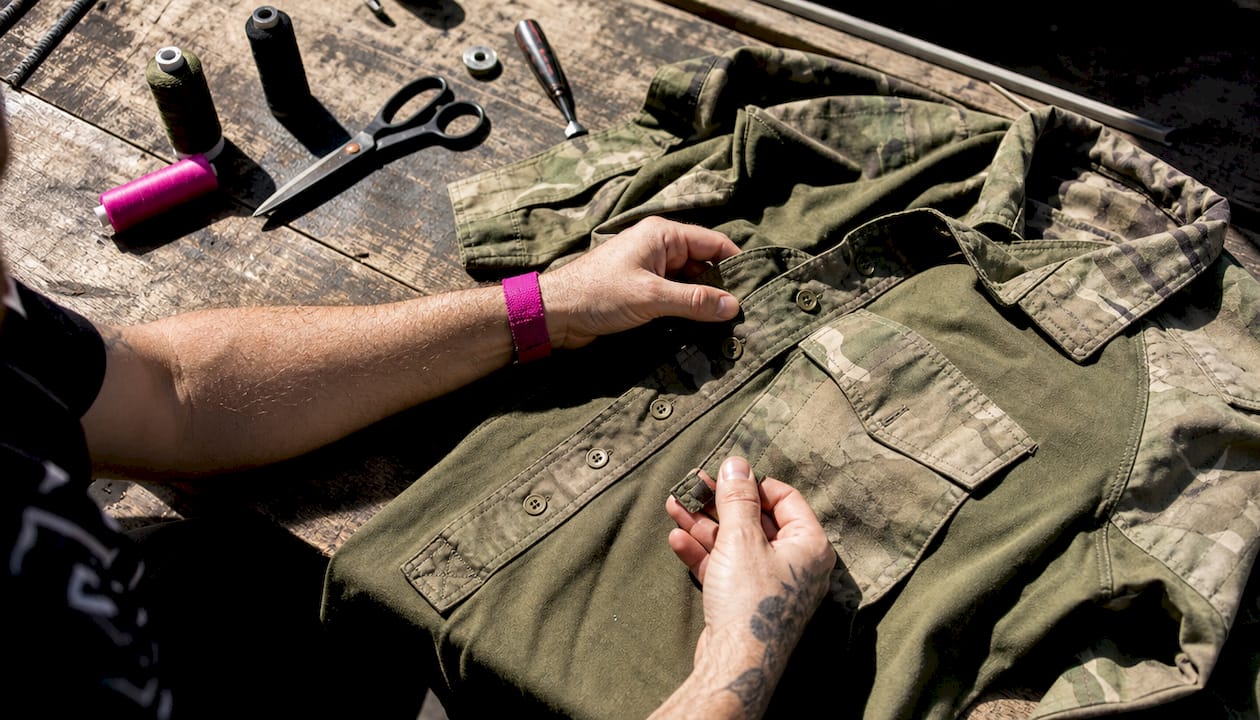
Cargo pants are the second pillar. The standard construction includes 2–4 cargo pockets, reinforced knees, and a straight or tapered leg cut. Canvas and polycotton fabrics dominate this category because they hold their shape through heavy use.
Utility dresses represent the most versatile piece in the category. Premium utility dresses use performance fabrics like “Made for Movement” Hudson Twill, a 90% cotton and 10% spandex blend, priced around $148. That fabric combination delivers stretch and breathability without sacrificing the structured silhouette the style requires.
Beginner must-haves:
- One barracks shirt in olive or khaki
- One pair of straight-leg cargo pants in a neutral tone
- A utility dress or shirt dress with cargo pocket detailing
- A canvas or cotton field jacket for layering
- A veteran graphic tee as a base layer — the OG Logo Stars Classic Tee and Campfire Unisex Classic Tee are 100% cotton and pair cleanly under any barracks shirt or field jacket
- Neutral leather or canvas sneakers or boots
A note on sourcing: genuine surplus offers authenticity and character, while retail military-inspired clothing offers consistent sizing and modern fits. Both have a place in a well-built wardrobe.
| Garment | Fabric | Price Range | Best Use |
|---|---|---|---|
| Barracks shirt (surplus) | 70/30 polycotton | $18.50–$95 | Daily casual, layering |
| Cargo pants | Cotton canvas | $40–$120 | Weekend, outdoor wear |
| Utility dress | 90/10 cotton-spandex | $100–$160 | Casual outings, travel |
| Field jacket | Polycotton twill | $60–$150 | Outerwear, layering |
How to style barracks casual fashion for everyday and weekend wear
The single most important rule in casual military fashion is proportion. Mixing one or two rugged heritage pieces with tailored or modern civilian garments keeps the look grounded in lifestyle rather than uniform. One barracks shirt worn open over a plain white tee with slim chinos reads as intentional style. The same shirt tucked into matching cargo pants with a field cap reads as costume.
Color coordination is the second rule. Olive, khaki, navy, and stone are the palette anchors. These tones work because they are neutral enough to pair with almost any civilian piece. A navy barracks shirt pairs cleanly with light gray trousers and white canvas sneakers. Olive cargo pants work with a cream or off-white linen shirt for a warm-weather outfit that feels relaxed without losing structure.
Layering strategy for cooler months:
- Start with a fitted cotton base layer in white, gray, or navy.
- Add a barracks shirt as a mid-layer, worn open or buttoned to the second button.
- Layer a canvas or polycotton field jacket over the top.
- Ground the outfit with dark trousers or straight-leg denim.
- Choose footwear in leather or canvas: boots for rugged settings, low-profile sneakers for urban wear.
Pro Tip: Choose fabrics with at least 10% spandex content for any piece you plan to wear through a full active day. The stretch prevents that stiff, restricted feeling that makes purely cotton garments uncomfortable by midafternoon.
For business-casual settings, swap cargo pants for tailored chinos in olive or stone. Keep the barracks shirt pressed and tucked. Add a leather belt and clean leather shoes. The result reads as polished with a deliberate nod to utility style. You can find more outfit frameworks in the active duty casual guide from Warbeardproject.
Weekend wear allows more freedom. Cargo pants, a relaxed barracks shirt, and trail-ready boots cover most casual outings from farmers markets to day hikes. The key is keeping the silhouette clean: avoid oversized fits in every layer simultaneously.
What common mistakes make barracks casual look like a uniform?
The most frequent mistake is overloading an outfit with military pieces. Adding too many military-inspired items at once risks a costume-like appearance. The fix is simple: limit military-origin garments to one or two per outfit, then fill the rest with civilian pieces.
The second mistake is ignoring personal customization. Genuine barracks wear was designed for function, not individual expression. Wearing it straight from surplus without any personal adjustment produces a generic look. Rolling sleeves, choosing a fit that suits your frame, and adding one non-military accessory (a leather watch, a canvas tote, a patterned scarf) signals that the style is intentional.
Common mistakes to avoid:
- Wearing camouflage prints head to toe
- Pairing a barracks shirt with matching cargo pants in the same color
- Choosing garments that are too large or too stiff for your body type
- Ignoring footwear: heavy combat boots with every outfit narrows the style’s range
- Treating military surplus as a costume rather than a wardrobe foundation
The difference between genuine barracks gear and retail military-style clothing also matters. Authentic surplus shirts use button plackets without zippers or Velcro, which produces a cleaner line and easier sleeve rolling. Retail versions often add Velcro patches or zipper pockets that read as decorative rather than functional. That distinction affects how the garment sits in a civilian outfit.
Pro Tip: Embrace minor wear and patina on authentic surplus pieces. Collectors and style-conscious wearers recognize that garment wear signals history and authenticity. A faded barracks shirt with a repaired pocket reads as lived-in style, not damage.
The role of military tradition in apparel is worth understanding before building this wardrobe. Knowing why a garment was designed a certain way helps you wear it with more confidence and fewer missteps.
What fabrics and construction details maximize comfort in barracks-inspired clothing?
Fabric choice determines whether barracks-inspired clothing functions as daily wear or sits unworn in a closet. Authentic surplus barracks shirts use a 70/30 polycotton blend, combining 70% cotton for breathability with 30% polyester for shape retention and durability. That ratio is the standard for military field shirts because it performs across temperature ranges without requiring special care.
Modern designers merge military silhouettes with stretch-cotton fabrics to retain rugged flair while improving range of motion. The addition of spandex or elastane to cotton base fabrics is the most significant technical development in this category over the past decade. A 90/10 cotton-spandex twill moves with the body in a way that pure cotton cannot, which matters for anyone wearing these garments through a full day of varied activity.
Construction details carry equal weight. Genuine barracks shirts avoid zippers and Velcro in favor of traditional button-front plackets. Buttons allow sleeve rolling without bulk, produce a cleaner silhouette, and require no special maintenance. Adjustable cuffs add fit flexibility. Reinforced stitching at pocket corners and stress points extends garment life well beyond what standard retail construction delivers.
| Fabric | Composition | Key Benefit | Best For |
|---|---|---|---|
| Polycotton blend | 70% cotton, 30% polyester | Breathable and shape-retaining | Barracks shirts, field jackets |
| Cotton-spandex twill | 90% cotton, 10% spandex | Stretch and structure | Utility dresses, fitted trousers |
| Cotton canvas | 100% cotton | Durability and structure | Cargo pants, outerwear |
| Stretch-cotton knit | Varies | Comfort and movement | Casual military knit shirts |
Sustainability is a practical consideration here. Cotton-dominant fabrics are more biodegradable than synthetic alternatives and age more gracefully. Garments built from polycotton or pure cotton last longer with basic care, which reduces replacement frequency. For readers interested in comfort-focused military clothing, Warbeardproject covers this topic with specific garment examples.
Key Takeaways
Barracks casual lifestyle fashion works best when authentic military garments anchor a wardrobe built around civilian balance, performance fabrics, and deliberate personal customization.
| Point | Details |
|---|---|
| Limit military pieces per outfit | Wear one or two military-origin garments per look to avoid a uniform appearance. |
| Prioritize polycotton or cotton-spandex | A 70/30 polycotton or 90/10 cotton-spandex blend delivers durability, breathability, and movement. |
| Build the wardrobe gradually | Add pieces over time to develop a personal, lived-in aesthetic rather than a costume. |
| Choose button plackets over zippers | Traditional button-front construction produces a cleaner line and easier sleeve rolling. |
| Mix textures and civilian pieces | Pair rugged barracks garments with tailored chinos, leather accessories, or plain tees for balance. |
What I’ve learned from years of mixing military and civilian style
The conventional advice on military-inspired fashion focuses almost entirely on what to buy. The harder skill is knowing what to leave out. When I started building this type of wardrobe, I made the classic error of wearing too many pieces at once. The result looked deliberate in the wrong way. It took time to understand that restraint is the actual technique.
The pieces that stayed in my rotation longest were the ones with the most neutral utility: a faded olive barracks shirt, a pair of straight-leg canvas trousers, a field jacket with enough room to layer under. None of those items demanded attention. They just worked alongside everything else. That invisibility is the goal.
I also came to appreciate patina. A barracks shirt with a repaired pocket seam or a faded collar carries something a brand-new retail piece cannot replicate. It signals that the garment has been used, which is exactly what this style is built on. Warbeardproject understands this. Their approach to veterans lifestyle apparel reflects the same principle: clothing that earns its place through function, not decoration.
The one thing I would tell anyone starting out: buy one authentic surplus piece before you buy anything retail. Wear it for a month. Learn how it moves, how it layers, how it ages. That experience will make every subsequent purchase more deliberate.
— Ian
WarBeard Project’s picks for barracks-inspired casual wear
WarBeard Project builds apparel for people who want clothing that performs as well as it looks. The brand’s veterans lifestyle roots show up in every design decision: functional construction, durable fabrics, and a clean aesthetic that works across casual and active settings.
The OG Logo Stars Classic Tee and Campfire Unisex Classic Tee bring that same utility-first thinking to everyday wear. They pair cleanly with barracks-style shirts and field jackets for a casual outfit that moves with you through the full day. Browse the full catalog at WarBeard Project to find pieces that fit the barracks casual aesthetic without compromising on everyday wearability. They pair cleanly with barracks-style tops and field jackets for a casual outfit that moves with you through the full day. For readers building a wardrobe around comfort and function, this is a practical starting point. Browse the full catalog at WarBeard Project to find pieces that fit the barracks casual aesthetic without compromising on everyday wearability.
FAQ
What is dress barracks casual lifestyle fashion?
Dress barracks casual lifestyle fashion is a style that combines authentic military utility garments with relaxed civilian clothing. It prioritizes function, durable fabrics, and muted color palettes for everyday wear.
What fabrics work best for barracks-inspired casual clothing?
A 70/30 polycotton blend offers the best balance of breathability and durability for barracks shirts and jackets. For dresses and fitted trousers, a 90/10 cotton-spandex twill adds stretch without losing structure.
How do I avoid looking like I’m wearing a uniform?
Limit military-origin pieces to one or two per outfit and pair them with tailored or plain civilian garments. Mixing textures and varying garment cuts keeps the look personal rather than uniformed.
Are genuine military surplus shirts worth buying?
Genuine surplus barracks shirts retail between $18.50 and $95 and offer authentic construction details like button plackets and polycotton fabrics that retail versions rarely match. The patina and history of surplus pieces also add style value over time.
What are the best colors for a barracks casual wardrobe?
Olive, khaki, navy, and stone are the core palette. These neutral tones coordinate easily with civilian pieces and maintain the understated visual discipline that defines the style.