

Veteran Brand Picks: What U.S. Guests Should Wear to a Pinning Ceremony
Service members wear their prescribed service dress or uniform of the day, while family and guests choose business casual or business professional attire that stays respectful and understated. Subtle veteran-themed pieces are acceptable off the ceremony floor itself, never during the formal portion. Before finalizing any outfit, confirm specific dress instructions with the event sponsor or unit, since requirements differ by base, branch, and ceremony type.
TL;DR:
- Dress uniform requirements are dictated by command and reflect rank and role, not personal preference, and guests should treat uniforms with respect.
- Business casual is appropriate for most guests and family members, with formal dress reserved for higher-level or formal events, and camouflage patterns should be avoided unless specifically permitted.
- Confirm dress code, pinning logistics, and photography rules with the ceremony sponsor beforehand to avoid last-minute confusion or missteps.
- Comfortable, wrinkle-resistant fabrics and seasonal layering are essential for outdoor or mixed indoor-outdoor ceremonies, with footwear suited to venue surfaces.
- Modest veteran-themed apparel is acceptable for casual or post-ceremony days, but athletic wear, graphic tees, and loud slogans are discouraged during the formal event.
Table of Contents
- Uniform Expectations for Service Members and How Supporters Should Plan
- Outfit Ideas for Guests, Spouses, Parents, and Children
- What to Avoid: Clothing and Behavior That Can Distract
- Coordinating With Command So Outfits Match the Plan
- How to Choose Respectful Veteran-Themed Apparel
- Coordinating Outfits Among Family and Guests
- Grooming and Appearance That Complement the Outfit
- Cultural and Branch-Specific Variations in Attire
- Ceremony Flow and How Clothing Needs Map to It
- Accessories and Footwear for the Right Formality
- Climate and Seasonal Considerations for Outfit Choice
- A Note on Respect and Comfort at Pinning Ceremonies
- Curated Picks for Ceremony-Ready Days Before and After
- FAQ
- Sources
Uniform Expectations for Service Members and How Supporters Should Plan
The service member’s uniform is set by command, not by personal preference. An example Chief Petty Officer pinning notice from NSA Naples lists Service Khakis for officers and chiefs, uniform of the day for E6 and below, and business casual for civilian guests. These assignments reflect rank and role, not fashion choice, and guests should treat them as fixed.
Uniform elements carry weight beyond appearance. Navy](https://www.navy.mil/Press-Office/Press-Briefings/display-pressbriefing/Article/2250612/anchor-up-sailors-become-chief-petty-officers-on-pinning-day/). Guests who understand this symbolism tend to dress in a way that supports rather than competes with the moment.
A short checklist helps the service member and their sponsor avoid last-minute scrambling:
- Inspect insignia placement and confirm it matches the current rank before the ceremony begins.
- Pack a lint brush and a small sewing kit for uniform touch-ups.
- Decide in advance who will physically pin the new insignia.
- Confirm photography rules and who has stage access during the pinning moment.
Pro Tip: Lay out the full uniform the night before, including belt, cover, and any accessories, so nothing gets discovered missing an hour before the event.
Outfit Ideas for Guests, Spouses, Parents, and Children
Business casual is the default for most pinning ceremonies, according to guidance on military and civilian dress codes. For men, that means a collared shirt or polo, pressed chinos, and clean dress shoes or loafers. For women, a knee-length dress or a blouse paired with trousers works well, finished with low-heel shoes or dress flats that hold up on grass or gravel.
Some ceremonies, particularly those held at formal venues or officer events, call for business professional dress instead:
- Men can wear a suit or a blazer with dress slacks and a tie.
- Women can wear a tailored suit or a conservative dress in a solid color.
- Children can wear simple, neat versions of the same categories, such as a collared shirt and slacks or a modest dress.
Veteran-themed apparel can work into the day tastefully when it stays in the background. Subtle branch colors, a small embroidered logo, or a modest accessory read as supportive rather than distracting. Avoid anything with political statements, inside jokes, or slogans aimed at a rival branch.
A few fabric notes matter for both comfort and photos:
- Choose breathable cotton or cotton-blend fabrics for outdoor or midday ceremonies.
- Bring a blazer or light coat in case the venue runs cold or the event moves outdoors.
- Favor fabrics that resist wrinkling during travel, since many guests arrive straight from an airport or a long drive.
For more outfit ideas by event type, see our post on military appreciation week clothing.
What to Avoid: Clothing and Behavior That Can Distract
Certain choices pull attention away from the honoree or conflict with base expectations outright.
- Skip ripped jeans, flip-flops, athletic wear, and anything overly casual for the ceremony itself.
- Leave loud graphic tees, offensive slogans, and unofficial rank insignia or medals at home.
- Avoid wearing camouflage patterns as a civilian; some bases discourage it specifically because it can be mistaken for an actual uniform, so check local rules before packing it.
- Confirm in advance whether optional items like hats, gloves, or patches are permitted, since some unit instructions restrict them during ceremonies, per base uniform guidance.
Coordinating With Command So Outfits Match the Plan
A quick call or email before the event resolves most dress code confusion. Reach out to the ceremony sponsor, the master of ceremonies, or the unit’s admin office and ask these questions:
- What is the exact dress code for civilian guests, and does it differ from a standard business casual expectation?
- Is photography permitted during the pinning, and are there restricted areas?
- Who is expected to physically pin the new insignia, and when during the program does that happen?
- What time should guests arrive, and is there a dress rehearsal beforehand?
Family participation in pinning is common. Military OneSource notes that spouses and children frequently affix insignia or help don covers, so confirming this detail ahead of time avoids a scramble near the stage.
Arrive early enough to handle a loose button or a scuff on dress shoes before the program starts. Bring a small garment bag or cover for outerwear so it stays clean until needed.
Pro Tip: Keep a spare set of collar pins or rank insignia in a small zippered pouch in case the primary set is misplaced right before the ceremony.
How to Choose Respectful Veteran-Themed Apparel
Tasteful veteran apparel follows a few simple rules: keep logos small, skip anything divisive, and match the item to the moment rather than the ceremony floor itself. A tee works for travel day or a post-ceremony gathering; it does not belong during the formal pinning.
Several items from our own lineup fit naturally into the surrounding days of a pinning ceremony:
- The Fortune Favors Unisex classic tee and Iron Logo Unisex classic tee work well for travel or a casual family dinner the night before.
- The NotTodayKaren Unisex classic tee and VietNam Classic tee suit a relaxed post-ceremony gathering where guests want something comfortable but still meaningful.
- The Special Edition VAWP2607 Unisex classic tee and PTSD classic tee carry mission-driven messages that resonate with many veteran families, though appropriateness depends on the specific family’s preference and the ceremony’s tone.
- The OG Logo Women’s pajama shorts and OG Logo Women’s pajama pants are suited to travel and hotel downtime rather than any part of the ceremony itself.
A portion of proceeds from purchases is donated to veteran outreach and mental health programs. For more outfit framing around base events, our posts on branch pride apparel and the full collections page offer additional direction.
Coordinating Outfits Among Family and Guests
A pinning ceremony photo often becomes a keepsake, so a little coordination among attending family members goes a long way without requiring matching outfits. Agreeing on a shared color palette, rather than identical clothing, keeps the group looking unified without feeling staged.
A practical approach: pick two or three complementary colors ahead of time, such as navy, cream, and a muted red, and let each family member choose their own outfit within that range. This works for mixed ages and body types better than asking everyone to wear the same shirt.
Parents attending with young children should plan for comfort as much as appearance, since ceremonies often run long. A simple rule helps: dress children in clothes they can sit still in for 30 to 45 minutes, since squirming in stiff formalwear becomes its own distraction.
Spouses who plan to participate in the physical pinning should choose sleeves and footwear that allow easy movement toward the stage. A fitted blazer or a dress with a defined waist photographs well and still allows a quick walk up and back without adjustment.
Grandparents and extended family can lean toward the more traditional end of business casual, which tends to photograph consistently well across generations in a single frame.
Grooming and Appearance That Complement the Outfit
Grooming for a pinning ceremony should support the clothing choice rather than compete with it. Service members typically follow grooming standards set by their branch and unit, so that part of the equation is already fixed by regulation rather than preference.
For guests, a neat, low-maintenance hairstyle photographs better under the lighting common to base auditoriums and outdoor stages. Natural makeup tends to hold up through a longer ceremony and subsequent photos better than heavier looks, which can shift under warm lighting or outdoor heat.
Jewelry should stay modest. A simple necklace, small stud earrings, or a watch fit the formality of the event without drawing attention away from the honoree. A piece with personal meaning, such as the Divine Grace Cross Necklace, can add sentiment without looking out of place next to business casual or business professional clothing.
Men attending should keep facial hair trimmed and neat if they typically wear it, and avoid heavy cologne in enclosed venues where guests sit close together for an extended program.
Cultural and Branch-Specific Variations in Attire
Ceremony tone and attire expectations shift slightly by branch. Navy chief pinning ceremonies carry distinct traditions, including the reading of the Fouled Anchor and the donning of the combination cover, as documented by the U.S. Navy. These formal elements tend to push guest attire toward business professional rather than casual.
Army and Air Force promotion ceremonies, by contrast, often run shorter and less ritualized, which opens room for business casual guest attire in most cases. A 2018 Army report on a general officer promotion shows a more streamlined program centered on the pinning itself and remarks, with family members directly involved in placing new rank insignia.
Marine Corps and Coast Guard ceremonies generally follow similar formality patterns to the Army, with guest expectations tracking closely to the officer or enlisted status of the honoree. A ceremony honoring a senior officer across any branch tends to carry a higher formality bar than one for a junior enlisted promotion, so guests should factor rank into their outfit decision alongside branch tradition.
When in doubt, the safest approach across every branch is business casual with a blazer in reserve, since it can be dressed up on the spot if the venue or rank calls for more formality than expected.
Ceremony Flow and How Clothing Needs Map to It
A typical pinning ceremony moves through several distinct phases, and outfit practicality should track each one. Arrival and seating come first, often with a brief mingling period where guests greet the honoree’s unit and family.
The formal program follows, usually opening with remarks from a commanding officer or ceremony sponsor, then moving into the pinning itself. This is the moment family members may step forward to affix the new insignia or help don a cover, according to Military OneSource. Clothing that allows easy, unhurried movement toward a stage matters most during this segment.

After the pinning, many ceremonies include a reception or photo session, sometimes lasting 30 minutes or longer. Comfortable shoes become more important here than during the seated portion, since guests are standing and mingling rather than sitting.
Base ceremony notices, like the example from NSA Naples, often include a minute-by-minute timeline covering dress rehearsal, the ceremony itself, and any related events. Reading that timeline in advance tells guests exactly when to expect to be seated, standing, or near the stage, which should shape footwear and layering choices well before the day arrives.
Accessories and Footwear for the Right Formality
Footwear should match the ceremony’s formality level while accounting for the venue’s actual surface. Indoor ceremonies on hard flooring allow more flexibility, while outdoor events on grass or gravel call for sturdier, low-heel options for women and well-fitted dress shoes for men.
A few accessory guidelines apply across most pinning ceremonies:
- Keep jewelry minimal: a watch, simple earrings, or a modest necklace suit the formality without competing with uniform elements.
- Choose a small clutch or simple handbag rather than an oversized tote, since many venues have limited seating space.
- Men should stick to a classic belt and dress shoes in black or brown that match the rest of the outfit, avoiding athletic or casual sneakers entirely.
Pockets matter more than people expect. A blazer or dress with a small interior pocket can hold a phone or program without needing a separate bag, which helps during the pinning moment when hands need to stay free.
Climate and Seasonal Considerations for Outfit Choice
Many pinning ceremonies take place outdoors or in venues with limited climate control, so seasonal planning affects comfort as much as appearance. Summer ceremonies call for breathable fabrics like cotton or linen blends, paired with lighter colors that handle heat and sun exposure better than dark, heavy materials.

Winter or early spring ceremonies held outdoors require a different approach. A tailored coat that can be removed indoors works better than a bulky parka, which rarely photographs well and can feel out of place next to a service member’s dress uniform. Guests should also plan for layering, since many bases hold the formal program outdoors and the reception indoors, or the reverse.
Rain is a real possibility depending on region and season, so a compact umbrella in a neutral color and shoes that can handle a wet walkway are worth packing even when the forecast looks clear. Humidity in some U.S. regions during spring and summer also affects fabric choice, since certain synthetic blends trap heat far more than natural fibers.
For ceremonies with a known outdoor component, checking the forecast a day or two ahead and adjusting fabric weight accordingly avoids the common mistake of arriving overdressed for heat or underdressed for wind. Our guide on active duty casual wardrobe essentials covers fabric choices that hold up well across seasons for related events.
A Note on Respect and Comfort at Pinning Ceremonies
Tasteful apparel matters to veterans and their families because the ceremony marks years of work, not a chance to make a statement. We built our collections around that idea, and our blog carries outfit guidance drawn from the same principle. If a ceremony-specific question comes up that this guide does not cover, reach out to us directly.
— Ian
Curated Picks for Ceremony-Ready Days Before and After
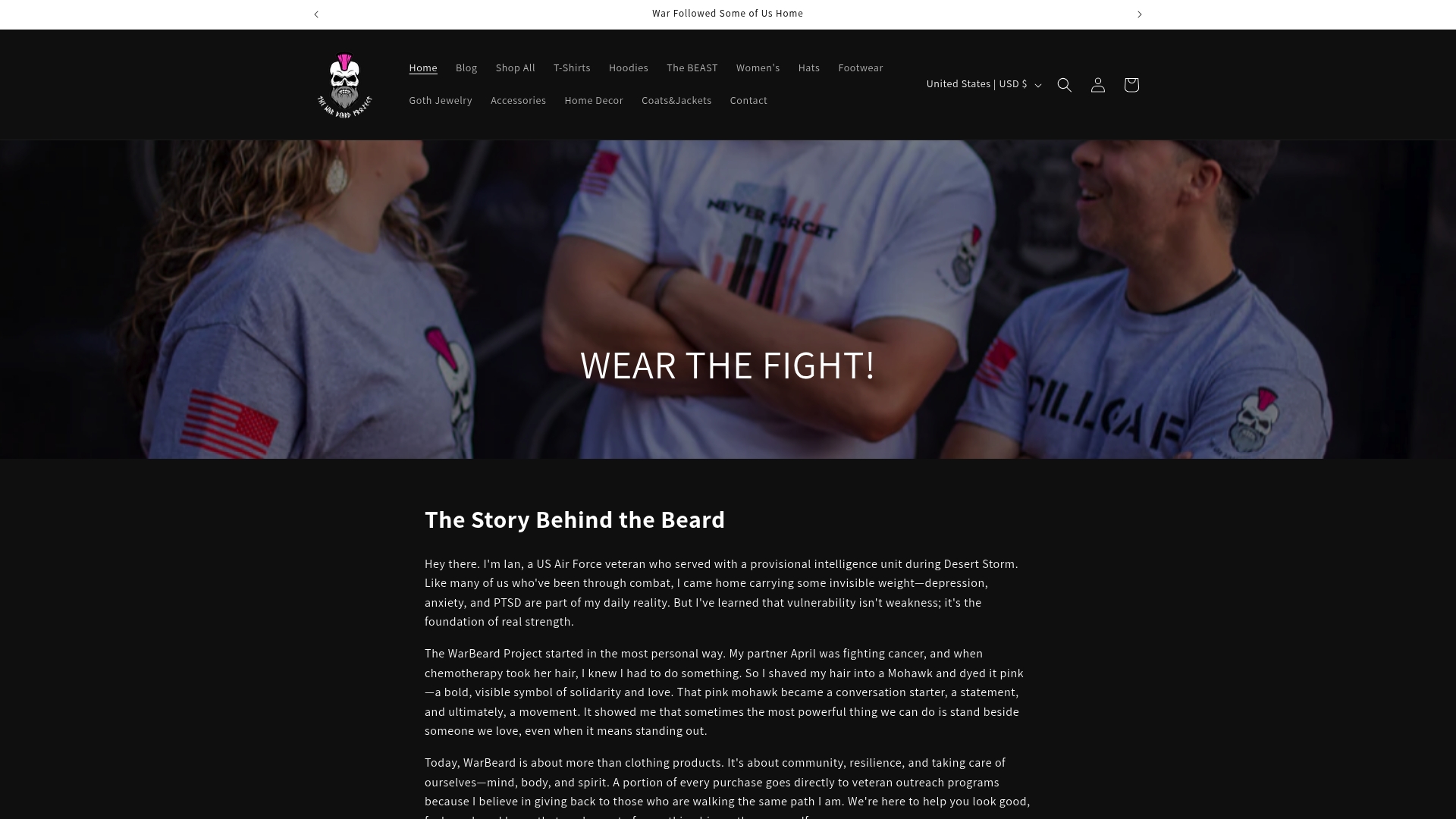
Our collections page covers everything from T-Shirts and Hoodies to Women’s Wear, Accessories, and Home Decor, and it is the easiest starting point for ceremony-week shopping. A few specific pieces fit the days around the pinning itself rather than the formal event:
- The Fortune Favors Unisex classic tee works for a relaxed travel day or a family dinner the night before.
- The OG Logo Women’s pajama pants and OG Logo Women’s pajama shorts suit hotel downtime between ceremony events.
- The VietNam Classic tee and Iron Logo Unisex classic tee make solid options for a casual post-ceremony gathering.
Browse the full collections for sizes, colors, and the rest of our lineup.
FAQ
Can civilians wear camouflage to a pinning ceremony?
Civilians generally should avoid camouflage patterns at pinning ceremonies, since some bases discourage it to prevent confusion with an actual uniform. Business casual or business professional attire is the safer default, and checking with the event sponsor confirms any base-specific rule.
Who is allowed to pin the new insignia?
Family members commonly participate in the pinning, often a spouse, parent, or child affixing the new rank insignia, according to Military OneSource. The exact arrangement varies by service and unit, so confirming with the ceremony sponsor beforehand avoids confusion during the program.
How formal should guests dress for a base pinning ceremony?
Business casual is the standard expectation for most base pinning ceremonies, as reflected in official guidance on military and civilian dress codes and in example ceremony notices. Some ceremonies for senior officers call for business professional attire instead, so confirming the specific event’s expectations is worth the extra step.
Does Warbeard Project sell formal ceremony attire?
Our catalog focuses on veteran-themed apparel and accessories suitable for casual or travel use, rather than formal dress uniforms or business suits. Our pieces work best for the travel days and gatherings around the ceremony, not the formal pinning itself.
Sources
- Military and civilian dress codes > United States Military Academy (West Point)
- Military promotions: what friends and family should know > Military OneSource
- NSA Naples: CPO pinning ceremony notice (example program)
- Anchor up: Sailors become chief petty officers on pinning day > United States Navy