

Veterans: 'Til Valhalla' Meaning, Norse Roots, and When Civilians Should Use It
“Til Valhalla” means “until we meet again in Valhalla,” a pledge of remembrance used among military and veteran communities to honor those who have died in service. We see it most often at funerals, in eulogies, on memorial inscriptions, and at veteran-support events. The sections below explain where the phrase comes from, how it reached modern military culture, and when it is appropriate to use.
TL;DR:
- The phrase entered military culture after Norwegian soldiers shouted it in Afghanistan, eventually spreading through NATO and into U.S. veteran communities.
- “Til Valhalla” is most appropriate when used by those with a direct connection to service members, and civilians should wait until explicitly invited to use it.
- Its use at memorials or funerals is respectful, but it should be avoided as a casual sign-off by those outside the veteran community.
- The phrase appears on memorial plaques, tattoos, and fundraising initiatives to honor fallen service members and support grieving families.
- The phrase draws from Norse mythology but remains a modern expression of remembrance with no direct historical or religious ties.
Table of Contents
- Norse origins: what Valhalla means in myth
- How the phrase entered modern military and veteran culture
- Who should say it and how to use it respectfully
- Memorial plaques, tattoos, and fundraising that use the phrase
- Why we’re writing this guide
- A note on why these words matter
- Wear it with purpose: respectful ways to honor service
- FAQ
- Sources
Norse origins: what Valhalla means in myth
Valhalla comes from the Old Norse word valhǫll, a compound of valr (the slain) and hǫll (hall). The term names a mythic hall where fallen warriors were believed to go after death. The Prose Edda describes this hall in detail as part of Odin’s domain, filled with the einherjar, chosen warriors who train by day and feast by night, attended by Valkyries who select the slain from the battlefield.
A few points keep the modern phrase in proper context:
- Valhalla belongs to Odin’s realm, and the einherjar were understood as warriors preparing for a final battle at Ragnarök.
- Not every fallen fighter went to Valhalla in the myths. Other sources describe Freyja’s Fólkvangr as an alternate destination for the slain.
- The exact phrase “Til Valhalla” does not appear anywhere in medieval Old Norse literature or runic inscriptions. Specialist commentary confirms it is a modern construction that borrows the mythic image rather than a line recovered from the sagas.
Understanding this distinction matters: the phrase draws its emotional weight from an old story, but its wording and use are entirely contemporary.
How the phrase entered modern military and veteran culture
The documented path of “Til Valhalla” into English-speaking military use traces back to footage of Norway’s Telemark Battalion in Afghanistan, where soldiers shouted the phrase as a battlefield rallying cry. From there it spread through NATO forces and eventually into American military and veteran communities, where its tone shifted from a shout before combat to a solemn phrase spoken after loss.
Recorded modern uses include:
- Official Air Force communications describing a combat controller’s burial at Arlington National Cemetery, where the phrase appears in the headline and framing of the memorial.
- Veteran-focused reporting that traces the phrase’s rise in U.S. veteran culture following the Global War on Terror, noting its use in funerals and eulogies.
- Use within suicide-prevention memorial campaigns, where it affirms that those lost are not forgotten.
Documented account: reporting on the phrase’s spread ties its entry into Western military culture to the 2008 Telemark Battalion footage, followed by adoption among NATO troops and later American service members and veterans. That shift from a shout meant to steel nerves before a fight to a phrase spoken over a casket says something about how military communities repurpose old imagery to meet new grief.
Who should say it and how to use it respectfully
The phrase carries weight among service members and veterans because it draws on a shared warrior ethos and the bonds formed through service. Using it well means reading the room.
- If you served or have a direct connection to someone who did, saying it at a memorial or in tribute is generally welcomed.
- If you are a civilian without that connection, wait until you are invited to use it, such as at a public memorial where it is already part of the program.
- When unsure, a simple “rest in peace” or “we will remember” conveys respect without claiming a tradition that is not yours.
- Treat the phrase as a cultural metaphor, not a religious claim. Its use does not require belief in Norse mythology, and coverage of its adoption frames it as a solemn pledge rather than a theological statement.
Pro Tip: When in doubt, let context lead: use the phrase only where you see others in that community already using it, and never as a casual sign-off.
For more on how symbols and phrases function within these communities, see our piece on why veterans embrace brotherhood symbols.
Memorial plaques, tattoos, and fundraising that use the phrase

Beyond funerals, “Til Valhalla” shows up in several concrete memorial formats. The Til Valhalla Project was founded to create memorial plaques that preserve the legacies of fallen service members, pairing the phrase with a mission to support grieving families.
Other common appearances include:
- Unit patches and personal tattoos that mark service and loss within a unit or family.
- Private memorial inscriptions at gravesites or in dedication ceremonies, distinct from commercial merchandise that borrows the phrase without that direct connection.
- Suicide-prevention and remembrance fundraising efforts that use the phrase to honor those lost and keep their memory active in ongoing outreach, a topic we cover in more depth in our piece on veteran suicide and memorial initiatives.
The line between a private memorial and a commercial product matters here: one preserves a specific person’s memory, the other sells an idea. Readers choosing commemorative items should look for that distinction.
Why we’re writing this guide
We build veteran-themed apparel because remembrance should show up in daily life, not just at memorials. This guide is meant to inform, not to rank or compare other brands using the phrase.

A note on why these words matter
Commemoration phrases give grief a shape when words otherwise fail. “Til Valhalla” works because it promises reunion, not finality, and that distinction has helped veteran families and units carry loss publicly. Veterans in crisis can find support through clinical and legal resources built for that exact need.
— Ian
Wear it with purpose: respectful ways to honor service
We offer a few apparel options built for exactly this kind of quiet tribute rather than loud statement pieces.
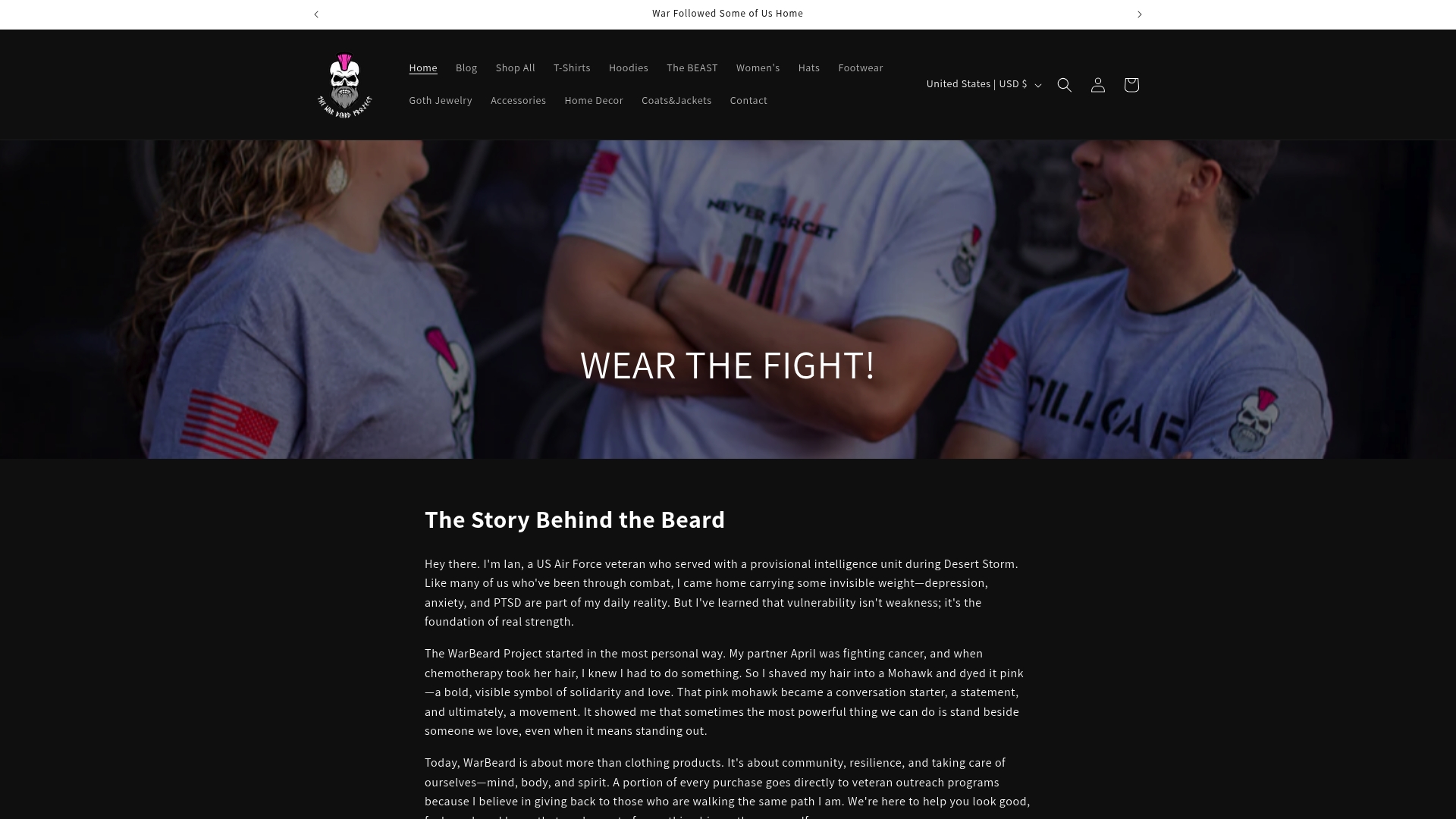
- The NotTodayKaren Unisex classic tee and Fortune Favors Unisex classic tee work as everyday wear that still carries meaning.
- The VietNam Classic tee and Special Edition VAWP2607 Unisex classic tee speak to specific service heritage.
- The OG Logo Premium recycled bomber jacket and OG Logo Drawstring bag suit daily carry and colder seasons.
- At home, the OG Logo Women’s pajama shorts and OG Logo Women’s pajama pants round out comfort wear with the same mission behind it.
Browse the full range in our collections and find a piece that fits how you want to honor service.
FAQ
Why do Marines say “Til Valhalla”?
Marines and other service members use the phrase as a pledge of remembrance for fallen comrades, drawing on a shared warrior ethos rather than any specific branch tradition. Its use spread through NATO and U.S. forces after originating with Norwegian troops in Afghanistan.
Is “Til Valhalla” only for Marines?
No. The phrase is used broadly across U.S. military branches and veteran communities, including documented use in Air Force memorial communications. It is not tied to one branch.
Can a civilian say “until Valhalla”?
Civilians can use the phrase respectfully, but etiquette calls for waiting until invited or using it only when you have a direct connection to the service member being honored. When unsure, phrases like “rest in peace” convey the same respect without borrowing military tradition.
Why do soldiers say “see you in Valhalla”?
This phrasing carries the same meaning as “Til Valhalla”: a promise that fallen comrades will be remembered and reunited rather than simply lost. It reflects the shift from a battlefield rallying cry to a solemn farewell used in funerals and memorials.
Does our company donate to veteran causes?
Details on current product lines are available on our collections page.
Sources
- Til Valhalla: Where the phrase came from and what it means to veterans
- Prose Edda Part 2: pp. 35- 70
- Til Valhalla: Special tactics combat controller laid to rest at Arlington National Cemetery
- The Story Behind the Til Valhalla Project