

Why Veterans Embrace Brotherhood Symbols: A Deep Look
Brotherhood symbols are defined as physical and visual markers that encode the shared experiences, loyalty, and sacrifice of military service into a form veterans can carry with them for life. Dog tags, unit patches, and challenge coins are the three most recognized types. These objects do more than identify a veteran. They sustain the emotional and social bonds that active duty once provided every single day. Understanding why veterans embrace brotherhood symbols requires looking at psychology, history, and the hard reality of what service members lose when they come home.
Why veterans embrace brotherhood symbols: the emotional core
The clearest explanation is this: symbols maintain connection to service and comrades long after a veteran leaves active duty. That connection is not sentimental. It is functional. Veterans who lose access to their unit lose their primary social group overnight, and that loss creates a real psychological gap.
Researchers describe this function as “vernacular memorialization.” Unlike official monuments or government-issued honors, vernacular memorialization is personal. A veteran places a memorial sticker on a truck window or wears a patch from a fallen teammate not because an institution told them to, but because it gives them a way to process grief on their own terms. A 2026 study of 42 infantry soldiers found that personal symbols like memorial stickers help veterans transform survivor guilt into a mission-driven moral obligation. That shift is significant. Guilt is paralyzing. Obligation gives a person direction.
Veterans who use personal symbols to memorialize fallen comrades are not stuck in the past. They are actively converting grief into purpose, carrying their brothers and sisters forward rather than being weighed down by loss.
Symbols also function as what researchers call “mobile shrines.” A patch on a jacket or a coin in a pocket integrates military identity into everyday civilian spaces. It provides a protective anchor for memory without requiring a veteran to explain their service to anyone. The symbol does the work silently.
Pro Tip: If you support a veteran in your life, ask about the symbols they carry or wear. The story behind a challenge coin or a unit patch often reveals more about their service than any direct question would.
How did military brotherhood symbols evolve over time?
The history of unit symbols in the U.S. military is longer than most veterans realize. The tradition of unit patches dates back to WWI with the 81st Division Wildcats, who sewed a wildcat patch onto their uniforms to build unit pride and visual identity. That single decision set a precedent across the entire U.S. Army. By Vietnam, unit patches had become standard practice, and soldiers began personalizing their gear beyond official insignia.
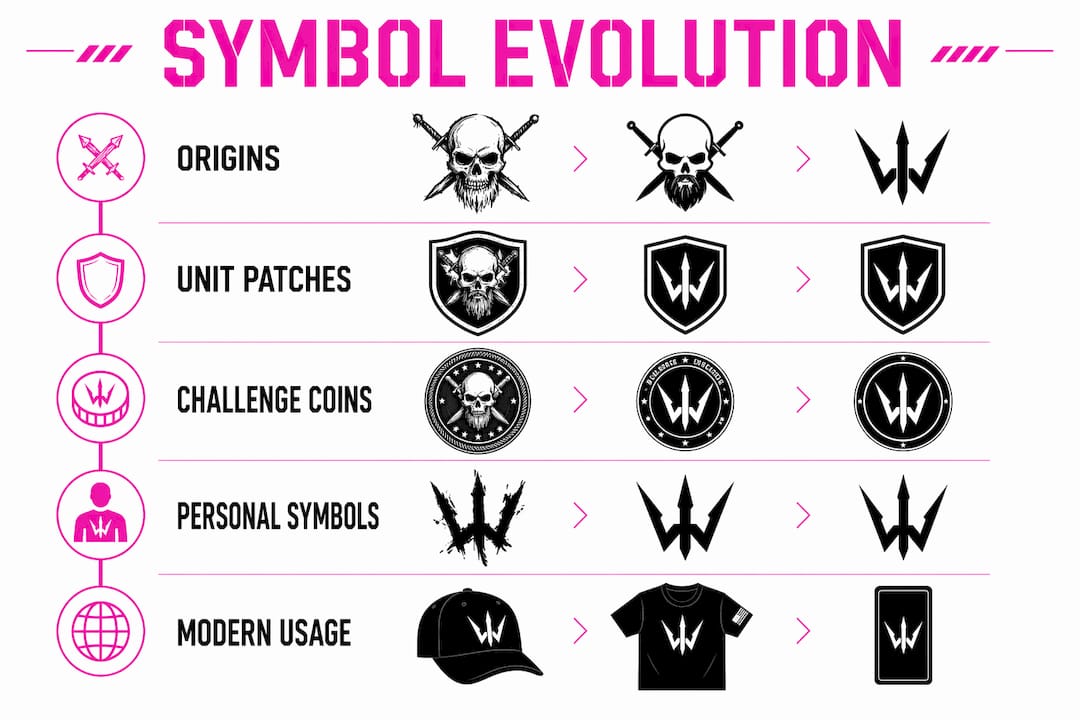
The modern morale patch is the direct descendant of that tradition. The innovation of hook-and-loop fasteners on tactical gear changed everything. Patches became portable and swappable, which meant a soldier could carry multiple identities on one piece of kit. A plate carrier could display a unit patch, a memorial patch for a fallen teammate, and a humorous morale patch all at once.
The evolution from official insignia to personalized symbols follows a clear pattern:
- WWI unit patches established visual identity as a military standard across divisions.
- WWII and Korea expanded patch culture to include theater ribbons and campaign medals as personal records of service.
- Vietnam era saw the rise of unauthorized but tolerated personalized patches, especially among special operations units.
- Post-9/11 conflicts produced the modern morale patch, with custom batches of 50 to 100 units produced for specific teams, reflecting inside humor, unit identity, and memorialization.
- Veteran civilian life extended the tradition into apparel, gear, and lifestyle items that carry the same symbolic weight off the battlefield.
The contrast between official and unofficial symbols is worth understanding clearly.
| Symbol type | Origin | Purpose | Personalization level |
|---|---|---|---|
| Official unit patch | Military regulation | Branch and unit identification | None |
| Campaign medal | Government award | Record of service theater | None |
| Challenge coin | Unit tradition | Membership and recognition | Moderate |
| Morale patch | Grassroots unit culture | Identity, humor, memorialization | High |
| Memorial sticker | Personal choice | Grief processing, tribute | Very high |
Official symbols tell the military’s story. Personal symbols tell the veteran’s story. That distinction matters enormously to the people wearing them.
Why do veterans use symbols to reconnect with their community?
Veterans lose their primary social group the day they separate from service. Historian Bryan Rigg identifies this social loss as one of the most underreported challenges veterans face. Civilian friendships rarely replicate the depth of bonds formed under shared hardship, shared danger, and shared purpose. Brotherhood symbols fill that gap by acting as beacons.
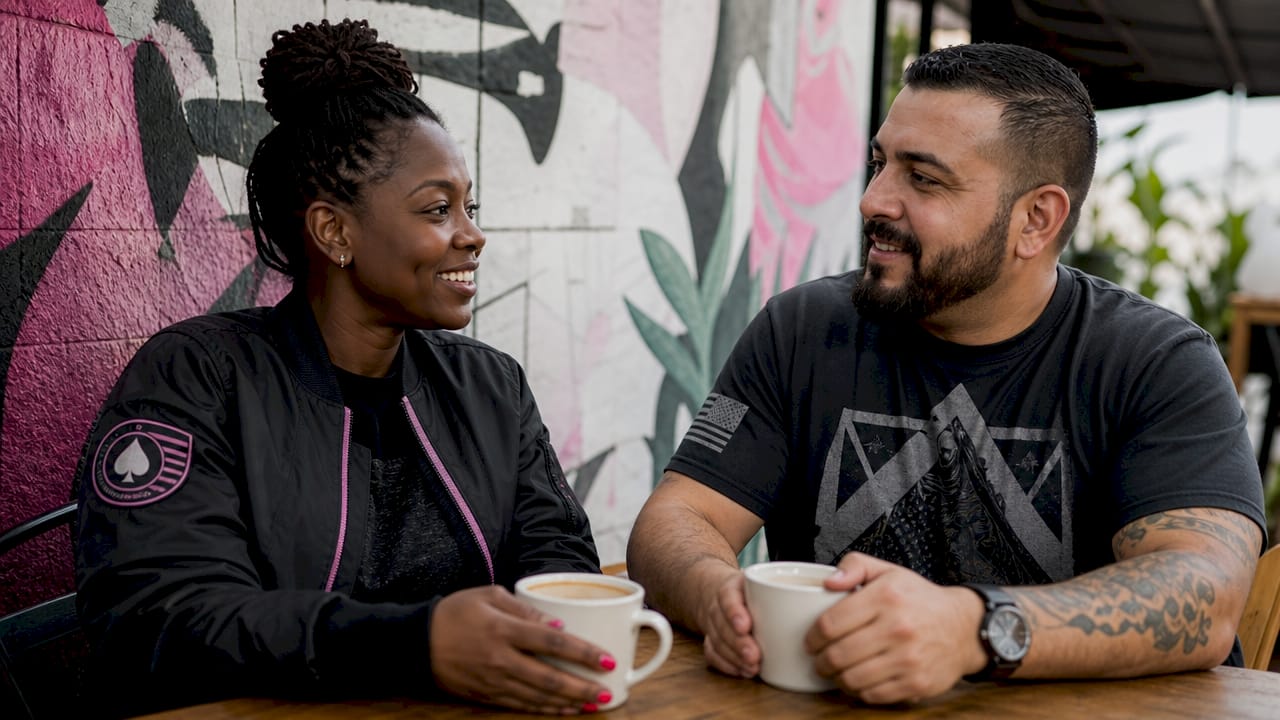
The mechanism is direct. A veteran wearing a 75th Ranger Regiment patch at a hardware store does not need to introduce himself to another veteran who recognizes it. The symbol does the introduction. Unit emblems serve as non-verbal handshakes that create immediate, authentic connections without requiring a veteran to explain their service history to a stranger. That matters because many veterans are reluctant to discuss their service in civilian settings, either from modesty or from the awareness that most civilians lack the context to understand it.
Symbols also provide what peer support practitioners call a “non-clinical” connection. Veterans gravitate toward symbolic environments for peer understanding without needing formal explanation or justification. A VA waiting room and a veterans’ motorcycle club both offer support, but the second one does it through shared symbols, shared language, and shared identity rather than clinical protocol.
Key ways symbols support veteran community and reintegration:
- Instant peer recognition. A patch or coin signals shared experience before a word is spoken, cutting through the social friction of civilian introductions.
- Emotional safety. Symbols communicate “I’ve been where you’ve been” without requiring vulnerability or explanation.
- Sustained purpose. Symbols fill the empty seat at the table by sustaining a sense of belonging that civilian life rarely replaces.
- Narrative control. Veterans choose which symbols to display, which means they control which parts of their story are visible. That agency is psychologically protective.
- Mental health support. Symbolic connection outside clinical settings reduces the stigma barrier that prevents many veterans from seeking help.
Pro Tip: Veterans transitioning out of service can use symbolic apparel and gear as a low-pressure way to signal their background and find community. Explore how symbolic apparel supports transition as a practical first step.
What do common brotherhood symbols actually mean?
Each major symbol in veteran culture carries a specific meaning that has developed over decades of military tradition. Understanding these meanings helps both veterans and supporters engage with them more deliberately.
Dog tags are the oldest personal symbol in modern military use. They identify a soldier’s name, blood type, and religion, which makes them a record of identity and lineage. Veterans who keep their dog tags after service are not just holding onto a piece of metal. They are holding onto proof of who they were and what they committed to.
Challenge coins originated as unit recognition tools. A commander would present a coin to a soldier who performed exceptionally, and possession of the coin proved membership in that unit’s inner circle. Today, challenge coins mark everything from combat deployments to presidential visits. Their meaning is membership and recognition, and the continuing bond function of challenge coins connects veterans emotionally to their service long after separation.
Unit patches and morale patches function as visual autobiographies. A veteran’s patch collection tells the story of where they served, who they served with, and what they lost. Eagles represent strength and national pride. Shields communicate protection and unit solidarity. Stars mark rank, achievement, and sacrifice. Veterans prefer personalized symbols because they allow ownership over their narrative beyond what official military records capture.
The American flag deserves its own category. For veterans, the flag is not a generic patriotic symbol. It is a direct reference to the oath they took and the people they served alongside. The American flag in veteran apparel communicates service history and builds community recognition in a way no other single symbol does.
Common symbols and their core meanings at a glance:
| Symbol | Core meaning | How veterans use it |
|---|---|---|
| Dog tags | Identity and lineage | Worn, displayed, or kept as personal record |
| Challenge coin | Membership and recognition | Carried, collected, exchanged |
| Unit patch | Unit pride and shared history | Worn on apparel, gear, and vehicles |
| Morale patch | Personal identity and humor | Displayed on tactical gear and civilian clothing |
| American flag | Oath, sacrifice, and national service | Worn on apparel, displayed at home |
Veteran brotherhood is defined by shared experience, not biology. Symbols are the visual shorthand for that shared experience, communicating complex, unspoken histories in a single glance.
Key Takeaways
Brotherhood symbols are the most direct mechanism veterans have for maintaining identity, community, and purpose after active duty ends.
| Point | Details |
|---|---|
| Symbols as emotional anchors | Memorial stickers and patches transform survivor guilt into purpose-driven connection. |
| Historical roots matter | Unit patch tradition dates to WWI, giving modern symbols deep cultural legitimacy. |
| Non-verbal community building | Symbols create instant peer recognition without requiring verbal explanation or vulnerability. |
| Personal over official | Veterans choose personalized symbols to control their own narrative beyond standardized records. |
| Civilian reintegration tool | Symbolic apparel and gear help veterans signal identity and find community in civilian spaces. |
What I’ve learned watching symbols do the work words can’t
I’ve watched a veteran walk into a room full of strangers and, within two minutes, find the one other person who served in the same theater. No introduction. No small talk. Just a patch on a jacket and a nod. That exchange carries more information than most people share in an hour of conversation.
What strikes me most is how these symbols function as emotional lifelines during the hardest part of transition. The first year out of service is disorienting in ways that are difficult to describe to someone who hasn’t lived it. The structure is gone. The mission is gone. The people are scattered. A challenge coin in your pocket or a unit patch on your bag does something quiet but real. It reminds you of who you are when the civilian world hasn’t figured out how to see you yet.
The research on vernacular memorialization confirms what veterans already know instinctively. Symbols are not nostalgia. They are active tools for meaning-making. A memorial sticker for a fallen teammate is not about being stuck. It is about carrying that person forward and honoring the obligation that survives them.
What I’d push back on is the idea that symbols are only for veterans who struggle. The healthiest, most grounded veterans I’ve encountered are often the most deliberate about the symbols they carry. They are not using them as a crutch. They are using them as a compass, a reminder of values that civilian culture rarely reinforces with the same clarity.
If you support veterans, learn to read the symbols. Ask about the coin. Ask about the patch. You’ll learn more in that conversation than any intake form will ever tell you.
— Ian
Warbeardproject: apparel built around the symbols that matter
Veterans who want to carry their identity into everyday life need apparel that understands what those symbols mean. Warbeardproject builds veteran lifestyle apparel around exactly that principle, with designs that reflect brotherhood, pride, and the shared history that connects the military community.
The New Logo Yoga Leggings from Warbeardproject are one example of how symbolic design translates into everyday wear that veterans and supporters can connect with. Whether you’re looking for something that reflects your service background or want to show support for the veterans in your life, Warbeardproject’s catalog offers options built with that purpose in mind. Visit Warbeardproject to see the full range of veteran-inspired apparel.
FAQ
What are brotherhood symbols for veterans?
Brotherhood symbols are physical objects like dog tags, unit patches, and challenge coins that encode shared military experience and maintain emotional bonds among veterans after service ends.
Why do veterans connect through shared symbols?
Symbols act as non-verbal communication tools that create instant peer recognition among veterans, bypassing the need for lengthy explanations of service history or shared trauma.
How do symbols help veterans with mental health?
Personal symbols like memorial stickers help veterans process grief and survivor guilt by transforming loss into a mission-driven sense of obligation, as confirmed by a 2026 study of infantry soldiers.
What is the significance of morale patches in veteran culture?
Morale patches are personalized unit identifiers produced in small batches that reflect inside humor, unit pride, and memorialization, giving veterans ownership over their narrative beyond official military records.
How do brotherhood symbols support veteran reintegration?
Symbols help veterans find their tribe in civilian life by signaling shared experience and creating community connections outside formal clinical or institutional settings.