

U.S. Veterans Day vs Memorial Day: What to Say, What to Wear
Memorial Day honors U.S. service members who died in military service, observed on the last Monday in May. Veterans Day honors all who have served honorably, living or dead, on November 11 every year. The U.S. Department of Veterans Affairs draws this line clearly, and the National Moment of Remembrance reinforces it each spring. Warbeard Project treats the distinction as a matter of respect, not trivia.
TL;DR:
- Memorial Day specifically honors service members who died in combat or from wounds received in battle, with most activities centered around cemetery visits and moments of silence.
- Veterans Day celebrates all honorably served military personnel, regardless of whether they saw combat, with activities like parades and community appreciation events on November 11.
- The flags at Arlington National Cemetery are placed by soldiers during the “Flags In” tradition before Memorial Day to illustrate the scope of fallen service members.
- It is appropriate to say “we remember” on Memorial Day and “thank you for your service” on Veterans Day, avoiding celebratory or trivial language on Memorial Day.
- Clothing choices should be subdued and respectful for Memorial Day ceremonies, saving patriotic and bold designs for Veterans Day events.
Table of Contents
- Memorial Day honors those who never came home
- Veterans Day thanks everyone who served
- Memorial Day and Veterans Day side by side
- What to say, what to skip, and how to take part
- Where these holidays actually came from
- The rituals that show the scale of national remembrance
- Dressing with intention on days that carry weight
- Why the distinction still matters to me
- Dress respectfully for whichever day you’re honoring
- Where these facts come from
- Sources
- FAQ
Memorial Day honors those who never came home
Memorial Day is a day of mourning. It honors service members who died in military service to the United States, particularly those killed in battle or from wounds received in combat, according to the VA. That includes soldiers, sailors, airmen, and Marines lost across every American conflict, not just the most recent ones.
The holiday falls on the last Monday in May, a placement set by the Uniform Monday Holiday Act to create a three-day weekend. That scheduling shift has made Memorial Day feel like the unofficial start of summer for many households, even though its purpose remains solemn.
Common observances include:
- Visiting cemeteries and placing flowers or flags at gravesites
- Attending wreath-laying ceremonies at local memorials
- Watching or marching in Memorial Day parades
- Pausing for the National Moment of Remembrance at 3 p.m. local time
When attending a ceremony or speaking with a family that lost someone, keep the tone quiet and let the family set the pace of conversation.
Veterans Day thanks everyone who served
Veterans Day recognizes every person who served honorably in the U.S. military, in wartime or peacetime, whether they are still with us or have since passed. Unlike Memorial Day, it does not require that someone died in service. A retired service member who never saw combat is honored the same as one who did.
The date never moves. Veterans Day falls on November 11 each year, tied permanently to the anniversary of the armistice that ended World War I, as the VA explains. No Monday shift, no long weekend engineering, just a fixed date on the calendar.
Typical observances include:
- Community parades honoring veterans in attendance
- Honor ceremonies at schools, VA facilities, and town halls
- Scheduled moments of silence tied to federal proclamations
- Public thank-you events and veteran appreciation discounts
The tone shifts here. Memorial Day is somber and focused on loss. Veterans Day is grateful and forward-looking, aimed at the people sitting in the room, not just the names on a wall.
Memorial Day and Veterans Day side by side
The fastest way to keep these straight is to compare them directly:
- Who is honored: Memorial Day honors the fallen. Veterans Day honors all who served, living or dead.
- Date: Memorial Day falls on the last Monday in May. Veterans Day is fixed on November 11.
- Typical activities: Memorial Day centers on cemetery visits and moments of silence. Veterans Day centers on parades and thank-you events.
- Tone: Memorial Day is mourning. Veterans Day is gratitude.
- What to say: On Memorial Day, say “we remember” rather than “happy Memorial Day.” On Veterans Day, “thank you for your service” fits.
If you remember one thing, remember this: Memorial Day is for those who died, Veterans Day is for those who served.
What to say, what to skip, and how to take part
Words matter more than most people realize on these two days. A few guidelines make the difference between a respectful gesture and an awkward one.
- On Memorial Day, say “we remember” or “thank you for their sacrifice” rather than “happy Memorial Day,” which can sound jarring to a grieving family.
- On Veterans Day, “thank you for your service” is appropriate and welcomed by most living veterans.
- Avoid treating either holiday as just a sale event or a day off in conversation with veterans or their families.
- Follow basic flag etiquette: fly the flag at half-staff until noon on Memorial Day, then raise it to full staff, and always display it at full staff on Veterans Day. Warbeard Project’s flag display guide covers the common mistakes people make without realizing it.
- Participate locally by attending a ceremony, volunteering at a veterans’ cemetery, or donating to a veteran-support nonprofit.
Pro Tip: At 3 p.m. local time on Memorial Day, stop what you’re doing for one minute of silence. It is a small, specific act that the National Moment of Remembrance Act was written to encourage nationwide.
Where these holidays actually came from
Memorial Day traces back to Decoration Day, established in 1868 when the Grand Army of the Republic called for graves of Civil War dead to be decorated with flowers. The first large observance took place at Arlington National Cemetery on May 30, 1868, and Congress later recognized Waterloo, New York, as the holiday’s birthplace before the Uniform Monday Holiday Act moved it to the last Monday in May starting in 1971.
Veterans Day started as Armistice Day, marking the end of World War I fighting on November 11, 1918. Congress renamed it Veterans Day in 1954 to honor veterans of all wars. A 1971 law briefly shifted the federal observance to a Monday, but public and state opposition pushed Congress to restore the fixed date of November 11 starting in 1978, preserving its tie to the armistice.

The rituals that show the scale of national remembrance
Some traditions make the distinction visible on a national scale. Each year before Memorial Day, soldiers from the U.S. Army’s Old Guard place small American flags at every headstone in Arlington National Cemetery.
A large number of small American flags are placed by soldiers in a few hours, an operation known as Flags In that illustrates the scope of the cemetery and the holiday’s weight.

Veterans Day carries its own scheduled moments of silence tied to federal proclamations, distinct from the Memorial Day pause set by the National Moment of Remembrance Act.
Dressing with intention on days that carry weight
Clothing choices matter more on these two days than people expect. Warbeard Project’s Memorial Day outfit guide covers combinations that show respect without leaning on flag prints or loud graphics, since Memorial Day calls for restraint rather than celebration.
A few basics apply across both holidays:
- Skip novelty prints or slogans that read as celebratory on Memorial Day.
- Choose understated colors and designs for cemetery visits or wreath ceremonies.
- Save bolder, patriotic designs for Veterans Day events where gratitude is the point.
Warbeard Project’s piece on why veterans value heritage brands goes deeper into how the veteran community reads apparel choices.
Why the distinction still matters to me
I’ve watched people wish veterans a “happy Memorial Day” without realizing the holiday is for the fallen, not the living. It is an honest mistake, but it flattens two very different kinds of remembrance into one.
Keeping Memorial Day and Veterans Day separate lets us grieve properly in May and thank properly in November. Both matter. Neither should absorb the other.
— Ian
Dress respectfully for whichever day you’re honoring
If you want something understated for a Memorial Day ceremony or a piece that reads as gratitude for Veterans Day, the NotTodayKaren Unisex classic tee, the VietNam Classic tee, and the Special Edition VAWP2607 Unisex classic tee are built with that tone in mind.
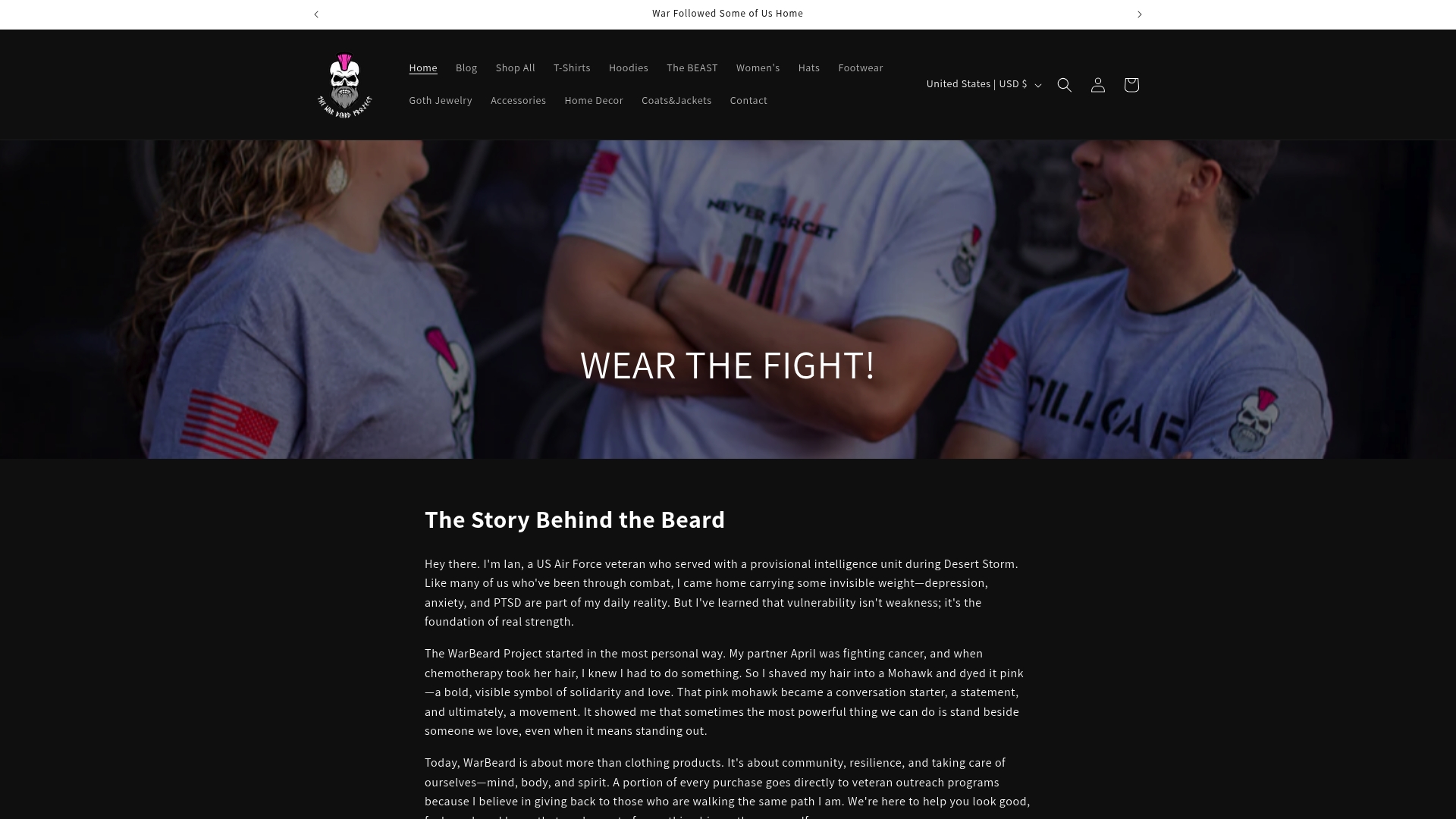
Browse the full collections page to find something that fits the day you’re observing.
Where these facts come from
The VA’s Veterans Day and Memorial Day comparison anchors the core distinction and the Moment of Remembrance details. The National Cemetery Administration’s Memorial Day history covers Decoration Day’s origins. The VA’s Veterans Day history piece explains the 1954 renaming and 1978 date restoration. Readers planning a tribute can also review this guide to memorial websites for digital remembrance ideas.
Sources
- The difference between Veterans Day and Memorial Day - VA News
- Memorial Day history - National Cemetery Administration
- Old Guard honors fallen with ‘Flags In’ tradition - U.S. Army / related feature
FAQ
Why do people confuse Memorial Day with Veterans Day?
Both holidays honor military service, and their proximity in the calendar year, plus overlapping imagery like flags and parades, blurs the line for many people. The key difference is that Memorial Day honors those who died in service, while Veterans Day honors everyone who served, living or dead.
Should you recognize veterans on Memorial Day?
Memorial Day is specifically for those who died in military service, so the focus should stay on the fallen rather than living veterans. Living veterans are honored on Veterans Day in November, which keeps each holiday’s purpose distinct.
Can you say happy Memorial Day to a veteran?
It’s better to avoid “happy Memorial Day” since the holiday centers on mourning those who died in service. Phrases like “we remember” or a quiet acknowledgment of the day’s purpose are more fitting, especially when speaking with a Gold Star family.
What not to say on Memorial Day?
Avoid treating the day as just a start-of-summer sale or saying “happy” anything, since Memorial Day is a day of remembrance rather than celebration. Save “thank you for your service” for Veterans Day, when it fits the day’s gratitude-focused tone.
What does Veterans Day actually celebrate?
Veterans Day celebrates everyone who served honorably in the U.S. military, in war or peacetime, and falls on November 11 every year without shifting to a Monday. It began as Armistice Day marking the end of World War I before Congress renamed it Veterans Day in 1954.