

Why Service Members Value Authentic Brands
Why service members value authentic brands
Service members and veterans choose authentic brands for a direct reason: these brands deliver genuine recognition, consistent behavior, and a relationship that aligns with military values of trust, loyalty, and reliability. This preference is not sentimental. It is grounded in psychology, community dynamics, and lived experience.
Key reasons this preference holds:
- Authentic brands provide real recognition of military service, not performative gestures.
- Trust and consistency align directly with military values of reliability and keeping commitments.
- Personalized engagement creates emotional loyalty that outlasts any single transaction.
- The military community’s tight networks amplify positive brand experiences rapidly.
- Brands like Warbeardproject demonstrate cultural fluency that earns lasting community trust.
How personalized engagement builds real trust in military communities
Personalized military offers do more than drive a single purchase. Ninety-four percent of military consumers would share a personalized offer with others in their community, turning one well-executed campaign into a network-wide endorsement. Generic campaigns cannot replicate this effect because they signal that a brand does not understand who it is talking to.
Military consumers rely heavily on word-of-mouth within tight units and base communities. A single positive brand experience can move through an entire installation. Brands that use identity marketing platforms to digitally verify military status send a clear signal: this offer is exclusive, respectful, and real.
Cultural fluency is the baseline requirement. General market creative placed in a military context without adaptation is immediately recognized as inauthentic, and that recognition spreads just as fast as a positive experience.
- Offer personalized, year-round military discounts rather than one-off seasonal promotions.
- Use digital verification to protect offer exclusivity and reinforce commitment.
- Adapt imagery, language, and offer structure to the military context specifically.
- Partner with credible voices inside the community rather than general market influencers.
- Communicate offers through channels the community actually uses: email, brand websites, and peer networks.
Pro Tip: Veteran-focused nonprofit partnerships, like those explored in veteran nonprofit apparel partnerships, add a layer of community credibility that paid advertising cannot buy.
The psychology behind emotional loyalty to authentic brands
Psychological research on brand authenticity shows that authentic brands strengthen consumer-brand identification, which predicts long-term sales growth and increases brand forgiveness among consumers. For service members, this identification runs especially deep because military identity is central to self-concept. Eighty-five percent of military members strongly identify with being part of the military community, nearly as often as they identify with family roles.
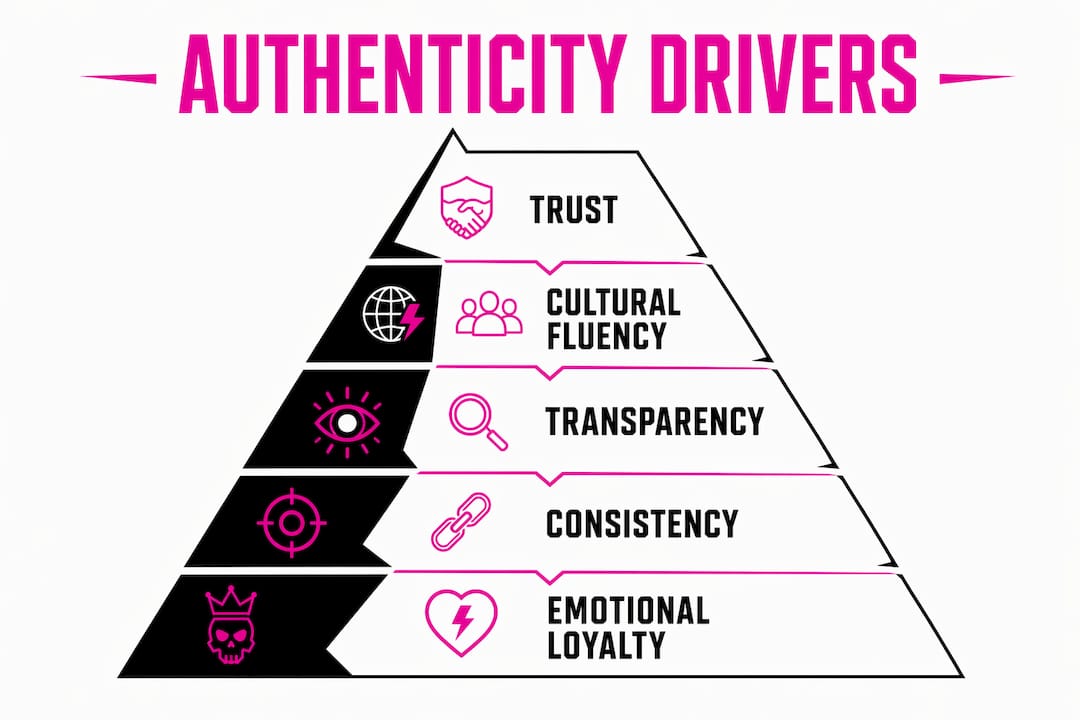
When a brand aligns transparently with that identity, it stops being a vendor and becomes part of how a service member sees themselves. Authenticity functions as an evaluative standard: brands are not rewarded for being authentic so much as they are penalized for being inauthentic. The baseline expectation is genuineness, and anything short of it registers as a failure.
Emotional loyalty in this community is non-transactional. Service members seek organizations that keep their word and show consistent recognition. They are not looking for special treatment. They want acknowledgment that their service matters, delivered reliably and without performance.
- Brand authenticity strengthens consumer-brand identification, the psychological mechanism behind lasting preference.
- Emotional attachment mediates the relationship between authenticity and loyalty.
- Self-congruence, the fit between brand values and personal identity, drives autonomous motivation to engage.
- Perceived sincerity reduces reliance on external cues like price when making purchase decisions.
- Military consumers who feel genuinely recognized report feeling valued, supported, and respected.
Trustworthiness ranks as the top personal value for 97% of active duty members, and customer service is the primary driver of brand loyalty for 67%.
How Warbeardproject exemplifies authenticity for service members
Warbeardproject operates at the intersection of military identity and lifestyle apparel, a space where cultural fluency is not optional. The brand’s design language, combining bold graphic work with signals of service branch pride, communicates direct familiarity with military culture rather than a surface-level interpretation of it.

The brand’s content demonstrates the same fluency. Articles covering why veterans choose tactical clothing and the role of military humor in apparel identity reflect a brand that understands its community from the inside. That understanding is what separates authentic engagement from marketing window dressing.
| Authenticity factor | How Warbeardproject applies it |
|---|---|
| Cultural fluency | Designs reflect service branch identity and veteran lifestyle directly |
| Community content | Educational articles address real veteran apparel preferences and culture |
| Identity alignment | Brand aesthetic matches the bold, no-apology identity of military culture |
| Consistent recognition | Year-round focus on veteran community, not seasonal campaigns |
Building sustainable loyalty through transparency and consistency
Military customers show higher repeat purchase rates than the general population because they value consistency, trust, and long-term relationships with brands. Once trust is established, switching costs are psychologically high. This is the payoff for brands that invest in authentic, sustained engagement rather than one-off campaigns.
Transparency in messaging is the entry point. Skeptical by training, service members identify vague or performative claims quickly. Brands that publish clear, specific commitments and then follow through build the kind of credibility that survives a bad product experience.
Storytelling and shared experiences reinforce these bonds. Brands that surface real veteran stories, support veteran-focused organizations, and maintain visible community investment create a narrative that service members can see themselves in. Military discounts and rewards programs rank as top loyalty drivers for Post-9/11 veterans, particularly when offered year-round rather than only in May or November.
- Make military discounts permanent, not seasonal, to signal ongoing respect.
- Publish specific commitments rather than general statements of support.
- Use storytelling that centers veteran experiences without commercializing them.
- Maintain consistent brand behavior across every channel and interaction.
- Partner with veteran service organizations to demonstrate sustained community investment.
How military culture shapes what authenticity means to service members
Military culture produces a specific and demanding definition of authenticity. Service members are trained to assess risk, identify inconsistency, and prioritize what is verifiable over what is claimed. That operating mode does not switch off when the uniform comes off. Military Friendly® describes transitioning veterans as performing a high-stakes intelligence assessment when they evaluate organizations, scanning for the gap between stated values and actual behavior.
The community’s network structure amplifies this scrutiny. Military members live in dense, interconnected communities where brand experiences, both positive and negative, circulate rapidly. A brand that fumbles a military interaction does not just lose one customer. It loses credibility across a unit, a base, or an online veteran community simultaneously.
Seventy-two percent of active duty members are more likely to try a brand after seeing it in an authentic military context, reflecting the impact of truly relevant brand engagement. Context signals respect. A brand present in the spaces where service members actually live and work communicates community investment in a way that a digital ad served to a demographic segment cannot.
Values of loyalty, reliability, and honesty are not abstract for this community. They are operational standards applied daily. Brands that embody these values in their behavior, not just their messaging, earn a level of advocacy that general market consumers rarely deliver. Brands that do not meet this standard are identified and rejected with equal efficiency.
Key Takeaways
Authentic brands earn military loyalty because they deliver consistent recognition, cultural fluency, and transparent behavior that aligns with the values service members apply to every relationship.
| Point | Details |
|---|---|
| Trust is the baseline | Trustworthiness ranks as the top personal value for 97% of active duty members, making it the minimum standard for brand credibility. |
| Personalized offers spread fast | 94% of military consumers would share a personalized military offer with their community, multiplying brand reach through trusted networks. |
| Emotional loyalty outlasts transactions | Authentic recognition creates non-transactional loyalty; service members return to brands that consistently acknowledge their service. |
| Cultural fluency is required | General market creative fails in military contexts; brands must adapt language, imagery, and offers to the specific military audience. |
| Warbeardproject reflects these principles | The brand’s design, content, and year-round community focus demonstrate the cultural alignment that earns lasting veteran loyalty. |
What authentic branding actually means to a veteran
Most brands that claim military support get it wrong in the same way. They post a flag graphic in may, run a Veterans Day discount, and call it a strategy. Veterans notice. The community has seen enough performative gestures to recognize them immediately, and the reaction is not neutral. A brand that signals it is performing support rather than delivering it loses credibility faster than a brand that never tried.
What actually registers with service members is consistency over time. A brand that maintains its military discount in february, that publishes content reflecting genuine knowledge of military culture, and that shows up in the spaces the community actually occupies, that brand earns trust. Not because it did something extraordinary, but because it did what it said it would do, repeatedly.
The nonprofit branding principles that drive veteran community trust follow the same logic: identity alignment, visible commitment, and storytelling that reflects the community’s own values back to them. Brands that understand this do not need to announce their authenticity. The community announces it for them.
Warbeardproject: veteran lifestyle apparel built on real cultural connection
Warbeardproject delivers what the military community actually looks for in a brand: apparel that reflects genuine identity, not a generic patriotic aesthetic. The designs carry the bold, direct energy of military culture without reducing it to a marketing shorthand.
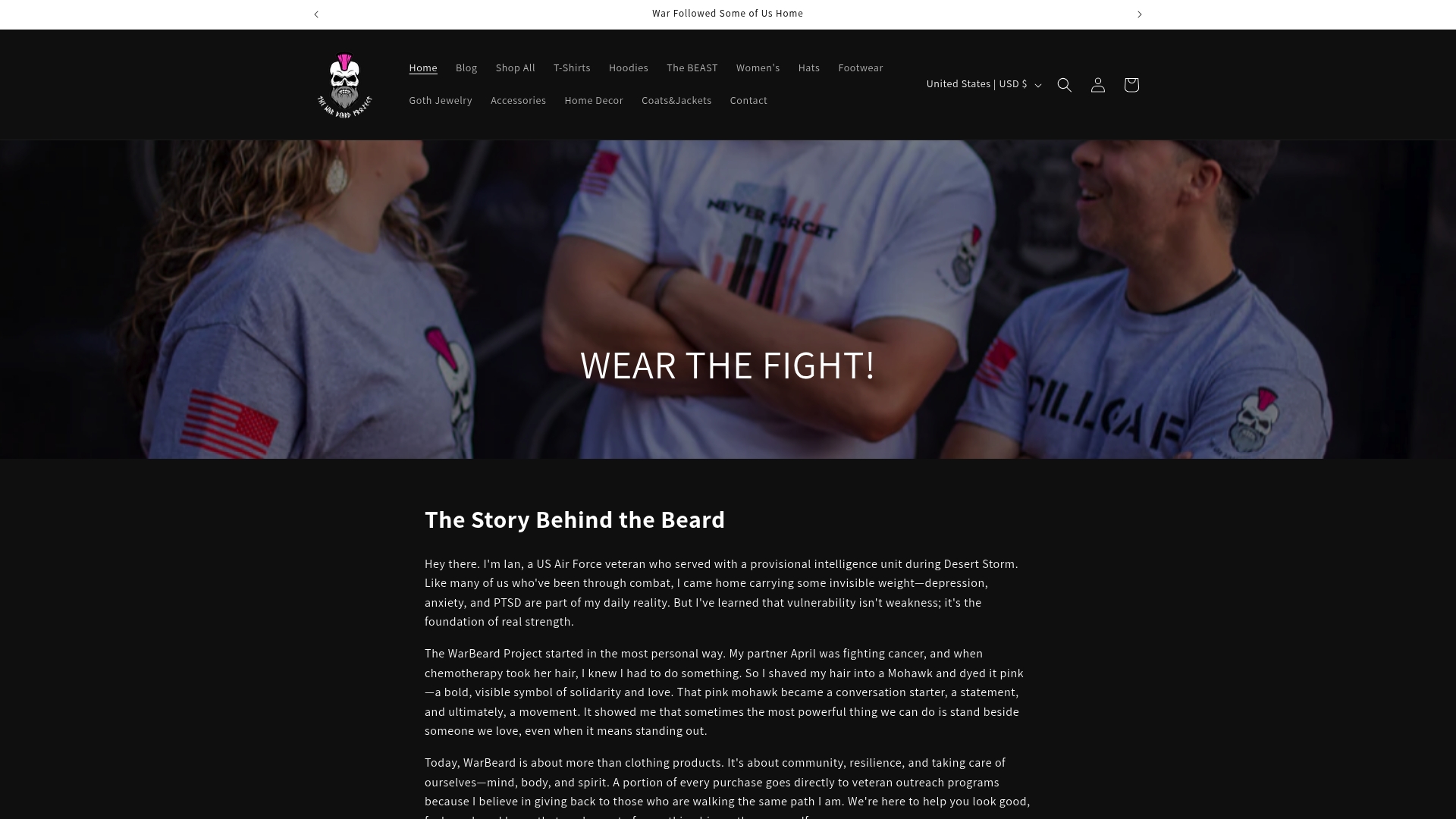
For service members and veterans who want gear that reflects who they are rather than who a marketing team thinks they are, Warbeardproject’s yoga leggings and lifestyle apparel represent a brand built with cultural fluency at the core. The community connection is in the product, not just the campaign. Explore the full range at Warbeardproject and find apparel that actually fits the lifestyle.