

Yes, Civilians Can Wear Military-Style Veteran Apparel
Yes. Civilians, veterans, and active-duty personnel off duty can all wear military-style and veteran-themed civilian clothing, meaning apparel that borrows military design language (tees, hoodies, hats, activewear) without being an official uniform. This article covers that category only, not uniform impersonation law or restricted insignia use.
- What it means: graphic tees, hoodies, hats, and gear inspired by military aesthetics, sold as civilian apparel.
- Where to start: Warbeard Project, a U.S.-based, mission-driven veteran lifestyle brand.
- What to check first: sizing, materials, and whether the brand actually supports veteran causes.
Key Takeaways
Civilians can wear veteran-themed and military-style clothing responsibly by choosing mission-transparent brands, checking size and material specs, and avoiding pieces that mimic specific unit insignia.
| Point | Details |
|---|---|
| Scope matters | Stick to civilian tees, hoodies, hats, and activewear, not official uniforms or insignia. |
| Verify the mission | Confirm what percentage of proceeds goes to veteran programs before buying. |
| Match graphics to context | Choose subtle mission designs over specific unit emblems unless you earned that connection. |
| Check trust signals | Look for size charts, material specs, and real customer reviews on the product page. |
| Warbeard Project as a starting point | A U.S.-based, mission-driven brand selling apparel and accessories with veteran support tied to sales. |
Table of Contents
- What Counts as Military-Style or Veteran-Themed Clothing?
- Why Do Veterans and Supporters Choose This Style?
- Common Civilian Items, Styles, and Materials
- How Do You Choose the Right Veteran-Themed Apparel?
- Where Should You Buy Veteran-Themed Apparel in the U.S.?
- How Should You Care for and Style These Pieces?
- What Are the Legal Rules Around Military Insignia and Uniforms?
- What Social Perceptions Should You Be Aware Of?
- Frequently Asked Questions
- Sources
What Counts as Military-Style or Veteran-Themed Clothing?
This article covers everyday, non-official apparel: think a hoodie with a distressed flag graphic, a moisture-wicking tee with a mental health advocacy slogan, or a snapback hat with a subtle service branch nod. None of it is a uniform, and none of it carries rank insignia meant to represent active service.
- Included: veteran-themed graphics, military-inspired silhouettes (cargo cuts, utility jackets), tactical-style function built for civilian daily use.
- Excluded: official insignia, service dress uniforms, or anything designed to misrepresent active-duty status.
- Why it matters: brands like Warbeard Project design specifically in this civilian lane, and independent groups like Charity Navigator exist precisely because so much “veteran apparel” makes donation claims worth double-checking.
Keeping that line clear protects both the wearer and the meaning behind the clothing.
Why Do Veterans and Supporters Choose This Style?
Clothing carries weight after service ends. A hoodie with a unit-adjacent design or a tee with a mental health message can function as a quiet signal: I served, I understand, I’m still here. For supporters, the same pieces say I stand with you without requiring a speech.
Ian, who covers military apparel and veteran transition for Warbeard Project, points to a pattern seen across the veteran community: clothing often becomes one of the few socially acceptable ways to reference military identity in civilian life, especially in the months after separation when identity itself feels unsettled. A t-shirt does something a conversation often can’t.
The motivations tend to cluster into a few categories:
- Identity: a visible, low-pressure way to signal service without explaining it.
- Transition support: familiar aesthetics (utility pockets, durable fabric) that ease the shift from uniform to civilian closet.
- Function: tactical-style construction (reinforced seams, moisture-wicking fabric) built for daily wear, not just parade rest.
- Event and ceremonial wear: Memorial Day, Veterans Day, unit reunions.
- Fundraising: apparel tied to mission-driven donations, where the purchase itself supports veteran programs.
Pro Tip: Choose subtle mission graphics over large, service-specific emblems if you didn’t serve in that branch or unit. A small ribbon icon or a general “support our veterans” message reads as solidarity. A giant unit patch on someone who never served that unit reads as a claim you can’t back up.
Common Civilian Items, Styles, and Materials
Most veteran-themed wardrobes build around a small set of reliable categories, and the material matters as much as the graphic.
- Tees and hoodies: the entry point for most buyers, usually cotton blends for softness or cotton/poly mixes for durability.
- Hats: structured caps and beanies, often the easiest way to add a subtle mission graphic.
- Activewear: leggings, joggers, and performance tops using moisture-wicking fabric for workouts or daily errands.
- Women’s cuts: tailored silhouettes rather than boxy unisex fits, an area many older military-adjacent brands ignored.
- Accessories and patches: patches, keychains, and small goods that let someone show support without a full outfit change.
On materials, cotton blends work for casual softness but wear faster under heavy use. Performance fabrics with a DWR (durable water repellent) finish or moisture-wicking properties hold up better for outdoor or active wear. Ripstop fabric and reinforced stitching matter most for anything marketed as tactical or field-ready, since buyers choosing between authentic surplus, commercial military-spec, and civilian reinterpretations each get a different durability and price trade-off.
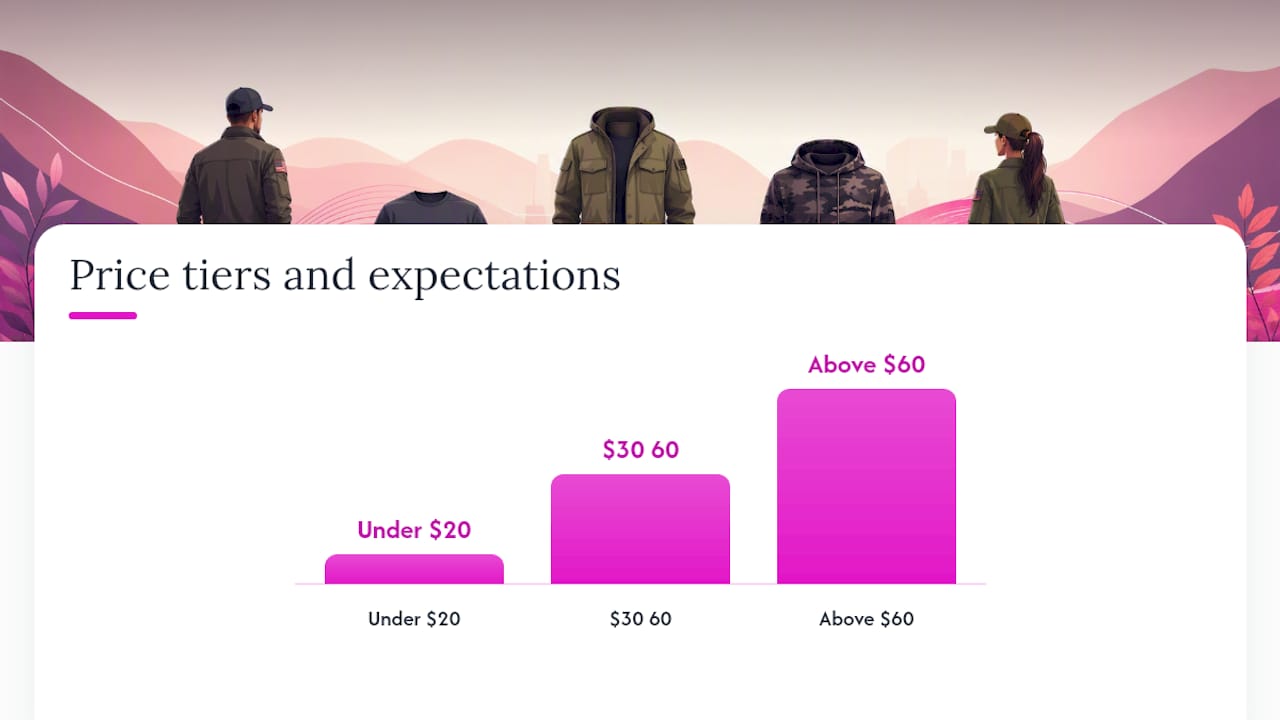
Fit runs from relaxed streetwear cuts to tailored athletic fits. Price bands roughly break down as budget ($15 to $30 for basic tees), mid-range ($30 to $60 for hoodies and performance activewear), and premium ($60 and up for outerwear or technical fabric pieces).
How Do You Choose the Right Veteran-Themed Apparel?
A good buying decision here is less about style and more about verification. Follow this checklist before checkout:
- Define the use. Daily wear, workouts, or a one-time event each call for different fabric and fit.
- Check the size chart. Military-inspired cuts run differently than standard retail sizing, so reading sizing guidance before buying online avoids a return.
- Read the materials and care label. Confirm whether it’s a cotton blend, a performance fabric, or ripstop, and match that to your intended use.
- Confirm the donation model or veteran-owned status. Look for a clear statement of what percentage of proceeds supports veteran programs.
- Read customer reviews. Real feedback on fit and durability catches issues product photos hide.
- Verify the returns policy. Especially important with sizing variance across military-style brands.
When evaluating a brand’s mission claims, ask directly: What percentage of proceeds go to veterans? Is this brand veteran-run? Are the size charts and material specs actually listed on the product page? Choosing apparel based on quality, style, and real veteran support beats choosing on graphic design alone.
Pro Tip: Don’t take a “portion of proceeds donated” claim at face value. Look for a named nonprofit partner, an impact page with real numbers, or a rating from an independent source like Charity Navigator. If a brand can’t name where the money goes, treat the claim as marketing, not fact.
Budget guidance is straightforward: under $20 usually means basic cotton with screen-printed graphics. $30 to $60 typically brings better fabric blends and construction. Above $60, expect technical fabrics, reinforced stitching, or tailored fits built to last multiple seasons.
Where Should You Buy Veteran-Themed Apparel in the U.S.?
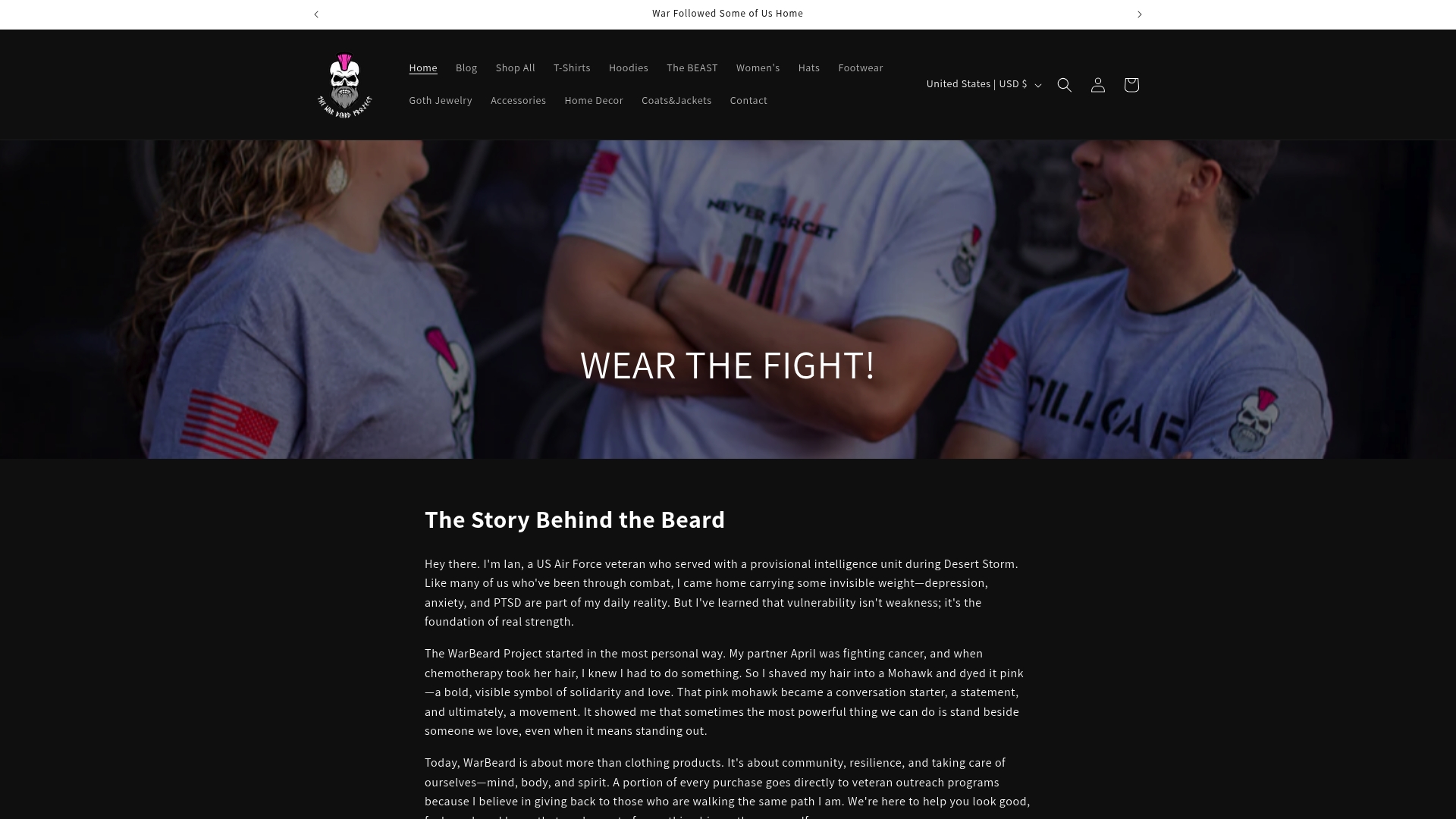
Warbeard Project is a U.S.-based veteran lifestyle brand built specifically around this category: t-shirts, hoodies, hats, activewear, women’s wear, footwear, accessories, and even home decor and electronics accessories, organized into mission-driven collections covering themes like mental health advocacy and veteran solidarity. A portion of sales goes toward veteran support programs, which puts the brand in the same donation-transparency conversation as other patriotic apparel brands supporting veteran causes.
For U.S. shoppers, a few habits make the process smoother:
- Check shipping timelines and return windows before ordering, especially for sized items.
- Read the size chart against a garment you already own rather than guessing.
- Look for product pages with clear material specs and photography showing actual fit, not just flat-lay shots.
Beyond dedicated veteran brands, legitimate alternatives exist: general marketplaces, veteran nonprofit stores, and specialty tactical retailers. If you shop those routes, verify seller claims about charity partnerships before assuming a portion of your purchase supports anyone.
How Should You Care for and Style These Pieces?
Cotton blends hold up best with cold water washes and low heat drying, since high heat breaks down screen-printed graphics faster than the fabric itself. DWR-treated jackets need occasional reproofing and should skip fabric softener, which clogs the water-repellent coating. Ripstop items are durable but benefit from air drying to preserve the coating.
Styling depends on the occasion:
- Everyday casual: a graphic hoodie or tee with jeans, no different from any other streetwear piece.
- Commemorative events: Memorial Day or Veterans Day calls for more overt tributes, like a branch-specific tee or a mission graphic tied to that day.
- Field or outdoor use: ripstop pants or a utility jacket, chosen for function as much as look.
- Subtle support looks: a small patch or understated logo works better in professional or mixed-company settings than a large service emblem.
Match the graphic’s intensity to the room you’re walking into.
What Are the Legal Rules Around Military Insignia and Uniforms?
Federal law restricts wearing an official military uniform, insignia, or medals in a way that misrepresents someone as active-duty personnel, particularly if done with intent to deceive. This mostly applies to full uniform sets, rank insignia, and unearned medals, not to civilian apparel with military-inspired styling.
Everyday veteran-themed clothing sold by brands like Warbeard Project sits outside that legal gray zone because it’s designed as civilian apparel from the start: a graphic tee referencing service is not a uniform, and a hoodie with a distressed flag print isn’t insignia. The line gets blurry with novelty items that closely replicate actual uniform pieces or rank insignia for costume or fashion use.
The practical etiquette rule is simpler than the legal one: if a piece could reasonably be mistaken for actual uniform components, or if it claims a rank or unit you don’t hold, skip it. If you’re unsure whether a specific product crosses that line, a quick read of a retailer’s product description usually clarifies whether it’s marketed as costume, uniform replica, or civilian fashion. When in doubt about a specific situation, checking with a veteran service organization or a legal resource beats guessing.
Most of the category, tees, hoodies, hats, and activewear with military-inspired design, never comes close to that line in the first place.
What Social Perceptions Should You Be Aware Of?
Wearing military-style clothing without a service connection can draw mixed reactions, and it’s worth understanding both sides before you buy.
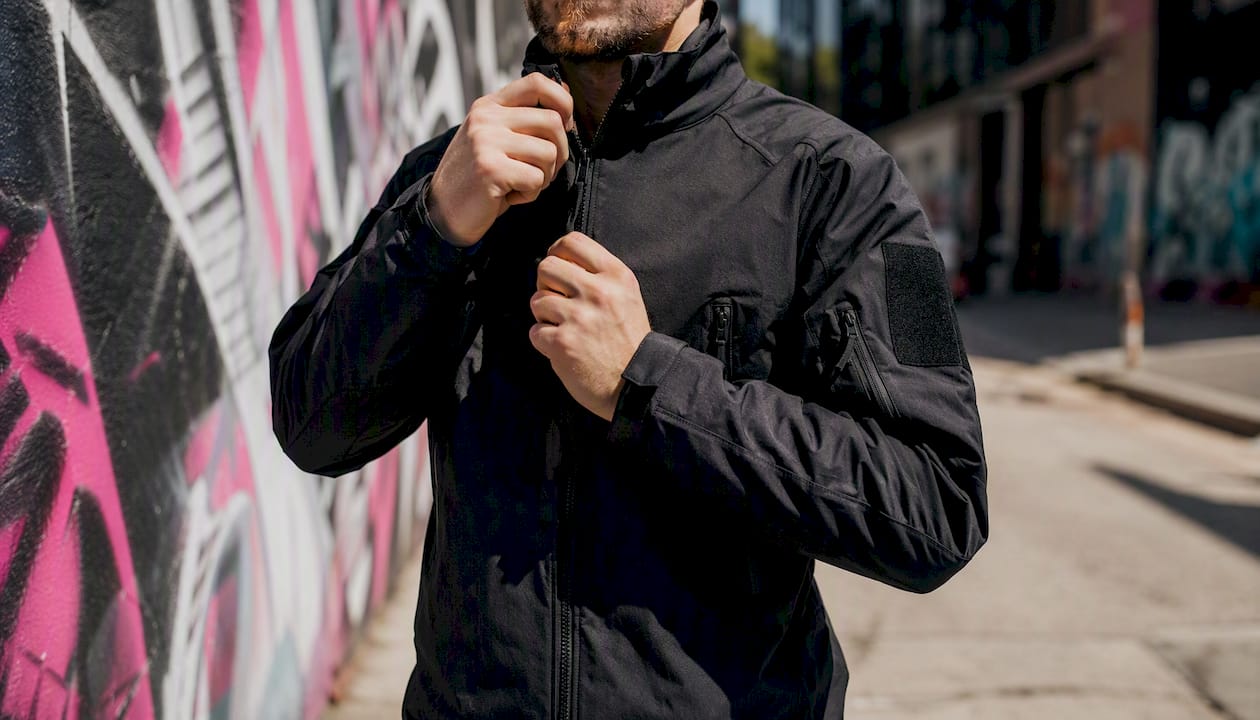
Some veterans see civilian support wear positively: it signals allyship and drives donations to programs that help with transition, mental health, and employment. Others feel more cautious, particularly around items that closely mimic actual unit patches, branch-specific emblems, or combat-themed graphics worn by people with no service connection. The concern isn’t legal, it’s about earned meaning: a 75th Ranger Regiment scroll carries weight that a generic “support our troops” tee doesn’t.
A few sensitivities worth knowing:
- Branch specificity: wearing a specific branch or unit’s gear without connection to it can read as appropriation to some veterans, even when the shirt is legally sold and worn.
- Camo prints: general “civilians in camo” fashion trends are widely accepted as style, but pairing camo with realistic tactical gear can blur into costume territory at the wrong event.
- Mission graphics vs. combat imagery: brands leaning on solidarity and mental health themes tend to land better publicly than ones leaning on combat glamorization.
None of this means avoid the category. It means read the room, and when unsure, choose the more general, mission-forward design over the hyper-specific one.
Author Perspective: Ian on Clothing and Veteran Transition
Clothing was never just fabric to me once I started covering this space. It’s one of the few tools veterans have to carry identity into a civilian world that doesn’t always know how to ask about it. That’s the gap Warbeard Project’s mission tries to close, one hoodie at a time.
Start Shopping With a Brand That Shows Its Work
You’ve seen the checklist: size charts, material specs, donation transparency, veteran-owned credentials. Warbeard Project builds its product pages around exactly those trust signals, plus customer reviews on individual items so you’re not guessing at fit or quality before you buy.
If you’re looking for a place to start, the Yoga Leggings collection is a solid entry point into the activewear line, built with the same mission-driven approach as the rest of the catalog. Check the product page for the full size chart and material breakdown, then look at the brand’s mission statement to see where proceeds go before you check out.
Frequently Asked Questions
Is it okay to wear military-style clothing as a civilian? Yes. Civilian apparel with military-inspired graphics, cuts, or fabric is legal and widely worn. The line to avoid is replicating official uniforms or insignia in a way meant to misrepresent active-duty status.
Why wear military clothing if you never served? Many supporters wear it to show solidarity, support veteran-owned brands, or back mission-driven donation programs. Choosing general support graphics over specific unit patches keeps the message clear.
What’s the difference between military fashion trends and actual uniform items? Fashion trends borrow silhouettes, colors, and materials (camo prints, cargo pockets, utility jackets) for everyday civilian wear. Uniform items are official, regulated garments tied to active service, not sold as fashion.
How do I know if a veteran apparel brand’s donation claims are real? Look for a named nonprofit partner, a published impact statement, or a rating through a resource like Charity Navigator. Vague language like “a portion of proceeds” without specifics is a red flag.
What should I check before buying civilian tactical clothing online? Read the size chart carefully, check customer reviews for fit and durability feedback, and confirm the return policy, since online tactical apparel shopping carries real sizing and quality variability.
Sources
- Choosing The Right Veteran Apparel: Quality, Style, And Support
- Patriotic Apparel That Supports Veteran Causes
- Tips For Buying Tactical Apparel Online - Summertide Explorer
- Military Clothes Guide: How to Choose the Right Gear
Recommended
- Army Fashion for Veterans: Style, Respect, and Mission – Warbeard Project
- Types of Off-Duty Military Clothing for Veterans – WarbeardProject
- Custom Army Shirts for Veterans: Identity-First Buying Guide – Warbeard Project
- Military Branch Apparel Collections: Types for Veterans and Buyers – Warbeard Project