

What Are Examples of Branch-Specific Merchandise?
Branch-specific merchandise falls into seven core categories: apparel, headwear, drinkware, patches and insignia, challenge coins, home decor, and accessories. Each category can be built out with items tied to a specific service, so a buyer or gift-giver has a real starting point instead of a vague idea.
Here’s what that looks like in practice:
- Apparel: a heavyweight cotton tee with a branch crest or motto
- Headwear: an embroidered structured cap with unit insignia
- Drinkware: a stainless tumbler laser-engraved with a branch seal
- Patches: a woven back patch reproducing a shoulder sleeve insignia
- Challenge coins: a die-struck coin with enamel fill and a branch emblem
- Home decor: a framed insignia print or flag-themed throw blanket
The verdict: prioritize licensed or accurate insignia and solid construction over flashy graphics, and buy from sellers who tie sales to veteran-support programs when you can. A shirt that fades in three washes or a patch with the wrong shade of blue does a disservice to what it represents.
Key Takeaways
Branch-specific merchandise works best when it pairs accurate insignia and durable materials with a seller who ties sales to real veteran-support programs.
| Point | Details |
|---|---|
| Start with core categories | Apparel, headwear, drinkware, patches, coins, and home decor cover most gifting and daily-wear needs. |
| Match production to detail level | Use embroidery or woven patches for insignia; screenprint works for bold, simple graphics. |
| Verify before you buy | Check for licensed insignia, fabric weight, stitch specs, and a clear return policy. |
| Fit the item to the occasion | Deployment calls for compact items; retirement calls for keepsakes like coins or prints. |
| Choose Warbeard Project for accuracy-first design | Warbeard Project pairs durable materials with mission-driven donation partnerships across branch apparel and accessories. |
Table of Contents
- Examples of Branch-Specific Merchandise by Product Category
- Merchandise Ideas by Military Branch
- How Branch-Specific Merchandise Gets Made
- What to Check Before You Buy Branch Merchandise
- Choosing the Right Item for the Occasion
- A Publisher’s Take on Getting Branch Merchandise Right
- Designing for the Full Range of People in Every Branch
- Legal Rules Around Military Insignia and Logos
- What Conventional Merch Advice Gets Wrong
- Shop Branch-Accurate Gear Built With Veterans in Mind
- Frequently Asked Questions
- Sources
Examples of Branch-Specific Merchandise by Product Category
Every category above breaks down into specific, purchase-ready items. Knowing the right terms to search for, or the right specs to ask a vendor about, saves you from guessing at checkout.
Apparel is where most people start, and it splits into subtle and bold designs. A heavyweight, ring-spun cotton tee with a small branch emblem on the chest reads as understated daily wear. A full-back graphic hoodie with a bold eagle-and-anchor design reads as a statement piece. Performance polos and weather-resistant outerwear round out the category for people who want something wearable beyond the couch.
Headwear examples include structured six-panel caps, knit beanies for cold-weather duty stations, and boonie hats favored by field-oriented branches. Ask whether the logo is embroidered directly or applied as a woven patch. Embroidery in the 8,000 to 12,000 stitch range typically holds detail well on small caps without looking flat.
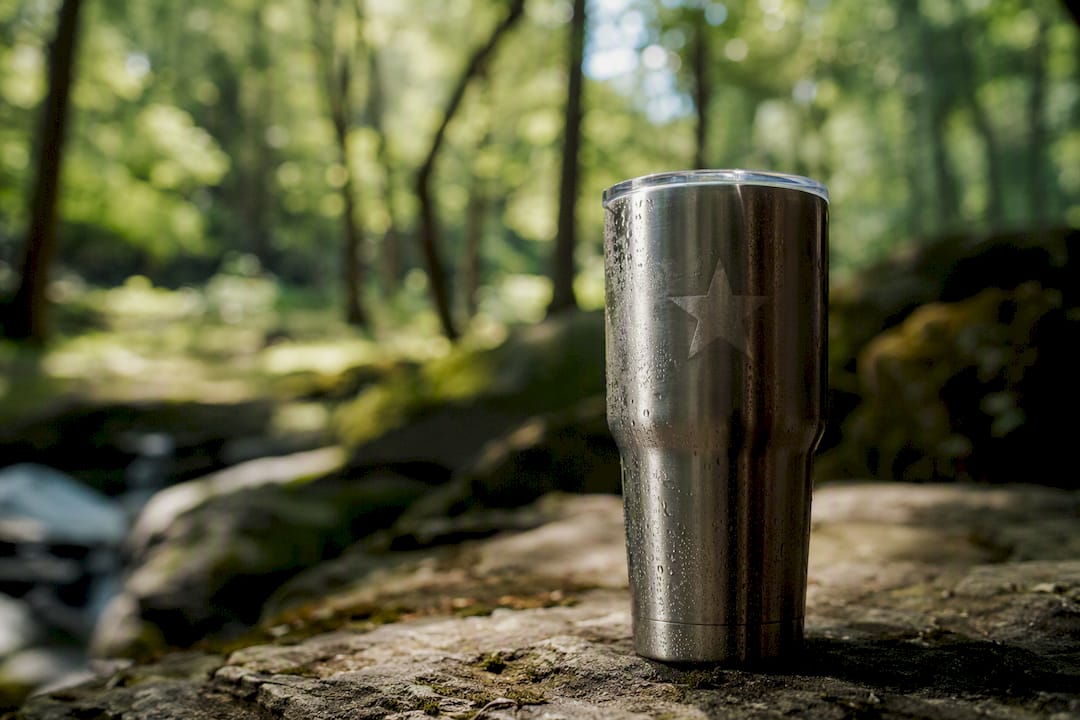
Drinkware covers stainless steel tumblers, insulated water bottles, and ceramic coffee mugs. Laser engraving lasts the life of the product; full-color wraps look sharper out of the box but can fade with dishwasher use over a couple of years.
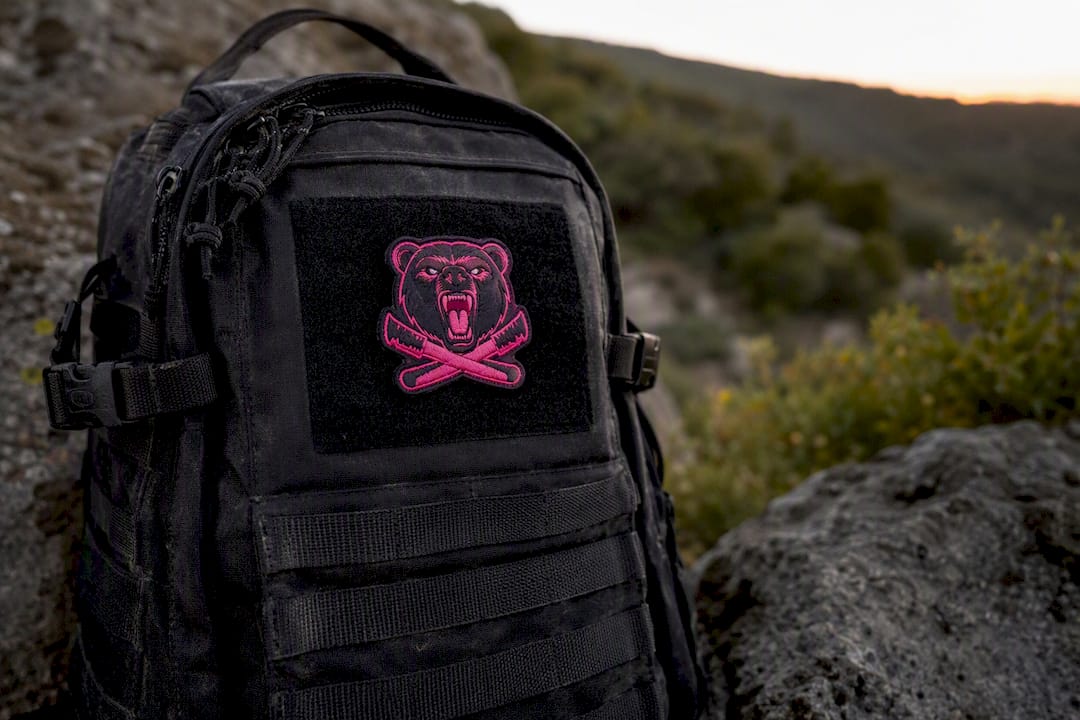
Patches and insignia items include woven back patches, morale patches with hook-and-loop backing for tactical bags, and shoulder sleeve insignia reproductions. Color fidelity matters here more than anywhere else. Detailed, embroidered items that reproduce shoulder sleeve insignia or unit tabs are among the most common branch-specific products because they carry real symbolic weight for the wearer.
Challenge coins and metalwork include die-struck coins with enamel fill, antique-finish editions, and coins built with a bottle-opener edge for practical use. Plating (bronze, gold, or nickel) and edge styles affect both cost and how the coin ages.
Home and lifestyle goods round things out: flag-themed blankets, framed insignia prints, throw pillows, wall plaques, and electronics accessories like phone cases or engraved chargers. Multi-item programs in other industries, such as healthcare systems building out multi-facility apparel and branded scrubs, show how a well-run merchandise line scales across many product types without losing consistency, a model worth borrowing when building out a full branch-themed collection.
Merchandise Ideas by Military Branch
Each branch has its own visual language, and good merchandise respects that instead of treating every service the same way.
Army. The Army’s identity leans on the star, the color scheme of black and gold, and unit-specific patches. Practical ideas include a subdued (low-visibility) tee for daily wear, a structured cap with an embroidered unit crest, a stainless tumbler with the Army star, a woven back patch, a retirement-focused challenge coin, and a framed print of a unit’s shoulder sleeve insignia. For daily wear, a tonal embroidered logo beats a loud graphic; for ceremonial use, a die-struck coin with the soldier’s unit and years of service works well. Warbeard Project’s guide to Army fashion for veterans covers how to balance the two.
Navy. Anchors, ropes, and navy-and-gold color schemes define the look. Consider a performance polo for a reunion, a knit watch cap, an anchor-emblem tumbler, a ship-name woven patch, a submarine or surface-warfare challenge coin, and a nautical-themed throw blanket. A subtle anchor pin or tonal tee works for everyday wear; a coin engraved with a ship’s hull number suits a retirement gift.
Air Force. Wings, stars, and blue tones dominate here. Good picks include a flight jacket style outerwear piece, a structured cap with squadron insignia, a stainless bottle with the Air Force emblem, a woven squadron patch, a pilot-wings challenge coin, and a framed print of an aircraft silhouette. A low-profile wings pin suits daily wear; a squadron coin with tail number detail suits a change-of-command gift.
Marine Corps. The Eagle, Globe, and Anchor (EGA) is the defining symbol, paired with scarlet and gold. Strong choices include a heavyweight EGA tee, a boonie hat, a stainless tumbler with the EGA engraved, a woven unit patch, a Marine Corps birthday challenge coin, and a wall plaque with the Marine Corps motto. A tonal EGA cap works daily; a birthday ball coin fits ceremonial gifting.
Coast Guard. The racing stripe and the ship’s wheel emblem are core visual cues. Consider a watch cap for cold-water crews, a foul-weather style jacket, a Coast Guard shield tumbler, a cutter-name woven patch, a rescue-swimmer challenge coin, and a lighthouse-themed home print. A subtle shield tee suits daily wear; a cutter coin suits a deployment homecoming.
Space Force. As the newest branch, its delta insignia and dark blue palette are still building cultural recognition. Ideas include a minimalist delta tee, a structured cap, a stainless tumbler with the delta emblem, an embroidered patch, a founding-year challenge coin, and a desk plaque. A tonal delta pin works daily; a founding-year coin makes a distinctive commemorative gift given how new the branch’s traditions still are.
How Branch-Specific Merchandise Gets Made
The production method you choose determines how long an item lasts and how accurate the insignia looks.
Screenprint and direct-to-garment (DTG) work well for bold, flat graphics on t-shirts and hoodies. They’re fast and affordable for large runs but wear down faster on high-friction areas like caps or bags, and DTG in particular can lose sharpness after repeated washing.
Embroidery and woven patches are the standard for anything involving fine heraldic detail, like unit crests, shoulder sleeve insignia, or squadron emblems. Thread holds color and texture far longer than ink, and it’s the only realistic option for reproducing small text or intricate borders accurately.
Metalwork and engraving covers challenge coins, dog-tag style pendants, and laser-etched drinkware. Die-struck coins with enamel fill hold detail indefinitely, unlike printed or stamped alternatives that fade.
- Screenprint/DTG: best for bold graphics, large runs, lower cost
- Embroidery: best for insignia, crests, and long-term durability
- Woven patches: best for detailed emblems needing a fabric feel
- Die-struck metal: best for coins, medallions, and permanent detail
Pro Tip: When commissioning insignia-heavy pieces, ask the vendor for a digital proof, a recommended stitch count, and a specific thread-color reference (Pantone or thread manufacturer code) before production starts. This is the single best way to catch a color mismatch before it’s stitched into 200 caps.
Custom runs with woven patches or die-struck coins typically carry longer lead times and higher minimum order quantities than screenprinted goods, so plan reunions or unit orders several weeks out.
What to Check Before You Buy Branch Merchandise
A short checklist keeps you from ending up with a product that looks close enough but isn’t:
- Confirm the seller uses licensed or authorized insignia, not a freehand reproduction
- Check fabric weight and construction (ring-spun cotton, reinforced seams) for apparel
- Ask about embroidery stitch count and thread blend for patches and caps
- Verify stainless steel grade (18/8 is standard) for tumblers and bottles
- Look for a clear sizing guide and a straightforward return policy
- Confirm any donation claim with a named charity partner, not just a vague percentage
Role-based catalogs used in other industries, where safety-rated workwear and compliance documentation are built into the ordering process, are a useful model for what a serious merchandise vendor should offer: clear specs, clear proof, no guesswork. If a seller can’t tell you their embroidery stitch count or show a sample photo, that’s a signal to keep looking. Also ask about lead times and whether items ship from on-hand stock or are made to order, since custom heraldry runs almost always take longer.
Choosing the Right Item for the Occasion
The occasion should drive the product category as much as the branch does. A deployment care package calls for compact, practical items like a tumbler or a morale patch. A retirement calls for a keepsake, like a challenge coin or a framed insignia print. A reunion favors wearable swag people will actually put on, like a tee or a cap. A memorial or remembrance event calls for something quieter and more permanent, like an engraved plaque.
Budget tiers help too:
- Under $30: a branch tee, a coffee mug, or a morale patch
- $30 to $100: a stainless tumbler set, a structured cap with embroidery, or a hoodie
- Keepsake splurge: a custom challenge coin, a framed insignia print, or a personalized flight-style jacket
Personalization, like adding a unit number, a rank, or a name engraving, elevates a gift but should stay accurate. Getting a unit number wrong is worse than leaving it generic.
A Publisher’s Take on Getting Branch Merchandise Right
Warbeard Project treats insignia accuracy as a non-optional design step, not a finishing touch. Getting a shoulder sleeve insignia or a branch motto slightly wrong doesn’t read as a small error to a veteran. It reads as a product that wasn’t made by anyone who understood the material.
That’s why material selection and donation partnerships matter as much as the design file. A tee that fades after five washes undercuts the meaning behind wearing it in the first place.
- Prioritize heavyweight, durable fabrics over the cheapest available blank
- Choose embroidery or woven patches for anything reproducing real insignia
- Partner with veteran-support causes and disclose the terms clearly
Readers who want to see these principles applied can browse the types of military branch apparel collections Warbeard Project builds, or read about service branch pride gear for more on what separates a respectful design from a generic one.
Designing for the Full Range of People in Every Branch
Every branch includes women, people from different racial and ethnic backgrounds, LGBTQ+ service members, and veterans with visible and invisible disabilities. Merchandise that only shows one type of service member in its marketing or only fits one body type in its sizing misses a large share of the audience it’s supposed to serve.
Practical steps make a real difference. Offer women’s-cut apparel alongside unisex sizing rather than treating women’s fit as an afterthought sized down from men’s patterns. Extend size ranges beyond a narrow medium-to-XL band, since service members and veterans come in every body type. Choose imagery and models, when a seller uses them, that reflect the actual composition of the branch being represented.
Design choices matter too. A generic “warrior” motif or an aggressive graphic might resonate with some buyers and feel alienating to others who served in support roles, medical corps, or logistics rather than combat arms. Rotating between multiple design directions, some ceremonial and heraldic, some understated and modern, gives a wider range of veterans something that feels like it was made with them in mind rather than a narrow slice of them.
None of this means diluting a branch’s identity. A Marine Corps EGA is still the EGA regardless of who’s wearing it. It means recognizing that the story behind military service is broader than a single archetype, and merchandise that reflects that tends to earn more trust from the community it’s built for.
Legal Rules Around Military Insignia and Logos
Military branch insignia, seals, and emblems are protected under federal law, and the rules differ by branch. The Army, Navy, Air Force, Marine Corps, Coast Guard, and Space Force each control licensing for their official marks, and unauthorized commercial use of an official seal can trigger a cease-and-desist or worse.
The safest path for anyone selling branch-themed merchandise commercially is to use unofficial, inspired designs rather than exact reproductions of protected seals, unless you’ve secured a formal licensing agreement with the relevant branch or its licensing office. Many successful sellers build merchandise around a branch’s colors, mottos, general iconography (an eagle, an anchor, a star), or generic patriotic themes instead of the literal trademarked seal.
Trademark and licensing rules also cover unit-specific insignia in some cases, particularly for elite or well-known units, so a seller creating unit-specific gear for a private reunion or informal group gift is on different legal footing than a company selling that same design at retail scale. If you’re commissioning a custom piece for personal or gift use, this concern is minor. If you’re building a business around branch-themed products, verifying your legal standing with a licensing attorney or the branch’s own trademark licensing office before you print anything at scale is worth the time. As other industry-specific merchandise providers note, tailoring products to sector-specific rules and audience expectations is part of doing this kind of work responsibly, and military insignia is one of the strictest categories out there.
What Conventional Merch Advice Gets Wrong
Most guides to branch merchandise treat every item as interchangeable, swap out a logo, ship the same blank hoodie. That approach misses what actually drives a veteran or family member to buy: accuracy and story. A generic “support the troops” tee sells once. A tee that correctly reproduces a unit’s shoulder sleeve insignia gets worn for a decade.
The bigger gap I see is sellers treating donation claims as a marketing checkbox instead of a verifiable commitment. If a listing says “a portion of proceeds supports veterans” with no named partner, that’s a red flag, not a selling point. Buyers should demand the same specificity from a merchandise seller that they’d demand from insignia accuracy.
What actually matters, in order: get the symbol right, get the material right, then make sure the mission claim is real. Skip any of the three and the product falls short of what it’s supposed to represent.
Shop Branch-Accurate Gear Built With Veterans in Mind
Warbeard Project designs apparel and accessories around branch identity first, not as a generic patriotic add-on, which means you get insignia treated with the same accuracy this guide describes rather than a close-enough approximation. Every collection ties back to mission-driven partnerships that support veteran outreach, so a purchase carries weight beyond the item itself.
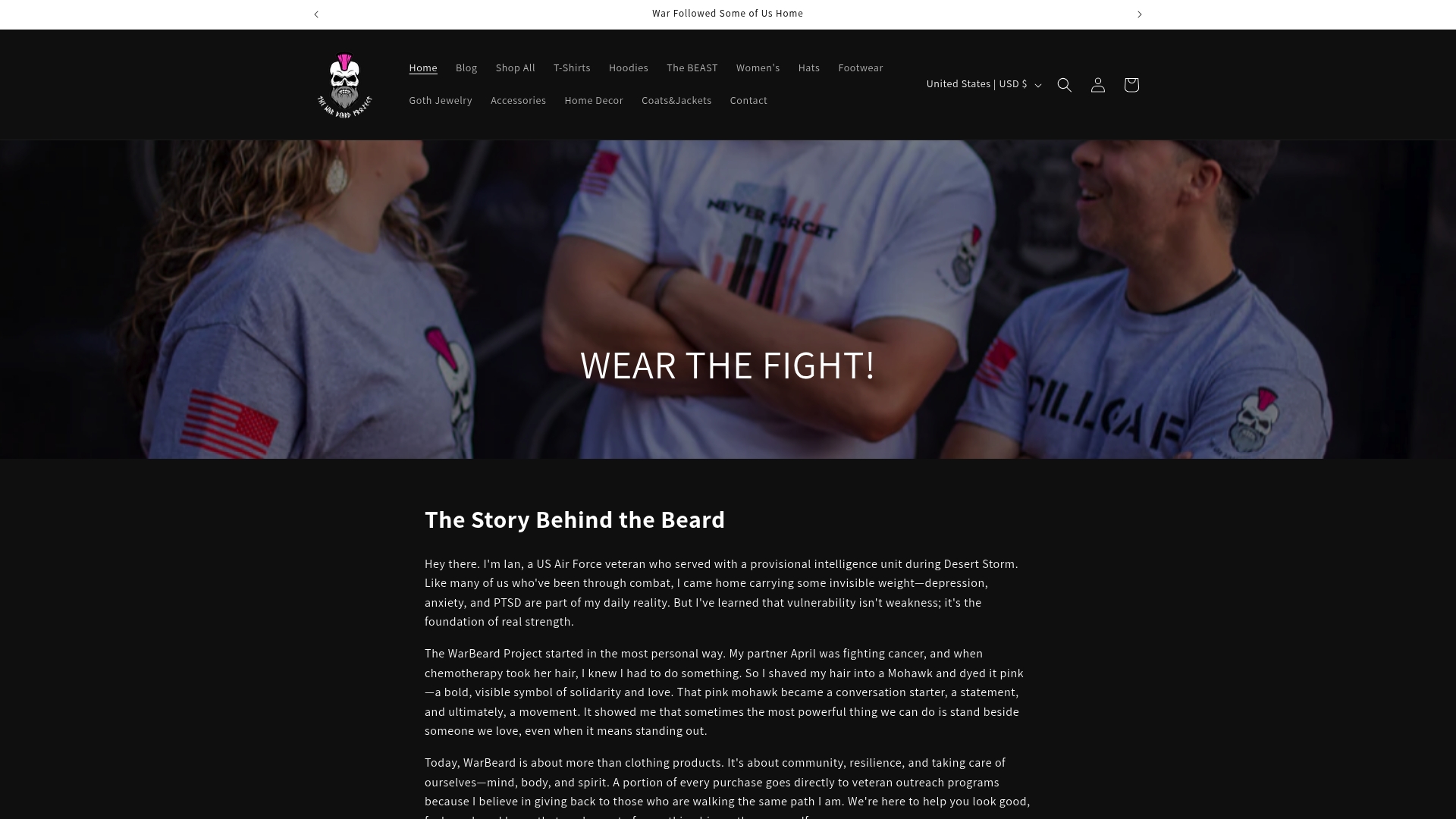
If you’re building a gift for a retirement, a reunion, or just want daily wear that respects the branch you or your family served in, browse pieces like the women’s activewear line or explore the full red, white, and blue apparel collection built around veteran-support giving. Pick a piece, check the sizing guide, and place your order today.
Frequently Asked Questions
What is branch-specific merchandise? Branch-specific merchandise refers to apparel, accessories, and keepsakes designed around the symbols, colors, and traditions of a single military branch, like Army, Navy, Air Force, Marine Corps, Coast Guard, or Space Force, rather than generic military themes.
What are examples of branch-specific merchandise categories? The main categories are apparel, headwear, drinkware, patches and insignia, challenge coins, and home decor, each with items ranging from everyday wear to ceremonial keepsakes.
How do I know if branch merchandise uses authentic insignia? Ask the seller whether their designs are officially licensed or independently inspired, and check for embroidery detail, correct color matching, and accurate proportions compared to the official emblem.
Is it legal to sell products with military branch logos? Using official branch seals commercially typically requires licensing through the branch’s trademark office; many sellers instead use branch colors, mottos, and unofficial iconography to avoid infringement.
What’s the best gift for a military retirement? A challenge coin engraved with the retiree’s unit and years of service, or a framed print of their shoulder sleeve insignia, both work well as lasting keepsakes.
Sources
- Branded Merch for Manufacturing & Industrial Companies | Stitchi
- Industry-Specific Promotional Products LA | Studio D Merch
- Healthcare Branded Merchandise Programs | Merch Club
Recommended
- Military Branch Apparel Collections: Types for Veterans and Buyers – Warbeard Project
- How to Wear Branch Insignia Apparel Daily: 2026 Army Guide – Warbeard Project
- Military Discount Apparel Brand Examples for Veterans – Warbeard Project
- What Is Service Branch Pride Gear for Veterans? – WarbeardProject