

Veterans: 'Military Grade' Phone Cases Mean Identity, Not Lab Tests
Here it is in one sentence: when apparel brands use the phrase “military grade phone case,” they mean a veteran-themed or military-inspired case built to look rugged and signal military identity, not a case certified against a technical drop or environmental test standard. This article covers what that phrase means in the veteran-lifestyle sense, how to spot real design quality versus marketing noise, and how to buy or gift these products with respect for the community they represent.
TL;DR:
- “Military grade” in apparel is a style claim that signals ruggedness and veteran pride, not a certified safety or durability standard.
- Visual cues like camo prints and unit logos are common marketing signals, but actual protection depends on construction features such as layered shells and shock-absorbing corners.
- When selecting a case, prioritize model-specific fit, functionality like wireless charging, and consider support for veteran causes for meaningful support.
- Wearing military-inspired designs is legal and respectful if real insignia are avoided and supportive messaging or veteran-owned brands are favored.
- Warbeard Project’s designs focus on authentic veteran style and durable everyday use, without claiming to meet military certification standards.
Table of Contents
- What “Military Grade” Means to Veterans and Supporters
- Design Cues Versus Real Protection: What to Look For
- How to Choose: A Practical Checklist
- Wearing Military Imagery Respectfully
- Why Warbeard Project Designs This Way
- The OG Logo Samsung Case
- Sources
- FAQ
What “Military Grade” Means to Veterans and Supporters
“Military grade” in apparel is a style claim, not a spec sheet. It borrows the vocabulary of testing and standards to sell rugged looks, camo patterns, and unit-style graphics, and the phrase works because it taps into something real: pride, service, and identity. Academic work on veteran lifestyle brands like Grunt Style and Black Rifle Coffee Company shows how founders and marketers lean on veteran identity and patriotic motifs to sell more than a product. They sell belonging, and a phone case with a flag emblem or a subdued unit patch functions the same way a challenge coin does. It signals who you are or who you stand behind.
That signaling has a longer history than most buyers realize. Military silhouettes, camo prints, and combat boot styling moved into mainstream civilian fashion decades ago, and the shift changed how the public reads those symbols. A recent commentary in NavyTimes traces how fashion adopted military aesthetics while often stripping away the operational context behind them. What started as functional gear became a look, and that look now sells everything from jackets to phone accessories.
When a veteran or supporter picks a “military grade” case, they’re usually after one of a few things:
- A visible marker of service, unit pride, or family connection to the military
- A rugged aesthetic that matches the rest of their gear and wardrobe
- A product from a brand that feels like it understands the community, not one borrowing the imagery for profit
None of that requires a lab-tested drop rating. It requires design that respects what the imagery means.
Design Cues Versus Real Protection: What to Look For
Sellers use a fairly consistent visual vocabulary to signal “military” without saying much about actual durability. Recognizing the difference between marketing language and construction quality saves you from paying extra for looks alone.
Common visual cues you’ll see on product pages:
- Camo prints or subdued (muted, low-visibility) American flag graphics
- Unit-style emblems, branch insignia patterns, or “OG” logo treatments
- Matte, textured finishes meant to evoke tactical gear
- Molded ridges or MOLLE-style webbing textures that don’t actually attach to anything
- Bold typography referencing service branches, mottos, or deployment culture
Construction features that actually protect your phone:
- Dual-layer shells combining a hard outer shell with a softer inner liner
- A raised bezel around the camera and screen that sits proud of the glass
- TPU (thermoplastic polyurethane) corners or shock zones that absorb impact
- Covered ports that keep dust and debris out without blocking charging
- A snug, model-specific fit rather than a generic stretch-to-fit shell
The overlap between these two lists is smaller than most buyers expect. A case can look tactical and still be a thin polycarbonate shell with no shock absorption, and a plain black case can quietly outperform it on drop protection. Overview writing on rugged gear marketing makes a similar point: physical protection claims should be verified against construction details, not the label a brand slaps on the box, a principle that applies just as well to phone cases as it does to rugged shielding products built for operators.
Pro Tip: Press your thumb into the corners of the case where the screen meets the frame. If you can feel the glass through a thin layer of plastic, that “military style” case will not save your screen from a waist-high drop onto concrete.
How to Choose: A Practical Checklist
Picking the right case comes down to matching the design to how you actually use your phone, not to how tough the packaging looks. A slim case fits pockets and minimalist carry habits but sacrifices some drop protection. A heavy-duty case adds bulk and grip but can make a phone awkward for one-handed use. A design-first case prioritizes the graphic or flag motif and may skimp on the construction details covered above. None of these is wrong. The right pick depends on whether you’re outfitting a daily-carry phone or buying a gift.
Before you check out, run through this list:
- Confirm the case is made for your exact phone model, not a “universal fit” claim
- Check whether it supports wireless charging if you use a charging pad or car mount
- Look for textured grip zones, especially if you work outdoors or wear gloves often
- Read the return policy in case the fit or button alignment is off
- Ask whether the brand donates a portion of sales to veteran causes, since that changes what the purchase represents
If you’re buying as a gift, lean toward subtler designs unless you know the recipient wants something bold. A muted flag emblem or a small unit reference reads as respectful across a wider range of tastes than a loud, all-over camo wrap. And always double-check the phone model and carrier variant before you buy. Screen cutouts and button placement vary enough between generations that a wrong guess means a case that doesn’t fit at all.
Wearing Military Imagery Respectfully
Buying a “military grade” phone case is not the same thing as impersonating a service member, and the two get confused more often than they should. Wearing military-pattern clothing or accessories as a civilian is legal in the United States. The Stolen Valor Act targets fraudulent claims of service or falsely wearing earned medals for personal gain, not the sale of camo phone cases or flag graphics. Fashion and fraud are separate categories, even when they use the same visual language.
Etiquette still matters, and most of it comes down to a few habits:
- Skip real unit patches, rank insignia, or name tapes on products meant for civilian sale
- Avoid designs that imply an earned award, deployment, or rank you don’t hold
- When in doubt, choose supportive messaging (“proud military family,” “support our veterans”) over insignia that could be mistaken for the real thing
- Favor brands that are veteran-owned or that donate proceeds to veteran organizations
That last point carries real weight for how the purchase gets read. Research on veteran lifestyle branding notes that buying from a veteran-owned brand or one that funds veteran support programs shifts a purchase from looking like appropriation to functioning as genuine support.
Why Warbeard Project Designs This Way
Ian, who writes on veteran lifestyle apparel, has covered how service members choose civilian gear and what makes tactical-style products feel authentic instead of costume-like. That perspective shapes how the brand builds accessories: veteran-themed styling paired with everyday durability, without stretching that into a technical certification claim nobody can verify. The goal is a case that looks like it belongs to someone who’s earned the imagery, whether that’s a veteran, an active-duty service member, or a family supporter who wants to show it. If you’re choosing between options, prioritize the ones that treat the symbolism seriously and put real money behind veteran causes.
— Ian
The OG Logo Samsung Case
The OG Logo Samsung Case is built for exactly the buyer this article describes: someone who wants a Samsung case that carries veteran identity without turning into a costume piece. The design leans on Warbeard Project’s core branding rather than borrowed unit insignia, so it fits the etiquette guidance above without needing a second thought.
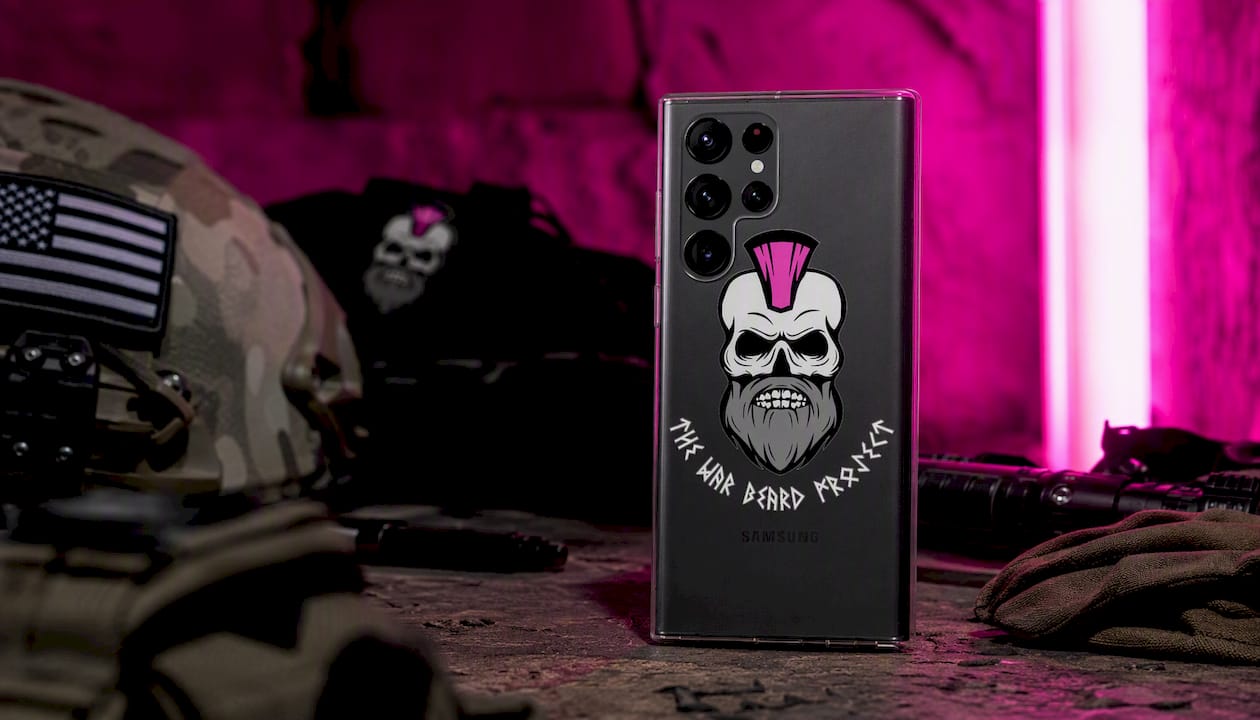
It fits the priorities most readers in this community care about: veteran-themed styling that doesn’t overreach into stolen-valor territory, everyday grip and coverage for a phone you actually carry, and a purchase that supports mission-driven collections rather than a generic import listing. For readers who want a case with real grip texture as a starting comparison point, rugged case construction examples from outdoor gear makers show what shock-absorbing corners and layered shells look like in practice. Before you buy, check the Samsung model compatibility listed on the product page, look over the fit and return details, and consider pairing the case with a separate screen protector since most cases, tactical-looking or not, don’t cover the display. That’s the next step: confirm your model, review the photos, and order the case that matches how you want to carry your service pride.
Sources
This article draws on cultural commentary from NavyTimes on military aesthetics in fashion, academic research from the Journal of Veterans Studies on veteran lifestyle branding, and a UC San Diego dissertation on veteran identity and the cultural effects of militarized style. For more on how Warbeard Project approaches veteran-themed design, see the brand’s posts on custom Army shirt buying guidance and what makes veteran apparel authentic.
- How fashion borrowed military aesthetics and lost the context — NavyTimes
- Patriotism as a lifestyle (brand) — Journal of Veterans Studies
FAQ
Is “military grade” a real certification for phone cases?
No. In the veteran-apparel and lifestyle context, “military grade” describes a rugged look and military-inspired branding, not a verified test standard.
How can I tell if a “military grade” case is actually durable?
Check for a dual-layer shell, a raised bezel around the screen and camera, and TPU shock zones at the corners, since these construction details matter more than camo print or tactical wording.
Is it disrespectful for civilians to wear military-style phone cases?
Wearing military-pattern designs is legal and generally accepted, but avoid real unit insignia, rank, or name tapes, and favor supportive messaging or brands that donate to veteran causes.
What should I look for when gifting a veteran-themed phone case?
Confirm the exact phone model, choose a subtler design unless you know the recipient’s taste, and check whether the brand supports veteran organizations, since that adds meaning to the gift.
Does Warbeard Project test its cases to military standards?
No. Warbeard Project designs veteran-themed cases like the OG Logo Samsung Case for style and everyday durability, without claiming formal military test certification.