

Style Veteran Apparel for Civilian Life: 2026 Guide
Veteran apparel for civilian life is defined as clothing that balances military-inspired design with everyday civilian function and professional standards. Veterans transitioning out of service face a specific wardrobe challenge: the uniform gave you identity, rank, and instant credibility. Civilian clothing requires you to build that same presence from scratch, through deliberate choices in fit, color, and quality. This guide covers the wardrobe essentials, styling principles, and practical decisions that help you carry your military standards into every civilian setting, from job interviews to weekend errands, without looking like you never left the base.
What are the wardrobe essentials for style veteran apparel in civilian life?
The most effective approach to building a civilian wardrobe starts with fewer, better pieces rather than a full closet overhaul. Veterans transitioning to civilian life should focus on a compact wardrobe of high-quality, neutral-colored pieces in navy, beige, olive, and black. These colors work together without effort, which reduces decision fatigue and keeps your look consistent across different settings.
Fabric and structure matter more than quantity. Prioritize wool blends, canvas, and dense woven materials that hold their shape through long days. Proper tailoring is non-negotiable. A well-fitted $80 shirt outperforms a poorly fitted $200 one every time.
Your core staples should include:
- Two tailored suits in navy and charcoal, suitable for interviews, formal events, and business meetings
- Structured jackets or blazers that work over both dress shirts and quality T-shirts
- Versatile trousers in neutral tones that pair with both casual and professional tops
- Quality base layers including plain crew-neck tees in white, gray, and navy — the Campfire Unisex Classic Tee and OG Logo Stars Classic Tee are 100% cotton options built to that standard
- One pair of dark, clean denim with no distressing, for casual civilian settings
- Durable leather or suede shoes in brown and black, kept polished and in good repair
Starting with two perfectly tailored suits and a small rotation of base layers outperforms owning a large, inconsistent collection. That principle mirrors military logic: a small, reliable kit beats a bloated one.
Footwear deserves its own attention. Boots with clean lines, leather dress shoes, and one pair of quality white sneakers cover most civilian occasions. Avoid tactical boots in professional settings. They signal “still in uniform” when you need to signal “ready for this role.”
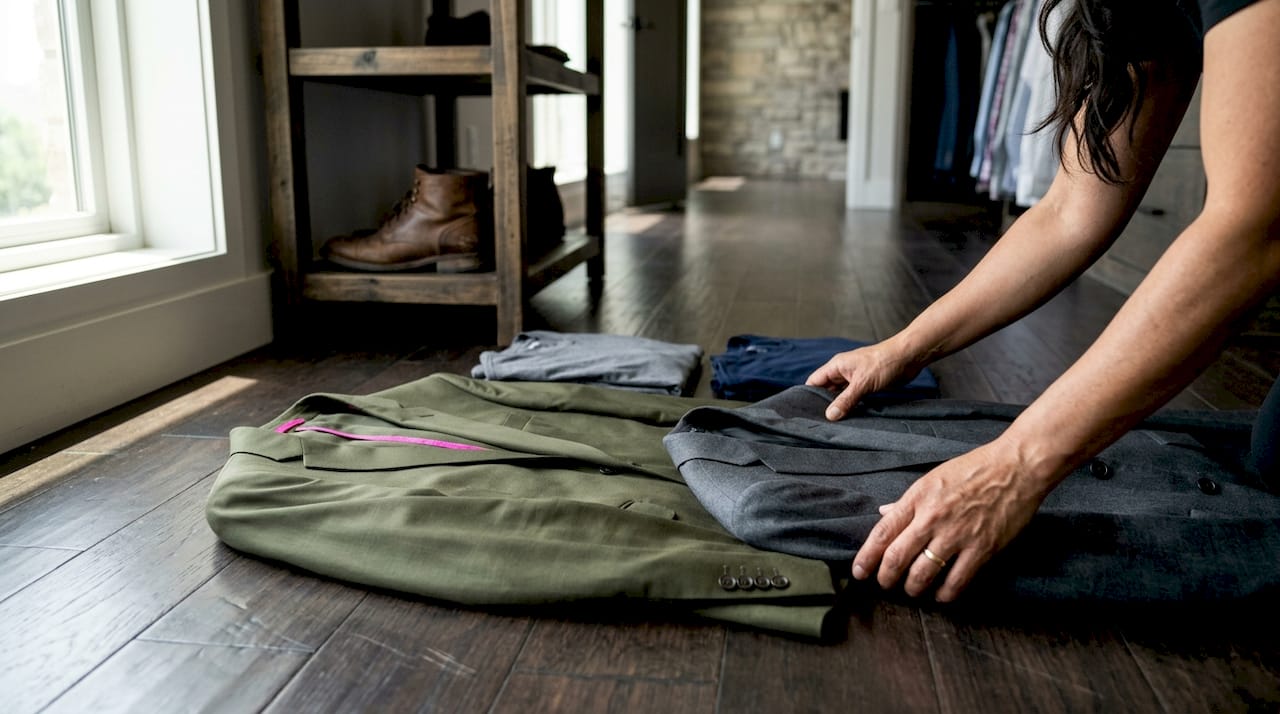
Pro Tip: Limit your first civilian wardrobe investment to 10–12 pieces total. Build from that core before adding anything else. Decision fatigue is real, and a tight, well-chosen kit keeps your mornings fast and your appearance consistent.
How can veterans incorporate military-inspired style without looking like they’re still in uniform?
Military-inspired fashion is one of the most enduring influences on civilian clothing. Trench coats and bomber jackets originated in military design and became timeless civilian staples. That history gives veterans a natural advantage. You already understand the aesthetic. The challenge is calibrating it.
Fashion historian Amber Butchart frames military fashion’s influence on civilian clothing as a two-way street. Veterans should treat military-derived style elements as timeless references, not costumes. That distinction is the entire game.
“Successful style balances one strong military piece with minimalist civilian clothing. Avoid camo pants with tactical jackets. Blend military pieces with clean civilian essentials to maintain authority without seeming on-duty.”
The rule is simple: one military-inspired piece per outfit, maximum. Here is how to apply it:
- Wear a bomber jacket over a plain white shirt and slim dark trousers. The jacket carries the military reference. Everything else stays clean.
- Choose an olive field jacket paired with gray chinos and a white Oxford shirt. The jacket does the work without overwhelming the look.
- Use a military-inspired watch or belt as the single nod to service when your outfit is otherwise fully civilian.
- Layer a structured military-cut coat over a suit. Trench coats work in nearly every professional civilian context.
- Incorporate utility details like cargo-style pockets or canvas materials in casual wear, balanced with fitted basics above or below.
The “costume trap” is the most common mistake. Veterans who wear camo pants, a tactical jacket, and combat boots together in a civilian setting undermine the authority they are trying to project. Civilians read that combination as unaware of context, not as confident.
Pro Tip: Before leaving the house, identify the one military-inspired element in your outfit. If you count more than one, remove the weakest piece. The strongest one carries the message.
What should veterans consider when selecting apparel for professional civilian environments?
Civilian professional attire is the area where veterans most often underestimate the stakes. Tailored, deliberate looks act as visual shorthand for competence in industries like tech and finance. Stylist Anthony Bolognese notes that veterans must build a personal brand through clothing to replicate the command presence that uniform rank once provided automatically.
The standard advice for veteran interview attire is to dress one level above the office environment. If the office is business casual, you wear business professional. If the office is casual, you wear business casual. Overdressing slightly signals respect for the opportunity and awareness of civilian norms.
For professional settings, your wardrobe should cover these bases:
- Navy or charcoal suit as the primary interview and formal work option
- Crisp white or light blue dress shirts, pressed and fitted at the collar and shoulders
- Polished leather shoes and a matching belt, both in the same color family
- Tailored blazers for women, paired with structured trousers or a pencil skirt in neutral tones
- Minimal accessories: a quality watch, simple cufflinks if appropriate, and no tactical or military-branded gear
Fit, cleanliness, and grooming function as a single unit in professional settings. A suit that fits perfectly but has a wrinkled shirt underneath reads as careless. Shoes that are scuffed undermine an otherwise strong outfit. Veterans understand the concept of a uniform inspection. Apply that same standard to your civilian professional kit.
Avoid uniform-adjacent clothing in professional settings. That means no cargo pants, no military-branded gear, and no tactical footwear. The goal is to project competence in the civilian industry you are entering, not to signal your service history through clothing. Your résumé and your conversation carry that story.
How to maintain veteran standards of functionality and durability in civilian clothing?
Civilian clothing frequently fails the functionality test that veterans expect. Technical fabrics in professional cuts, including ripstop cotton, heavyweight canvas, and stretch wool blends, offer civilian alternatives that meet veterans’ needs for durability and movement without looking tactical.
The gap between military garments and standard civilian clothing is real. Military-issue gear is built for repeated hard use, functional pockets, and durability across conditions. Most civilian fashion prioritizes appearance over function. The solution is to seek out civilian brands that use technical or workwear-grade fabrics in clean, professional cuts.
| Feature | Standard civilian clothing | Utility-focused civilian clothing |
|---|---|---|
| Fabric durability | Light cotton, polyester blends | Ripstop cotton, canvas, wool blends |
| Pocket function | Decorative or minimal | Deep, functional, sometimes hidden |
| Movement range | Restricted in structured pieces | Stretch panels, articulated knees |
| Longevity | 1–2 years with regular wear | 3–5 years or more with proper care |
| Professional appearance | Varies widely | Clean lines, structured silhouette |
Military-inspired fashion combines function and style through fit, performance-oriented fabrics, and layering flexibility. That combination suits veterans who need clothing that performs across travel, remote work, and in-person meetings without requiring a wardrobe change.
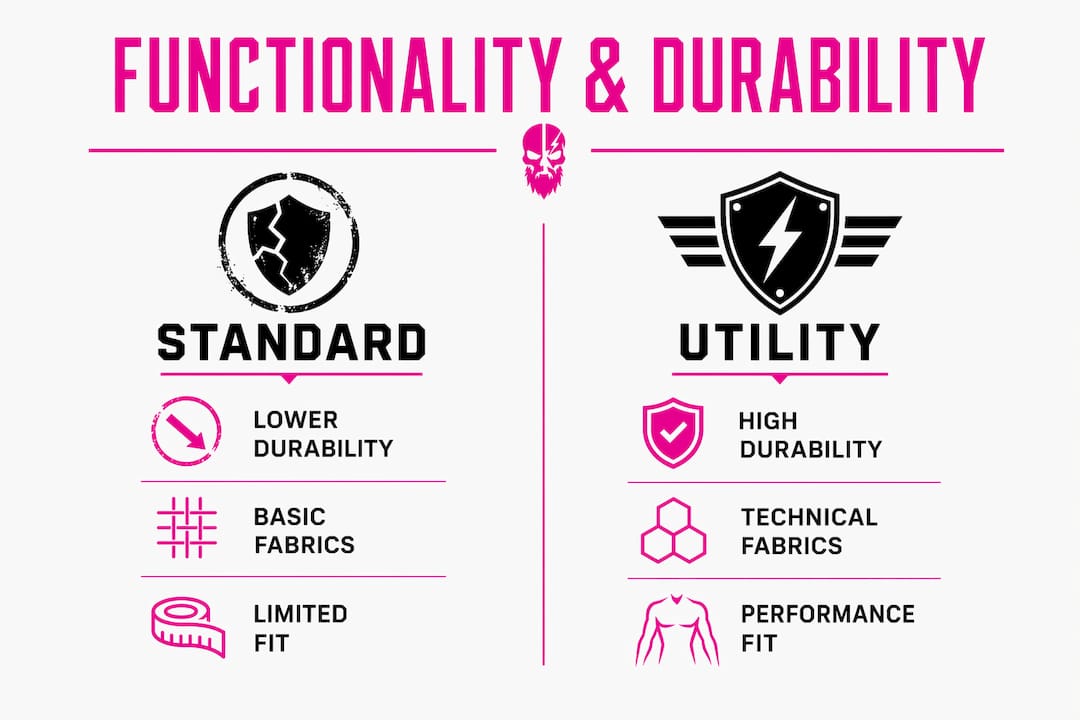
Quality over quantity is the operating principle. Two pairs of well-made trousers in durable fabric outperform six pairs of cheap ones. The same logic applies to outerwear, footwear, and base layers. Veterans already understand the value of gear that holds up. Apply that standard to every purchase.
Pro Tip: When evaluating a civilian garment, run the same check you would on field gear. Check the seams, the fabric weight, the pocket depth, and the range of motion. If it fails two of those four, put it back.
Key takeaways
Veteran lifestyle apparel for civilian life works best when it prioritizes fit, fabric quality, and one deliberate military-inspired element per outfit rather than volume or tactical branding.
| Point | Details |
|---|---|
| Build a compact core wardrobe | Start with 10–12 high-quality neutral pieces before adding anything else. |
| One military element per outfit | Pair one military-inspired piece with clean civilian basics to avoid the costume trap. |
| Dress one level above the office | For interviews and professional settings, always dress slightly above the expected dress code. |
| Prioritize technical fabrics | Choose ripstop cotton, canvas, or wool blends for durability and function in civilian cuts. |
| Fit overrides everything else | A well-tailored affordable piece outperforms an expensive, poorly fitted one every time. |
Why the uniform is gone but your standards do not have to be
The hardest part of the transition is not finding the right clothes. It is accepting that the uniform is no longer doing the work for you. For years, what you wore communicated your rank, your unit, and your competence before you said a word. Civilian clothing does not come with that built-in signal. You have to build it yourself.
I have seen veterans fall into two patterns. The first is over-militarizing their civilian wardrobe, loading up on tactical gear and military branding as a way to hold onto identity. The second is swinging to the opposite extreme, buying whatever is on sale and wearing it without intention. Both approaches miss the point.
The role of clothing in veteran transition is more significant than most people acknowledge. Clothing affects how others read you and how you read yourself. A well-fitted suit on your first civilian job interview does something real for your confidence. It is not vanity. It is preparation.
My honest advice: treat your civilian wardrobe the way you treated your kit. Invest in quality, maintain what you own, and be deliberate about what you carry. The types of off-duty military clothing that work best in civilian life are the ones that honor your background without announcing it in every room you enter. Wear your experience. Do not perform it.
— Ian
WarBeard Project apparel built for veterans in civilian life
Warbeardproject designs veteran lifestyle apparel for exactly this transition. The pieces are built with durability and civilian versatility in mind, drawing on military-inspired design without crossing into tactical territory.
If you are building out your civilian wardrobe and want pieces that hold up to veteran standards, Warbeardproject’s catalog covers everyday wear with clean lines and quality construction. The Campfire Unisex Classic Tee and OG Logo Stars Classic Tee are strong examples — 100% cotton, clean veteran graphics, and built for everyday civilian wear without compromising on fit or finish. Browse the full collection at Warbeardproject to find apparel that fits where you are headed, not just where you have been
FAQ
What is style veteran apparel for civilian life?
Style veteran apparel for civilian life refers to clothing that blends military-inspired design elements with civilian fashion standards, prioritizing fit, durability, and versatility. The goal is a wardrobe that projects competence and reflects military values without looking tactical or out of place in civilian settings.
How do veterans avoid looking like they’re still in uniform?
The key is limiting military-inspired elements to one piece per outfit and pairing it with clean, minimalist civilian basics. Mixing a bomber jacket or trench coat with neutral trousers and a plain shirt keeps the reference without creating a costume effect.
What fabrics work best for veteran clothing in civilian life?
Ripstop cotton, heavyweight canvas, and wool blends offer the durability and function veterans expect while maintaining a professional civilian appearance. These fabrics hold their shape, resist wear, and provide the range of motion that standard civilian clothing often lacks.
How should veterans dress for civilian job interviews?
Veterans should dress one level above the anticipated office dress code, typically a navy or charcoal suit with a crisp white or light blue shirt and polished leather shoes. Clean, well-fitted, and groomed is the standard, with no tactical or military-branded gear in professional settings.
How many pieces does a veteran need to start a civilian wardrobe?
A core of 10–12 high-quality, neutral-toned pieces covers most civilian occasions. Starting with two tailored suits, a few structured jackets, versatile trousers, quality base layers, and two pairs of dress shoes provides a complete, functional foundation.