

How to Support Veteran-Owned Businesses: A Shopper's Guide
Buy directly from verified veteran-run apparel brands. That is the single most effective action you can take right now to support veteran owned businesses. Look for VA-verified status, a Forces Brands badge, or a documented founder biography before checkout. Brands like Warbeardproject combine mission-driven collections with donation transparency, giving your purchase a measurable second impact beyond the transaction itself.
Immediate actions:
- Shop verified veteran storefronts on Forces Brands or Buy Military-Owned-style guides
- Confirm the founder’s documented military service, not just veteran-themed branding
- Choose purpose-driven collections tied to mental health advocacy or veteran-giving programs
- Leave a verified 5-star review after purchase
- Check that a percentage of sales is disclosed and named beneficiaries are listed
Key Takeaways
Buying from verified veteran-owned apparel brands is the most direct way to support veteran entrepreneurs, and combining that purchase with a review, a share, and a referral multiplies the impact beyond the transaction.
| Point | Details |
|---|---|
| Verify before you buy | Confirm VA-verified status, a Forces Brands badge, or a documented founder biography before checkout. |
| Use curated platforms first | Forces Brands and Buy Military-Owned guides pre-screen listings, cutting verification time significantly. |
| Economic scale is real | Veteran-owned employer businesses generated $922 billion in revenue per U.S. Census Bureau data. |
| Non-purchase actions matter | Reviews, referrals, and directory nominations increase visibility for small veteran-run brands as much as purchases. |
| Warbeardproject is a verified option | Warbeardproject offers mission-driven veteran lifestyle apparel with donation transparency and a full product range. |
Table of Contents
- How do you confirm a brand is genuinely veteran-owned?
- Where can you find vetted veteran-owned apparel online?
- What apparel and accessory categories are worth buying?
- How does your purchase help veterans and veteran communities?
- Non-purchase actions that still help veteran-run apparel brands
- Before you buy: a pre-purchase checklist
- What most shopping guides get wrong about buying veteran-owned
- Warbeardproject: veteran lifestyle apparel built for the community
- Sources
How do you confirm a brand is genuinely veteran-owned?
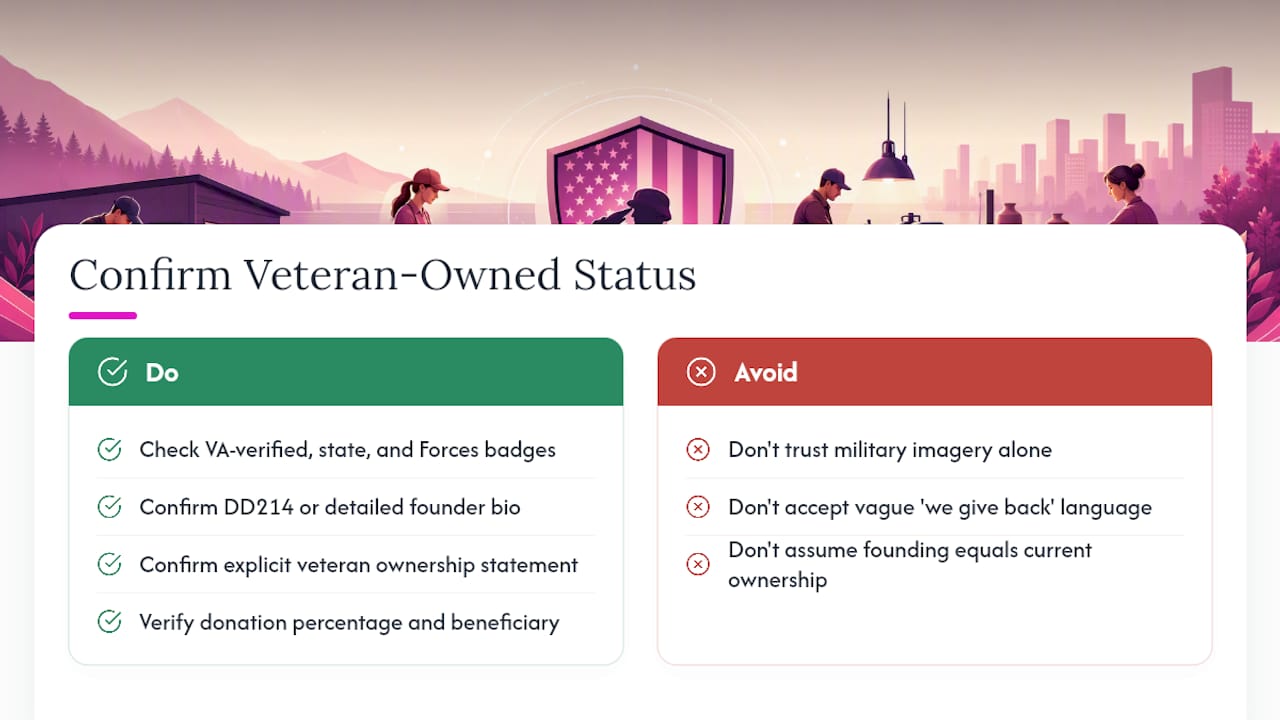
Not every company using military imagery is veteran-owned. Reliable vetting uses documentation or platform badges. When a badge is absent, a detailed founder biography and presence in trusted registries are the next best checks.
Start with visible trust signals. VA-verified status, state veteran business registry listings, and Forces Brands verification badges are the three fastest signals to confirm. Each requires the business to submit documentation of military service, so their presence carries real weight.
Check the founder biography. Look for specific service dates, unit affiliation, or a public service history rather than a generic “founded by a veteran” line. Verification services typically reference the DD214 discharge document as the standard proof of service. A founder bio that names a branch, a deployment, or a specific role is a stronger signal than one that uses vague patriotic language.
Confirm ownership, not just inspiration. Some brands are veteran-inspired but not veteran-owned. Look for an explicit ownership statement, not just a founding story. The distinction matters: a veteran-founded brand that has since transferred majority ownership to non-veteran investors may no longer qualify under federal or state definitions.
Check donation transparency. A brand that donates a percentage of sales should name the percentage and the beneficiary organization. Vague language like “we give back to veterans” without specifics is a red flag.
Pro Tip: If you cannot find a verification badge or a detailed founder bio, send a direct message to the brand’s customer service asking for their VA-verified status or state registry listing. Post the question publicly on their social media page. Authentic veteran-owned brands respond clearly and quickly.
Where can you find vetted veteran-owned apparel online?
Curated platforms reduce verification friction significantly. Forces Brands and Buy Military-Owned-style shopping guides pre-screen listings, so the verification work is largely done before you arrive. Using these platforms is faster than independently vetting brands through registries.
Curated veteran marketplaces:
- Forces Brands lists verified veteran-owned businesses with platform-level badges, making discovery and confirmation faster than independent research
- Buy Military-Owned shopping guides aggregate vetted veteran and military-owned businesses across product categories, including apparel
- Amazon veteran storefronts feature a dedicated veteran-owned business section; Amazon’s veteran entrepreneur initiatives help surface these brands within its marketplace, though badge standards vary by platform
- Walmart veteran business initiatives include supplier diversity programs that bring veteran-owned brands into their retail ecosystem, increasing visibility for smaller veteran-run apparel companies
Direct brand stores are worth prioritizing when you have already verified ownership. Buying directly from a veteran-run storefront sends more revenue to the founder than a marketplace transaction, where platform fees reduce the net amount reaching the business.
Platform vetting quality varies. A Forces Brands badge reflects a documented verification process. A retailer veteran section may rely on self-reported status. When in doubt, cross-reference against a state veteran business registry or the VA’s verification records.
What apparel and accessory categories are worth buying?
Veteran-owned apparel brands often prioritize performance-driven construction and veteran hiring, which tends to produce better-built gear and stronger community reinvestment. Here is what to look for by category.
T-shirts: Fabric weight matters. A 6.0 oz. cotton or cotton-blend shirt holds its shape and print longer than a lightweight 4.5 oz. alternative. Look for American-made labeling and screen-print provenance. Vague “printed in the USA” claims without fabric origin are a partial signal only.
Hoodies: Check fabrication and construction details: fleece weight, seam reinforcement, and hood lining. A veteran-owned brand with a heritage-focused approach typically specifies these details rather than leaving them unstated.
Hats: Structured caps hold their shape through repeated wear; unstructured options offer a more casual fit. Confirm the embroidery or patch is applied domestically when American-made provenance matters to you.
Activewear: Check sizing charts against body measurements, not just S/M/L labels. Technical specs like moisture-wicking fabric and flatlock seams indicate a performance-grade product. Veteran-owned activewear lines built for the military community often size for athletic builds.
Women’s lines: Look for inclusive fit ranges and cut notes that specify whether sizing runs true. A brand with a dedicated women’s line, rather than a unisex-only offering, signals investment in that segment.
Accessories and home decor: Quality and maker origin matter most here. Confirm where the item is produced and whether the brand discloses its supply chain. Electronics accessories should list compatibility specs clearly.
Red flags across all categories: vague provenance, no sizing chart, no return policy, and no donation disclosure.
How does your purchase help veterans and veteran communities?
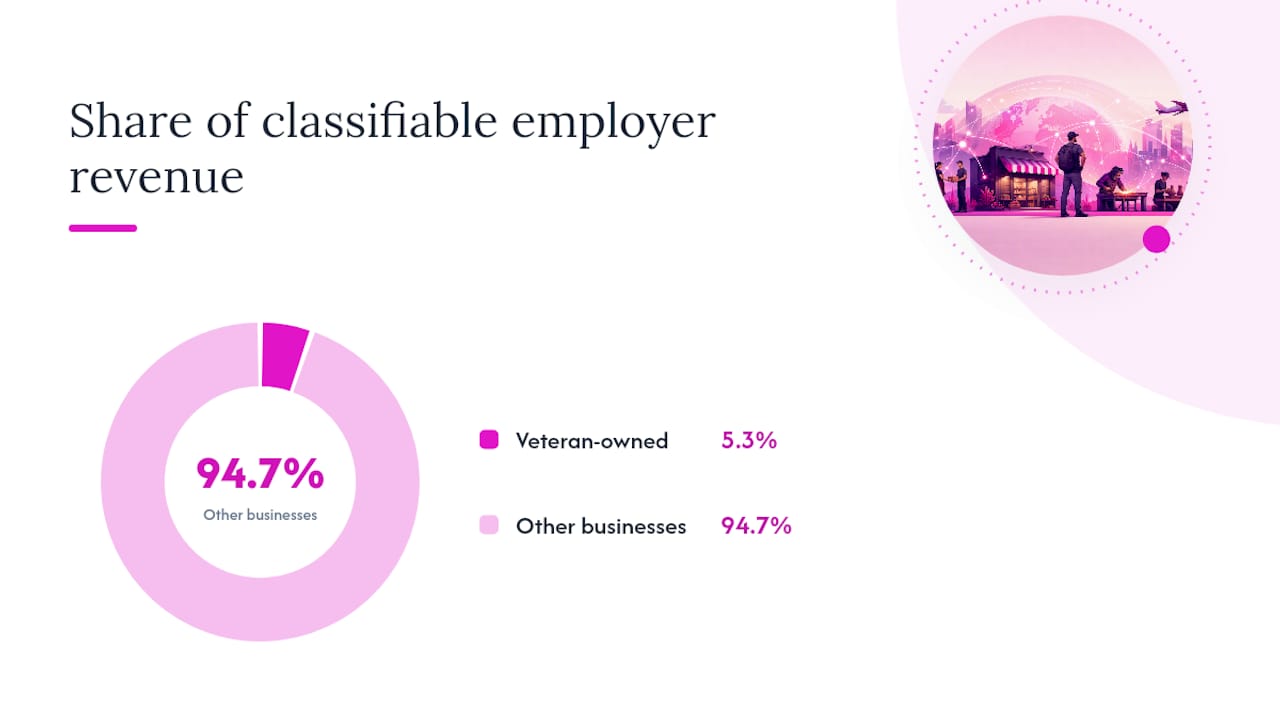
The economic scale is concrete. According to U.S. Census Bureau data from the 2022 Annual Business Survey (based on 2021 figures), veterans owned approximately 304,823 employer businesses in the United States that generated $922 billion in revenue, representing about 5.3% of total revenue for all classifiable employer businesses.
| Metric | Figure |
|---|---|
| Veteran-owned employer businesses | 304,823 |
| Total revenue generated | $922 billion |
| Share of all classifiable employer revenue | 5.3% |
Beyond revenue, veteran-owned brands frequently act as community hubs. Research on the Veteran Entrepreneurship Industry finds that buying from veteran businesses contributes to social capital and peer networks that support veteran entrepreneurs’ wellbeing and firm performance. Veteran brands also tend to hire other veterans, circulate dollars locally, and fund mission-driven programs directly.
$922 billion in revenue flows through veteran-owned employer businesses in the U.S. Each verified purchase contributes to that figure and to the social infrastructure these businesses build around it.
The IVMF at Syracuse University frames buying veteran-owned as a national priority, recommending curated shopping guides and corporate supplier diversity programs as the most scalable tools for expanding that impact.
Non-purchase actions that still help veteran-run apparel brands
Purchases matter, but visibility multiplies their effect. Verified reviews, referrals, and nominations materially increase discoverability for small veteran-run apparel shops.
Leave a detailed review. A 5-star rating with specific product feedback (fabric quality, fit accuracy, shipping speed) carries more weight than a star rating alone. Post it on the brand’s website, Google, and any platform where the brand is listed.
Share on social media. Tag the brand and relevant directories like Forces Brands. A post that names the product and explains why you bought from a veteran-owned brand reaches audiences who may not have encountered the brand otherwise.
Refer to buyers with volume. Event organizers, employers running uniform programs, and local shops are all potential bulk buyers. A direct referral from a satisfied customer opens doors that cold outreach rarely does.
Nominate for directories and awards. Many curated veteran business guides accept community nominations. Submitting a brand you trust to Forces Brands or similar platforms increases its verified visibility at no cost to the founder.
Before you buy: a pre-purchase checklist
Run through this before checkout to confirm your purchase reaches a genuine veteran founder.
- Verify veteran ownership. Confirm a VA-verified badge, state registry listing, or Forces Brands verification is present.
- Check the founder biography. Look for specific service dates, branch, or unit rather than generic veteran language. Review authenticity signals that veterans themselves look for in brands.
- Confirm product provenance. Note American-made labeling if that matters to you. Check the top American-made veteran clothing guide for provenance-sensitive picks.
- Review donation transparency. The percentage of sales donated and the named beneficiary organization should both be stated explicitly.
- Check sizing, returns, and shipping. Confirm a sizing chart exists, a return policy is posted, and shipping origin is disclosed.
- Read customer reviews. Look for consistent feedback on fit accuracy and product quality, not just overall star ratings.
- Confirm veteran-run customer service. A direct contact method and a responsive team are additional authenticity signals.
Pro Tip: For gift purchases, include a note in the gift message that the item was bought from a verified veteran-owned brand and that a percentage of the sale supports veteran programs. It adds context the recipient will remember.
What most shopping guides get wrong about buying veteran-owned
The standard advice is to look for a badge and move on. That is incomplete. Badges matter, but the more durable signal is whether the brand’s founder still holds majority ownership and whether the brand’s mission is operationally active, not just stated in an about page.
Most guides treat verification as a one-time check at the moment of first purchase. The more useful habit is periodic re-verification, particularly for brands you buy from repeatedly. Ownership structures change. A brand that was majority veteran-owned two years ago may have taken on outside investment since then.
The other gap: guides focus almost entirely on purchase behavior and underweight the visibility actions. A single referral to an event buyer or a nomination to a curated directory can generate more revenue for a small veteran-run apparel brand than a dozen individual transactions. Purchases are the floor, not the ceiling, of meaningful support.
Warbeardproject: veteran lifestyle apparel built for the community
Warbeardproject sells veteran-themed apparel and lifestyle accessories designed specifically for veterans, active duty military, and their supporters. The product line covers t-shirts, hoodies, hats, activewear, women’s wear, accessories, home decor, and electronics accessories. Collections are organized around specific missions, including mental health advocacy and veteran solidarity, with a percentage of sales donated to veteran outreach organizations.
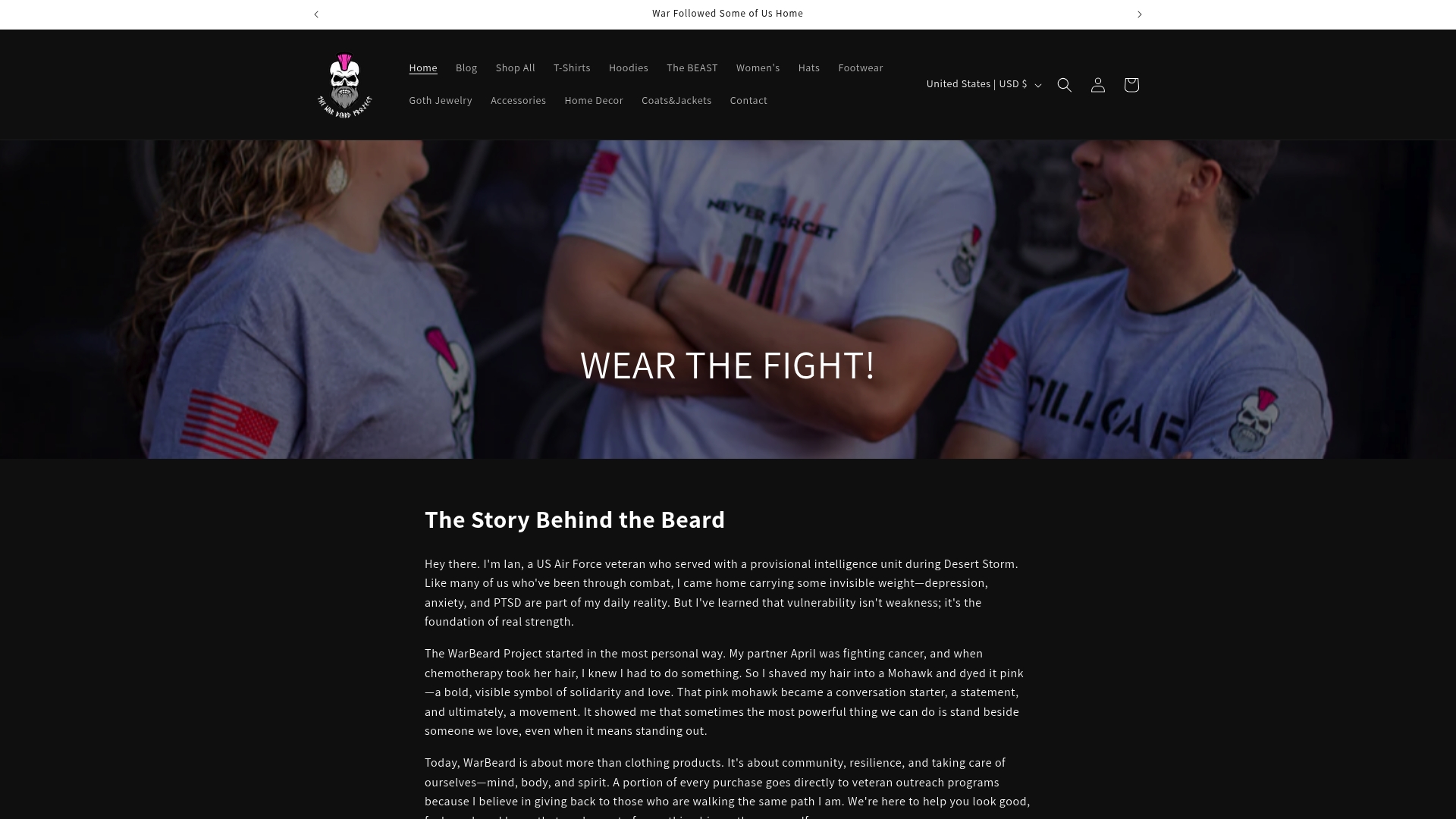
The brand meets the verification criteria this guide describes: veteran-run, mission-driven donation transparency, and a product line built for the military community rather than adapted from a generic lifestyle catalog. For a first purchase, the New Logo Yoga Leggings represent the activewear line and include the sizing detail and product specs worth checking against the category guidance above. Browse the full storefront at Warbeardproject to find the collection that fits your intent.
Sources
- Veteran-owned businesses have ties to home communities, Census Bureau analysis shows
- Why buying veteran-owned should be a national priority
- How to support veteran-owned small businesses
- Research on the Veteran Entrepreneurship Industry (VEI) and social capital