

Why Military Members Choose Performance Apparel
Performance apparel is defined as technical clothing engineered to regulate body temperature, manage moisture, and withstand physical stress beyond what standard garments can handle. Military members choose performance apparel because standard-issue uniforms consistently fall short of operational demands. 70% of military personnel find standard uniforms inadequate for harsh weather conditions. That figure alone explains why the shift toward technical fabrics has accelerated across all service branches. Technologies like NIR compliance and flame retardant construction have moved performance apparel from a preference to a practical necessity for anyone serious about readiness.
Why military members choose performance apparel over standard uniforms
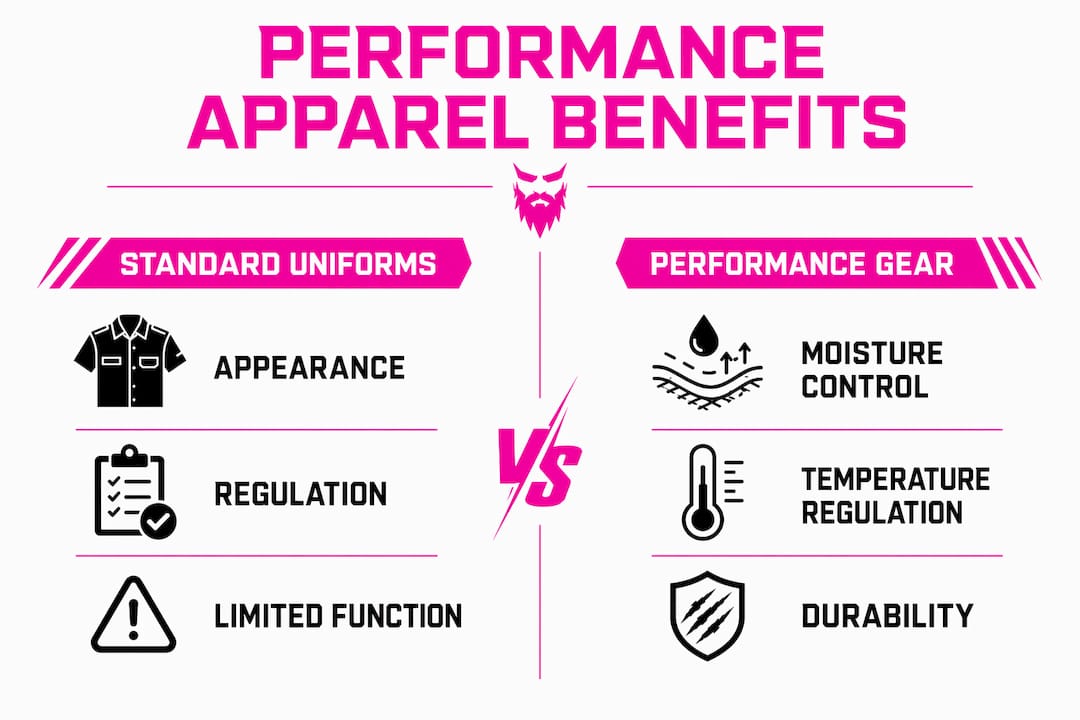
The core reason is functional failure. Standard uniforms are designed for appearance and regulation compliance, not for the physical demands of training, field operations, or extended wear in extreme climates. Performance apparel, by contrast, is engineered around the body’s actual needs during exertion.
Breathable materials improve body temperature regulation by up to 30%, reducing heat stress during missions. That reduction matters when cognitive performance and physical output are both on the line. A soldier who is overheating makes slower decisions and fatigues faster.
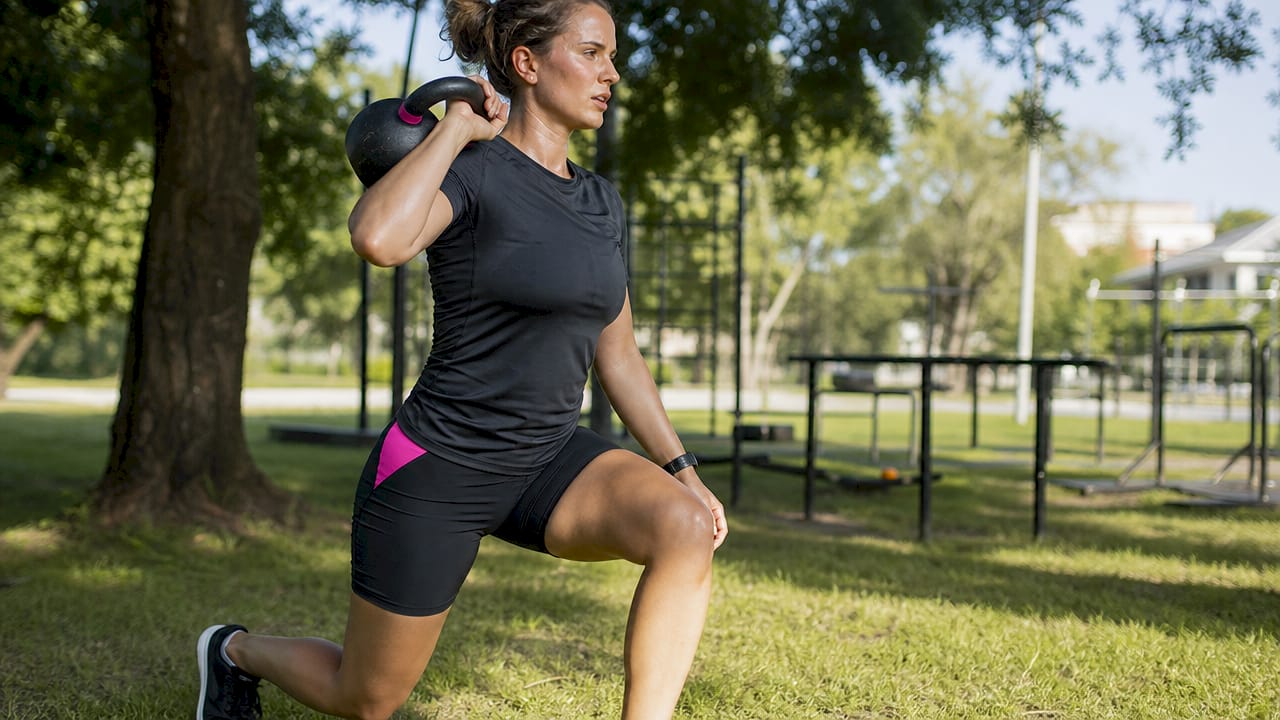
The difference also shows up in moisture control. 65% of soldiers report that wet clothing severely hinders operational effectiveness. Performance fabrics move sweat away from the skin and dry quickly, keeping the body in a stable thermal state even during high-output activity.
Beyond comfort, performance apparel addresses survivability. NIR compliance neutralizes infrared signatures, making uniforms match environmental backgrounds. That is a capability no civilian activewear can replicate. Flame retardant fabrics do not melt or drip, providing a layer of protection that standard polyester gym wear cannot offer.
Key features that separate performance gear from civilian activewear
- Moisture-wicking construction: Pulls sweat from the skin and accelerates evaporation, preventing the chilling and chafing that wet fabric causes during long operations.
- NIR-compliant dyes and materials: Match the infrared reflectance of natural surroundings, reducing detection risk from IR sensors in hostile environments.
- Flame retardant fabric: Does not melt or drip on contact with flame, a critical safety standard absent from most commercial athletic wear.
- Gusseted panels and reinforced stress points: Prevent gear failure during low crawls, lateral lunges, and rough terrain movement.
- Ergonomic tailoring: Stretch zones placed at the shoulders, knees, and seat allow full range of motion without fabric binding or tearing.
Pro Tip: When selecting performance gear for field use, prioritize NIR compliance and FR certification over brand aesthetics. Those two standards directly affect survivability, not just comfort.
Why military members appreciate the advanced fabrics in performance apparel
The phrase “Cotton Kills” is not hyperbole. Cotton can absorb up to 27 times its weight in water, and once saturated, it stays wet. In cold environments, that retained moisture accelerates hypothermia. In hot environments, it creates friction and skin breakdown. Cotton is the wrong material for any sustained physical activity, and it is especially wrong for military use.
Merino wool solves problems that both cotton and standard synthetics cannot. Merino’s features include thermal stealth, no melt or drip behavior, anti-static properties, and vapor management, making it a technically superior option for military applications. The fiber absorbs sweat vapor before it saturates the fabric, which reduces skin irritation and slows bacterial growth during long missions. That last point matters more than most people realize. Skin infections and friction wounds are real causes of mission degradation.
Merino also provides what fiber scientists call “heat of sorption.” When the fiber absorbs moisture vapor, it releases a small amount of heat. That process buffers the body against cold shock after intense exertion, which is the moment when core temperature drops fastest.
Synthetic fiber blends serve a different purpose. They excel at rapid drying and moisture migration, moving liquid sweat away from the skin faster than any natural fiber. The best performance apparel for military use often combines Merino’s thermal and hygiene properties with synthetic construction for durability and quick-dry performance.
- Identify your primary environment. Cold and wet conditions favor Merino-heavy blends. Hot and arid conditions favor synthetic-dominant fabrics with high breathability ratings.
- Check for anti-static certification. Anti-static properties in Merino reduce the risk of static discharge near sensitive equipment or flammable materials.
- Verify vapor management ratings. Fabrics that manage sweat in vapor phase, before it becomes liquid, keep skin drier and reduce bacterial load over extended wear.
- Confirm no-melt, no-drip behavior. This is non-negotiable for any environment where heat or flame exposure is possible.
Pro Tip: Merino wool base layers worn under tactical outerwear extend the thermal comfort window significantly. The fiber’s vapor absorption delays the wet-cold cycle that degrades performance in field conditions.
How performance apparel supports military identity and the transition to civilian life
Performance apparel serves a function beyond the physical. For veterans, it operates as a new uniform for civilian life, carrying the values, discipline, and identity of service into a context where the official uniform no longer applies. That is not a small thing. The loss of a shared uniform is one of the more disorienting parts of leaving active duty.
Military-themed performance apparel provides visible markers of belonging. It signals shared experience to other veterans and communicates values like discipline and commitment to a broader audience. Veteran apparel bridges military values with civilian norms without requiring the wearer to don official dress. That distinction matters legally and socially.
The connection between apparel and identity also shows up in community settings. Wearing performance gear with military-inspired design during group training, events, or everyday activity creates recognition among veterans who share the same background. That recognition reinforces community and reduces the isolation that many veterans report during transition.
Warbeardproject builds its entire product line around this reality. The brand recognizes that veteran transition is not just a logistical process. It is a cultural and psychological one, and apparel plays a concrete role in it. Performance gear that carries military aesthetics gives veterans a way to maintain continuity of identity while adapting to civilian life.
- Apparel with military-inspired design reinforces pride and shared values in everyday settings.
- Performance gear worn during training maintains the physical discipline that service instills.
- Community visibility through apparel supports belonging and reduces post-service isolation.
- Nonprofit partnerships tied to veteran apparel brands extend support beyond the product itself.
What practical advantages does military performance apparel offer during daily training?
The training environment is where performance apparel proves its value most clearly. Tactical clothing maintains comfort and focus across extended sessions, which directly supports better physical readiness outcomes compared to standard PT uniforms. Comfort is not a luxury in training. It is a variable that affects output, consistency, and injury rate.
Ergonomic design reduces fatigue by allowing the body to move naturally without fighting the fabric. Gusseted crotch panels, articulated knees, and stretch-woven seat panels each eliminate a specific point of resistance. Over a two-hour training session, that resistance adds up. Gear that moves with the body preserves energy for the work itself.
Durability also affects cost-effectiveness over time. Standard PT gear wears out faster under the friction and stress of daily military training. Performance apparel with reinforced stress points and technical fabric construction lasts significantly longer. That longevity reduces replacement frequency and total cost of ownership.
| Benefit | Standard PT Uniform | Performance Apparel |
|---|---|---|
| Moisture management | Minimal | Active wicking and rapid dry |
| Thermal regulation | Passive only | Up to 30% improvement |
| Durability under stress | Moderate | Reinforced stress points |
| Mobility | Restricted at seams | Gusseted and articulated |
| NIR and FR compliance | Not standard | Available in tactical variants |
| Skin health over extended wear | Prone to chafing | Vapor management reduces irritation |
The table above reflects the functional gap that drives tactical clothing choices among active-duty members and veterans alike. Prevention of chafing, overheating, and fabric failure is not a minor comfort upgrade. Each of those issues, left unaddressed, degrades training quality and increases injury risk over time.
Key Takeaways
Military members choose performance apparel because it solves real operational problems that standard uniforms cannot, from moisture management and thermal regulation to identity and community after service.
| Point | Details |
|---|---|
| Standard uniforms fall short | 70% of military personnel find them inadequate for harsh weather and physical demands. |
| Fabric technology drives performance | NIR compliance, FR construction, and moisture-wicking fabrics address survivability and comfort simultaneously. |
| Cotton is a liability | Cotton absorbs up to 27 times its weight in water, making it dangerous in cold or high-exertion environments. |
| Merino and synthetics outperform | Merino manages vapor-phase sweat and provides thermal buffering; synthetics add rapid-dry capability. |
| Apparel supports veteran identity | Performance gear with military aesthetics maintains pride, community, and continuity of values after service. |
What I’ve learned about gear and readiness after years in the field
Most conversations about performance apparel focus on fabric specs. That is the right starting point, but it misses something. The gear you wear affects how you carry yourself. A soldier in wet, chafing cotton is not just uncomfortable. That soldier is distracted, irritable, and slower to respond. The physical state of your clothing feeds directly into your mental state during operations and training.
I have watched service members dismiss performance apparel as unnecessary expense, then spend three times as much replacing worn-out standard gear. The durability math alone justifies the investment. Add the thermal regulation and moisture management benefits, and the case becomes obvious.
For veterans in transition, the identity dimension of apparel is real and worth taking seriously. The gear you wear signals who you are and what you value. Choosing off-duty military clothing that reflects your service background is not vanity. It is a way of maintaining continuity while building a new chapter.
My advice: match your gear to your actual environment and activity level. Do not buy cold-weather Merino for a desert training rotation. Do not wear standard cotton PT gear for a multi-hour rucking session. The right fabric for the right context is the entire point of performance apparel.
— Ian
Performance apparel built for military members and veterans
Warbeardproject designs apparel for the people who understand exactly what performance gear needs to do. Every product in the line reflects the standards that military members and veterans hold for comfort, durability, and identity.
The New Logo Yoga Leggings are built for active wear with technical construction that supports extended training sessions. The design carries the Warbeardproject identity, making them a practical choice for veterans who want gear that performs and represents. Whether you are training, recovering, or moving through a civilian day, the apparel holds up to the standard you set during service.
FAQ
Why do military members prefer performance fabrics over cotton?
Cotton absorbs up to 27 times its weight in water and stays wet, causing chafing and heat loss. Performance fabrics wick moisture away from the skin and dry rapidly, keeping the body stable during exertion.
What is NIR compliance in military apparel?
NIR compliance means the fabric matches the infrared reflectance of natural surroundings, reducing detection by IR sensors. It is a survivability feature not found in standard civilian activewear.
How does performance apparel support veteran transition?
Veterans use military-inspired performance apparel as a new uniform that carries service identity into civilian life, supporting community recognition and continuity of values without wearing official dress.
Is Merino wool actually better than synthetics for military use?
Merino manages sweat in vapor phase before it saturates the fabric, reduces bacterial growth, and provides thermal buffering after exertion. Synthetics dry faster. The best performance gear combines both properties.
Does performance apparel reduce training fatigue?
Tactical clothing with ergonomic tailoring and reinforced stress points allows natural movement and reduces the physical resistance that standard PT uniforms create, supporting better training outcomes over extended sessions.