

Why Military Members Support Veteran Brands
Military members support veteran brands because these businesses reflect the same values that define service: integrity, accountability, and commitment to community over self-interest. This is not casual brand preference. It is relational loyalty built on shared identity, proven leadership, and direct community impact. The 2025–2026 Military Explorer study confirms that military discounts top purchase drivers for post-9/11 veterans and active-duty spouses, outranking product quality and brand reputation. That finding points to something deeper. Military consumers respond to brands that demonstrate genuine support, not brands that simply display a flag. Understanding why military members support veteran brands requires looking at values, economics, and the unique dynamics of military life.
Why military members support veteran brands: shared values and authentic leadership
Military culture runs on a specific set of values. Honor, accountability, reliability, and mission focus are not abstract ideals. They are daily operating standards. Veteran brand owners carry those same standards into their businesses, and military consumers recognize that immediately.
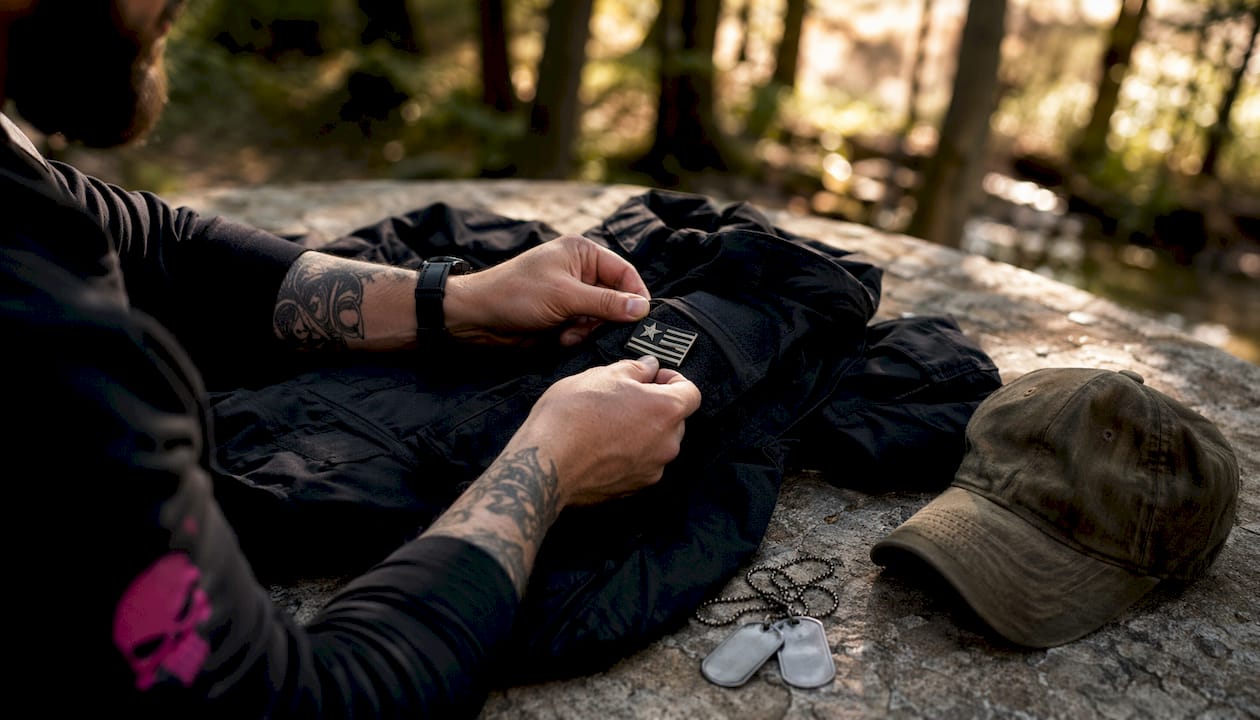
Veteran-led companies apply systems thinking, logistics expertise, and disciplined risk management to business operations. These are skills forged under pressure, not learned in a classroom. That operational credibility gives veteran brands a level of trustworthiness that civilian-owned brands rarely match in the eyes of military consumers.
Authenticity is the deciding factor. Military members are trained to assess situations quickly and spot inconsistencies. A brand that claims veteran ownership but cannot demonstrate it fails that assessment fast. This is why third-party certification matters.
- The National Veteran Business Development Council (NVBDC) provides independent verification of veteran ownership and operational control.
- NVBDC certification signals to consumers that a business is genuinely veteran-led, not just veteran-branded.
- “Veteran washing,” where brands use military imagery without real veteran ownership, is a recognized problem that erodes trust across the entire category.
- Certified veteran businesses attract military consumers who require proof beyond marketing copy.
Pro Tip: Before purchasing from a brand claiming veteran ownership, check for NVBDC certification or a verifiable founder story. Genuine veteran brands welcome that scrutiny.
Military consumers also connect with service branch pride and shared cultural identity. A brand owner who served understands what that means without needing it explained.
What economic and community impact does buying veteran brands create?
Purchasing from veteran brands does more than complete a transaction. It funds a parallel support system that government programs often fail to cover adequately.
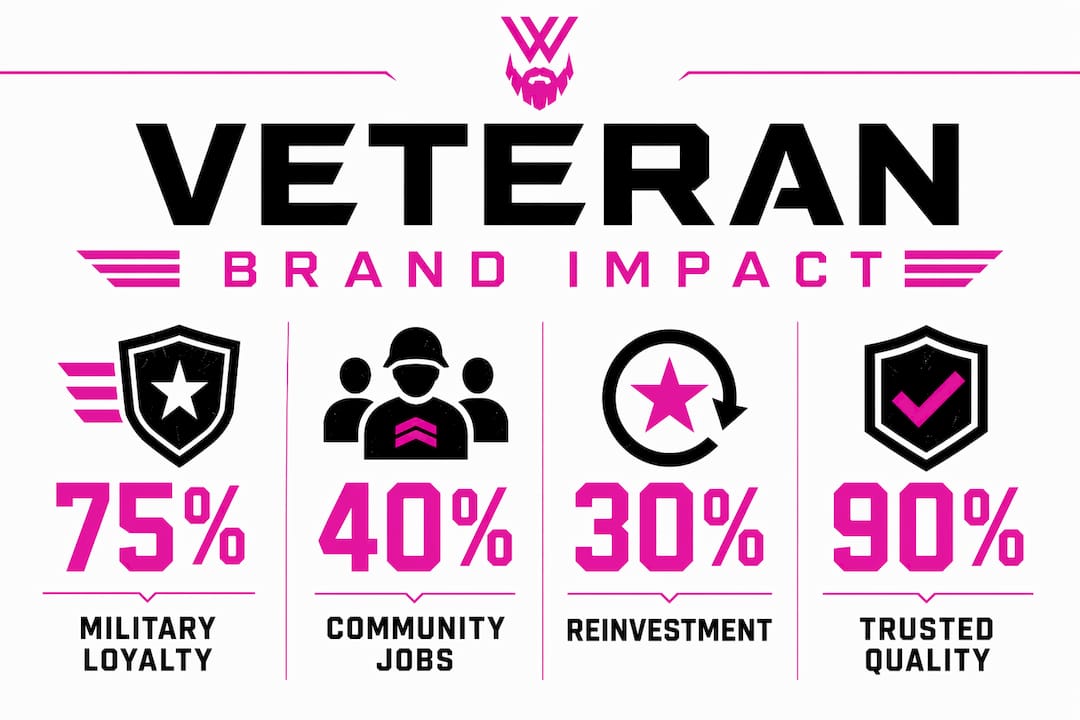
Veteran-owned brands frequently reinvest profits into programs that address the hardest reintegration challenges. Mental health support, peer networks, and veteran employment initiatives are common recipients of those revenues. Buying from veteran-owned brands functions as a form of private welfare, directing money toward services that federal systems underserved. That is a concrete, measurable outcome from a purchasing decision.
The economic case for supporting veteran enterprises extends beyond individual impact. Consider what veteran brand revenues fund across the community:
- Veteran hiring programs that create employment pipelines for transitioning service members.
- Mental health and peer support initiatives funded directly by brand revenues, not grant cycles.
- Community rebuilding efforts that address social isolation after service.
- Workforce inclusion that improves veteran reintegration outcomes at scale.
- Supply chain resilience as veteran businesses contribute to ESG and workforce diversity goals.
Each purchase shifts market dynamics. When military consumers consistently choose veteran brands, they signal to the broader market that authentic veteran ownership has commercial value. That signal encourages more veterans to start businesses and more corporations to seek veteran-owned suppliers.
The role of veteran transition in community building is direct. Veteran brands that reinvest in their communities create a feedback loop where consumer spending produces social outcomes that strengthen the same community doing the spending.
How does relational loyalty differ from transactional marketing for military consumers?
Military consumers do not respond to superficial campaigns. A seasonal Veterans Day discount does not build loyalty. Consistent, year-round demonstration of genuine support does.
Brand loyalty in the military community is built on authentic community support and long-term engagement. Brands that show up only in november and disappear in december are noticed and rejected. Military consumers track that pattern and share it within their networks.
The behaviors that actually build military brand loyalty include:
- Veteran hiring practices that demonstrate commitment beyond marketing language.
- Nonprofit partnerships with organizations that serve the military community directly.
- Authentic storytelling from founders and employees with real service backgrounds.
- Year-round military pricing that reflects genuine appreciation rather than promotional timing.
- Quality products and strong customer service that back up the brand’s stated values.
Military consumers prefer brands that back up marketing with quality products and strong customer service. Loyalty is won by demonstrating values in action, not by announcing them in ad copy.
Pro Tip: If a brand only mentions its veteran status during military holidays, treat that as a warning sign. Genuine veteran brands integrate their mission into daily operations, not just marketing calendars.
Social media and peer networks amplify this effect significantly. Military communities are tight-knit and communicate constantly. A brand that earns trust in one unit or base spreads by word of mouth faster than any paid campaign. The reverse is equally true. A brand that fails to deliver gets flagged across those same networks within days.
Empathy-based marketing that reflects real understanding of military life outperforms patriotic imagery every time. Military consumers know the difference between a brand that understands their life and one that simply borrowed the aesthetic.
How does military lifestyle shape preference for veteran brands?
Military life creates specific consumer behaviors that civilian market research rarely captures accurately. Frequent relocations, dense community networks, and disciplined financial management all shape how military members choose brands.
Frequent military relocations create unique purchase windows and make peer recommendations critical. When a family moves to a new installation every two to three years, they rely on trusted networks to identify reliable brands fast. Veteran brands with national presence and strong peer endorsements win that evaluation consistently.
Military spouses and families are sophisticated consumers with financial well-being scores above the U.S. average. They are not impulsive buyers. They research, compare, and prioritize quality and legitimacy. That deliberate approach means veteran brands must earn the purchase through demonstrated value, not just identity appeal.
| Military lifestyle factor | Impact on brand preference |
|---|---|
| Frequent relocation | Peer-validated, nationally available brands win by default |
| Dense community networks | Word-of-mouth spreads brand reputation rapidly |
| Financial discipline | Quality and value outweigh brand aesthetics alone |
| Shared cultural identity | Veteran ownership signals immediate credibility |
| Reintegration challenges | Brands funding support programs earn lasting loyalty |
The networking effect inside military communities is one of the most underestimated forces in consumer behavior. A recommendation from a fellow service member carries more weight than any influencer campaign. Veteran brands that understand military humor and cultural identity earn that peer endorsement naturally. Brands that miss the cultural nuance get filtered out just as quickly.
Key Takeaways
Military members support veteran brands because shared values, authentic leadership, and direct community investment create loyalty that transactional marketing cannot replicate.
| Point | Details |
|---|---|
| Values alignment drives loyalty | Military consumers choose brands that reflect honor, accountability, and mission-driven purpose. |
| NVBDC certification builds trust | Third-party verification distinguishes genuine veteran ownership from veteran washing. |
| Purchases fund community programs | Veteran brand revenues directly support mental health, hiring, and peer support initiatives. |
| Relational loyalty beats discounts | Year-round authentic engagement outperforms seasonal military promotions every time. |
| Military lifestyle shapes decisions | Frequent relocations and peer networks make word-of-mouth the most powerful brand driver. |
What I’ve learned watching veteran brands earn real loyalty
I’ve watched a lot of brands try to reach the military community. Most of them get it wrong in the same way. They lead with the flag and follow with nothing.
The brands that earn genuine, lasting loyalty from military consumers do one thing differently. They operate as if the mission never ended. The founder who served still applies the same standards to product quality, customer service, and community investment that they applied to their unit. That consistency is visible. Military consumers detect it immediately because they lived by those same standards.
The uncomfortable truth about veteran brand marketing is that most of it is performative. A discount code in november is not support. Hiring one veteran for a marketing photo is not commitment. Military consumers have seen enough of both to know the difference without needing it explained.
What actually works is boring by marketing standards. Consistent quality. Real veteran hiring. Transparent community investment. Authentic stories from people who served. None of that is flashy. All of it builds the kind of loyalty that survives a PCS move, a deployment cycle, and a decade of brand competition.
My advice for military members evaluating a veteran brand: look past the imagery. Find out who owns it, how they operate, and where the money goes. The brands worth your loyalty will answer those questions without hesitation. The ones that deflect or go vague are telling you everything you need to know.
— Ian
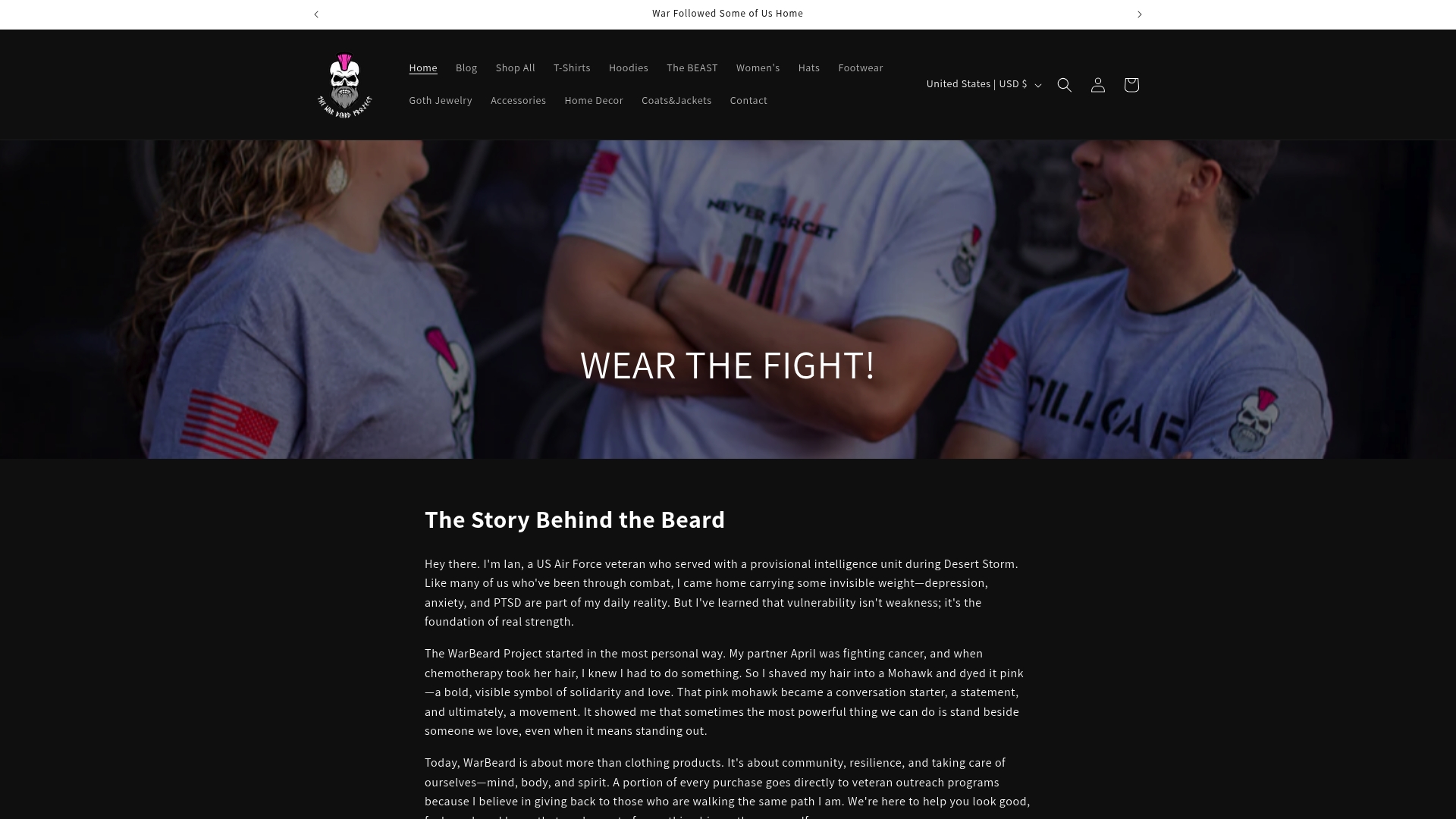
Warbeardproject: veteran-owned apparel with a real mission
Warbeardproject is a veteran-owned lifestyle apparel brand built for the military community, not marketed at it. Every product reflects the same standards that define service: quality that holds up, design that means something, and ownership that is accountable to the community it serves.
The New Logo Yoga Leggings represent exactly what veteran brand purchasing should look like. You get a quality product from a verified veteran-owned business, and your purchase supports a brand that reinvests in the military community. Warbeardproject does not borrow the military aesthetic. It is built from inside it. For military members who want their spending to reflect their values, that distinction matters.
FAQ
Why do military members value brand loyalty more than civilians?
Military culture is built on trust and reliability, which translates directly into consumer behavior. Military members apply the same standards to brands that they apply to equipment and teammates: consistency and proven performance earn loyalty.
What is veteran washing and why does it matter?
Veteran washing is when a brand uses military imagery or claims veteran affiliation without genuine veteran ownership or operational control. NVBDC certification exists specifically to verify authentic veteran businesses and protect consumers from misleading claims.
Do military discounts actually drive purchasing decisions?
The 2025–2026 Military Explorer study identifies military discounts as the top purchase driver for post-9/11 veterans and active-duty spouses. Discounts work best when they are genuine, year-round, and paired with consistent product quality.
How do veteran brands support the broader military community?
Veteran brands frequently fund mental health programs, peer support networks, and veteran hiring initiatives directly from revenues. Purchasing veteran-owned brands creates a private support system that addresses gaps left by federal programs.
How can military members identify a genuinely veteran-owned brand?
Look for NVBDC certification, a verifiable founder service history, and transparent community investment practices. Genuine veteran brands provide that information clearly. Brands that rely solely on patriotic imagery without operational proof warrant skepticism.