

How to Dress Like a Combat Veteran Lifestyle Brand
A combat veteran lifestyle brand is defined as apparel that reflects military service, tactical performance, and veteran identity through purposeful design and community-driven values. Veterans seeking military lifestyle apparel that honors their combat experience face a crowded market where authenticity is rare and imitation is common. The right gear does more than cover your body. It signals who you are, what you survived, and which community you belong to. Warbeardproject exists precisely for that purpose: veteran-owned, veteran-focused, and built around the values that active duty and post-service life demand.
What characteristics define authentic combat veteran lifestyle apparel?
Authentic combat veteran clothing is defined by performance materials, functional design, and symbolism that respects veteran culture without trivializing it. Generic activewear brands borrow military aesthetics for marketing. Veteran lifestyle brands build from the inside out, starting with the mission and working outward to the fabric.
Materials that perform under real conditions
High-performance tactical shirts use thermoregulating micro-mesh fabric at 102 GSM with permanent odor-control treatments. That weight class keeps garments light enough for workouts while durable enough for outdoor use. UPF 45+ sun protection and sweat-wicking construction are standard features in quality tactical apparel, not premium upgrades. Veterans spending time outdoors need fabrics that manage moisture and block UV exposure without adding bulk.
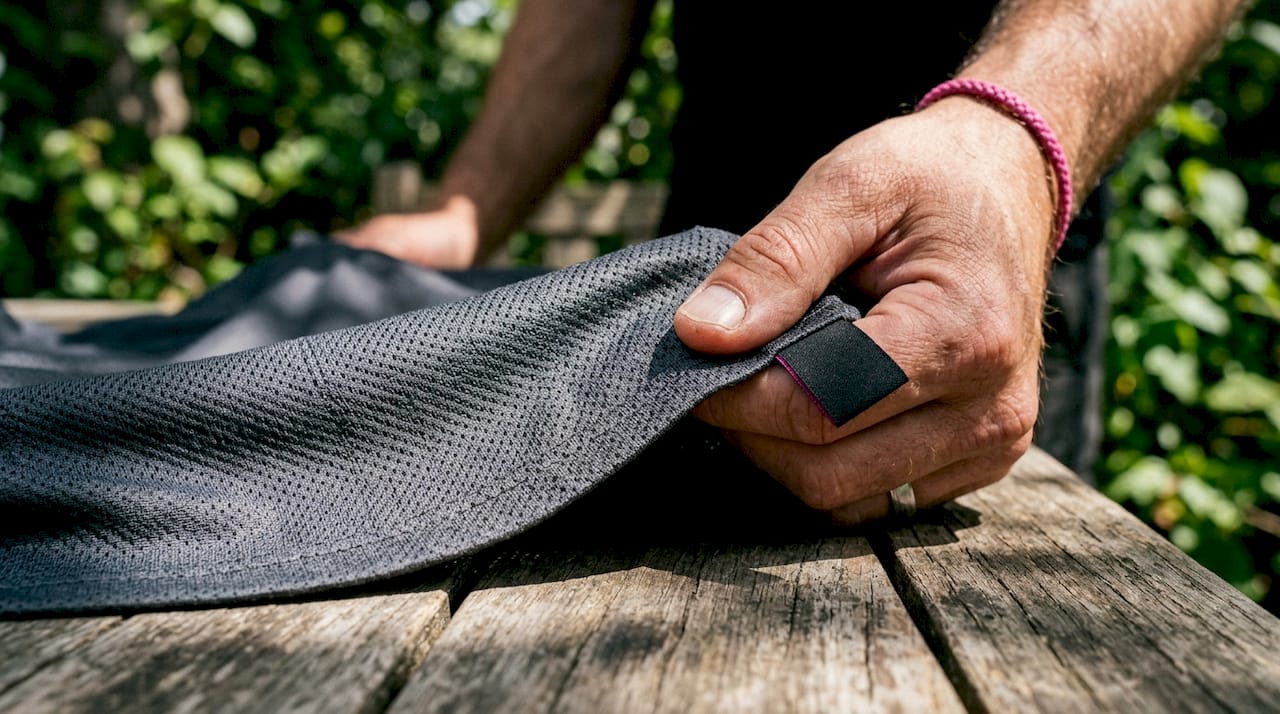
100% recycled polyester construction is another marker of quality in this category. It signals that a brand invests in material science, not just branding. Quick-dry capability matters when you move between environments, from a morning run to an afternoon errand, without changing clothes.
Design and symbolism that carry meaning
Patriotic and meaningful graphics connect apparel to veteran identity without resorting to cliché. The difference between a meaningful design and a cheap imitation is context. A brand that understands veteran culture uses imagery tied to specific service branches, unit history, or recovery milestones. A brand that exploits veteran identity uses stock camouflage and generic slogans.
Tactical apparel must balance rugged durability with comfort and features that support active or recovery lifestyles. That balance is not accidental. It requires designers who have lived the experience they are representing.
Pro Tip: Before buying, examine the graphic placement and print quality on any veteran fashion brand. Screen-printed designs that crack after three washes signal low production standards. Heat-transfer or embroidered graphics hold up to repeated washing and heavy use.
- Thermoregulating fabric (micro-mesh, 102 GSM or lighter)
- Permanent odor control treatment
- UPF 45+ sun protection
- Sweat-wicking and quick-dry construction
- Meaningful graphics tied to veteran culture, not generic military aesthetics
- Reinforced stitching at stress points for active use
How do you choose veteran apparel that fits your lifestyle?
Choosing the right combat veteran clothing starts with an honest assessment of how you actually live. A veteran who trains daily needs different apparel than one focused on casual wear or post-service recovery. The category of active duty inspired fashion covers a wide range, from compression training gear to relaxed outdoor lifestyle pieces.
Match apparel to your activity level
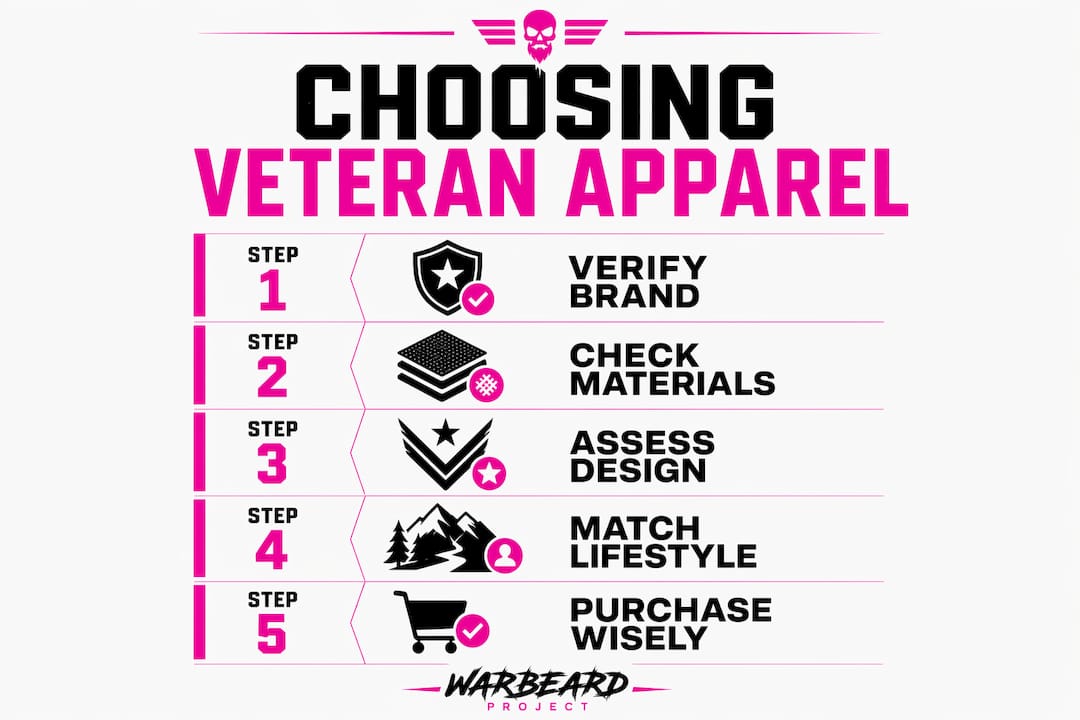
- Assess your primary use case. Training, outdoor activity, casual wear, and recovery each demand different fabric weights and construction. A 102 GSM micro-mesh shirt performs well for high-output workouts. A heavier cotton-blend works better for everyday wear.
- Identify brands with real veteran ownership. Veteran-owned tactical lifestyle brands often arise from personal recovery and survival stories, making their gear a statement of strength rather than a marketing angle. Founders who built brands from battlefield injury or medical recovery bring a different standard to design.
- Check for charitable mission alignment. Oscar Mike Apparel gives 100% of donations to veteran foundations, illustrating how apparel purchases can extend beyond personal use into community impact. Look for brands that connect sales to veteran support organizations.
- Consider apparel’s role in identity and recovery. Clothing influences veteran transition and post-service adjustment in ways that go beyond fashion. Wearing gear that reflects your service history reinforces identity during a period when many veterans struggle to define themselves outside of uniform.
- Review material and protective features for your environment. Outdoor lifestyle veterans need UPF protection and moisture management. Veterans focused on gym training need stretch, breathability, and odor control.
Pro Tip: Search for a brand’s “About” page before you check their product catalog. A veteran-owned clothing line that leads with its founders’ service history and mission statement is far more likely to deliver authentic gear than one that leads with discount codes.
Step-by-step method to evaluate and purchase from a veteran lifestyle brand
Buying veteran lifestyle apparel online requires a structured approach. The market includes genuine veteran-owned brands, brands that claim veteran affiliation without proof, and mass-market labels using military aesthetics for sales volume. Checking product specifications like materials, care instructions, and functional features determines product life and buyer satisfaction.
Evaluation checklist before purchase
| Evaluation Step | What to Look For |
|---|---|
| Brand mission and ownership | Confirmed veteran ownership, founder story, and stated mission |
| Material specifications | Fabric type, weight (GSM), UPF rating, odor control, and stretch |
| Sizing and fit guidance | Detailed size charts with measurements, not just S/M/L labels |
| Care instructions | Machine-wash durability, colorfastness, and heat tolerance |
| Community and charitable impact | Partnerships with veteran nonprofits or percentage of sales donated |
Start with the brand’s mission statement. A brand that cannot clearly state who founded it and why is a brand worth skipping. Move to product specifications next. Fabric weight, fiber content, and functional features like UPF rating or moisture management should appear on every product page. If they do not, the brand is not targeting informed buyers.
Sizing accuracy matters more in tactical apparel than in standard fashion. Fit affects performance, and a garment that binds during movement defeats its purpose. Confirm that the brand publishes actual measurements, not just generic size labels. Finally, verify community involvement. A veteran-owned clothing line that contributes to veteran mental health organizations or nonprofit partners signals that the brand’s values extend past the transaction.
What mistakes should you avoid when buying veteran lifestyle apparel?
The most common mistake veterans make is buying based on aesthetics alone. A shirt with a compelling graphic and a military-sounding brand name is not automatically authentic veteran fashion. Veterans actively call out inauthentic branding in the lifestyle apparel space, and the community’s standards for authenticity are high.
- Avoid brands that exploit veteran identity without proof of ownership. Veteran branding without a verifiable founder story or organizational connection is a marketing tactic, not a mission.
- Skip synthetic products that lack functional features. Low-cost polyester blends without odor control, UPF protection, or moisture management fail quickly under active use.
- Watch for misleading claims of veteran ownership. “Veteran-inspired” and “veteran-owned” are not the same claim. The first is a design choice. The second is a business fact.
- Verify reviews from actual veterans, not general consumers. A product rated highly by general fitness buyers may still fail the standards veterans apply to outdoor lifestyle apparel.
- Do not ignore care instructions. A garment that requires dry cleaning or cold-only washing is not built for the way veterans actually live.
“Authentic veteran lifestyle apparel is built from the inside out. The mission comes first, the fabric comes second, and the graphic comes last. When a brand reverses that order, veterans notice immediately.”
Why veterans choose tactical clothing over standard activewear comes down to this: the gear has to earn its place in the rotation. Brands that understand that standard build better products.
Key Takeaways
Authentic combat veteran lifestyle apparel combines verified veteran ownership, performance materials, and meaningful design to serve veterans’ identity and active lifestyle needs.
| Point | Details |
|---|---|
| Material performance matters | Look for micro-mesh fabric, UPF 45+ protection, and permanent odor control in any tactical apparel. |
| Verify veteran ownership | Confirm founder history and brand mission before purchasing from any veteran fashion brand. |
| Design must carry meaning | Graphics should connect to real veteran culture, not generic military aesthetics or stock camouflage. |
| Community impact extends value | Brands that donate to veteran foundations or partner with nonprofits deliver value beyond the garment. |
| Avoid authenticity shortcuts | “Veteran-inspired” branding without proof of ownership is a marketing label, not a mission statement. |
Why apparel matters more than most veterans admit
I have watched veterans spend serious money on gear that looked right but performed poorly. The frustration is not just about wasted dollars. It is about buying something that claimed to represent your experience and then failed to deliver on that claim.
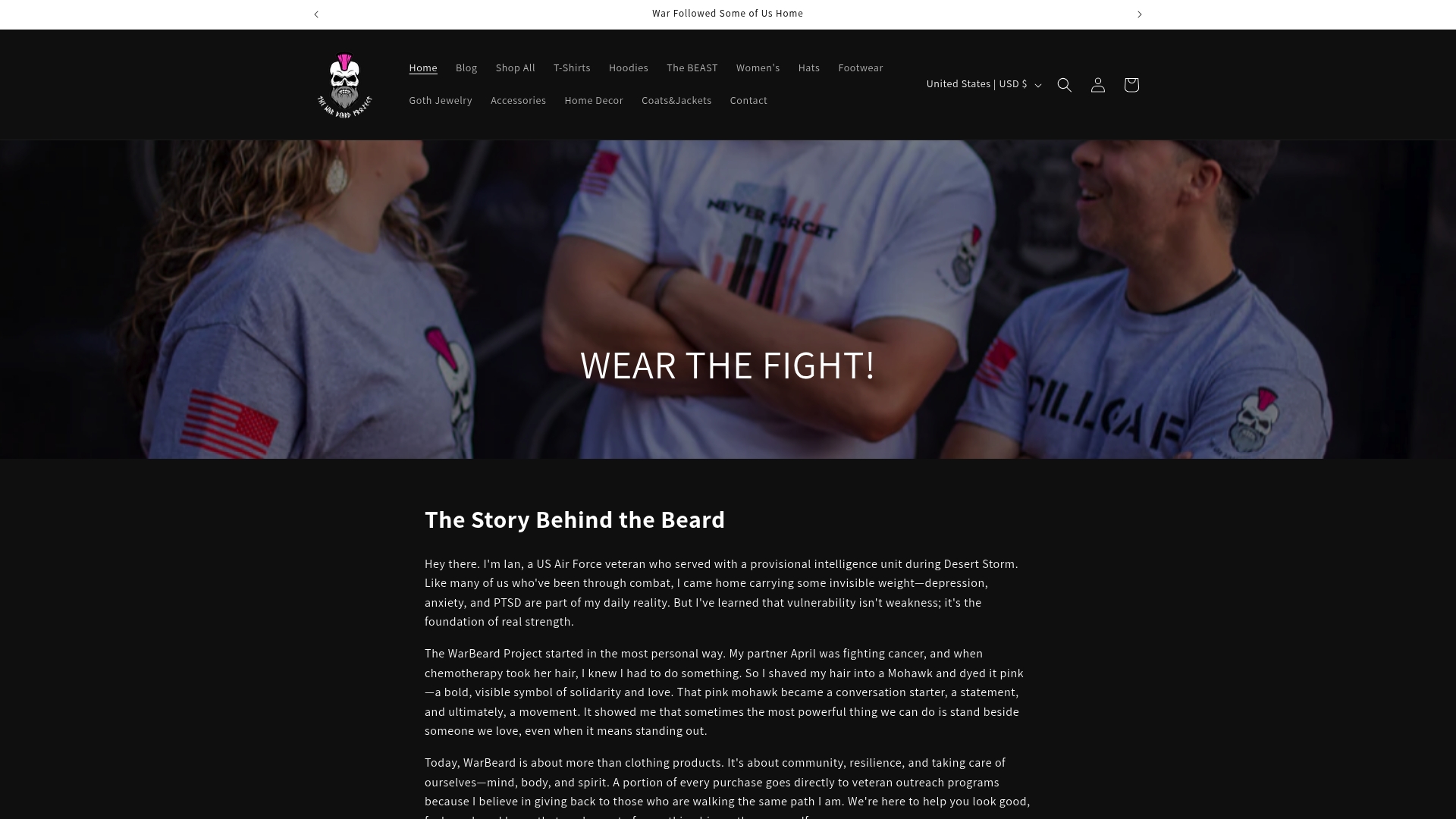
The connection between tactical gear and mental health is real. Wearing apparel that reflects your service history is not vanity. It is a form of identity maintenance during a period when many veterans feel disconnected from the structure and purpose that military life provided. Brands like Warbeardproject understand this because they were built by people who lived it.
The brands worth supporting are the ones that treat apparel as a statement of strength, not a costume. When founders build from personal recovery, battlefield injury, or post-service struggle, the product carries weight that mass-market labels cannot replicate. That weight shows up in material choices, in graphic design decisions, and in the causes the brand chooses to support.
My honest recommendation: spend more time on a brand’s “About” page than on its product catalog. The story behind the gear tells you more about quality and authenticity than any product description. If the story is missing, so is the mission.
— Ian
Warbeardproject: veteran lifestyle apparel with a real mission
Warbeardproject is a veteran-owned lifestyle apparel brand built around the values of service, resilience, and community. Every product reflects a commitment to authentic veteran identity, not borrowed military aesthetics.
The New Logo Yoga Leggings are a strong example of how Warbeardproject combines functional performance with veteran-centered design. Built for active use and recovery alike, they represent the brand’s approach to apparel that works as hard as the veterans wearing it. For veterans looking to build a wardrobe that reflects their service and supports a community that shares their values, Warbeardproject is the place to start. Visit warbeardproject.com to see the full catalog.
FAQ
What is a combat veteran lifestyle brand?
A combat veteran lifestyle brand is a clothing label built around veteran identity, tactical performance, and community values. Authentic brands are founded or co-founded by veterans and connect their products to real service experiences.
How do I know if a veteran apparel brand is authentic?
Look for a verifiable founder story, confirmed veteran ownership, and partnerships with veteran nonprofits or foundations. Brands that cannot clearly state who built them and why are not authentic veteran-owned clothing lines.
What materials should veteran lifestyle apparel include?
Quality tactical apparel uses thermoregulating micro-mesh fabric, permanent odor control, UPF 45+ sun protection, and quick-dry construction. These features support both active outdoor use and recovery-focused lifestyles.
Does buying veteran apparel support the veteran community?
Buying from veteran-owned brands directly supports veteran entrepreneurs. Some brands also donate a portion or all of charitable proceeds to veteran foundations, extending the impact of each purchase beyond the individual transaction.
What is the difference between “veteran-inspired” and “veteran-owned” apparel?
“Veteran-inspired” is a design choice that any brand can claim. “Veteran-owned” means the business is founded and operated by veterans. Only veteran-owned brands carry the accountability and authenticity that the label implies.