

Shed in 15 Seconds: Pump Cover Hoodie Meaning, ACSM Tips, Tactical Fit
A pump cover hoodie is an oversized hoodie worn over your workout clothes to trap heat, hide early-session muscle changes, and reveal a fuller look once you strip it off. Used correctly, it functions as a short warm-up layer that supports circulation on cold days. Used wrong, it becomes a way to fake sweat and mask overheating, which is where the trend runs into trouble.
TL;DR:
- A pump cover hoodie provides passive heat retention and confidence support but does not substitute for an effective active warm-up.
- The hoodie should be removed once genuine warmth is achieved, usually between warm-up and the first working set, depending on environmental conditions.
- Proper fit and fabric weight are essential to avoid restricting movement or causing overheating, especially during overhead lifts or in hot gyms.
- Lighter, ventilated shirts make better pump covers in warm environments, while heavier hoodies are suited for cold or outdoor training.
- Quick removal methods and pre-testing the fit help maintain workout flow and prevent overheating during intense sessions.
Table of Contents
- What “Pump Cover” Actually Means in Gym Culture
- What a Pump Cover Does: Real Benefits and Common Limits
- How to Wear a Pump Cover Hoodie During a Workout
- Fit, Testing, and Safety Checks Before You Train in One
- Hoodie or Oversized Tee: Choosing the Right Pump Cover
- When to Take Your Pump Cover Off
- Warbeard Project’s Take on What Makes a Good Pump Cover Hoodie
- A Trainer’s Note on Using Pump Covers the Right Way
- Gear Up: Warbeard Hoodies Built for the Warm-Up-to-Working-Set Transition
- Sources
- FAQ
What “Pump Cover” Actually Means in Gym Culture
The term borrows from “pump,” gym slang for the temporary swelling in a muscle after a set, caused by blood pooling in the tissue you just worked. A pump cover is the layer you wear to conceal that muscle before you’re ready to show it, typically by peeling it off during your workout. That’s the pump cover definition in plain terms: a garment with a reveal built into its purpose, and not just another layer for warmth.
The style detail matters less than the fit. Some lifters use a slouchy tee, others reach for a hoodie, and both qualify as long as the top stays loose through the chest and shoulders without restricting the lift itself.
What a Pump Cover Does: Real Benefits and Common Limits
The physiological case for a pump cover is narrower than social media suggests, but it’s not nothing. Extra fabric traps body heat, and raising muscle temperature before lifting can reduce stiffness and support cleaner technique on your first heavy sets, according to a 2026 review from the American Council on Exercise. That’s a legitimate reason to throw one on in a cold garage gym or an unheated warehouse space in January.
Where it breaks down is the idea that a hoodie substitutes for an actual warm-up. It doesn’t. The ACE’s own guidance on effective warm-ups is clear that movement preparation, rehearsing the pattern you’re about to lift, does the heavy work of increasing circulation and readying joints. Passive heat from clothing is a supporting player, not the main event.
A few myths are worth killing outright:
- Sweating inside a hoodie does not burn extra fat. It’s water loss, and it comes right back once you rehydrate.
- A bigger pump is not the same as better conditioning. One reflects short-term blood flow; the other reflects actual fitness gained over weeks.
- Wearing a hoodie the entire session doesn’t make the workout harder in a way that matters. It usually just makes it hotter.
Treat a pump cover as a comfort and confidence tool with a small physiological assist in cold conditions, not a training hack.
How to Wear a Pump Cover Hoodie During a Workout
The sequence matters more than the garment itself. Here’s the order that works for most gym sessions:
- Put on your base layer, whatever fitted tank, tee, or shorts you’re training in.
- Pull the pump cover on over that layer before you leave the house or step onto the gym floor.
- Run your general warm-up, light cardio, dynamic stretches, joint circles, with the hoodie on if the room is cool.
- Move into exercise-specific light sets, still covered, to rehearse the actual lift pattern.
- Remove the hoodie before your first working set, once you’re genuinely warm rather than just covered up.
Quick removal matters just as much as the sequence. Tying the sleeves around your waist, draping it over the end of the bench, or choosing a zip hoodie you can shed in three seconds all keep you from stalling between sets.
Pro Tip: Test your removal method before you actually need it. If untying a hoodie from your waist takes longer than 15 seconds, you’ll skip it under a barbell and just keep lifting overheated.
Adjust the timing to the room. In a humid, poorly ventilated gym, take it off earlier than you think you need to. In a cold gym or outdoor session, you can keep it on a set or two longer without issue.
Fit, Testing, and Safety Checks Before You Train in One
A pump cover hoodie only helps if it doesn’t get in the way of the lift. Before you load a bar, run through a short range-of-motion check:
- Reach straight overhead and check for pulling across the shoulders or shortness in the sleeve.
- Perform a bodyweight press and row to confirm the fabric doesn’t bunch at the elbow or armpit.
- Squat and hinge to see if the hem rides up or restricts your hips.
If any of those checks catch or bunch, the hoodie is too small, too heavy, or too structured for that lift. Set it aside for cardio or warm-up only.
Overheating is the bigger safety issue, and it’s easy to miss when you’re focused on a set. The American College of Sports Medicine’s guidance on exercising in hot conditions recommends loose, lightweight, moisture-wicking clothing and adjusting layers to prevent excessive sweating. Watch for dizziness, an unusually fast heart rate, or skin that feels hot and dry rather than sweaty. Any of those signs means removing excess clothing immediately, not toughing it out for the sake of the look.
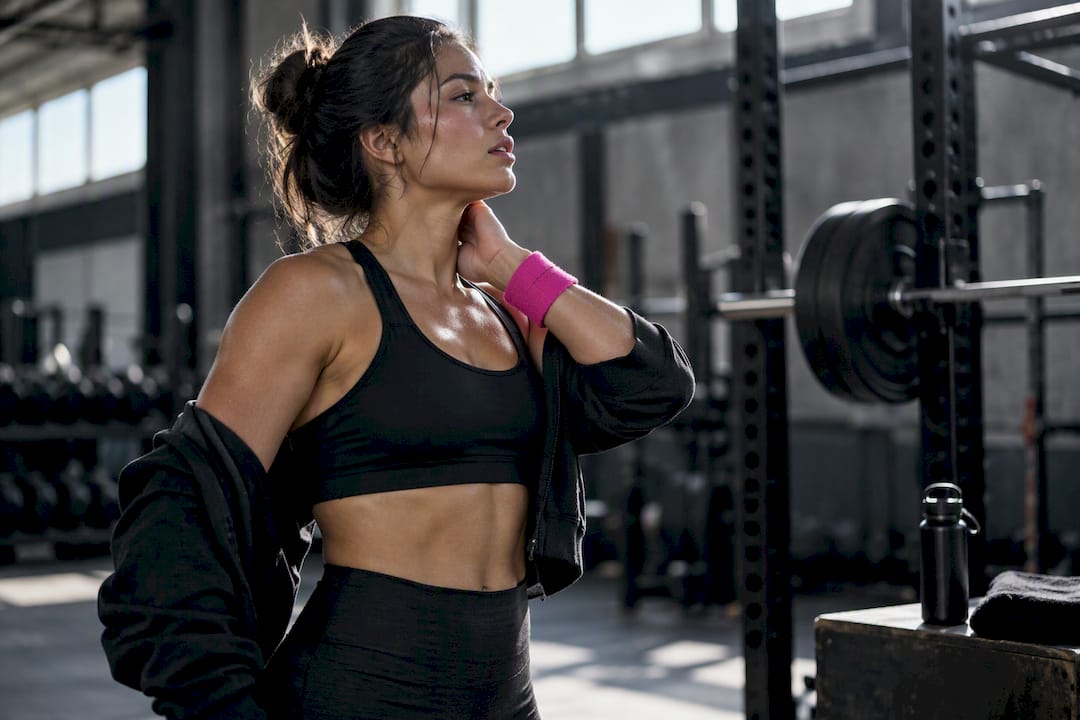
Fabric weight plays into this directly. A heavier cotton hoodie holds more heat and moisture against your skin than a lighter blend, which raises your overheating risk faster in a warm room. Sleeve length and hood size also affect bar path on overhead and pressing movements. A hood that’s too large can shift and block peripheral vision during a squat, which is a mechanical problem before it’s ever a fashion one.
Hoodie or Oversized Tee: Choosing the Right Pump Cover
Both work as a pump cover, but they solve different problems. A lightweight oversized tee ventilates better and dries faster, which makes it the better call for a warm gym, a HIIT class, or anything with a cardio component. A heavier hoodie insulates more effectively, which matters in a cold gym, an unheated garage, or an outdoor session in early spring.
A few practical notes on choosing between them:
- Warm or humid gym: reach for a lighter tee or a lower-GSM hoodie that won’t trap sweat.
- Cold gym or outdoor training: a heavier hoodie holds warmth longer between sets.
- Overhead lifts (press, snatch, jerk): pick a trimmer hood so it doesn’t shift into your eyeline.
- Bench or rowing work: watch sleeve length so cuffs don’t bunch at the elbow.
If you’re deciding between weight classes for cold weather specifically, this breakdown on layering for cold conditions walks through how fabric weight interacts with outdoor temperature.
When to Take Your Pump Cover Off
The simplest cue is temperature, not vanity. Once you’re sweating from the warm-up rather than from the extra layer, it’s time to shed the hoodie before your working sets start. That’s usually somewhere between the end of general warm-up and your first light specific set.
A few environmental and personal factors shift that timing:
- Hot, humid gyms: remove it earlier than you planned, even mid warm-up if needed.
- Cold or outdoor sessions: you can reasonably keep it on a set or two longer.
- Beginners who want extra coverage during unfamiliar movements: keeping it on longer is a reasonable comfort choice, not a mistake.
- Rehab or low-intensity mobility sessions: passive warmth can stay on the whole time since heat buildup is rarely a concern at that intensity.
The “take it off once you’re pumped” line is really just a convention, not a rule. Overheating cues from ACSM should always override any timing you had planned for the reveal.
Warbeard Project’s Take on What Makes a Good Pump Cover Hoodie
Not every oversized hoodie handles a workout well. A garment built for pump-cover use needs a hood that stays put during overhead work, seams that hold up under repeated stretching, and a way to shed it fast between warm-up and working sets. Warbeard Project’s own breakdown of tactical hoodie design covers the features that separate a functional training hoodie from a purely casual one:
- A lower-profile hood that doesn’t shift or block vision during squats and presses.
- Reinforced seams at the shoulder and underarm, the spots that take the most stress during pressing and rowing.
- A zip option for shedding the layer in seconds without breaking your warm-up rhythm.
- A mid-range fabric weight that holds warmth without overheating you halfway through a session.
Those same principles show up across the catalog. The OG Logo All-over Print Unisex Zip Hoodie uses a zip front, which matters most if you’re planning to remove the layer quickly between warm-up and your first working set. The OG Logo Unisex Hoodie is a pullover built with a heavier hand, better suited to cold gyms or outdoor training where you want the layer to stay on a bit longer. The Suck it Up Unisex Hoodie rounds out the lineup as a durable, straightforward pullover for lifters who want a no-frills pump cover with room to move.
A Trainer’s Note on Using Pump Covers the Right Way
The best cold-weather session I’ve watched someone run started with a hoodie on for the full warm-up and came off the second the working sets began, not a rep sooner. That’s the whole method. Preferences vary lifter to lifter, but the overheating cues from ACSM should always win over how long you want to look covered.
— Ian
Gear Up: Warbeard Hoodies Built for the Warm-Up-to-Working-Set Transition
This veteran-owned company donates a portion of every purchase to veteran outreach and mental health programs, so picking a hoodie here does more than solve a wardrobe question.
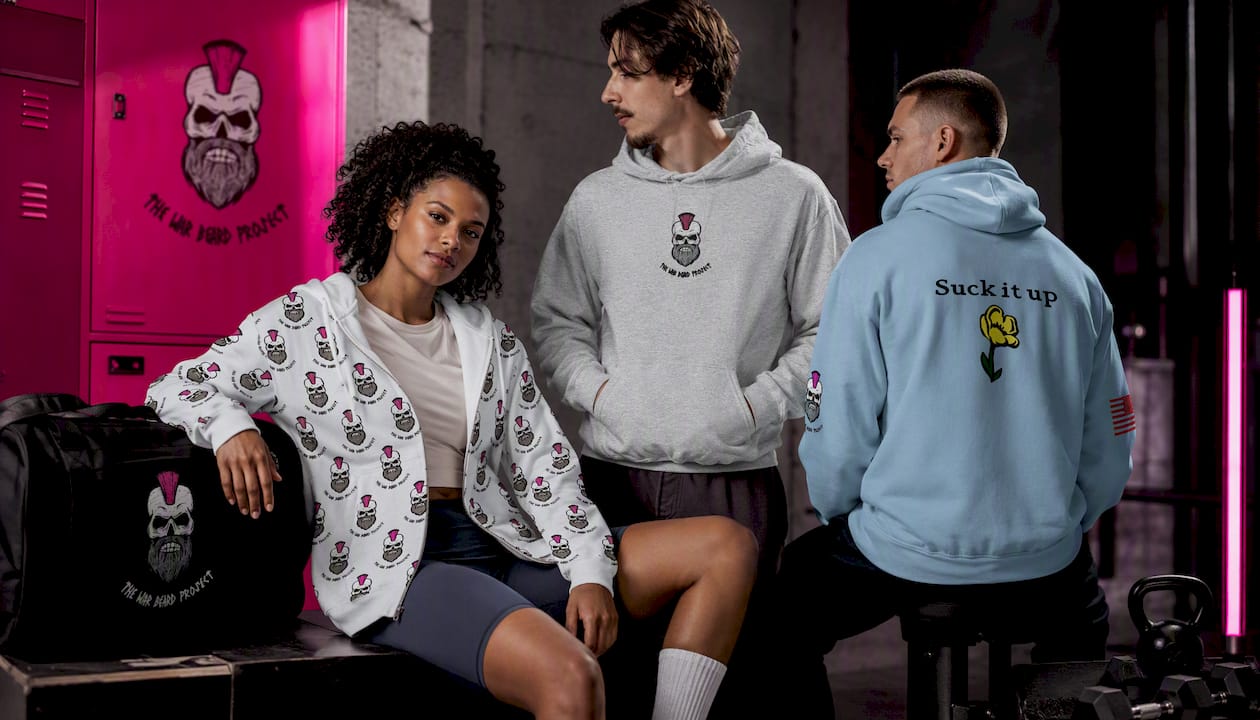
If you want the fastest transition from warm-up to working set, the OG Logo All-over Print Unisex Zip Hoodie unzips in seconds without breaking your rhythm between sets. Training in a colder space where you want the layer to hold heat a little longer? The OG Logo Unisex Hoodie is the heavier pullover built for that. And if you want a straightforward, durable option that handles daily training without fuss, the Suck it Up Unisex Hoodie covers that ground. Browse the full lineup, including tees, active wear, and outerwear, on the Warbeard Project collections page and pick the piece that matches your gym’s temperature and your own training style.
Sources
- ACSM — Exercising in hot and cold environments (2025 guidance)
- ACE — The heat advantage: why muscle temperature matters more than warm-up type (January 2026)
FAQ
What’s the Point of Wearing a Pump Cover?
A pump cover keeps you warm before your working sets and hides muscle definition until you’re ready to reveal it, usually by taking the hoodie off once you’re warmed up. The ACE warm-up guidance notes that raising muscle temperature before lifting can support better technique in cold conditions.
Can Any Oversized Shirt Be a Pump Cover?
Yes, any oversized top works as long as it’s loose enough through the chest and shoulders to allow full range of motion without bunching during pressing, rowing, or squatting. Lighter oversized tees suit warm gyms, while heavier hoodies work better in cold ones.
When Should You Take Off Your Pump Cover?
Remove it once you’re genuinely warmed up and about to start your working sets, not just when you feel like revealing your physique. The ACSM’s guidance on hot and cold training conditions recommends removing excess clothing sooner if you notice dizziness, a racing heart rate, or skin that’s hot and dry.
What Does “Pump” Mean in Gym Slang?
“Pump” refers to the temporary swelling in a muscle right after a set, caused by blood pooling in the tissue you just trained. It fades within an hour or two and reflects short-term blood flow rather than long-term muscle growth.
Does Warbeard Project Sell Pump Cover Hoodies?
Warbeard Project’s catalog includes hoodies like the OG Logo All-over Print Unisex Zip Hoodie, the OG Logo Unisex Hoodie, and the Suck it Up Unisex Hoodie, all suited to layered training wear. Current prices and available sizes are listed on the product pages.