

Veterans: Quarter Zip vs Hoodie, Layering, GSM and What to Wear
Pick a quarter zip when you need something that layers clean under a blazer or field jacket and still looks sharp on its own; pick a hoodie when warmth, comfort, and off-duty ease matter more than polish. Quarter zips win on formality and layering. Hoodies win on insulation and pocket storage. Most closets need both, and the sections below break down exactly when to reach for each.
TL;DR:
- A quarter zip is ideal for layering under structured jackets and for a polished, slim silhouette, especially in formal or business-casual settings.
- Hoodies provide better insulation and casual comfort, with the hood trapping heat and front pockets offering practical storage, making them suited for streetwear and outdoor use.
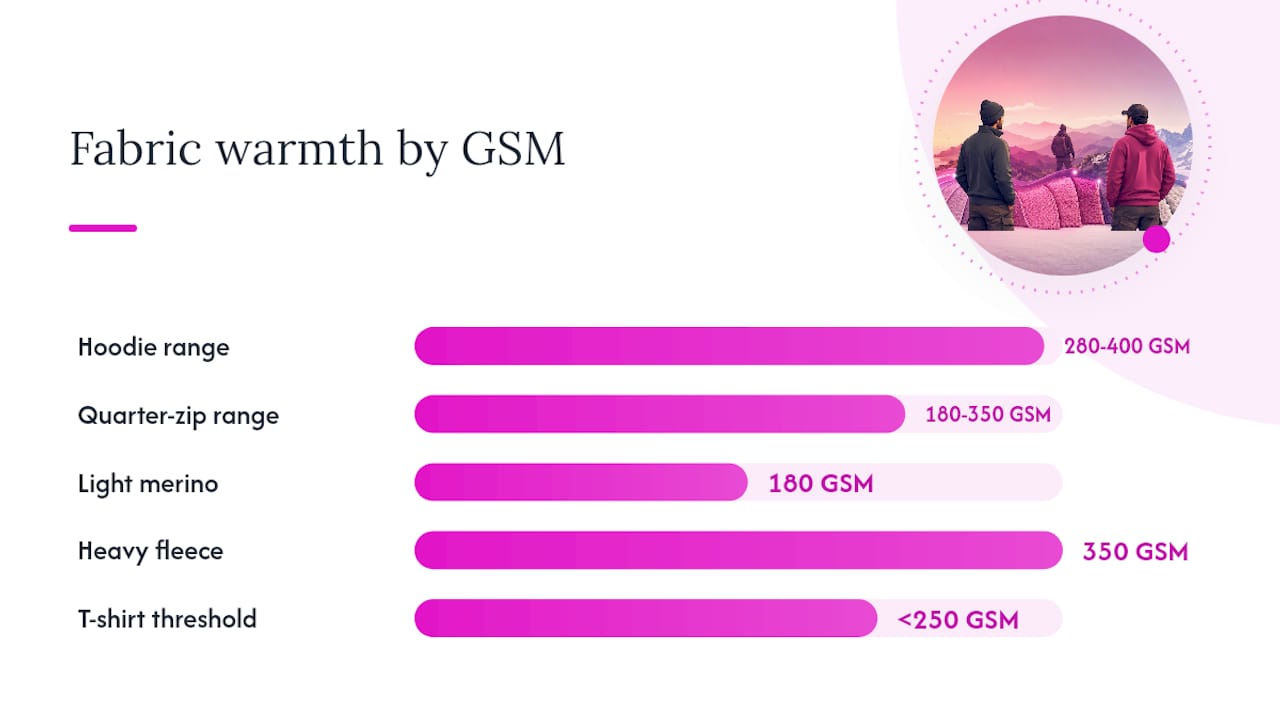
- Fabric weight, measured in GSM, determines warmth more than garment type, with hoodies typically ranging from 280 to 400 GSM and quarter zips from 180 to 350 GSM.
- Quarter zips layer more smoothly under outerwear because they lack a hood, while hoodies tend to add bulk and are less suitable beneath tailored jackets.
- For corporate or team apparel, quarter zips with left-chest embroidery are preferred for a clean, professional appearance.
Table of Contents
- Quarter Zip vs Hoodie: The Design Differences That Actually Matter
- Which Fabric Keeps You Warmer: Quarter Zip or Hoodie?
- How Do You Layer a Quarter Zip or Hoodie Under a Jacket?
- Where Does Each Garment Actually Win: Casual, Travel, or Corporate Wear?
- Quarter Zip vs Hoodie: Pros, Cons, and a Fast Decision Guide
- How to Choose the Right One: Sizing, Fabric, and Buying Tips
- Warbeard Project’s Take on Quarter Zips and Hoodies
- Does the Care Routine Differ Between Quarter Zips and Hoodies?
- Why the Real Debate Isn’t Quarter Zip vs Hoodie at All
- Build Your Rotation With Warbeard Project
- Sources
- FAQ
Quarter Zip vs Hoodie: The Design Differences That Actually Matter
A quarter zip is a pullover with a short front zipper, usually 8 to 12 inches, topped with a folded collar instead of a hood. A hoodie is a sweatshirt built around a hood, a drawstring, and typically a kangaroo pocket across the belly. The names describe function, not the fashion category, and that function drives everything else about how each garment behaves on your body.
The Merriam-Webster definition of a pullover confirms the core distinction: garments in this family go on over the head, and it’s the neckline treatment (collar, hood, or crew) that separates a quarter zip from a hoodie or a plain sweatshirt. That neckline choice cascades into several practical differences:
- Zipper length: Quarter zips run a short zip that opens just enough for ventilation or a peek at what’s underneath, while hoodies are usually zipperless pullovers or feature a full-length zip that opens the whole front.
- Collar vs hood: A quarter zip’s collar sits flat against the neck and adds almost no bulk; a hoodie’s hood bunches fabric across the upper back and shoulders even when it’s down.
- Pockets: Hoodies typically carry a kangaroo pocket built into the front panel; quarter zips more often skip pockets entirely or add slim hand-warmer pockets at the hip.
- Seam and silhouette: Quarter zips tend toward a slimmer, more tailored cut with raglan or set-in sleeves; hoodies run boxier, built for movement and layering over a T-shirt.
- Front branding area: The flat chest panel on a quarter zip gives you a clean spot for a small logo or embroidery; a hoodie’s kangaroo pocket and drawstring break up that same real estate.
The practical effect shows up the moment you put either one on. A quarter zip sits close to the neck and shoulders, which is why it reads as smart-casual even in a plain color. A hoodie adds visible bulk at the back of the neck and the shoulder line, which is exactly what makes it feel relaxed and exactly why it looks less at home next to a collared shirt. Neither trait is a flaw. They’re just built for different jobs.
Which Fabric Keeps You Warmer: Quarter Zip or Hoodie?
Fabric weight, measured in grams per square meter (GSM), tells you more about warmth than the garment name does. Most hoodies run 280 to 400 GSM in a brushed fleece or French terry, while quarter zips span a wider range, from 180 GSM lightweight merino blends up to 350 GSM heavyweight fleece versions built for cold-weather work.
Hoodies generally feel warmer for one structural reason: the hood itself traps a pocket of warm air around your head and neck, and the thicker average GSM adds insulation on top of that. Coverage from a breakdown of hoodie comfort and construction points to both the physical insulation and the psychological effect of the hood acting like a private hood over your head, something that cuts sensory input and makes cold, noisy environments feel more manageable.
Quarter zips take a different approach to warmth, with fabric recommendations and detailed fiber guides helping you choose the right material for your needs as explained in this comfortable fabrics guide. Because there’s no hood to trap heat, the fabric itself has to do more work, which is why you see quarter zips built from denser merino wool, brushed cotton blends, or even cashmere for dress-adjacent versions. Fashion coverage on the quarter-zip’s return to mainstream wardrobes ties this resurgence to shoppers wanting dependable, quietly upscale staples that layer without looking sloppy, a signal that fabric quality matters more than bulk once you move into quarter-zip territory.
Fabric picks by use case:
- Travel: A midweight merino or performance-knit quarter zip packs smaller and manages temperature swings on planes and layovers better than a bulky hoodie.
- Office comfort: A finer-gauge quarter zip in cotton or a wool blend holds its shape through a workday without the slouch of fleece.
- Layering: Thinner French terry hoodies or lightweight quarter zips both work as mid-layers; the choice comes down to whether you need a hood.
- Outdoor and cold-weather use: Heavyweight fleece hoodies at 350 GSM or higher outperform most quarter zips for pure warmth when you’re outside for hours.
Pro Tip: Check the GSM listed on a product page before you buy. Anything under 250 GSM will feel closer to a T-shirt in cold weather, no matter how the garment is styled.
If insulation is the only variable you care about, the hoodie usually wins. If you want warmth without sacrificing a tailored look, a heavier merino or brushed-cotton quarter zip closes most of that gap.
How Do You Layer a Quarter Zip or Hoodie Under a Jacket?
Quarter zips layer better under structured outerwear, full stop. The reason is mechanical, not stylistic: a hood has nowhere to go once you put on a blazer, field jacket, or overcoat, so it either bunches at your collar or forces the outer layer to sit unevenly across your shoulders. A collar, on the other hand, tucks flat and disappears under a jacket lapel.
Trade analysis comparing pullover styles for layering confirms this directly. Guidance on quarter-zip pullovers versus hoodies for layering notes that quarter zips reduce bulk at the neck and shoulders specifically because they skip the hood, which makes them the more reliable mid-layer choice whenever a structured jacket goes on top.
A quick fit checklist before you layer anything:
- Shoulder seam: It should sit right at the edge of your shoulder, not sliding down your arm or riding up toward your neck. A hoodie’s shoulder seam that’s too far forward will bunch visibly under a jacket.
- Sleeve length: Quarter-zip sleeves should end at your wrist bone so cuffs don’t peek out from under a jacket sleeve; hoodie sleeves have more forgiveness since they’re rarely worn under tailored outerwear anyway.
- Torso length: The hem should sit at or just below your waistband. Too long, and it bunches when tucked or layered; too short, and it rides up under a jacket.
- Collar behavior: A quarter zip’s collar should lie flat when zipped halfway, not stand up stiffly or curl at the edges, since that’s what determines whether it disappears under a blazer or peeks out awkwardly.
For outfit-level guidance, a quarter zip under a wool overcoat or a field jacket keeps the whole silhouette clean, since layering advice for cold-weather military-inspired outfits recommends building from a slim base layer outward specifically to avoid the bulk that ruins a jacket’s fit. A hoodie works better under a puffer or an oversized field coat, where the boxier cut and the extra volume of both pieces are already part of the intended look. Trying to force a hoodie under a fitted blazer almost always looks wrong. Trying to force a heavy quarter zip under a slim puffer can look just as off. Match the bulk of your mid-layer to the cut of your outer layer, not the other way around.
Where Does Each Garment Actually Win: Casual, Travel, or Corporate Wear?
Occasion decides more than personal preference does. Here’s how the two garments split across the situations you’ll actually face.
Travel: A quarter zip in a temperature-regulating knit handles the swing from a cold terminal to a warm cabin better than a hoodie, since you can crack the zipper for airflow instead of stripping a whole layer. Field-style guides on quarter zips for practical, everyday wear point to this ventilation control as one of the format’s most underrated advantages for anyone moving between climates in a single day.
Office and corporate-casual: The quarter zip is the safer default here, and it’s not close. Styling coverage on how to wear a quarter zip recommends pairing one over an Oxford shirt with the collar peeking out, a combination that reads smart without requiring a tie. Swap chinos and loafers underneath and you’ve got a full smart-casual outfit built from two pieces.
Weekend and streetwear: Hoodies own this category. A hoodie with joggers and a puffer vest, or a hoodie layered under a Carhartt-style jacket, is the default off-duty uniform for a reason: nothing about it demands effort, and the hood gives you weather protection a collar can’t match.
Outdoor and athletic recovery: Hoodies again, mostly because of pocket storage and hood coverage. Warming up after a workout or standing around a cold trailhead, the extra insulation and the hand-warmer kangaroo pocket both do real work.
Corporate apparel and team orders: Buyers consistently lean toward quarter zips for branded programs. Comparisons of quarter zips against full-zip hoodies for corporate apparel point to the flat chest panel as the reason: left-chest embroidery sits cleanly on a quarter zip in a way it simply can’t on a hoodie’s kangaroo pocket and drawstring.
- Travel: quarter zip, temperature-regulating knit
- Office: quarter zip over an Oxford shirt
- Weekend: hoodie with joggers or denim
- Outdoors/recovery: hoodie with a hood up
- Team or corporate orders: quarter zip with left-chest embroidery
Quarter Zip vs Hoodie: Pros, Cons, and a Fast Decision Guide
Quarter zip pros: cleaner silhouette, better under structured jackets, easier to dress up, ventilation control from the zipper, favored for embroidered corporate branding.
Quarter zip cons: fewer built-in pockets, less warmth without a heavier fabric, no hood for rain or wind protection.
Hoodie pros: maximum casual comfort, hood traps heat and blocks wind, kangaroo pocket for hands or a phone, boxier fit is forgiving across body types.
Hoodie cons: adds bulk under jackets, reads too casual for most office settings, front pocket and drawstring limit clean branding space.
Retailer comparisons summarizing this exact trade-off consistently land on the same split: general comparisons of quarter zips, hoodies, and sweatshirts describe quarter zips as the more polished option and hoodies as the more relaxed one, which lines up with everything above.
Run this three-question flow to pick fast:
- Am I wearing this under a blazer, coat, or structured jacket? If yes, quarter zip.
- Do I need a hood or a front pocket more than I need a clean chest panel? If yes, hoodie.
- Is this for a branded team order? If yes, quarter zip, unless the group specifically wants a casual streetwear look.
Care matters just as much as the initial pick. Zippers on quarter zips need occasional lubrication at the slider and should never be forced when snagged on fabric. Hoodies pill faster around the pocket and cuffs from friction, so washing inside out extends their life noticeably.
How to Choose the Right One: Sizing, Fabric, and Buying Tips
Check three things on any product page before you buy: fabric weight (GSM), zipper or drawstring hardware quality, and where the decoration sits if you’re ordering for a group. A detailed look at hoodie construction for veteran-focused fit walks through why hardware and fabric density affect both comfort and how a garment holds up under repeated wear, and the same scrutiny applies whether you’re buying one hoodie or fifty.
Product-page checklist:
- GSM or fiber content: Look for the actual number, not vague marketing language like “premium fleece.” Anything below 250 GSM will run thin.
- Zipper quality: Metal sliders with a locking mechanism outlast plastic zippers, especially on quarter zips that get zipped and unzipped daily.
- Collar construction: A ribbed or double-layer collar holds its shape through washes better than a single-layer knit.
- Pocket type: Kangaroo pockets on hoodies should have reinforced stitching at the entry points, since that’s where they wear out first.
- Decoration area: For team orders, confirm whether the supplier does left-chest embroidery, full-front prints, or both, since not every blank supports every method.
Sizing runs differently across the two categories. Hoodies typically fit boxier by design, so sizing down often improves the silhouette if you want a less bulky look. Quarter zips fit closer to standard sizing charts, so check the brand’s specific size guide rather than assuming your usual size carries over.
For team or group orders, lead times matter as much as fit. Confirm decoration placement and turnaround before committing to quantities, and lean on suppliers who’ve documented how apparel partnerships get structured for nonprofit and veteran organizations, since group orders carry logistics that single purchases don’t.
Warbeard Project’s Take on Quarter Zips and Hoodies
Some apparel brands build veteran-themed apparel with the assumption that a garment has to work as hard as the person wearing it. That means prioritizing durable zipper hardware, fabric weights that hold up to repeated washing, and branding placement that stays discreet rather than shouting for attention. A comparison of crewnecks and hoodies for a first purchase reflects that same philosophy: pick the garment that matches how you’ll actually use it, not the one that looks best on a hanger.
Ian, who writes on apparel construction and fit for Warbeard Project, approaches quarter zips and hoodies as functional tools first. The mission-driven collections built around veteran solidarity and mental health advocacy carry that same logic through to fabric choice and cut, favoring quiet, durable design over anything flashy. Specific certifications and customer fit data will be added here as they become available.
Does the Care Routine Differ Between Quarter Zips and Hoodies?
Yes, and the differences come down to hardware and surface area. Hoodies have more exposed fabric prone to pilling, especially around the kangaroo pocket and cuffs where friction is constant. Quarter zips have less exposed surface but carry a mechanical part, the zipper, that needs its own attention.
Wash both inside out in cold water to protect the outer fabric and any printed or embroidered branding. Skip fabric softener on fleece hoodies specifically, since it breaks down the brushed fibers that create that soft hand-feel over time. For quarter zips, zip the garment fully before washing so the slider doesn’t catch on the knit and pull threads loose.
Drying is where the two diverge most. Hoodies tolerate a low-heat dryer cycle reasonably well, though air drying preserves the drawstring and pocket stitching longer. Quarter zips, especially merino or wool-blend versions, should air dry flat; heat exposure on wool fibers causes shrinkage that a cotton hoodie won’t experience nearly as badly.
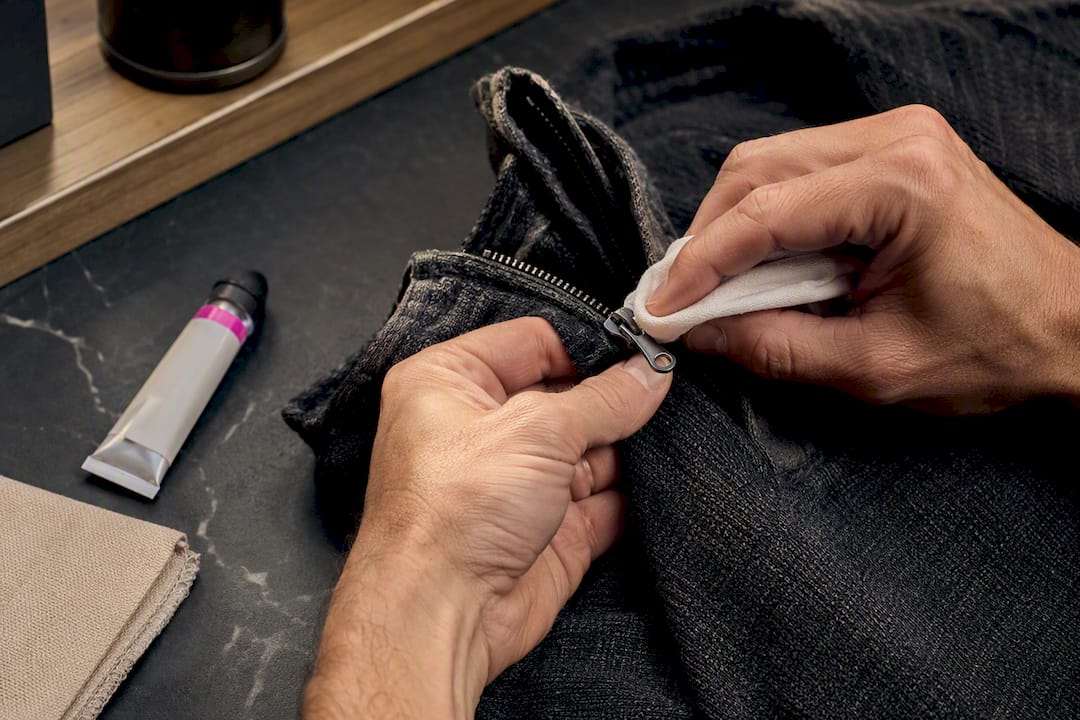
Zipper maintenance is the one care step hoodies skip entirely. A dry cloth wipe on the slider every few months, plus a drop of zipper lubricant if it starts sticking, adds real years to a quarter zip’s usable life. Neglect that and the zipper, not the fabric, becomes the reason the garment gets retired early.
Why the Real Debate Isn’t Quarter Zip vs Hoodie at All
The conventional wisdom treats this as an either/or choice, and that’s the wrong frame. The actual question is whether you’re buying for a single occasion or building a wardrobe that has to flex across a workweek, a flight, and a weekend hike. Most people who ask “quarter zip or hoodie” really need both, sized correctly and in the right fabric weight, not a single winner.
What’s underrated in most advice on this topic is the zipper itself. Reviewers obsess over hood shape and fabric softness but rarely mention that a cheap zipper slider is the single most common failure point on a quarter zip. Check that before fabric weight, not after.
If you take one thing from this guide, prioritize fit over fabric name. A well-fitted midweight hoodie will outperform a boxy, mismatched quarter zip in almost every practical sense, corporate settings included. Get the shoulder seam and torso length right first. Everything else is secondary.
— Ian
Build Your Rotation With Warbeard Project
Whichever you land on, a quarter zip or a hoodie only works as hard as the layers underneath it. Warbeard Project fills that gap with everyday base pieces built specifically for veterans and supporters who want function without noise.
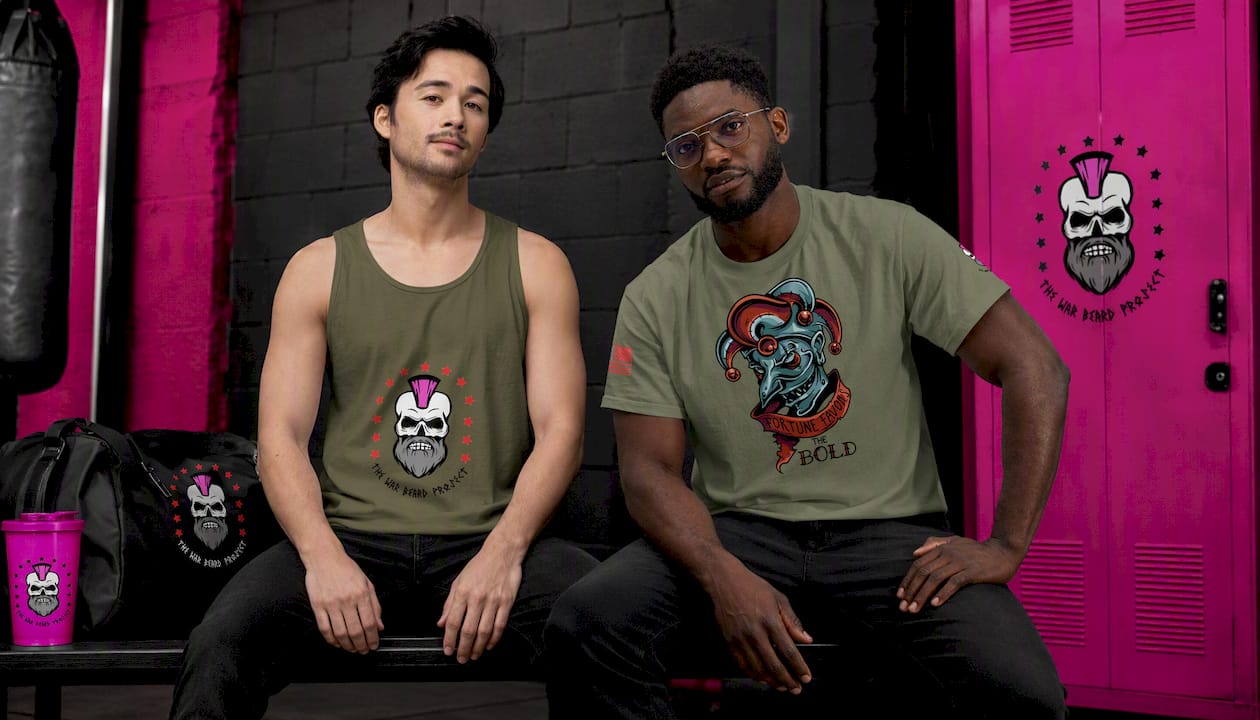
The Men’s Logo Stars Premium Tank top works as a light base layer under a quarter zip on warmer days, or on its own once the temperature climbs. The Fortune Favors Unisex classic tee pairs equally well under a hoodie for cold-weather layering or worn solo with the quarter zip tied around your waist for travel days. Both pieces are built from the same durability-first thinking that runs through the rest of the collection, and a portion of every sale supports veteran outreach programs.
Browse the full lineup and find the base layer that fits your rotation at Warbeard Project.
Sources
- How to wear the quarter-zip — The Manual
- Quarter-zip sweater trend coverage — The Guardian
- 1/4 Zip Pullover vs Sweatshirt, Hoodie & Full-Zip Guide — Qiandao Apparel
FAQ
Are quarter zips outdated?
No. Fashion press has tracked a clear resurgence, with the quarter-zip’s return to mainstream style tied directly to demand for dependable, quietly polished layering pieces.
What is so special about quarter zips?
Their short front zip and flat collar let them layer under structured jackets without adding bulk, which is why they’ve become a go-to for both smart-casual outfits and corporate apparel programs.
Why do Gen Z wear hoodies?
Hoodies deliver casual comfort, built-in warmth from the hood, and a kangaroo pocket for storage, all in one relaxed silhouette that fits streetwear and off-duty style without any effort.
Are zip-up hoodies better than hoodies?
Neither is universally “better.” A zip-up hoodie adds ventilation control a pullover hoodie lacks, but it still carries the same hood bulk that makes it a poor choice under structured jackets, where a true quarter zip performs better.
Should I choose a quarter zip or a hoodie for a team order?
Choose a quarter zip if you want clean left-chest embroidery and a professional look, since its flat chest panel decorates far more cleanly than a hoodie’s pocket and drawstring, as guidance on corporate apparel choices confirms.