

How Veterans Read the Thin Green Line in the U.S.
The Thin Green Line represents military service members, Border Patrol agents, park rangers, and other federal or conservation personnel who stand as a small, protective barrier against disorder. The exact meaning shifts depending on who is flying it and where. For most Americans who display it, the flag and matching apparel signal solidarity, remembrance, or respect for people who work in dangerous, uniformed roles.
TL;DR:
- The Thin Green Line primarily supports military service members, Border Patrol agents, and conservation personnel, but its meaning varies by context and user.
- It originated from broader thin-line symbols, with green specifically linking to military roles and federal enforcement, as well as environmental protection efforts.
- Civilian supporters wear or display the symbol to show support for loved ones in protective roles, but their intent differs from professionals who claim specific duty or agency affiliation.
- Proper display and usage are essential, including following flag etiquette, reserving memorial contexts for genuine tributes, and avoiding politicization of the symbol.
- Because the symbol’s meaning can be ambiguous, identifying accompanying context such as uniforms or event signs prevents misinterpretation.
Table of Contents
- The Meaning Behind the Thin Green Line Today
- Where the Thin-Line Symbol Came From
- Who the Thin Green Line Represents
- Design, Symbolism, and Why the Flag Sparks Debate
- How to Display the Thin Green Line Respectfully
- Why This Explanation Comes From Warbeard Project
- What This Symbol Means to Us
- Wear the Thin Green Line With the Story Behind It
- Sources
The Meaning Behind the Thin Green Line Today
The green stripe on a black and white American flag rarely means just one thing. It has become an umbrella symbol, and which group it points to often depends on the community flying it.
Operation Military Kids notes that the Thin Green Line commonly signals support for military personnel and federal agents, including Border Patrol, park rangers, and conservation officers. That range is wider than most people expect from a single design.
The groups most often honored by the green stripe include:
- U.S. Army and broader military service members, active duty and veteran
- U.S. Border Patrol and other federal law enforcement agents
- National and state park rangers
- Conservation officers and game wardens
- Fish and wildlife personnel working protective or enforcement roles
There’s a meaningful split in how the flag gets used. Uniformed personnel and their departments sometimes fly it as a mark of identification, tied to a specific job or agency. Civilians, spouses, parents, and supporters fly it differently, as a public statement of solidarity rather than a claim to any particular role.
That overlap creates some genuine ambiguity. A green-striped flag outside a home near a national forest might honor a park ranger in the family. The same flag at a Veterans Day event more likely points to military service. Context does most of the interpretive work, which is part of why this symbol invites more questions than the Thin Blue Line does.
Where the Thin-Line Symbol Came From
The Thin Green Line didn’t appear on its own. It’s the newest branch of a symbolic family tree that started with a much older phrase.
- The Thin Red Line comes first. The metaphor traces back to 19th-century military imagery, describing a small, undermanned unit holding a defensive position against a much larger force.
- The Thin Blue Line adapts the concept for law enforcement. Police departments and supporters adopted the black and white flag with a blue stripe to represent officers as the line between the public and lawlessness.
- Federal agencies and military roles claim green. According to EM Flag, the thin-line family assigns specific colors to specific professions, and green became tied to military service and federal agents, partly because many federal uniforms already use green tones.
- Environmental and ranger communities add another layer. The phrase also became the name of a documentary and advocacy foundation. Wikipedia’s entry on The Thin Green Line documents how the project highlighted park rangers worldwide and the risks they face protecting wildlife and land.
- Apparel and flag makers broaden the symbol further. As more professions adopted thin-line branding, the imagery spread from flags into patches, decals, and clothing, and the meaning diffused along with it.
That diffusion is worth sitting with. EM Flag’s own analysis points out that the broadening of thin-line symbolism across professions has diluted its specificity over time. A symbol that once had one clear referent now needs context to interpret correctly, which is exactly why so many people search for a plain explanation of what the Thin Green Line actually stands for.
Who the Thin Green Line Represents
If you’re trying to figure out who a specific green-striped flag or shirt is honoring, start with these groups. They cover the vast majority of real-world usage in the United States.
- U.S. Border Patrol and federal agents. Federal law enforcement roles are a primary reference point, and the Thin Green Line FAQ documents this usage alongside several others, noting that meaning can vary by region.
- U.S. Army and broader military service. Active duty troops and veterans across branches are commonly included, especially in apparel sold through veteran-focused brands.
- Park rangers, game wardens, and conservation officers. This is the reading most tied to the Thin Green Line documentary and foundation, which put a global spotlight on rangers who face real physical danger protecting wildlife.
- Fish and wildlife personnel. Officers enforcing conservation law fall into the same protective category as rangers and wardens.
- Civilian supporters and military families. Spouses, parents, and friends often wear or fly the symbol not to claim a job, but to show they stand behind someone who holds one.
That last group uses the symbol differently than the professionals themselves. A ranger wearing a green-line patch on a uniform is stating a fact about their job. A spouse wearing a green-line shirt to a community fundraiser is making a statement about who they love and support. Both are legitimate, but they carry different weight, and conflating them is where most of the confusion around this flag starts.
Design, Symbolism, and Why the Flag Sparks Debate
The visual logic of the Thin Green Line is deliberate. Most versions strip the American flag down to black and white, then isolate a single colored stripe. AmericanFlags.com explains that this design choice is meant to center attention on the colored line as the barrier between order and chaos, rather than letting the full-color flag’s other elements compete for the viewer’s eye.
The word “thin” is doing real work here too. It’s a reminder that the number of people in these protective roles, whether military units, Border Patrol agents, or park rangers, is small relative to the scale of what they’re guarding. Wikipedia’s documentation of the Thin Green Line documentary reinforces this: the project drew attention to how few rangers exist worldwide relative to the land and wildlife they protect, often at serious personal risk.
A polarized but functional symbol: despite the disagreement over what thin-line flags represent, their primary function in most communities is tribute, not provocation, even when outside observers read the imagery differently.
Not everyone reads these flags the same way, and that’s worth being honest about. Thin-line flags in general have become politically loaded in some circles, mostly because of how the Thin Blue Line version has been used at protests and rallies unrelated to policing. The green version hasn’t drawn nearly as much controversy, but it can still get lumped into that broader skepticism by people unfamiliar with its military and conservation roots.
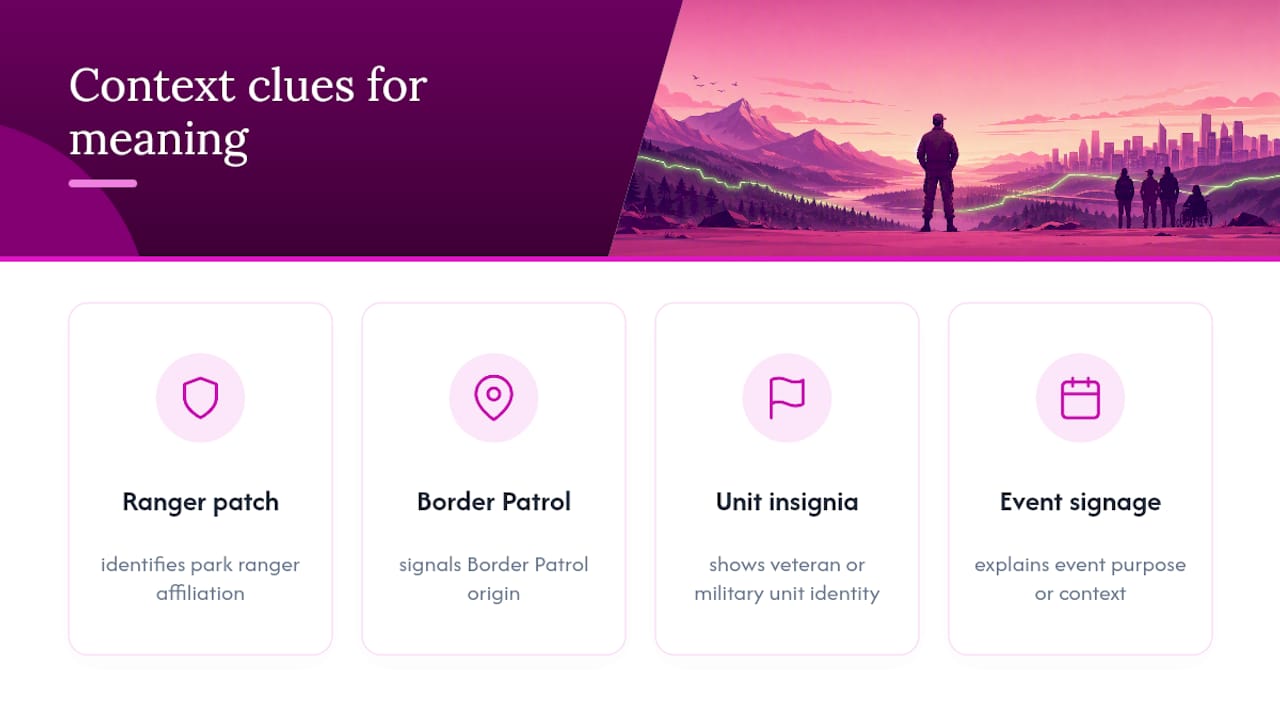
Pro Tip: If you’re unsure what a specific green-line flag or shirt means in context, look for accompanying details. A ranger patch, a Border Patrol logo, a veteran’s unit insignia, or event signage will almost always tell you more than the stripe alone.
How to Display the Thin Green Line Respectfully
Whether you’re flying the flag at home or wearing it to a public event, a few practices keep the symbol meaningful instead of confusing.
- Display flags with standard U.S. flag protocol in mind. If you’re flying a green-line version alongside the actual American flag, the national flag should hold the position of highest honor, per long-standing flag etiquette.
- Reserve memorial contexts for genuine tributes. Wearing Thin Green Line apparel at a memorial service, Veterans Day ceremony, or ranger fundraiser fits the symbol’s original intent.
- Pair the symbol with context when possible. A shirt referencing a specific branch, unit, or agency avoids the ambiguity that comes with the stripe alone.
- Avoid using it as a generic political statement. Flag makers like Flagmaker & Print describe the green stripe as honoring commitment and sacrifice, not a stand-in for unrelated causes.
- Check faded or damaged flags. Standard flag-retirement guidance applies here just as it does to any American flag variant, including POW/MIA display standards.
Why This Explanation Comes From Warbeard Project
Warbeard Project writes about veteran symbolism because the community it serves lives with these symbols daily, not as abstractions. Ian, who covers veteran lifestyle topics for the brand, focuses on getting the history and current usage of military and first-responder symbols right, rather than repeating whatever version spreads fastest online.
This piece draws on documented sources rather than assumption, and it sits alongside related coverage on:
- Gold Star family meaning and who qualifies
- POW/MIA symbol history and display law
- Why veterans embrace brotherhood symbols
Symbols like the Thin Green Line only hold meaning when the people using them understand what they’re actually saying. That’s the standard this article was held to.
What This Symbol Means to Us
Symbols carry weight for veterans because so much of service goes unspoken. A stripe on a flag or a shirt can say what a conversation sometimes can’t: that the work mattered, that the risk was real, that someone is still standing behind you. Wearing that symbol respectfully, with the right context, is one of the simplest ways a family member or supporter can show that connection without needing the words.
— Ian
Wear the Thin Green Line With the Story Behind It
Apparel brands create products that carry the actual weight of these symbols, not a stripped-down version stripped of context. Unlike generic flag shops that sell the stripe alone, some apparel comes from veteran-run brands where a portion of sales goes toward veteran support programs.
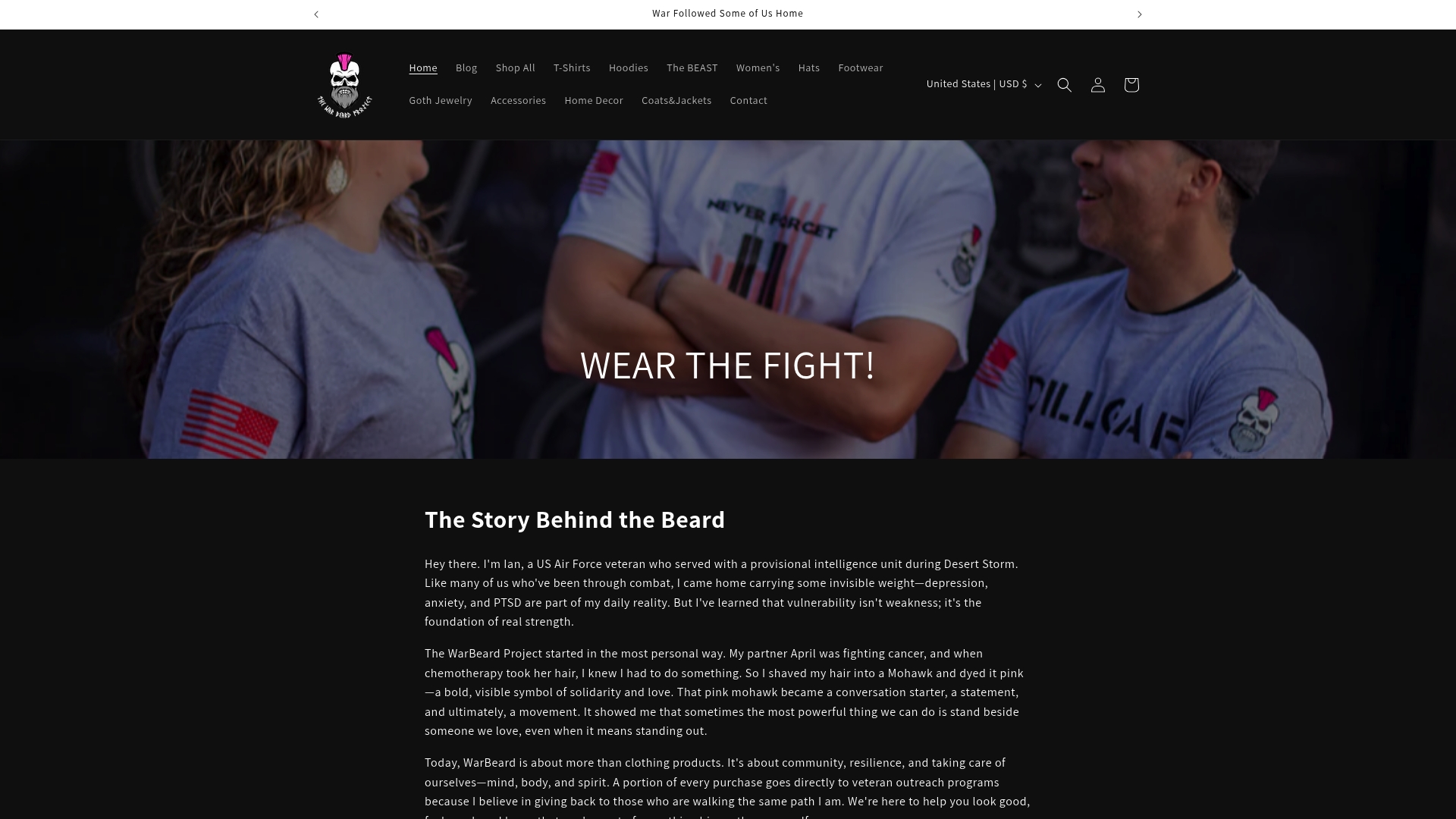
The VietNam Classic tee works for readers looking to honor a specific era of service, while the Special Edition VAWP2607 Unisex classic tee offers a broader tribute piece for anyone who wants to show support without narrowing to one branch or role. For families thinking about mental health awareness alongside their support for service members, the PTSD classic tee puts that conversation on the front of the shirt instead of leaving it unspoken.
Comfort matters too, and the OG Logo Women’s pajama shorts and matching OG Logo Women’s pajama pants bring that same identity home for everyday wear. For readers who want something with more bite, the Eat a D… Men’s classic tee delivers the blunt, unapologetic humor a lot of veteran households already run on.
Sizing charts are listed on each product page, and every order supports the brand’s ongoing donations to veteran outreach work. Browse the full collection at Warbeard Project and find the piece that fits how you want to show up for the people who wear the Thin Green Line for real.
Sources
- American Flag with Green Stripe Meaning: Thin Green Line
- What Do All The Thin Line Flags Stand For? - EM Flag
- The Thin Green Line — Wikipedia
- Americanflags