

Title 9 Clothing: Veteran-Themed Apparel Guide
“Title 9 clothing” in this context means veteran-themed apparel and lifestyle accessories, not the women’s athletic brand that dominates most search results for this phrase. If you came here looking for mission-driven gear that honors military service, you are in the right place. Warbeardproject is a direct, recommended source.
Where to shop:
- Direct-to-consumer veteran brands with transparent donation practices
- Veteran-owned or veteran-staffed online storefronts
- Mission-driven collections that name their charity partners publicly
- Warbeardproject’s collections, which cover women’s wear, activewear, tees, hats, and accessories
Table of Contents
- What does “title 9 clothing” actually mean here?
- Why veteran-themed clothing carries real weight
- What product types fall under veteran-themed apparel?
- How do you choose respectful, authentic veteran-themed apparel?
- Sizing, materials, care, and returns: what to check before you buy
- Styling ideas for veterans and supporters
- Gift ideas for veterans: what to buy and when
- How to vet a brand’s impact claims
- How to spot counterfeit or exploitative veteran apparel
- Key Takeaways
- Why authenticity in veteran apparel is harder to fake than it looks
- Warbeardproject: veteran apparel with a clear mission
- Sources and further reading
What does “title 9 clothing” actually mean here?
The phrase “title 9 clothing” is an informal search term used by veterans, active-duty service members, and supporters looking for veteran-themed apparel. It covers t-shirts, hoodies, hats, activewear, women’s cuts, patches, accessories, and home goods built around military identity and service values.
This article does not cover Title Nine, the women’s outdoor and athletic brand. That brand sells sports bras and activewear for a general consumer audience. The two subjects share a phonetic similarity and nothing else. Every product, brand, and recommendation below is about veteran-themed apparel only.
That distinction matters because search results for this phrase return the wrong category most of the time. Knowing the difference saves you from landing on a product page that has no connection to military service.
Why veteran-themed clothing carries real weight
Veteran apparel functions as identity expression and community-building, not just style. Research published by TechBullion frames the category as “storytelling through textiles”: purpose-driven designs connect veterans with civilians and convert a retail transaction into a shared value statement.
The psychological dimension is more complex. A PLOS One study found that symbolic recognition, including decorations and public praise, can either ease or worsen moral injury depending on whether veterans perceive it as authentic. The same logic applies to apparel. Performative slogans or hollow “hero” branding can feel alienating to the people the clothing claims to honor.
What product types fall under veteran-themed apparel?
The category spans a wide range of items. Here is what buyers typically find:
- Graphic tees: The most common entry point. Look for pre-shrunk cotton or cotton-poly blends, screen-printed or embroidered graphics, and military branch or unit motifs.
- Hoodies and sweatshirts: Heavier-weight fleece options for cold-weather wear or casual layering. Reinforced seams and double-stitched hems signal durability.
- Hats: Structured and unstructured caps with embroidered patches or branch insignia. Adjustable fits accommodate most head sizes.
- Activewear: Performance tees, yoga leggings, and training shorts built with moisture-wicking fabrics for gym or outdoor use. Women’s cuts are increasingly standard in this segment.
- Patches and accessories: Morale patches, lanyards, and keychains for low-cost, high-meaning additions to any kit.
- Home goods and electronics accessories: Mugs, phone cases, and similar items that extend the brand into everyday spaces.
Veteran apparel has shifted from surplus-store basics to purpose-built garments that balance performance and style across gym, outdoor, and casual contexts.
How do you choose respectful, authentic veteran-themed apparel?
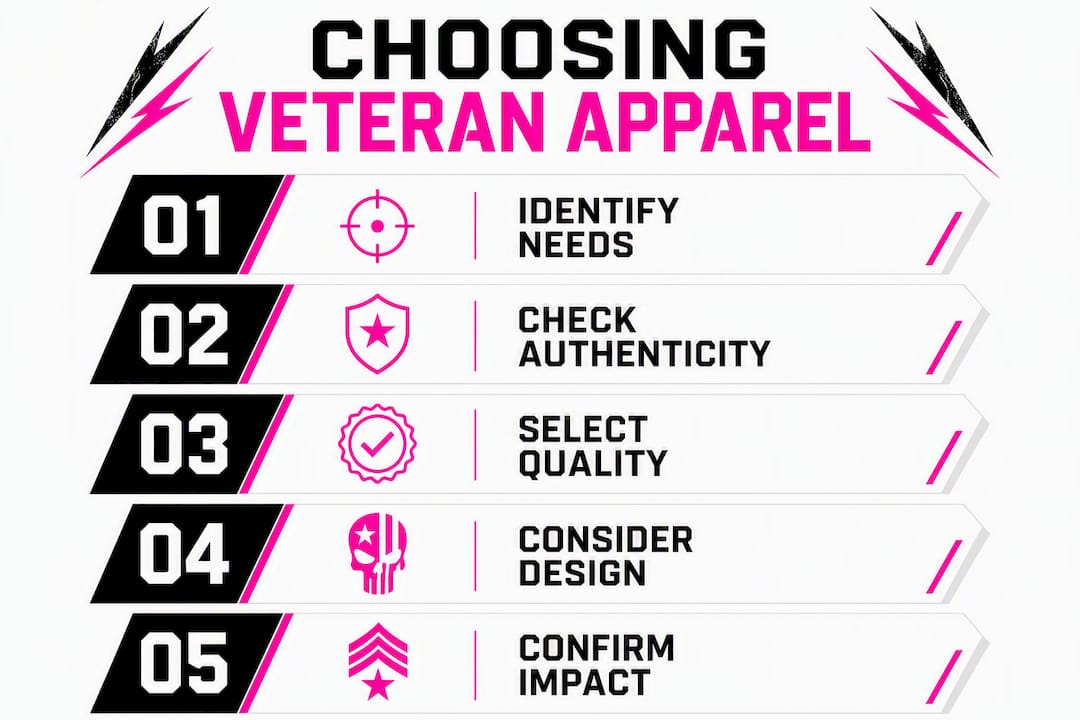
Prioritize veteran-owned or veteran-staffed brands with named charity partners and a stated, recurring donation schedule. Those three criteria separate mission-driven brands from purely aesthetic ones.
Verification steps:
- Read the brand’s “About” page for ownership and staffing disclosures.
- Confirm the donation percentage and whether it recurs per sale or is a one-time pledge.
- Check for named veteran or mental-health organizations as partners, not vague “we give back” language.
- Read verified customer reviews for product quality and fulfillment reliability.
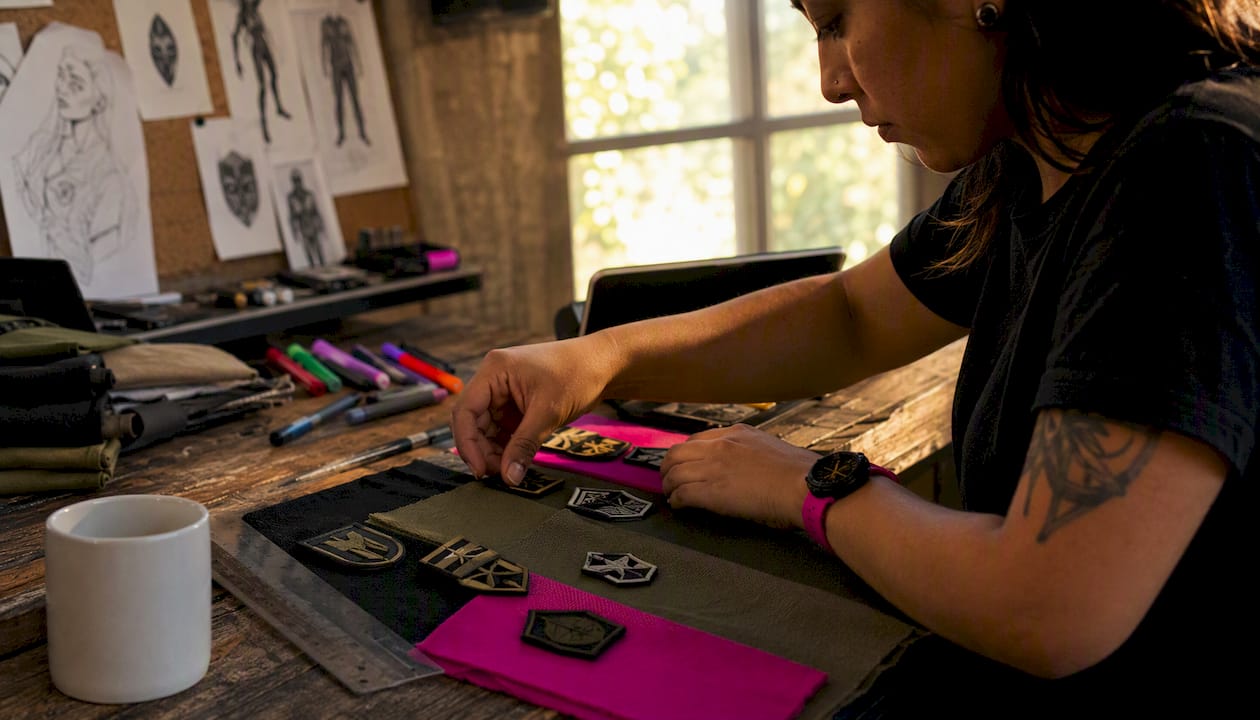
On design: subtle, service-relevant motifs such as distressed stars, unit nods, and morale patches tend to read as more authentic than heavy-handed slogans. Be cautious with items that claim specific medals, awards, or unit designations unless the recipient actually earned them.
Pro Tip: Before ordering, contact customer support directly to ask about fabric weight, fiber content, and fit. Size charts for veteran brands sometimes follow military sizing conventions that run differently from standard US retail.
Sizing, materials, care, and returns: what to check before you buy
Always confirm three things before checkout: the size guide, the fabric content, and the return window.
- Size guide: Military-fit garments often run slimmer through the shoulders and chest than standard retail. Check measurements in inches, not just S/M/L labels.
- Fabric content: Cotton (6–7 oz) is standard for casual tees. Performance activewear typically uses polyester or poly-spandex blends for stretch and moisture management. Comfort and fit priorities differ significantly between casual and active use.
- Care: Most printed tees require cold wash and tumble dry low to preserve graphics. Performance fabrics should skip fabric softener, which degrades moisture-wicking properties.
- Returns: Reputable veteran brands typically offer a 30-day return window for unworn, unaltered items. Confirm whether final-sale or custom-embroidered items are excluded.
- Shipping: Standard US ground shipping runs 5–7 business days for most e-commerce orders. Custom or embroidered items add production time.
Styling ideas for veterans and supporters
Veteran apparel works across contexts when you match the motif intensity to the setting. A subtle patch tee layered under a denim or field jacket reads as casual and understated at a civilian workplace or weekend outing. Performance tees and yoga leggings with minimal graphic elements move directly from gym to errands without looking out of place.
For memorial events or Veterans Day gatherings, bolder graphics and branch-specific designs are appropriate and expected. Hats with embroidered insignia pair well with almost any casual outfit and add a clear identity signal without requiring a full branded look. Military humor in apparel works in the right company but reads poorly in formal or mixed civilian settings. Know your audience before reaching for the irreverent graphic tee.
Gift ideas for veterans: what to buy and when
Choose purpose-driven, quality pieces for milestone occasions. Choose subtle, practical items for casual appreciation.
- Veterans Day: A branch-specific hoodie or structured cap with embroidered insignia.
- Retirement or ETS: A commemorative tee or custom-embroidered item tied to their unit or MOS. Allow extra lead time for embroidery and verify all personalization details before submitting the order.
- Homecoming: Comfortable, casual pieces such as a soft graphic tee or performance hoodie that prioritize wearability after a long deployment.
- Birthdays: Accessories (patches, hats, mugs) work well when you are uncertain about clothing size.
- Recovery or rehab support: Comfortable, loose-fit items in neutral colors with low-key motifs. Avoid anything that references combat directly.
Confirm return policies before gifting. Most veteran brands exclude custom or embroidered items from standard returns, so double-check personalization before finalizing.
How to vet a brand’s impact claims
Look for three specific signals: a named partner organization, a stated percentage of sales, and a recurring donation schedule. Brands that publish structured donations and direct-distribution programs are more credible than those with vague philanthropic language.
Verification checklist:
- Public impact reports or financial disclosures from the brand
- Named third-party veteran or mental-health organizations (not anonymous “charities”)
- Veteran-owned or veteran-staffed declarations with verifiable details
- Documented clothing donation programs or direct outreach initiatives
Red flags: “we give back” with no named partner, one-time donation claims without a traceable record, or benefit language that changes between product pages. Nonprofit apparel partnerships that name specific organizations and publish donation cadences are the standard to hold all brands to.
How to spot counterfeit or exploitative veteran apparel
Counterfeit and exploitative veteran apparel is a real problem. Products that misuse military insignia, claim unauthorized unit affiliations, or appropriate Medal of Honor and other protected symbols without authorization are both disrespectful and, in some cases, legally problematic under the Stolen Valor Act.
Verification steps:
- Buy directly from the brand’s official website or a vetted retailer, not third-party marketplace listings with no seller history.
- Check that graphics do not reproduce official military seals or classified insignia, which are federally protected.
- Confirm the brand has a physical or verifiable digital presence, not just a generic Shopify storefront with no “About” page.
- Search the brand name alongside “veteran-owned” or “donation” to find independent coverage, not just the brand’s own claims.
Exploitative brands typically have no named staff, no verifiable charity partners, and pricing that undercuts the market significantly. If the price looks too low for the claimed quality and mission, treat it as a warning sign.
Key Takeaways
Mission-driven veteran apparel requires verified donation transparency, named charity partners, and authentic design to deliver real value beyond aesthetics.
| Point | Details |
|---|---|
| Define the term correctly | “Title 9 clothing” here means veteran-themed apparel, not the unrelated women’s athletic brand. |
| Vet before you buy | Confirm veteran ownership, named charity partners, and a recurring donation percentage before purchasing. |
| Check specs and sizing | Military fits run differently from standard retail; always consult the brand’s size guide and fabric specs. |
| Gift with lead time | Custom or embroidered items need extra production time; verify all personalization details before ordering. |
| Warbeardproject | Offers mission-driven collections including women’s wear, activewear, tees, and accessories with transparent impact practices. |
Why authenticity in veteran apparel is harder to fake than it looks
The veteran apparel market has grown fast enough that purely aesthetic brands now outnumber mission-driven ones. Most buyers cannot tell the difference from a product photo. The real signal is not the graphic on the shirt. It is the structure behind the brand: who owns it, who staffs it, which organizations receive donations, and whether those donations recur per sale or were a one-time press release.
Brands that center lived veteran experience tend to make different design choices. They favor subtle unit references and value-based motifs over broad “hero” branding because the people wearing the gear know the difference. A veteran who served in a specific unit does not need a shirt that says “HERO.” They want something that signals shared experience to the people who would recognize it.
The purchase decision, then, is less about the garment and more about the brand behind it. Spend two minutes on the “About” page. If it does not name the founders, the staff, the charity partners, and the donation structure, that absence is the answer.
Warbeardproject: veteran apparel with a clear mission
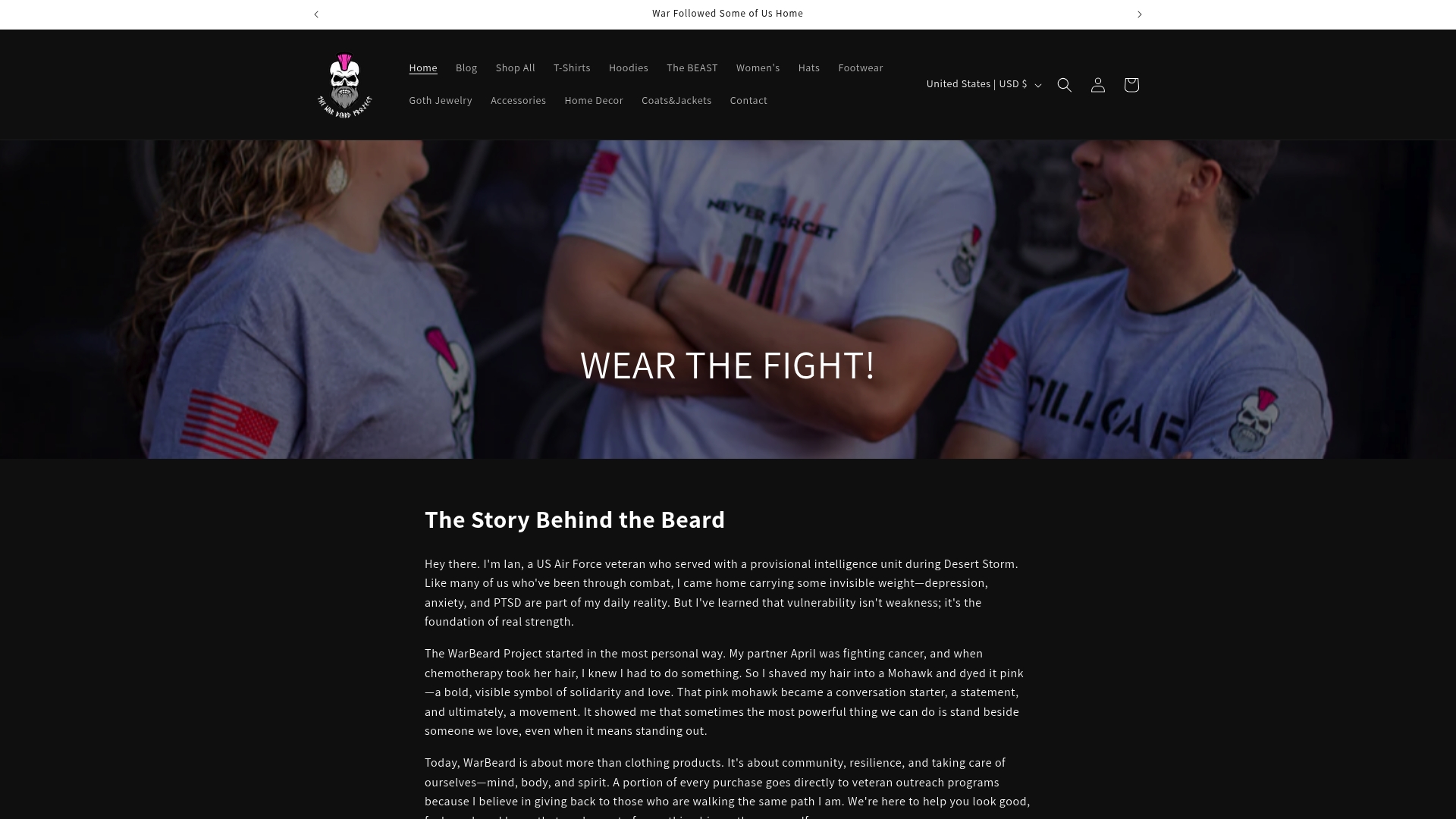
Warbeardproject sells curated veteran-themed apparel built for the military community, not the general consumer market. The product range covers women’s wear, activewear, graphic tees, hats, accessories, and home goods, all designed around military identity and service values. The New Logo Yoga Leggings are a direct example: women’s activewear built for performance with veteran-community design, not a generic athletic label with a flag slapped on it.
A percentage of each sale goes to veteran support programs. Donation details and partner organizations are listed on product pages. The brand is veteran-staffed and operates as a direct-to-consumer storefront, so there is no intermediary markup between the mission and the purchase.
Check the size guides and product specs on each item page before ordering. For questions about fabric content or fit, contact Warbeardproject directly through the site.
Sources and further reading
- Types of decorations, their social meaning and influence on moral injury — PLOS One; supports psychological nuance around symbolic recognition