

What Is the Veteran Pride Clothing Movement?
The veteran pride clothing movement is a cultural shift where apparel serves as a direct expression of military service, identity, and values beyond the traditional uniform. This movement grew significantly after the Gulf War, when veterans returning to civilian life needed a visible way to carry their identity forward. Veteran pride apparel functions as a new uniform, one that bridges the gap between military culture and everyday civilian life. The meaning of veteran pride, expressed through clothing, centers on values like loyalty, discipline, and sacrifice. Understanding what is veteran pride clothing movement means recognizing it as advocacy, community, and identity all stitched into a single garment.
What is the veteran pride clothing movement and why does it matter?
The veteran pride clothing movement is defined as a social and cultural phenomenon where apparel communicates military service, shared values, and community belonging. It is not a fashion trend. It is a structured response to the identity gap many veterans face when they leave active duty. Veterans transitioning to civilian life often lose the visible markers of their service. Clothing fills that gap by making service visible without requiring a uniform.
The movement connects veterans to one another and signals their values to civilians. Brands operating within this space, including Warbeardproject, build their entire model around that connection. The apparel carries weight that generic clothing does not. A shirt bearing a unit insignia or a patriotic motto communicates an entire history in seconds.
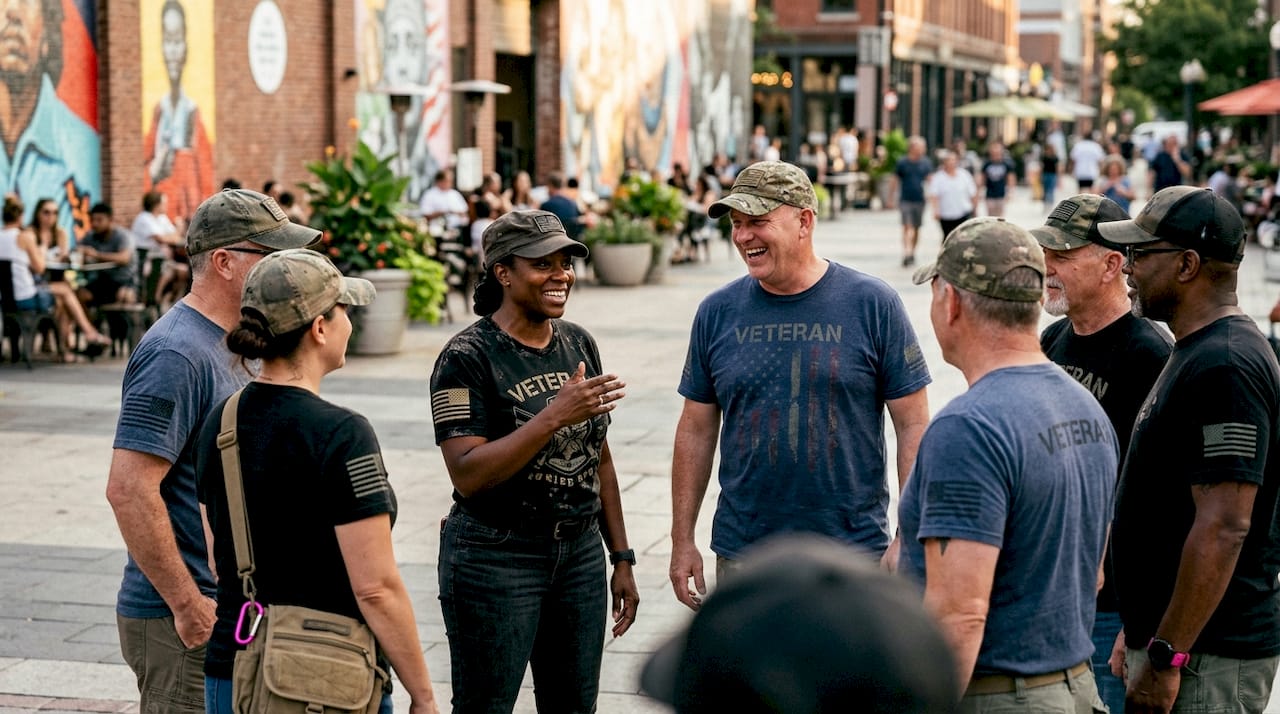
National holidays amplify the movement’s visibility. Veterans Day, Memorial Day, and Independence Day are the three dates when veteran apparel peaks publicly. Outside those dates, many veterans prefer a lower profile. That pattern reveals something important: the movement is not about constant display. It is about purposeful expression at the right moment.
What symbolism and values are expressed through veteran pride apparel?
Veteran pride apparel communicates identity through specific visual and textual elements that civilians may not immediately decode. The American flag, unit insignias, branch seals, and patriotic mottos each carry precise meaning. They are not decorative. They are storytelling through textiles, a shorthand language shared among those who served.
The core values expressed through veteran apparel include:
- Discipline: Apparel designs often reflect the structured, no-excess aesthetic of military culture.
- Perseverance: Slogans referencing endurance, mission completion, and resilience appear across veteran clothing lines.
- Loyalty: Unit references and branch insignias signal commitment to a specific group, not just the military broadly.
- Community: Wearing veteran apparel publicly identifies the wearer as part of a defined community with shared experience.
- Sacrifice: Imagery referencing fallen service members, POW/MIA symbols, and memorial motifs honors those who did not return.
Authenticity separates genuine veteran apparel from imitation. Veterans quickly reject designs that misuse military symbols or rely on shallow “tacticool” aesthetics with no real connection to service. A design that looks tactical but carries no cultural accuracy reads as disrespectful to those who know the difference. Quality construction and genuine military experience underpin what the veteran community accepts.
Pro Tip: When evaluating veteran apparel, look for brands that name their charitable partners and show direct veteran involvement in design. That transparency is the clearest signal of authenticity.
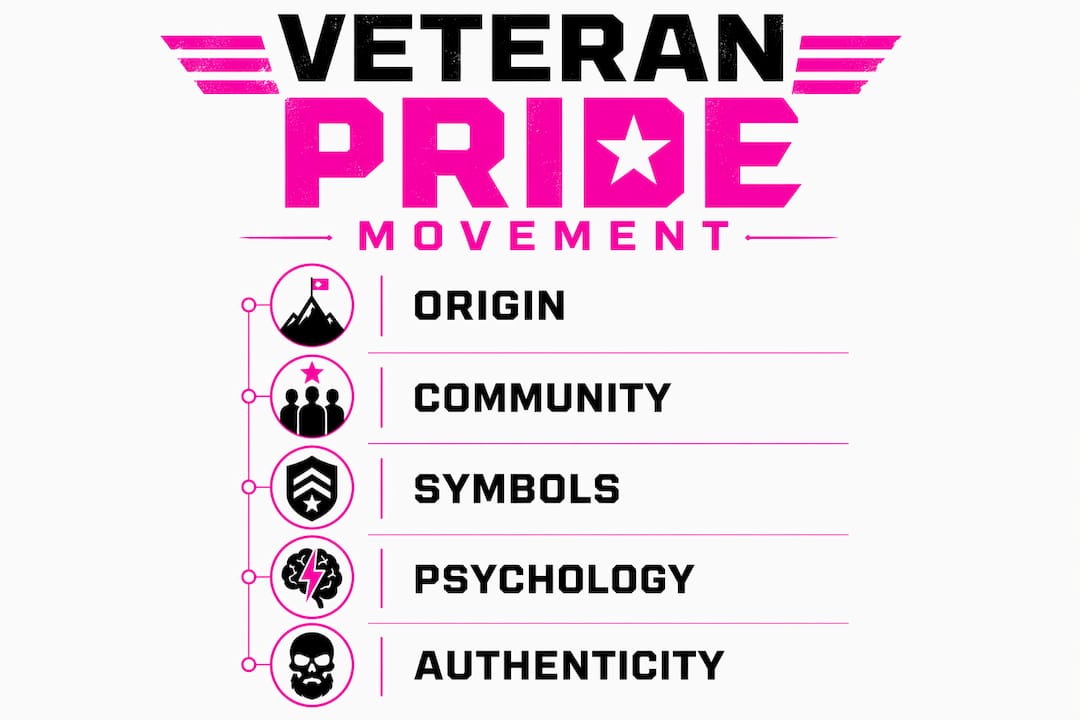
The role of the American flag in veteran apparel deserves specific attention. Its placement, orientation, and context all carry meaning governed by the U.S. Flag Code. Veterans notice when a flag is used correctly versus when it is used purely for visual effect. That distinction matters deeply to the community.
How has the veteran pride clothing movement evolved over time?
The veteran pride movement did not emerge fully formed. It developed through distinct phases tied to cultural and political shifts in how America viewed its veterans.
- Post-Gulf War recognition shift: The Gulf War marked a turning point in public attitudes toward veterans. Unlike the Vietnam era, Gulf War veterans returned to visible public support. That shift created space for veteran identity to be expressed openly, including through clothing.
- Military surplus to mission-driven brands: Early veteran apparel was largely repurposed military surplus. Over time, purpose-built veteran clothing brands emerged, founded by veterans who wanted to express service identity on their own terms rather than through government-issued gear.
- Rejection of fast fashion: The movement shifted away from fast fashion toward mission-based businesses. Veterans and their supporters began prioritizing brands with transparent supply chains, veteran employment, and charitable giving over cheap, mass-produced alternatives.
- Philanthropy as credibility: Brands that donate proceeds to veteran charities and mental health programs earned trust within the community. Charitable impact became a core differentiator, not an optional add-on.
- Expanded inclusivity: The modern veteran pride movement acknowledges diverse veteran groups, including the 2SLGBTQI+ community. This reflects a significant shift toward equity and a broader definition of who counts as a veteran deserving of recognition and pride.
Each phase built on the last. The movement today is more defined, more inclusive, and more demanding of authenticity than at any earlier point in its history.
What are the psychological and social nuances of veteran pride clothing?
Veteran pride apparel carries psychological weight that goes beyond identity display. Pride itself is a complex force for veterans. It provides strength and community, but it can also mask mental health struggles like PTSD and traumatic brain injury when it becomes a performance rather than an expression.
The distinction between performative pride and purpose-driven pride is real and recognized within the veteran community. Performative pride uses apparel as armor, a way to project strength while avoiding vulnerability. Purpose-driven pride uses apparel as connection, a way to signal shared experience and open the door to community support.
| Expression type | Function | Risk level |
|---|---|---|
| Purpose-driven pride | Builds community, signals shared values | Low |
| Performative pride | Projects strength, avoids vulnerability | Moderate to high |
| Commemorative apparel | Honors fallen, marks significant dates | Low |
| Advocacy apparel | Raises awareness for veteran causes | Low |
The clothing and veteran transition relationship is well documented. Apparel that connects veterans to their service identity supports healthy adjustment to civilian life. The problem arises when that apparel becomes a substitute for seeking help rather than a complement to it.
Pro Tip: If you know a veteran who wears their service identity heavily but resists discussing struggles, veteran apparel can be a natural conversation opener. The shared language of the clothing creates trust before words do.
Social comfort with visible veteran pride spikes on national holidays and drops significantly outside them. That pattern reflects a broader cultural dynamic: American society signals its support for veterans loudly on specific dates and quietly the rest of the year. Veterans read that signal clearly.
How do veteran pride clothing brands support and engage the veteran community?
Mission-driven veteran apparel brands operate as community platforms, not just clothing companies. The most credible brands in this space share several defining characteristics:
- Veteran employment: They hire veterans at every level, from design to fulfillment, creating economic opportunity for those transitioning out of service.
- Charitable giving: They donate a defined portion of proceeds to veteran charities, mental health programs, or transition support organizations. Transparency about where the money goes is non-negotiable for community trust.
- Authentic design: Veteran-owned brands involve actual service members in the design process. The result is apparel that reflects real military culture rather than a civilian interpretation of it.
- Community building: Beyond the product, these brands create spaces, online and in person, where veterans connect around shared values. The apparel is the entry point, not the destination.
- Advocacy beyond clothing: The strongest brands use their platform to raise awareness about veteran mental health, transition challenges, and policy issues affecting the community.
Warbeardproject operates within this model, building veteran lifestyle apparel that reflects the values of service while supporting the broader veteran community. The Embroidered Beanie is a direct example — a veteran lifestyle piece built for those who carry their service identity into everyday life. The brand treats apparel as a vehicle for connection, not just commerce. Veteran nonprofit apparel partnerships are central to how credible brands in this space maintain trust and grow their reach.
Authenticity is the single most important factor in brand success within the veteran apparel market. Veterans are a discerning audience. They recognize when a brand has genuine roots in service culture and when it is capitalizing on military aesthetics without real connection to the community.
Key Takeaways
The veteran pride clothing movement is a purpose-driven cultural phenomenon where apparel expresses military identity, builds community, and supports veteran causes through authentic, mission-based brands.
| Point | Details |
|---|---|
| Apparel as identity | Veteran pride clothing functions as a new uniform bridging military and civilian life. |
| Authenticity is required | Veterans reject designs that misuse military symbols or lack genuine service roots. |
| Pride has psychological nuance | Apparel can support healthy identity expression or mask mental health struggles if used as armor. |
| Movement has evolved | The shift from surplus gear to mission-driven brands reflects growing demand for purpose over fashion. |
| Inclusivity is expanding | Modern veteran pride now recognizes diverse groups, including the 2SLGBTQI+ community. |
Why authenticity defines the future of this movement
The veteran pride clothing movement is at a crossroads I find genuinely interesting to watch. The commercial side of veteran apparel has grown fast, and with that growth comes a predictable problem: brands that wear the aesthetic without earning it. Veterans notice. They always do.
What I respect most about the movement’s strongest players is that they treat the clothing as secondary to the mission. The apparel is proof of something, not the thing itself. When a brand employs veterans, donates to mental health programs, and involves actual service members in design, the clothing carries that weight. When it does not, the clothing is just fabric with a flag on it.
The psychological dimension of this movement is the part most outside observers miss. Pride is not simple for veterans. It can be the thing that holds someone together after transition, or it can be the thing that keeps them from asking for help. The best veteran apparel brands understand that tension. They design for community and connection, not just for display. That is the difference between a brand that lasts and one that fades when the trend moves on.
The inclusivity shift is also significant and overdue. Recognizing the 2SLGBTQI+ veteran community within the pride movement is not a concession. It is an accurate accounting of who has served. The movement grows stronger when it reflects the full reality of military service rather than a narrow version of it.
The future of veteran pride apparel belongs to brands that hold authenticity as a non-negotiable standard. That is not a prediction. It is already happening.
— Ian
Veteran apparel that puts mission first
Warbeardproject builds veteran lifestyle apparel grounded in the values this movement stands for: authenticity, community, and direct support for veteran causes.
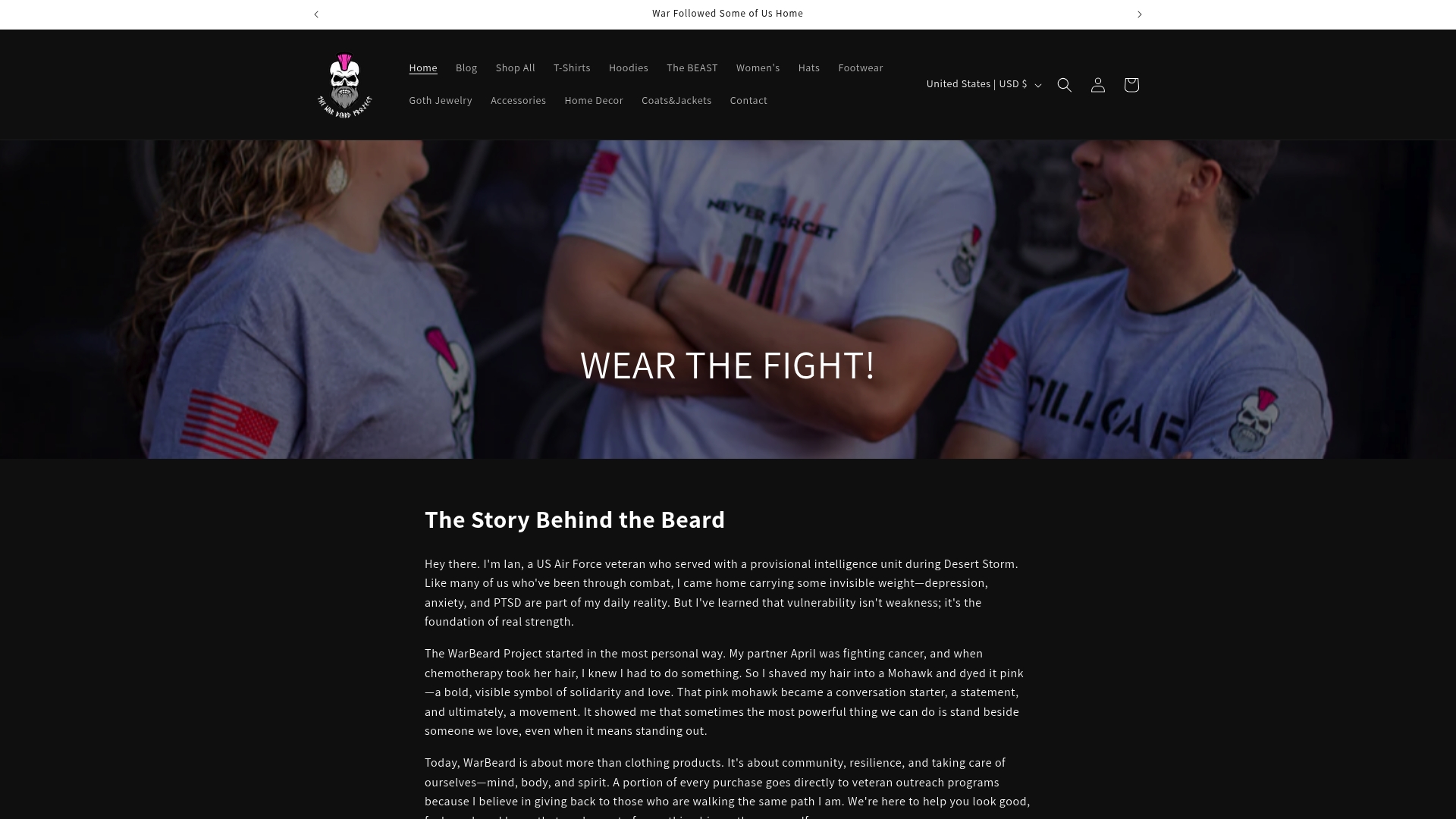
Every piece in the Warbeardproject line reflects real service culture, not a commercial interpretation of it. The Embroidered Beanie represents that commitment — combining quality construction with a design rooted in veteran identity. Purchasing from Warbeardproject means supporting a brand that channels proceeds toward veteran programs and employs people with direct service experience. Purchasing from Warbeardproject means supporting a brand that channels proceeds toward veteran programs and employs people with direct service experience. That is what supporting veteran causes through apparel looks like in practice.
FAQ
What is the veteran pride clothing movement?
The veteran pride clothing movement is a cultural shift where apparel expresses military service, identity, and values in civilian life. It grew significantly after the Gulf War and centers on authenticity, community, and mission-driven brands.
What makes veteran pride apparel different from regular patriotic clothing?
Veteran pride apparel uses specific military symbols, unit insignias, and service-connected mottos that carry precise cultural meaning. Generic patriotic clothing uses broad national symbols without the service-specific context that defines veteran apparel.
Why do veterans wear pride apparel more on certain holidays?
Veterans feel more comfortable displaying service pride publicly on Veterans Day, Memorial Day, and Independence Day. Outside those dates, many prefer a lower profile, reflecting the broader cultural pattern of how American society engages with veteran recognition.
Can veteran apparel negatively affect mental health?
Pride apparel can mask mental health struggles like PTSD when it functions as performative armor rather than genuine community connection. The veteran community recognizes the difference between apparel that opens doors to support and apparel that substitutes for seeking it.
How do I identify an authentic veteran clothing brand?
Authentic veteran clothing brands name their charitable partners, employ veterans directly, and involve service members in design. Transparency about mission, giving, and veteran involvement is the clearest indicator of a genuine brand versus one using military aesthetics commercially.