

De Oppresso Liber Meaning: “From Oppressed to Free” for Green Berets
“De Oppresso Liber” translates idiomatically as “to liberate the oppressed” or “to free the oppressed,” and it stands as the official motto of U.S. Army Special Forces, the Green Berets. The phrase carries a literal Latin grammar distinct from its common English rendering. This explainer breaks down the Latin construction, the motto’s tie to Special Forces insignia and history, and what it means operationally.
TL;DR:
- The literal Latin describes a shift from an oppressed state to freedom; the Army’s familiar English wording instead presents that idea as an active mission.
- The heraldic device pairs crossed arrows inherited from the First Special Service Force with a fighting knife representing unconventional warfare, and received approval in 1960.
- Special Forces doctrine centers on training and advising foreign partner forces, building local capacity rather than promising unilateral rescue for every oppressed person.
- Green Berets and Navy SEALs serve different operational roles: Special Forces advise partner forces, while SEALs focus on direct action and maritime operations.
Table of Contents
- What is the literal Latin translation and why does it vary?
- How do the Green Berets use this motto today?
- Where did the motto and insignia come from?
- What does the motto mean in practice, not just on paper?
- How does Warbeard Project cover veteran symbolism?
- Why this motto stays with me
- Wear the motto with purpose, not just style
- FAQ
- Sources
What is the literal Latin translation and why does it vary?
The literal grammar behind “De Oppresso Liber” differs from the idiomatic English version most people know, and that gap explains why multiple translations circulate. In classical Latin, “de” functions as a preposition signaling a change of status, closer to “from” in the sense of transformation rather than simple separation. “Oppresso” is the past participle of “opprimere,” placed in the ablative case, meaning “an oppressed person.” “Liber” stands in the nominative, meaning “a free person.” Read together, the phrase constructs a literal sense: “from (being) an oppressed person, to being a free one,” according to a grammatical breakdown of the motto.
That literal reading does not match a word-for-word active verb like “to liberate.” The Army’s idiomatic translation smooths the grammar into a usable motto and mission statement.
- The literal rendering emphasizes a change of condition, not an action performed by a rescuer.
- The Army’s idiomatic version, “to liberate the oppressed” or “to free the oppressed,” functions as the public-facing translation.
- Classical Latin patterns of “de” plus a past participle commonly describe transformation from one state to another, reinforcing the status-change reading over a transitive command.
Both versions point to the same underlying idea: moving a person or group from oppression toward freedom.
How do the Green Berets use this motto today?
U.S. Army Special Forces carry “De Oppresso Liber” as their official motto, and the Army’s own descriptions render it as “to liberate the oppressed” or “to free the oppressed,” according to the motto’s grammatical and historical record. The phrase appears on the unit’s heraldic insignia, a design that pairs crossed arrows with a fighting knife.
- The crossed-arrow element traces to the First Special Service Force lineage.
- The fighting knife represents the unconventional warfare mission central to Special Forces identity.
- The motto appears as part of the approved heraldic device carried by the unit.
The insignia carrying this motto, combining the crossed-arrow collar device with a fighting knife, was approved in 1960, according to heraldry records from the Institute of Heraldry. That approval date anchors the motto’s formal military heritage rather than leaving it as an informal slogan.
Operationally, Army materials describe Special Forces soldiers as trainers and advisers who work alongside foreign partner forces, a role that frames the motto around enabling others rather than acting alone, according to an Army.
Where did the motto and insignia come from?
The motto’s roots connect to organizational lineage that predates the modern Special Forces structure. Army lineage records document how today’s Special Forces groups trace back through consolidations and redesignations tied to earlier World War II era units, including ties to the First Special Service Force, according to lineage and honors information from the U.S. Army Center of Military History.
- Unit consolidations over time linked separate formations into the Special Forces structure recognized today.
- The crossed-arrow insignia element carries forward symbolism from that earlier lineage.
- The motto was formally attached to the unit’s heraldic device as part of the 1960 insignia approval, according to the Institute of Heraldry record.
These dates and lineage ties show the motto did not emerge as marketing language. It grew out of documented organizational history, formalized through official heraldry channels, and has carried that weight since.
What does the motto mean in practice, not just on paper?
Military commentary treats “De Oppresso Liber” as mission framing rather than a literal pledge that Special Forces personally free every oppressed person they encounter. Commentary in Small Wars Journal describes the motto’s function as shaping how the force understands its own purpose, tied closely to the doctrine of training and advising partner nations rather than unilateral rescue.
Treating the motto as a promise that Special Forces will personally free every oppressed person misses the doctrinal emphasis on training and advising partner forces.
Pro Tip: Read the motto as a statement of capability and intent, not a literal battlefield guarantee.
This distinction matters because Special Forces doctrine centers on building the capacity of local and partner forces so they can secure their own freedom, a point reinforced by Army descriptions of the role as “trainers and combat-advisers of foreign indigenous forces.” The motto describes a method, not a single dramatic act.

How does Warbeard Project cover veteran symbolism?
Understanding a motto like “De Oppresso Liber” sits alongside other symbols that carry weight in military and veteran communities. We cover related topics in a piece on the POW/MIA symbol meaning, which walks through display guidance and history for another widely recognized emblem.
We also write about veteran identity more broadly, including how service members carry that identity into civilian life, a theme explored in why veterans embrace outdoor lifestyle.
- Heritage-themed apparel options include classic tees and other styles for readers drawn to military-history design. Hoodie styles offer different ways to wear that identity daily.
Why this motto stays with me
A motto like “De Oppresso Liber” sticks because it describes a method, not a slogan: building capability in others so freedom holds after the mission ends.
— Ian
Wear the motto with purpose, not just style
We offer a way to carry that history without reducing it to decoration. We design pieces meant to be worn with the same intent behind the motto itself: quiet respect, not spectacle.
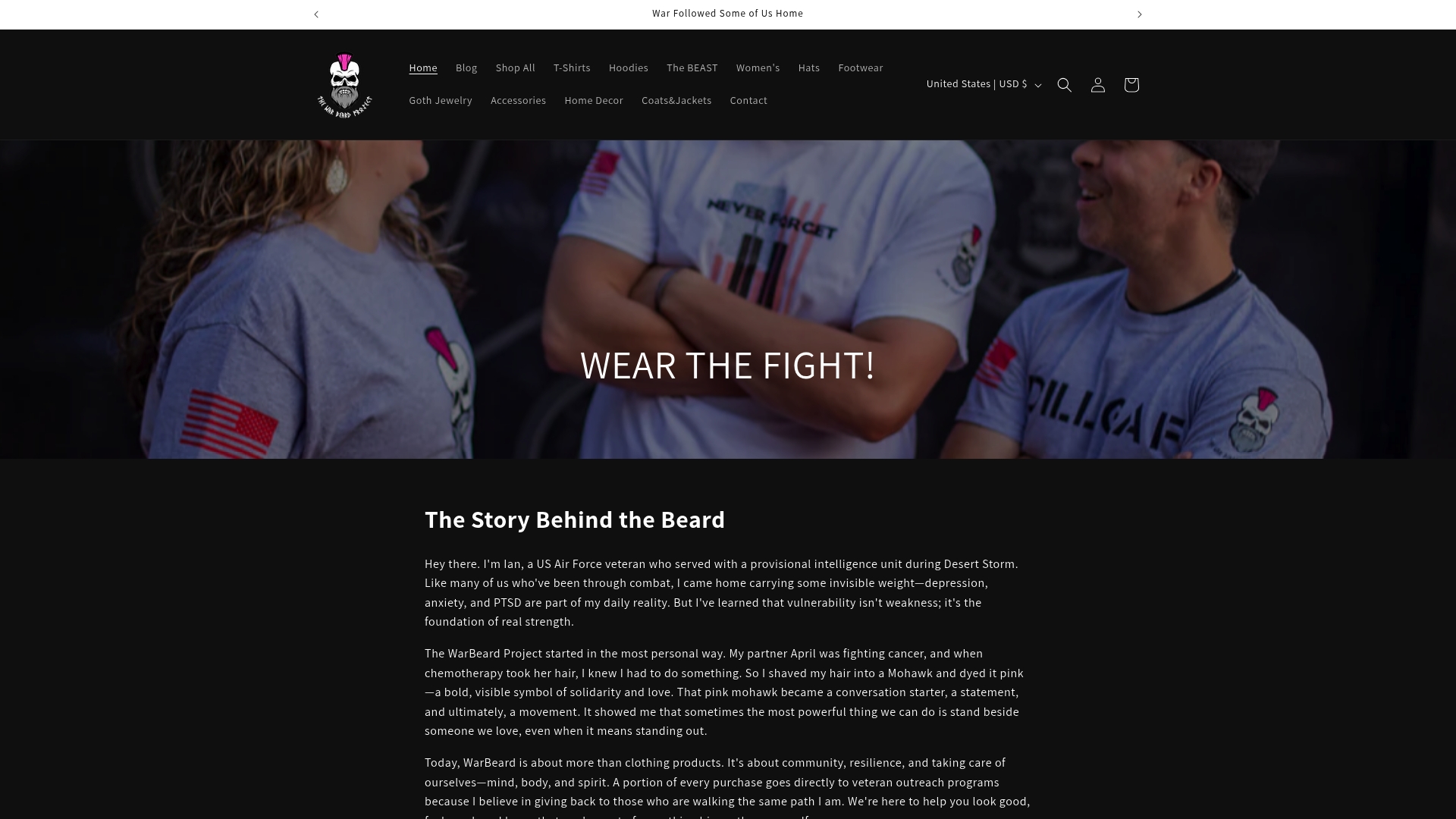
- The VietNam Classic tee and F22 Tee work well for readers who want a direct nod to military history.
- The Suck it Up Unisex Hoodie and OG Logo Unisex Hoodie suit everyday wear with understated branding.
- The Sheild-Maiden Short-Sleeve Women’s T-Shirt rounds out the lineup for readers shopping women’s sizing.
We put a portion of proceeds toward veteran support, a commitment outlined further in how buying veteran-owned supports real causes. For readers connected to veterans facing legal or mental health challenges, court-approved diversion and treatment programs for veterans in crisis offer another avenue of support worth knowing about.
Browse the full T-Shirts, Hoodies, Women’s Wear and more collection to find a piece that fits how you want to carry this history forward.
FAQ
What does De Oppresso Liber mean in English?
“De Oppresso Liber” means “to liberate the oppressed” or “to free the oppressed” in the Army’s idiomatic translation, though the literal Latin grammar reads closer to “from an oppressed person, to a free one,” according to its grammatical breakdown. Both versions describe a shift from oppression to freedom.
What is the Special Forces saying?
“De Oppresso Liber” is the official motto of U.S. Army Special Forces, appearing on the unit’s heraldic insignia alongside crossed arrows and a fighting knife. The insignia carrying this motto was approved in 1960, according to Institute of Heraldry records.
Who were the Green Berets?
Green Berets refer to U.S. Army Special Forces soldiers, trained as specialists in unconventional warfare and known for training and advising foreign partner forces rather than operating as a conventional combat unit. Army materials describe their role as “trainers and combat-advisers of foreign indigenous forces,” according to Army.mil.
Are Green Berets as elite as SEALs?
Green Berets and Navy SEALs represent distinct special operations communities with different missions: Special Forces emphasize training and advising partner forces, while SEALs focus on direct action and maritime operations. Both undergo demanding, specialized selection and training, and comparing them by mission focus is more accurate than ranking one above the other.
What does the motto imply about how Special Forces operate?
The motto implies a mission built around enabling others to secure their own freedom rather than carrying out unilateral rescue. Commentary in Small Wars Journal frames this as mission language tied to training and advising partner forces.
Sources
- De oppresso liber - Wikipedia
- The Institute of Heraldry (TIOH) – Special Forces heraldry
- Army
- De Oppresso Liber – To Free the Oppressed – What’s in a Motto? | Small Wars Journal
- U.S. Army Center of Military History – Special Forces lineage and honors