

Why Service Members Embrace Tactical Fashion
Tactical fashion is defined as functional, durable apparel rooted in military utility, designed to meet the physical and operational demands that standard clothing cannot. Service members and veterans choose tactical clothing because it delivers real performance through ripstop fabrics, MOLLE systems, and ergonomic construction that civilian gear rarely matches. The question of why service members embrace tactical fashion goes beyond aesthetics. It connects to identity, heritage, and the practical reality of lives spent in demanding environments. Warbeardproject exists precisely at this intersection, where function and veteran culture meet in everyday wear.
Why service members embrace tactical fashion: function first
Tactical clothing outperforms standard apparel because of how it is built, not just what it looks like. Reinforced stress zones and ripstop fabrics outperform standard cotton in durability and flexibility during intense training. That means fewer blown seams during a ruck march and longer garment life under repeated heavy use.
The benefits of tactical clothing extend into how the body moves and breathes under load:
- Gusseted crotch panels allow full range of motion without restriction during climbing, kneeling, or sprinting.
- Reinforced seams at high-stress points prevent tearing during load-bearing activity.
- Moisture-wicking fabrics pull sweat away from the skin, reducing chafing and heat buildup during sustained exertion.
- Articulated knees and elbows are pre-shaped to match natural body position under gear.
- MOLLE webbing allows modular attachment of pouches, tools, and accessories without a bag.
The MOLLE system, short for Modular Lightweight Load-carrying Equipment, is the defining feature of true tactical apparel. It turns a jacket or vest into a configurable platform. A service member can attach a medical pouch, a radio holder, or a hydration bladder depending on the mission. That adaptability is what separates tactical gear from outdoor gear that simply looks rugged.
Pro Tip: When evaluating tactical pants, check for gusseted crotch construction and articulated knees before anything else. Those two features determine whether the garment actually supports movement or just looks the part.
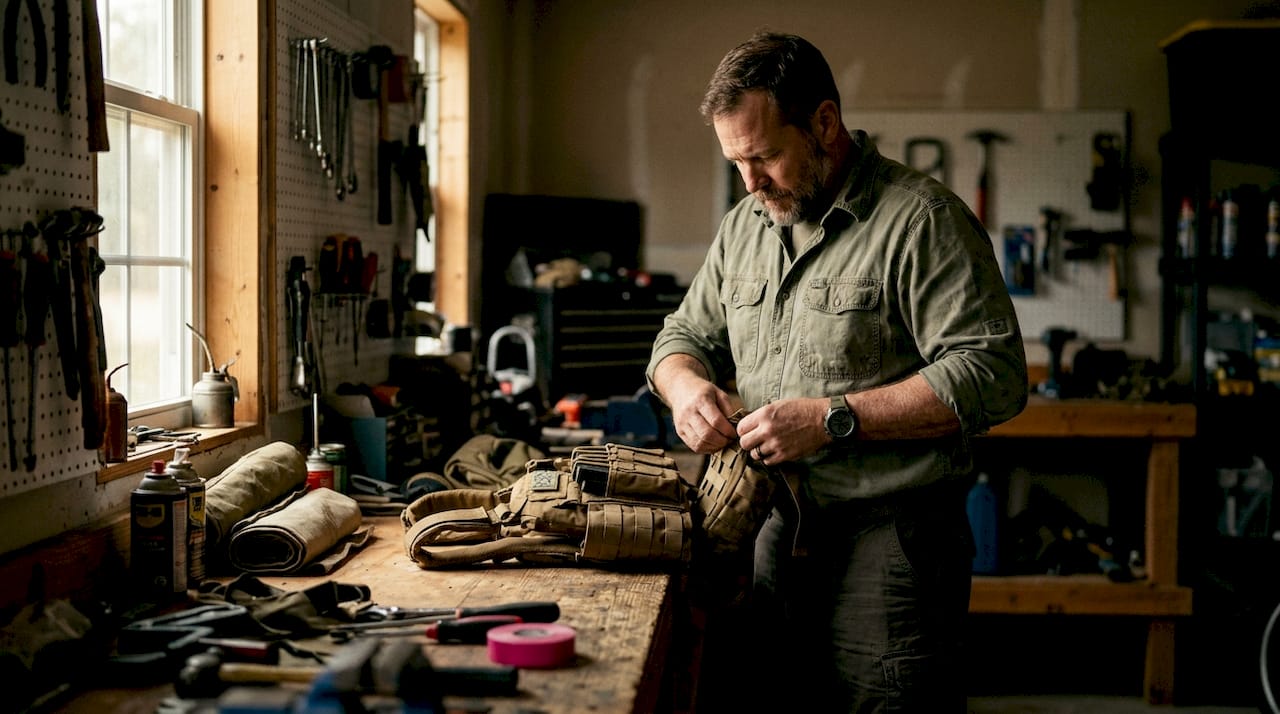
Color and pattern also serve a function. Discreet earth tones and multicam patterns reduce visual signature in field environments. Even in civilian use, those colors translate well across terrain and weather without looking out of place.
How does tactical fashion serve as a cultural symbol for veterans?
Tactical style for veterans carries weight that goes far beyond fabric choice. Veterans choose tactical fashion to maintain connection to their service, express pride, and meet practical needs through items like tactical jackets, cargo pants, and camo apparel. That connection is not nostalgia. It is identity.
The items veterans wear often carry specific meaning:
- Branch insignia on hats or jackets signals unit pride and shared history.
- Subdued flag patches placed on the right shoulder follow the military convention of the flag “charging forward.”
- Camo patterns tied to specific eras or theaters of service mark personal history.
- Morale patches carry inside references that only fellow service members recognize.
- Boots and belt systems reflect training habits that do not disappear after separation.
The role of American flag patches in veteran apparel is a clear example of how clothing functions as a statement of values, not just style.
“Veterans associate tactical gear with deployments and loss, not just style. Military experts caution that adopting military aesthetics without acknowledging the gear’s functional and traumatic origins upsets veterans who earned that look through lived experience.”
Veterans often differentiate between functional tactical gear earned through experience and performative fashion that simplifies complex military realities. That distinction matters deeply within veteran communities. Wearing a plate carrier to a coffee shop reads differently than wearing a well-worn field jacket that saw actual deployments. The veteran community is not monolithic in its response to tactical trends. Some embrace the irony of tactical aesthetics in civilian life. Others step away from military gear entirely after service. What the community consistently demands is honesty in representation.
In what ways has tactical fashion evolved from military necessity to lifestyle?
The shift from pure military utility to lifestyle apparel did not happen overnight. Modern Special Operations Forces allowed nonregulation gear and personal style deviations historically to boost morale and signal elite status. That flexibility planted the seed of what became the modern tactical aesthetic.
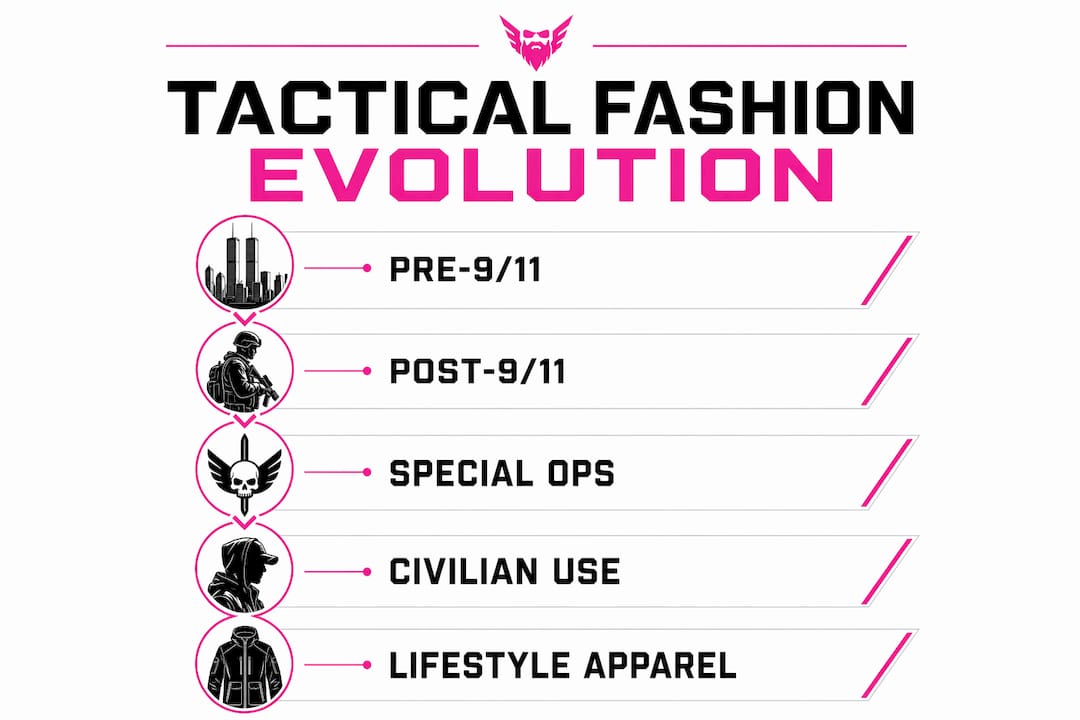
The post-9/11 era accelerated the change. The modern “operator look” evolved as missions shifted from endurance-style lone commando operations to high-tempo, technologically supported raids. Gear had to accommodate night vision mounts, plate carriers, radio systems, and fast-rope gloves simultaneously. That functional complexity produced a distinct visual identity that civilians and veterans alike began to recognize and adopt.
| Era | Tactical gear focus | Civilian adoption level |
|---|---|---|
| Pre-9/11 | Endurance, minimalism, load bearing | Low |
| Post-9/11 | Modular, tech-integrated, high-tempo | Growing |
| 2010s | Operator aesthetic, brand crossover | Mainstream |
| 2020s onward | Lifestyle integration, veteran identity | Established |
The types of special forces lifestyle apparel available today reflect that full arc of development. Veterans who wear tactical silhouettes in daily life are not pretending to be operators. They are drawing on a design language that was built for real performance and happens to fit their lifestyle.
What practical advantages does tactical clothing offer veterans off duty?
The advantages of tactical gear extend well past active service. Tactical clothing priced between $65 and $160 offers durability and modularity that disposable outdoor gear cannot match over time. That price range represents a long-term investment, not a recurring expense.
Pro Tip: For bushcraft and long-duration camping, prioritize Cordura or ripstop construction over lightweight synthetic blends. Lighter fabrics tear faster under branch snag and pack friction.
| Activity | Tactical clothing advantage | Standard outdoor gear limitation |
|---|---|---|
| Bushcraft | Cordura resists abrasion and branch snag | Lightweight synthetics tear under sustained friction |
| Camping | MOLLE attachment points replace a full pack | Pockets are fixed and limited in capacity |
| Hiking | Articulated knees reduce fatigue on ascent | Standard cut restricts stride on steep terrain |
| Cold weather | Layering systems integrate with plate carrier cut | Civilian jackets bulk up under load |
Tactical apparel durability and modularity are critical for long-term use in demanding field conditions. Veterans who spend weekends in the field, hunting, or doing land navigation already know this. The gear they trained in performs better than most consumer outdoor products at comparable price points.
The versatility factor is also real. A pair of tactical pants works equally well on a trail, at a range, and in a hardware store. That cross-context performance is what drives veteran clothing choices toward tactical options rather than specialized gear for each activity.
Key Takeaways
Service members and veterans embrace tactical fashion because it delivers measurable performance, carries genuine cultural meaning, and adapts to demanding civilian life in ways standard apparel does not.
| Point | Details |
|---|---|
| Function drives the choice | Ripstop fabrics, MOLLE systems, and gusseted panels outperform standard cotton in durability and movement. |
| Identity is embedded in the gear | Insignia, camo patterns, and morale patches carry specific meaning tied to service history. |
| The operator look has a documented origin | Post-9/11 mission changes shaped tactical aesthetics that now define the veteran lifestyle category. |
| Tactical gear is a cost-effective investment | Garments priced $65–$160 outlast disposable outdoor gear across bushcraft, camping, and daily use. |
| Authenticity matters to veterans | The community distinguishes earned tactical style from performative fashion that ignores military context. |
What I’ve learned watching veterans choose their gear
Watching veterans navigate tactical fashion over the years reveals something the trend coverage always misses. The choice is rarely about looking a certain way. It is about wearing something that does not fail when you need it. Veterans who spent years in gear that had to work under pressure develop a low tolerance for clothing that prioritizes appearance over construction.
The cultural dimension is just as real, though. A veteran wearing service branch pride gear is not making a fashion statement for an outside audience. They are maintaining a thread of continuity with who they were and what they did. That is worth respecting, whether you served or not.
The tension I see most often is between veterans who want their gear to reflect real experience and a broader market that treats tactical aesthetics as a trend. The solution is not for veterans to abandon the style. It is for brands and buyers to understand what the gear actually represents. Warbeardproject takes that responsibility seriously by building apparel that speaks directly to the veteran community rather than borrowing the look without the context.
The veterans who are most at peace with their tactical wardrobe are the ones who wear what works and ignore the noise. That is the clearest advice I can offer.
— Ian
Warbeardproject apparel built for veterans, not just the look
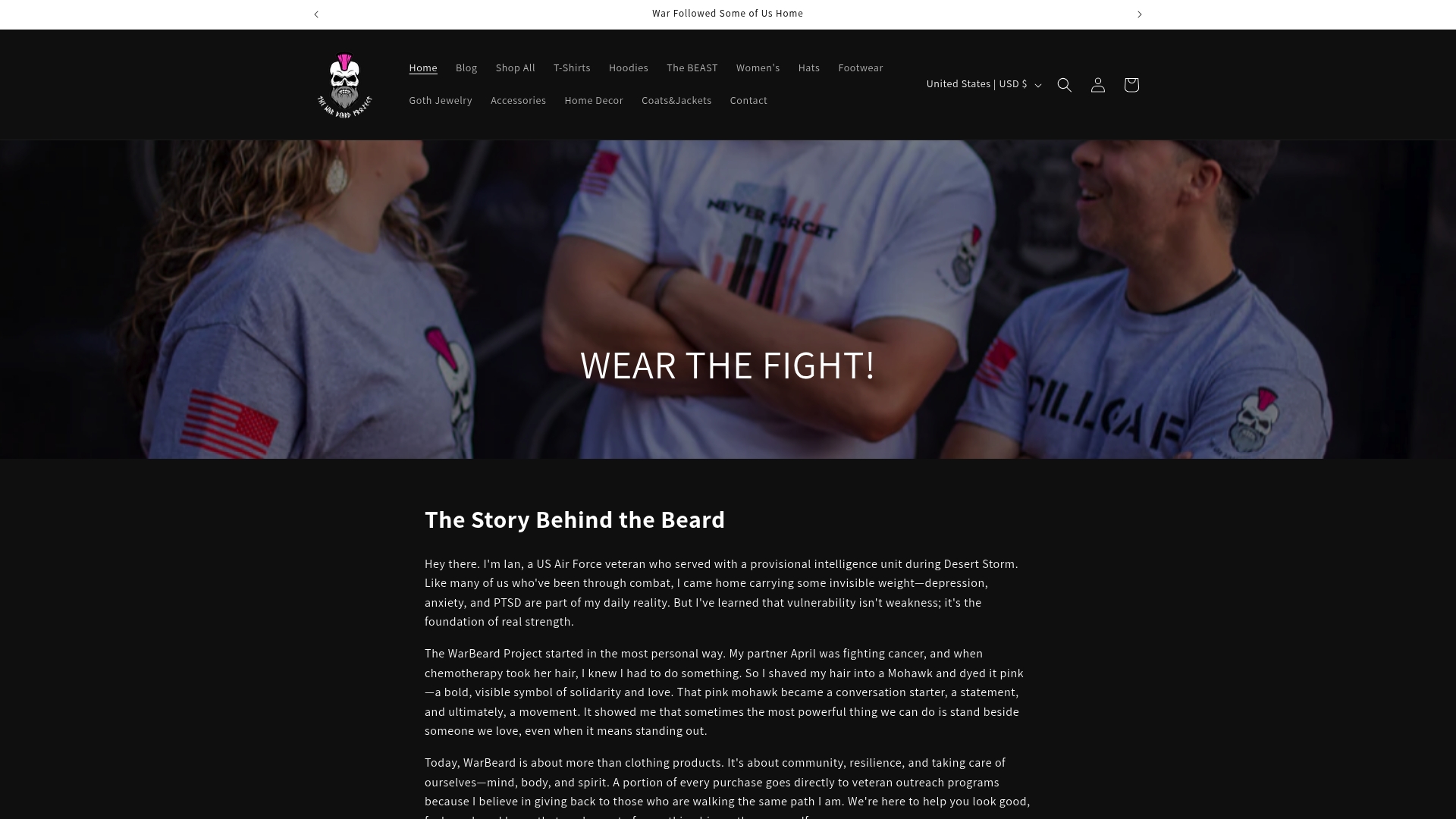
Warbeardproject designs lifestyle apparel for service members and veterans who want clothing that reflects both their identity and their standards. The catalog goes beyond tactical silhouettes to include pieces that carry veteran culture into everyday wear without requiring an explanation.
The New Logo Yoga Leggings are a direct example: performance-focused construction paired with Warbeardproject branding that veterans recognize. The brand also maintains nonprofit apparel partnerships that connect service members with gear that honors their background. Every product in the Warbeardproject line is built with the same standard: function you can use, identity you can wear, and quality that does not quit.
FAQ
Why do service members prefer tactical clothing over regular apparel?
Tactical clothing offers reinforced construction, modular attachment systems, and ergonomic design that standard apparel does not provide. Service members trained in gear that had to perform under pressure, so they apply the same standard to civilian clothing.
What is the MOLLE system and why does it matter for veterans?
MOLLE stands for Modular Lightweight Load-carrying Equipment. It is a webbing system that allows users to attach pouches, tools, and accessories to clothing or vests, replacing the need for a separate bag in field and outdoor settings.
Is tactical fashion disrespectful when worn by non-veterans?
Veterans differentiate between functional gear worn with understanding of its origins and performative fashion that ignores military context. Wearing tactical clothing respectfully means acknowledging what it represents, not just how it looks.
What makes ripstop fabric better for tactical use?
Ripstop fabric uses a reinforced grid weave that stops tears from spreading. That construction extends garment life significantly under the abrasion, snagging, and stress that field and outdoor use create.
How does tactical clothing support veterans transitioning to civilian life?
Tactical apparel supports veteran transition by providing familiar, functional clothing that maintains a sense of identity and continuity while adapting to civilian environments and activities.